
Rainwater Harvesting Laws in Nevada
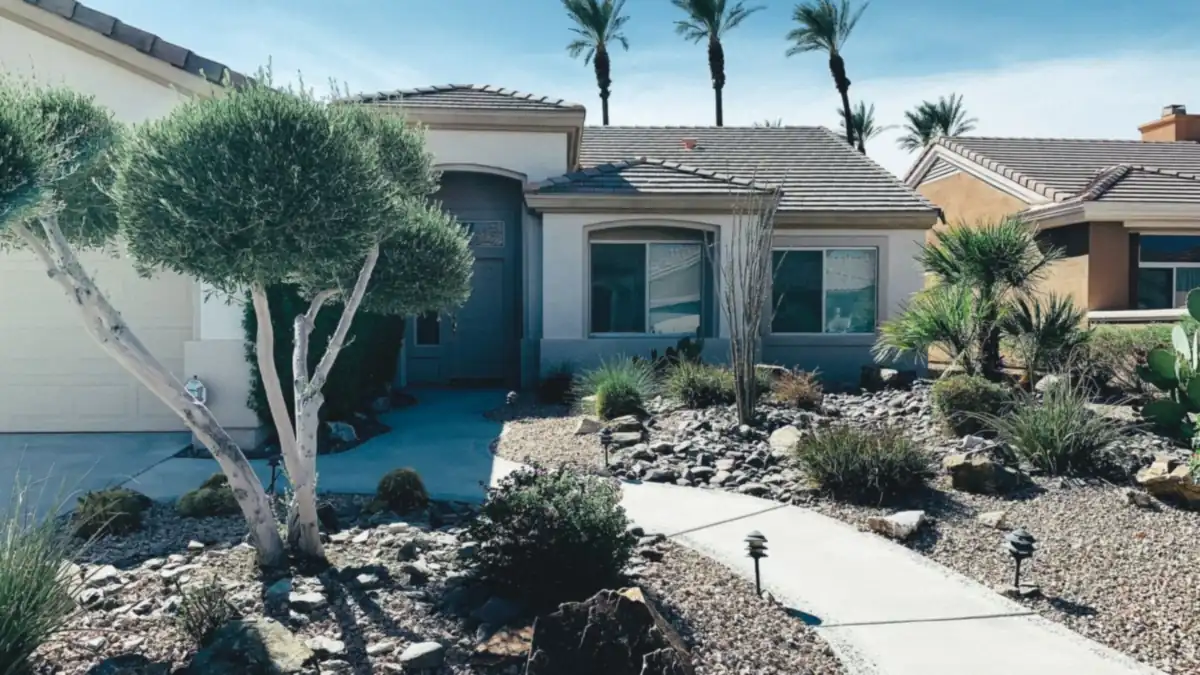
Is it legal to collect rainwater in Nevada?
Yes, within a narrow exemption. Nevada’s water law (chapter 533 of the Nevada Revised Statutes) treats water as belonging to the public, and new uses generally need a permit from the State Engineer. Section 533.027 carves out an exception: the chapter does not apply to the de minimus collection of precipitation from the rooftop of a single-family dwelling for nonpotable domestic use.
In practice, that means a homeowner can put rain barrels or a tank under the downspouts of a house and use the water for the garden, lawn and animals, but not for drinking. The exemption is written for single-family dwellings; it does not mention apartment buildings, businesses or community gardens.
Nevada at a glance
- Who is covered
- The rooftop of a single-family dwelling (NRS 533.027).
- How much
- The statute says “de minimus” collection and does not set a gallon figure.
- Allowed uses
- Nonpotable domestic use. “Domestic use” is defined in NRS 534.013 as culinary and household purposes for a single-family dwelling, including watering a family garden and lawn and watering livestock, other domestic animals and pets.
- Drinking
- Not covered (“nonpotable”). University of Nevada, Reno Extension says rainwater should never be used for drinking unless it has been purified.
- Not covered
- Roofs that are not single-family dwellings, such as apartments, businesses, schools or community garden buildings. Ask the State Engineer before collecting there.
- Wildlife guzzlers
- The same section separately exempts approved wildlife guzzlers of up to 20,000 gallons.
How much rain a Nevada roof can collect
University of Nevada, Reno (UNR) Extension’s chapter on rainwater harvesting, from its Low Impact Development in Northern Nevada guide, gives these figures:
| Inches of rain a year | Per 1,000 sq ft of roof | Per 2,000 sq ft of roof |
|---|---|---|
| 7 | 4,400 gallons | 8,800 gallons |
| 9 | 5,600 gallons | 11,200 gallons |
| 11 | 6,800 gallons | 13,600 gallons |
UNR’s example: the Reno area averages about 7.5 inches a year, so a 1,500 square foot roof sending about 90 percent of its water to storage could collect roughly 6,300 gallons. That will not cover a whole summer of irrigation, and much of northern Nevada’s precipitation falls in winter when plants need little water. One inch of rain on 750 square feet of roof yields about 420 gallons, while a typical barrel holds about 55, so every barrel needs an overflow and a plan for the excess.
Using and maintaining a system
- Uses. UNR lists pet and livestock watering, car washing and garden irrigation, and sometimes non-potable indoor uses such as toilet flushing or evaporative coolers, which need proper cross-connection protection, maintenance and marking.
- First flush. Because rain is infrequent, dust, debris and droppings collect on roofs; many systems divert the first few gallons of runoff onto the ground.
- Maintenance. Keep barrels, cisterns, gutters and downspouts free of debris; use gutter guards; flush and disinfect barrels periodically; clean filters; repair leaks; and control erosion at the overflow outlet.
- Passive harvesting. UNR suggests sending downspout water to the landscape areas that need it, with berms to hold it and compost to help clay soils absorb it.
- Plumbing. Any connection to indoor plumbing raises backflow questions and needs your local building department; see water meters, hookups and backflow preventers.
Community gardens, apartments and farms
- Outside the exemption. NRS 533.027 covers rooftops of single-family dwellings only. A community garden shed, an apartment building or a farm building is not named, so ask the Nevada Division of Water Resources (the State Engineer’s office) before collecting rain there.
- Selling produce. See irrigation water quality and food safety, and Nevada cottage food law if you also sell foods you make.
- Land and HOAs. On leased or borrowed land, get the owner’s written permission; see land access. We did not verify a Nevada statute on rain barrels in homeowners associations; see homeowners associations.
- Greywater. Household greywater is a separate system with its own rules; see greywater laws for gardens.
Checklist before you install in Nevada
- Collect only from the roof of a single-family home, unless the State Engineer tells you otherwise.
- Use the water for the garden, lawn, animals and other non-drinking household uses.
- Add an overflow to every barrel and send excess water to planted areas, not onto neighbors.
- Consider a first-flush diverter, and keep gutters, screens and barrels clean.
- Keep rainwater out of drinking-water plumbing; get local approval for any indoor use.
- Check your HOA documents and your city or county rules for tanks.
Frequently asked questions
Is it legal to collect rainwater in Nevada?
Yes, from the roof of a single-family home for non-drinking household uses. NRS 533.027 exempts that de minimus collection from the state’s water-rights chapter.
How much rainwater can I collect in Nevada?
The statute says “de minimus” and sets no gallon limit. UNR Extension estimates about 6,300 gallons a year from a 1,500 square foot roof in Reno.
Do I need a permit for a rain barrel in Nevada?
Not a water-rights permit, if you collect from a single-family home’s roof for nonpotable domestic use. Local rules on tanks and plumbing still apply.
Can I drink rainwater in Nevada?
The exemption is for nonpotable use only, and UNR Extension says rainwater should never be used for drinking unless it has been purified.
Can I use rain barrel water on my vegetable garden in Nevada?
Yes. Nevada’s definition of domestic use includes watering a family garden and lawn.
Can an apartment building or community garden collect rainwater in Nevada?
The exemption covers single-family dwellings only. Ask the Nevada Division of Water Resources before collecting from other roofs.
Can an HOA ban rain barrels in Nevada?
We did not verify a Nevada statute on this. Read your covenants and ask your board.
Rainwater laws in other states
Rules differ a lot from state to state. Our other state guides, with the general rainwater harvesting laws overview:
- Arizona
- California
- Colorado
- Florida
- Georgia
- Indiana
- Michigan
- Mississippi
- Missouri
- New Mexico
- North Carolina
- Ohio
- Oregon
- Pennsylvania
- Tennessee
- Texas
- Utah
- Virginia
- Washington
Official sources
- Nevada Revised Statutes section 533.027 (applicability of chapter to de minimus collection of precipitation), as reproduced by Nevada Public Law from the Legislature’s website (the official site did not open for us)
- Nevada Revised Statutes section 534.013 (“domestic use” defined), from the chapter 534 text revised 2018 and posted in the FAOLEX legal database
- University of Nevada, Reno Extension: Rainwater Harvesting, chapter from Low Impact Development in Northern Nevada
- Not checked for this page: the Legislature’s official text and history of these sections, any later amendment of NRS 534.013, Nevada Division of Water Resources guidance, city and county tank and plumbing rules, and any Nevada statute on homeowners associations and rain barrels