
Rainwater Harvesting Laws in Texas
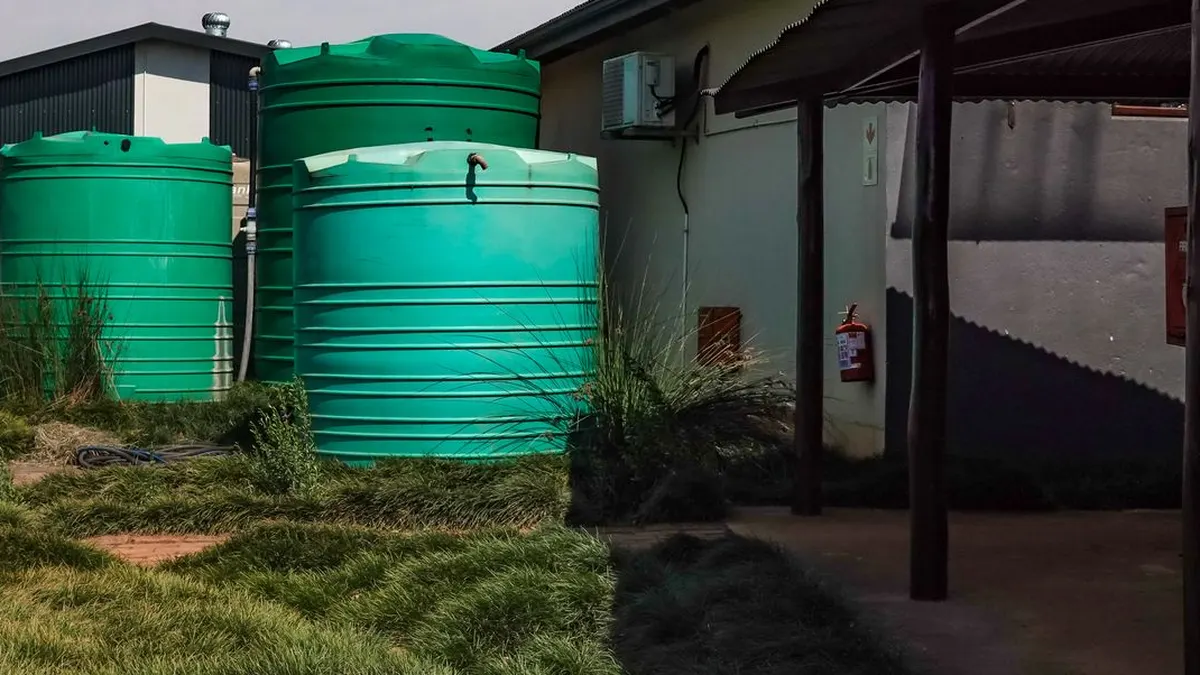
Is it legal to collect rainwater in Texas?
Yes. Texas is one of the states that actively encourages it. The Texas Water Development Board (TWDB) describes rainwater harvesting as a practice the state has devoted “a considerable amount of attention” to, and the Legislature has written several laws that support it rather than restrict it: a sales tax exemption, a limit on homeowners association bans, and a health code section for systems that connect to plumbing. A rain barrel under a downspout, used to water a garden, needs no state permit that we found.
Texas rules at a glance
- Is roof collection allowed?
- Yes. State agencies promote it, and we found no state permit or storage limit for a rain barrel or tank used on your own property.
- Sales tax
- Rainwater harvesting equipment and supplies are exempt from Texas sales and use tax (Tax Code 151.355).
- Property tax
- A city, county or other taxing unit may choose to exempt part or all of the value of property with approved water conservation initiatives (Tax Code 11.32). It is optional and set locally, so ask your county appraisal district.
- HOA rules
- An association may not prohibit or restrict rain barrels or a rainwater harvesting system, and a clause that does is void (Property Code 202.007), with limits described below.
- Drinking water
- The Texas Commission on Environmental Quality (TCEQ) sets standards for domestic use. Connecting a system to a public water supply triggers backflow rules (Health and Safety Code 341.042).
What an HOA can and cannot do
Property Code 202.007 says a property owners’ association may not include or enforce a rule that prohibits or restricts installing rain barrels or a rainwater harvesting system. The section also lists what an association can still regulate, which is where most disputes start:
- It does not have to allow a barrel or system on association property, on property owned in common, or on the part of your lot between the front of your house and the street.
- It does not have to allow a barrel in a color that does not match your house, or one that displays language or content not normally on a barrel as manufactured.
- It may regulate the size, type, shielding and materials of a barrel or device that is visible from the street, another lot or a common area, as long as the rule does not prohibit economical installation and your lot has reasonably sufficient space for it.
Read your own declaration and the section itself before you install. A barrel behind the house, in a color close to the siding and screened from view is the safest choice. For other garden topics an association may touch, see homeowners associations and right-to-garden laws.
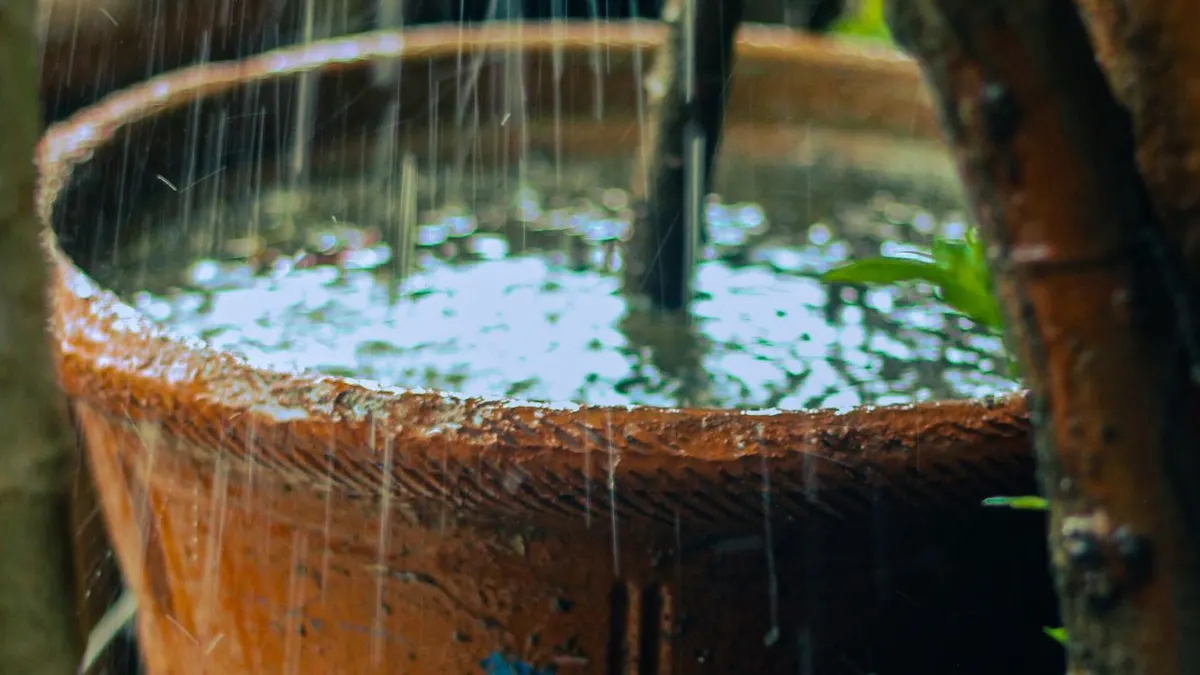
Rainwater connected to a building
A barrel that only feeds a hose or watering can is a different thing from a tank plumbed into a building. Health and Safety Code 341.042 covers the second case. As written, it says:
- TCEQ sets recommended standards for domestic use of harvested rainwater, including treatment and collection methods for water intended for drinking, cooking or bathing.
- A building that has a rainwater system and also uses a public water supply as a backup source must have cross-connection safeguards.
- A private system with a capacity of more than 500 gallons that has a backup supply must have a backflow prevention assembly or an air gap at the storage tank.
- A person who installs and maintains rainwater systems connected to a public water system and used for drinking must be a licensed plumber with a water supply protection specialist endorsement.
- If you plan to use a public water system as a backup source, you must give written notice to the city or the utility.
For a garden, the practical rule is simple: keep rain-fed irrigation completely separate from drinking-water plumbing, and use a licensed plumber for any connection. See water meters, hookups and backflow preventers.
Community gardens, farms and food safety
- The sales tax exemption text covers equipment and supplies and does not limit itself to households, so a garden group may qualify. Ask the Texas Comptroller how to document an exempt purchase.
- A large tank may be an accessory structure under city zoning and building rules. See building codes and planning and zoning.
- If you sell produce, the water you use on it matters. See irrigation water quality and food safety, and Texas cottage food law if you also sell foods you make.
- Many Texas utilities and cities offer rebates for barrels or tanks. Ask yours.
Checklist before you install in Texas
- Read your HOA declaration and Property Code 202.007; choose a rear or side location and a matching color.
- Ask your city building office whether a permit is needed for a tank, and check setbacks.
- Keep stored rain away from drinking-water plumbing; if a connection is planned, hire a licensed plumber.
- Use sealed lids and screened inlets; send overflow away from foundations.
- Keep receipts and ask the Comptroller about the sales tax exemption; ask your appraisal district about property tax.
Frequently asked questions
Is it legal to collect rainwater in Texas?
Yes. Texas encourages rainwater harvesting, and we found no state permit for an ordinary rain barrel used on your own property. Larger systems connected to plumbing have health and plumbing rules.
Is there a tax break for rain barrels in Texas?
Equipment and supplies for rainwater harvesting are exempt from sales and use tax under Tax Code 151.355. Property tax exemptions are optional and set by each local taxing unit under Tax Code 11.32.
Can an HOA ban rain barrels in Texas?
No. Property Code 202.007 says an association may not prohibit or restrict them and that a clause that does is void. It can still regulate color, shielding and visible placement and can refuse barrels on common property or in front of the house.
Do I need a permit for a rain barrel in Texas?
Not at the state level for a small barrel, as far as we found. A larger tank or one connected to plumbing may need a city permit. Ask your city.
Can I drink rainwater in Texas?
Texas allows domestic use, and TCEQ sets recommended standards, but treatment and plumbing rules apply. This page covers irrigation; do not use stored rain for drinking without proper treatment.
Does a rainwater tank need a backflow device in Texas?
If the system has a backup public water supply and holds more than 500 gallons, Health and Safety Code 341.042 calls for a backflow prevention assembly or an air gap at the tank.
Can I use rainwater on vegetables in Texas?
Yes for watering soil. Avoid spraying edible leaves close to harvest and wash produce. See our guide on irrigation water quality.
Rainwater laws in other states
Rules differ a lot from state to state. Our other state guides, with the general rainwater harvesting laws overview:
Official sources
- Texas Water Development Board, Rainwater Harvesting (state summary of the sales tax exemption, the HOA rule and House Bill 3391)
- Texas Property Code, section 202.007 (certain restrictive covenants prohibited)
- Texas Tax Code, section 151.355 (water-related exemptions) and section 11.32 (certain water conservation initiatives)
- Texas Health and Safety Code, section 341.042 (standards for harvested rainwater)
- Statute text read on the Texas Legislature statutes website, accessed November 2026
- Not checked for this page: Texas Water Code provisions on state water, TCEQ rule text and local tank permits, which vary by city