
Rainwater Harvesting Laws in Georgia
Is it legal to collect rainwater in Georgia?
Yes, for non-potable uses. The University of Georgia Extension describes rainwater harvesting as the collection of runoff from roofs during a rainfall event, conveyed through gutters, filtered and stored in a tank, and lists landscape irrigation, washing vehicles, watering livestock and wildlife, cooling towers and toilet flushing as uses in Georgia. A rain barrel is the simplest version; Extension notes that systems range from a single barrel to multimillion-gallon industrial systems.
The firm limit is drinking water. In the University of Georgia’s words, Georgia plumbing codes do not permit harvested rainwater to be used for potable applications.
Georgia rules at a glance
- Where the rules live
- In the plumbing code: the Georgia State Minimum Standard Plumbing Code has a chapter on Rain Water Harvesting Systems (Chapter 15, as cited in the EPA summary of Georgia’s rule).
- What counts as rainwater
- Water collected from runoff of roofs of buildings or homes after a rain event.
- Allowed uses
- Non-potable only. The state approves automatic clothes washing, cooling tower makeup water and toilet and urinal flushing for onsite reuse; Extension adds irrigation, vehicle washing and watering livestock and wildlife.
- Drinking water
- Not permitted under Georgia plumbing codes.
- Filtration
- Rainwater used this way must pass through an approved filter system, such as a downspout filter, leaf screen or strainer basket.
- Disinfection
- An approved method is required for indoor uses (chlorine, iodine, ozone or UV). Systems under 200 gallons for outdoor non-potable use normally do not need disinfection.
What this means for a garden
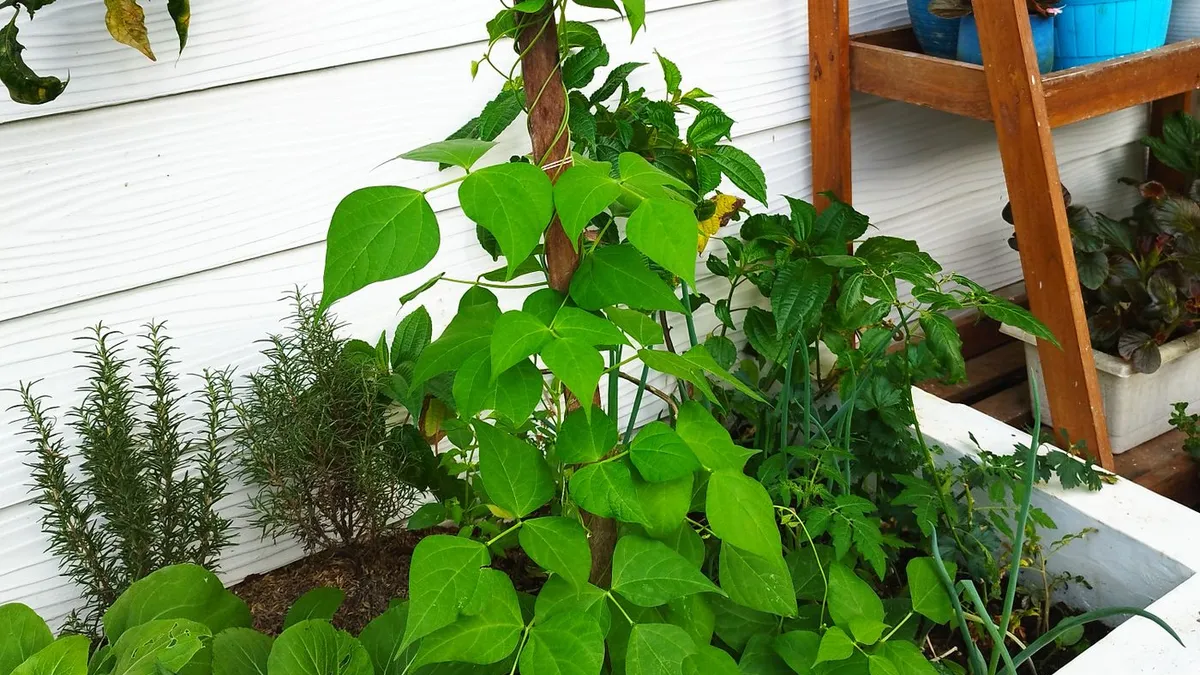
- Outdoor irrigation from a barrel is the use the state’s own university recommends. Extension says rainwater can be used when other irrigation is restricted, which is useful in a dry summer.
- Anything plumbed into a building (toilet flushing, laundry) is covered by the plumbing code’s filtration, disinfection and cross-connection rules. Use a licensed plumber and ask your local building department about permits.
- Never connect stored rain to drinking-water plumbing. See water meters, hookups and backflow preventers.
- Test your water. Extension suggests testing through your local Cooperative Extension office, because roofing and gutters can add metals, and birds and wildlife can add bacteria. Rain normally has a pH of 5.5 to 6.0.
Permits, HOAs and local rules
The sources we read describe how a system must be built, and none of them gives a state permit requirement for an outdoor rain barrel. We did not read the plumbing code chapter itself, so ask your city or county building department what applies to a tank of your size and whether a permit is needed. Local ordinances and homeowners association rules vary, and we did not verify a Georgia statute on rain barrels in associations. Read your declaration; see homeowners associations and building codes for the general picture.
Community gardens and farms
- Extension’s uses include livestock and wildlife watering, so a farm or garden with animals can use harvested rain for them. Check local rules first.
- If you sell produce, think about the water on the crop. See irrigation water quality and food safety, and Georgia cottage food law if you also sell foods you make.
- Rain barrels reduce runoff from roofs; see stormwater fees and irrigation runoff for credits some cities give.
- Extension mentions that rebates and tax-exempt incentives may offset system costs; ask your utility and a tax preparer.
Checklist before you install in Georgia
- Use stored rain only for non-potable purposes: irrigation, washing, animals or, with a compliant system, toilet flushing.
- Add a leaf screen or filter at the gutter and a screened, sealed inlet on the tank.
- Keep the system separate from drinking-water plumbing; for indoor use, hire a licensed plumber.
- Ask your local building department whether a permit is needed for your tank size.
- Check your HOA declaration, and ask your water utility about rebates.
- Test the water through your county Extension office before using it on edible crops.
Frequently asked questions
Is it legal to collect rainwater in Georgia?
Yes. University of Georgia Extension promotes rainwater harvesting for non-potable uses such as irrigation. The limits come from the plumbing code, which does not allow harvested rainwater for drinking.
Can I drink rainwater in Georgia?
No. Georgia plumbing codes do not permit harvested rainwater to be used for potable applications.
Do I need a permit for a rain barrel in Georgia?
The sources we read give no state permit requirement for an outdoor rain barrel. Plumbed systems and larger tanks are covered by the plumbing code and local permits, so ask your building department.
What can I use harvested rainwater for in Georgia?
Extension lists landscape irrigation, washing vehicles, watering livestock and wildlife, cooling towers and toilet flushing. The state approves clothes washing and toilet flushing for onsite reuse with filtration and disinfection.
Does rainwater need to be filtered in Georgia?
Yes. Systems covered by the state rule need an approved filter, such as a downspout filter, leaf screen or strainer basket, and indoor uses need disinfection. Outdoor systems under 200 gallons normally do not need disinfection.
Can an HOA ban rain barrels in Georgia?
We did not verify a Georgia statute on this. Read your association’s declaration and rules and ask the board before you install.
Is harvested rainwater safe for vegetables?
It can be used to water soil. Roof materials and wildlife can add metals or bacteria, so have it tested through Extension and avoid wetting edible leaves close to harvest.
Rainwater laws in other states
Rules differ a lot from state to state. Our other state guides, with the general rainwater harvesting laws overview:
Official sources
- University of Georgia Cooperative Extension, Bulletin B 1372, Rainwater Harvesting for System Designers and Contractors (published 2010, minor revisions 2013)
- US Environmental Protection Agency, REUSExplorer, Summary of Georgia’s Water Reuse Guideline or Regulation for Rainwater Collected Onsite for Non-potable Water Reuse (updated September 2026), citing the Georgia State Minimum Standard Plumbing Code, Chapter 15, Rain Water Harvesting Systems
- Not checked for this page: the text of the Georgia plumbing code chapter itself, local permit rules, any Georgia statute on homeowners associations and rain barrels, Georgia EPD water withdrawal rules and tax or rebate programs