
Georgia Cottage Food Law (2026): HB 398, Labels and Where to Sell
At a glance
- License or permit
- None. HB 398 removed the GDA license and the state licensing fee. You can request an identification number to put on labels instead of your address
- Annual sales limit
- None in HB 398 or the GDA guidance
- Allowed foods
- Non-potentially hazardous foods and non-alcoholic beverages made and packaged at your residence
- Where you can sell
- Directly to a person, including online and by mail order, or to retail food sales establishments such as grocery stores, convenience stores and restaurants
- Not covered
- Alcoholic beverages, foods containing cannabis and raw milk. Pet food needs a separate feed license
- Training required
- HB 398 does not mention it, but GDA’s cottage food page still points to an ANSI-accredited food safety program (see below)
Who the Georgia law covers
A cottage food production operation is an individual working out of their home kitchen who prepares, processes, packages, stores and distributes non-potentially hazardous foods for sale. Governor Brian Kemp signed HB 398 on May 13, 2025, and it took effect on July 1, 2025. The new rules are in Article 19 of Chapter 2 of Title 26 of the Georgia Code (sections 26-2-470 to 26-2-478). The law is not for a person selling non-potentially hazardous food at a bake sale run by a nonprofit, charitable or religious organization; those sales are outside it.
What you can sell
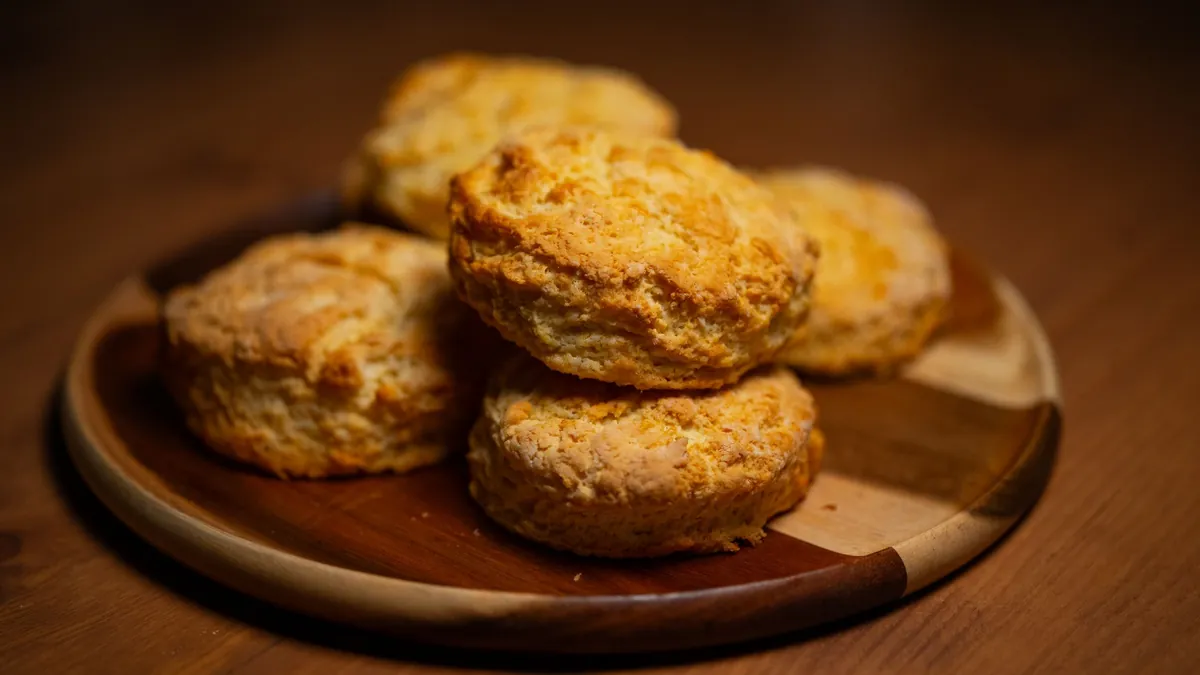
The statute defines cottage food items as non-potentially hazardous foods or non-alcoholic beverages, meaning foods that do not need temperature control for safety. Its list of examples includes loaf breads, rolls, biscuits and cakes (except those with fillings that need refrigeration or have high moisture content), jams, jellies and preserves, uncut fruits and vegetables, dried fruits, dry herbs, seasonings and mixtures, cereals, trail mixes and granola, coated and uncoated nuts, vinegars and flavored vinegars, dill pickles, confections, fudge, dry soup mixes, roasted coffee beans, dry pasta, and popcorn, popcorn balls and cotton candy.
| Food | Allowed? |
|---|---|
| Breads, rolls, biscuits and cakes | Yes except cakes with fillings that need refrigeration or have high moisture content |
| Cookies, pastries and fruit pies | Yes GDA lists these; the recipe must be non-potentially hazardous |
| Candy, confections, fudge, popcorn, cotton candy | Yes |
| Jams, jellies and preserves | Yes fruit butters are excluded when reduced sugar or pectin may affect their shelf stability |
| Dried fruit, dry herbs, seasonings, dry mixes, dry soup mixes | Yes |
| Cereals, trail mixes, granola, coated or uncoated nuts | Yes |
| Vinegars, flavored vinegars and dill pickles | Yes |
| Roasted coffee beans and dry pasta | Yes |
| Uncut fruits and vegetables | Yes |
| Non-alcoholic beverages that need no temperature control | Yes, if non-hazardous the statute includes non-alcoholic beverages in the definition |
| Foods needing temperature control for safety (cream-filled, custard, cut melons, cooked meat, dairy-based items) | No |
| Alcoholic beverages, foods containing cannabis, raw milk | No excluded by the statute |
| Pet food and pet treats | No GDA requires a separate feed license |
Home rules and inspections
The old pre-license kitchen inspection is gone. GDA can still inspect the part of your home you use for cottage food to investigate a consumer complaint, a report of foodborne illness or another public health emergency. Except in an emergency, the inspection has to be scheduled in advance, and you can ask for an administrative warrant first. A willful violation gets a written warning, and a later violation can bring a civil penalty of up to $75 per violation.
Georgia label requirements
Whoever sells a cottage food item must give consumers:
- the business name, address and telephone number of the cottage food operator, or, instead of the address, an identification number that GDA issues on written request;
- this statement in at least 10-point type: “This product was produced at a residential property that is exempt from state inspection. This product may contain allergens.”
Put the information on a label on the package, on a label on a bulk container, on a placard at the point of sale if the food is neither packaged nor in a bulk container, or on the web page where the food is offered online. If you sell by telephone or custom order, you may skip the label but must tell the buyer that the food was produced at a residential property exempt from state inspection and may contain allergens, and keep the label information available on request.
123 Sample Street, Anytown, GA 00000
(555) 555-0100
or a GDA identification number in place of the address
at least 10-point type
Federal food labeling rules, including naming major food allergens (milk, eggs, fish, crustacean shellfish, tree nuts, peanuts, wheat, soybeans and sesame), still apply to packaged food.
Where you can sell
- Directly to a person, including online and by mail order, at farmers markets, events and from home.
- To retail food sales establishments, including grocery stores, convenience stores and restaurants. Cottage food counts as coming from an approved source. A store that sells it must post signage, following GDA specifications, saying cottage food is not subject to commercial food regulations or inspection, and must keep it in a separate section or display case that is conspicuously labeled as cottage food exempt from state inspection.
- Local opt-out: a city or county can pass an ordinance banning sales through third-party vendors (stores and restaurants) within its borders. It cannot otherwise regulate cottage food, and it cannot stop delivery companies from delivering it.

Training and insurance
HB 398 does not contain a training requirement. GDA’s cottage food page, however, still tells operators to complete an ANSI-accredited food safety program and says a food handler course is acceptable. Because the department is rewriting its older rules, confirm the current position with GDA before you rely on either. Product liability coverage is worth considering, especially if you sell through stores. See our guide to liability, risk and insurance.
Local rules and HOAs
HB 398 does not change general local rules such as business licensing and zoning, and it does not remove state or federal tax duties. Check your city or county, and ask whether it has opted out of third-party vendor sales. Private rules apply too, so check your HOA covenants and lease. For general background, see our planning and zoning guide.
Frequently asked questions
Can I sell food from home in Georgia?
Yes. You can make non-potentially hazardous food in your home kitchen and sell it directly to people or to retail stores and restaurants, with the required label information.
Do I need a license to sell baked goods from home in Georgia?
No. Since July 1, 2025, GDA no longer requires a cottage food license or licensing fee. You may request an identification number to use instead of your address on labels.
Is there a sales limit in Georgia?
HB 398 and GDA’s guidance set no limit on sales or the number of units.
Can I sell cottage food online or by mail in Georgia?
Yes. The statute allows sales directly to a person, including online and by mail order. Put the required statement on the web page where you offer the food.
Can I sell to grocery stores and restaurants?
Yes, since HB 398. Stores must display your products in a separate, labeled section and post a sign, and a city or county can ban third-party sales in its area.
Can I sell pickles or canned goods in Georgia?
Dill pickles, jams, jellies and preserves are on the statute’s list. Foods that need temperature control for safety are not allowed, and fruit butters are excluded where reduced sugar or pectin may affect their shelf stability.
Note on conflicting sources
Many guides, city pages and older state rules still describe the pre-July 2025 system: a $100 annual license, a pre-licensing home inspection, mandatory training, annual testing of private well water and sales to consumers only. GDA says it will amend Rule 40-7-19 to match HB 398, and that it will use enforcement discretion in the meantime where an old requirement is no longer supported by the law. Sources also disagree on whether training and well-water testing are still expected. We read the statute text as published by the General Assembly and GDA’s own cottage food page and HB 398 FAQ. Confirm training, water testing, the identification number form and any new rules with GDA at [email protected] or (404) 656-3627.
Official sources
- Georgia General Assembly: House Bill 398 (2025), Official Code of Georgia Annotated sections 26-2-470 to 26-2-478 and 36-60-33
- Georgia Department of Agriculture: Cottage Food page and “Cottage Food Update: House Bill 398 & Frequently Asked Questions”
- Georgia Rules and Regulations, Chapter 40-7-19 (prior cottage food rules, being amended)
- U.S. Food and Drug Administration (FDA): Food Allergies (FASTER Act, sesame)