
Urban Agriculture Law Guides for Farmers and Community Gardeners
Plain-English information on zoning, permits, food safety, land access and liability for urban agriculture in the United States.

Find rules for your state
Cottage food laws, explained state by state. See all states.
Legal library
Twelve topics that most urban farms and gardens run into.

Planning and Zoning
Zoning codes, city policies and key terms.
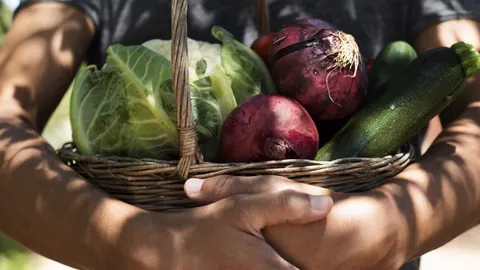
Food Safety
Rules for selling what you grow.

Building Codes
Permits for gardens, rooftops and structures.

Land Access
Public land, leases, land trusts, easements.

Homeowners Associations
How HOA covenants can limit growing food.

Liability and Insurance
Managing risk for farms and gardens.

Employment Laws
Volunteers, interns and hired workers.

Entrepreneurial Urban Ag
Building farm-based businesses.

Nonprofit Urban Ag
Tax-exemption and nonprofit basics.
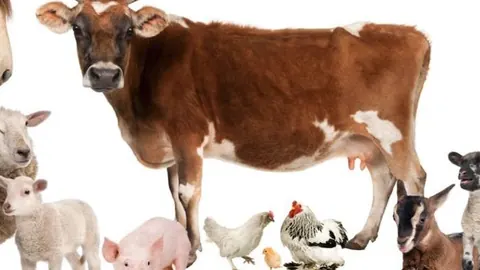
Animals and Livestock
Chickens, goats and other food animals.

Soil
Testing and contamination issues.
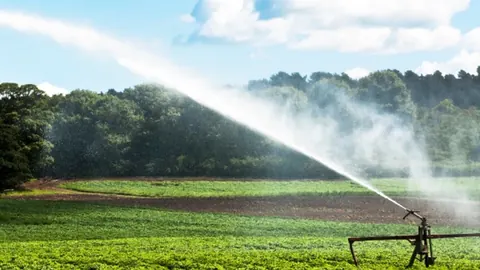
Water
Getting and using water legally.
Urban agriculture law, explained in plain English
Growing food in a city is rarely just a gardening question. Whether you can keep chickens in a backyard, open a market stand, build a greenhouse on a rooftop or lease a vacant lot depends on zoning codes, building codes, health regulations, homeowners association rules and local ordinances that differ from one city and state to the next.
UrbanAgLaw.org brings those rules together in one place for community gardeners, urban farmers, nonprofits, educators, local officials and anyone starting a small food business. Our guides turn legal language into practical steps: what the rule says, who it applies to, which permits you may need and where to confirm the details with your local agency.
What you will find here
- Planning and zoning: where urban farming, community gardens, beekeeping and farm stands are allowed.
- Food safety rules: what to know before you sell produce, eggs, honey or homemade food.
- Land access: leases, land trusts, easements and using public or vacant land.
- Liability and insurance, employment law and nonprofit structures for organizations that grow food.
How we keep the information reliable
We base our guides on official sources such as state statutes, agency rules and government guidance, and we link to them so you can check the original text. Our new state guides show the date they were last verified. Rules change, so please treat our guides as a starting point and confirm requirements with your city or county before you build, plant or sell.
Common questions
Is urban farming legal in my city?
In most U.S. cities some form of urban agriculture is allowed, but where and how depends on local zoning. Start with the planning and zoning guide, then check your city or county zoning code or ask the planning department.
Can I sell vegetables or food I grow at home?
Often yes, but the rules depend on what you sell. Fresh whole produce is usually treated differently from processed or baked foods, and many states have specific rules for small-scale sales. See our food safety guide for the basics.
Do I need a permit to build a raised bed, greenhouse or hoop house?
Small raised beds usually do not need one, while permanent structures such as greenhouses, sheds and fences often do. Read about building codes and check with your local building department.
Can my HOA stop me from growing food?
Sometimes. Homeowners association covenants can restrict front-yard gardens, structures and animals, and a few states limit what an HOA may prohibit. See our HOA guide.
Can I keep chickens, bees or other animals in the city?
Many cities allow backyard hens and bees with limits on numbers, setbacks and permits. Rules vary widely, so see animals and livestock and check your local ordinance.
Is this legal advice?
No. UrbanAgLaw.org provides general legal information, not legal advice. For decisions with legal or financial consequences, consult a licensed attorney in your state.
From the blog

What Is an Urban Garden?
Types, benefits and how to start one in a small space.
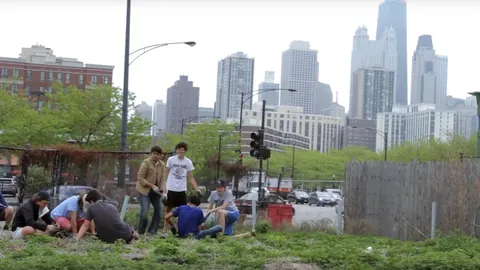
What Is Urban Agriculture?
A plain-language definition, examples and benefits.
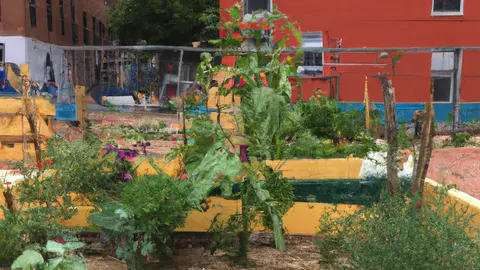
Baltimore Urban Farm Soil Study
Metal levels were low at most sites.
General information, not legal advice. Laws change and differ by city and state, so confirm the rules with your local authority.