
What Is an Urban Garden? Meaning, Types and How to Start
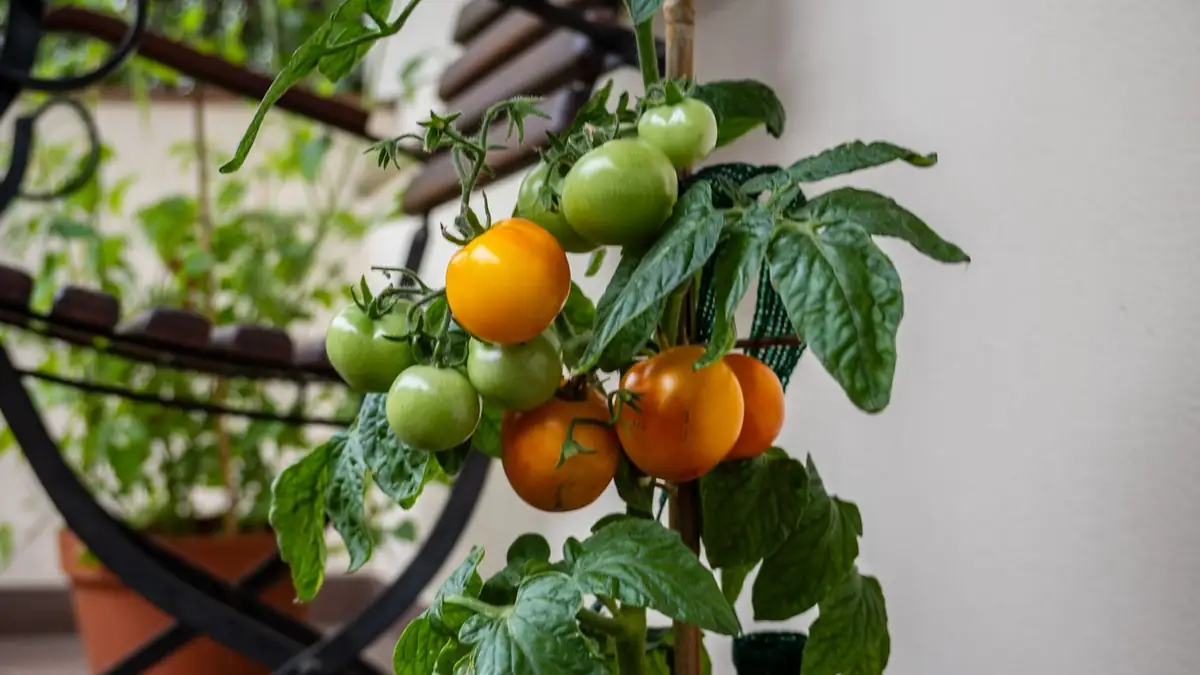
What is an urban garden?
An urban garden is a garden in a built-up area. What makes it different from a rural or large suburban garden is not the plants but the conditions: little space, shade from buildings, hard surfaces that store heat, soil that may be compacted or contaminated, and more rules about what you can build and where.
Urban gardens are part of the wider field of urban agriculture. The USDA’s National Agricultural Library describes urban agriculture as growing, processing and distributing food and non-food agricultural products in urban and suburban areas, and notes there is no single federal definition, so each city sets its own. As a working rule, an urban garden mostly feeds the gardener, a household or a community group, while an urban farm grows to sell.
- Where
- Balconies, patios, windowsills, backyards, front yards, rooftops, vacant lots, schoolyards and shared community garden sites.
- What grows best
- Leafy greens and herbs in small or shady spaces; tomatoes, peppers and squash where there are 6 or more hours of direct sun.
- Main limits
- Sunlight, water access, soil quality, weight on balconies and roofs, and permission from the landlord, HOA or landowner.
- When rules matter most
- Building structures, gardening on land you do not own, keeping animals, using rain barrels, and selling what you grow.
Types of urban gardens
Most urban gardens fall into six types. Many gardeners combine them, for example containers on a balcony plus a plot in a community garden.
| Type | Best for | What to check first |
|---|---|---|
| Container garden | Balconies, patios, steps and renters | Pot size, drainage holes, daily watering in summer, weight on a balcony |
| Raised-bed garden | Yards and lots where the ground soil is poor or untested | Clean fill soil, HOA or front-yard rules, setbacks for larger beds |
| Community garden | People without their own space; neighborhood groups | A written land agreement, soil testing, zoning, water hookup and liability |
| Rooftop garden | Apartment and commercial buildings with a usable roof | Load limits, roof access and waterproofing, building permits |
| Indoor or windowsill garden | Herbs and greens year round in apartments | Window direction and hours of light; grow lights for fruiting crops |
| Vertical garden or green wall | Very small footprints, fences and walls | Secure mounting, irrigation and drainage onto neighbors or walls |
For a shared site, our step-by-step guide to starting a community garden covers land agreements, rules and funding.
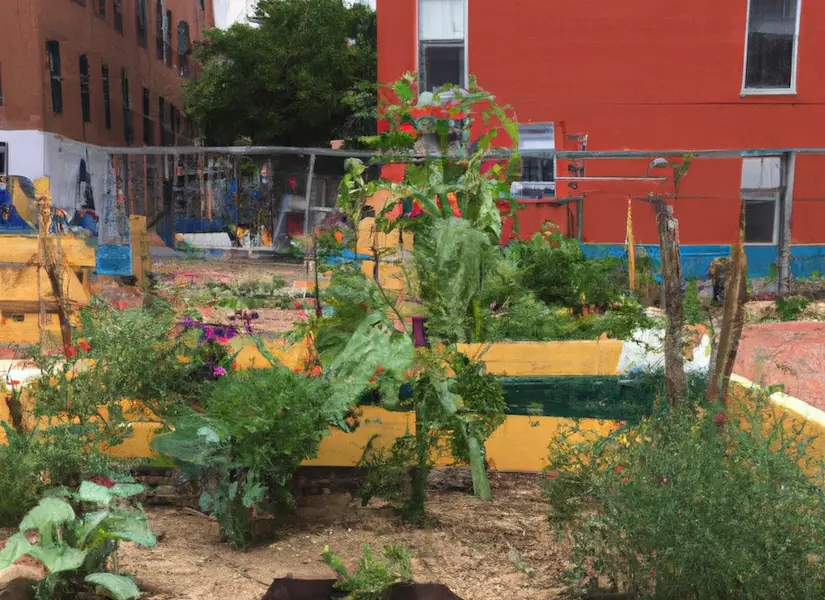
What an urban garden needs: sun, containers, soil and water
- Sun. Warm-season crops (tomato, pepper, eggplant, squash) need 6 to 8 hours of direct sun; cool-season crops (lettuce, spinach, Asian greens) need 3 to 5 hours (University of Maryland Extension). Southern and western exposures are sunnier and warmer; northern and eastern ones shadier and cooler.
- Containers. Every pot needs drainage holes. A single tomato plant needs a pot at least 20 inches wide; peppers and eggplants can do well in a 14-inch pot; smaller pots suit herbs and greens; pots should be at least as tall as they are wide (Penn State Extension).
- Growing mix. Use a soilless potting mix, not garden soil, which is heavy and drains poorly in a container. Finished compost can make up to half the mix (Penn State Extension). Gravel or pot shards in the bottom of a container do not improve drainage (University of Maryland Extension).
- Water and food. Most container vegetables need watering at least once a day in hot weather. Add a slow-release fertilizer at planting and a soluble fertilizer every two to four weeks (Penn State Extension).
- Heat and wind. Brick, concrete, blacktop and metal reflect and release heat, which can stress plants. Tall plants in light pots can blow over, so heavier pots help on windy balconies.
- Plant choice. Look for compact “bush” or “determinate” varieties. Sweet corn, watermelon, winter squash and zucchini are better grown in the ground than in pots (Penn State Extension).
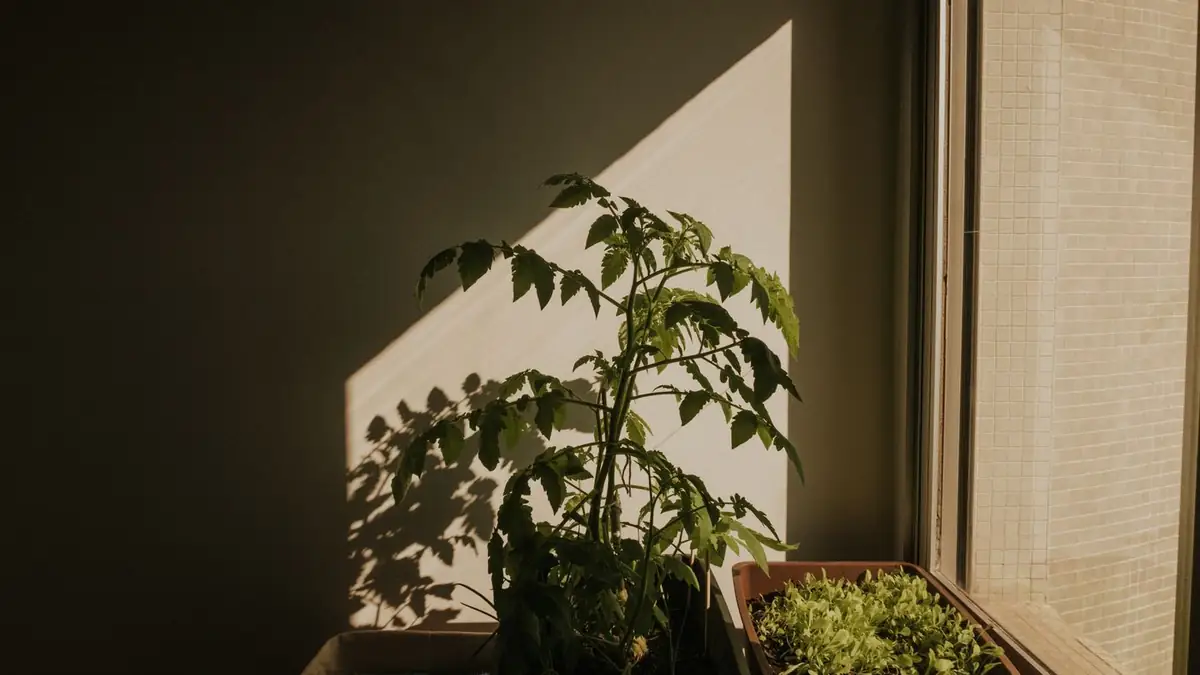
Is city soil safe for an urban garden?
City soil can carry lead, petroleum residues or other contaminants from old paint, traffic and past industry. EPA’s guidance for gardens on vacant and reused land is a good checklist even for a backyard:
- Research the site’s history. A vacant or abandoned lot may be a brownfield and may be contaminated.
- Test the soil for nutrients and pH, and for the amount and type of contamination, before you plant in the ground.
- Grow above ground if needed. Fill raised beds with safe soil, and make the areas around them safe too.
- Cover paths with clean soil, weed cloth and mulch to cut exposure to soil, reduce weeds and save water.
- Think about children. Children face higher health risks from contamination, so play areas and paths near beds need to be safe.
Our guides on soil testing for lead and contaminants and raised beds and cleanup explain lab tests, lead levels and what to do with the results.
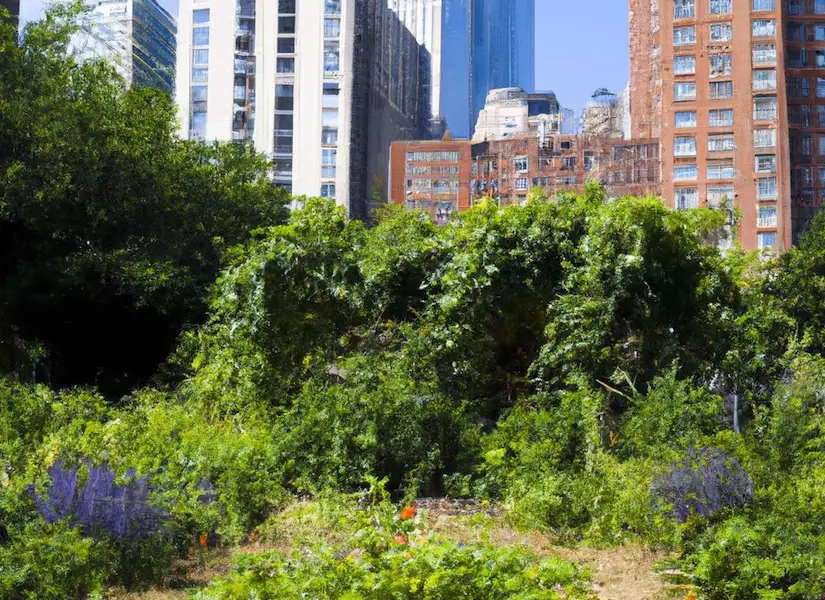
Rules to check before you start an urban garden
A few pots on your own balcony rarely raise legal questions. These are the points where city gardeners most often run into rules, with our guide for each:
- Renting or borrowing land. Get the owner’s permission in writing; for vacant lots and city land see land access and adopt-a-lot programs.
- HOA and condo rules. Associations can limit front-yard beds, structures and appearance; some states protect the right to garden. See right-to-garden laws.
- Zoning. Community gardens and gardens that sell produce may need to be an allowed use in the zone. See how to find your zoning.
- Structures. Sheds, large raised beds, greenhouses and hoop houses can need permits. See building codes and greenhouse permits.
- Water. Rain barrels are legal in most places but regulated in some; hose connections may need backflow protection. See rainwater harvesting laws.
- Animals. Hens and bees have their own city rules; see backyard chicken laws and urban beekeeping laws.
- Selling. Selling fresh produce, eggs or homemade food is regulated separately; see selling vegetables from home and cottage food laws by state.
Benefits of urban gardening
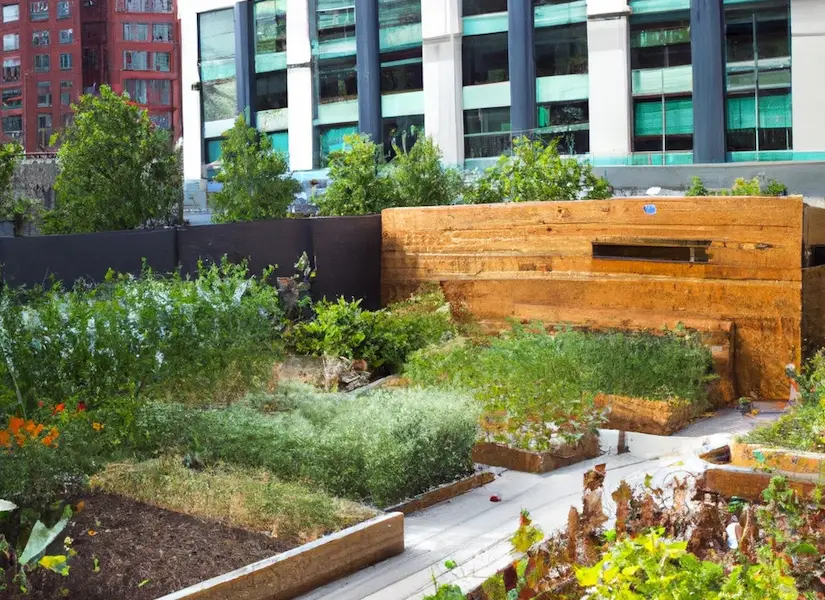
The USDA’s National Agricultural Library says urban agriculture can bring environmental, economic and social benefits to the surrounding community. For a single gardener or a neighborhood group, those benefits usually look like this:
- Fresh food close to home, picked when it is ripe, especially useful where stores with fresh produce are far away.
- Lower food costs for crops that are expensive to buy, such as herbs, salad greens and cherry tomatoes.
- Pollinators and green space. EPA notes that planting flowers with vegetables brings pollinators and beneficial insects that boost crops.
- Community. Shared gardens give neighbors a reason to meet and work together, and a place for schools and youth programs to teach growing and nutrition.
- A path to more. Some gardeners go on to sell at farm stands or markets, or start an urban farm; see entrepreneurial urban agriculture.
How to start an urban garden: a first-season plan
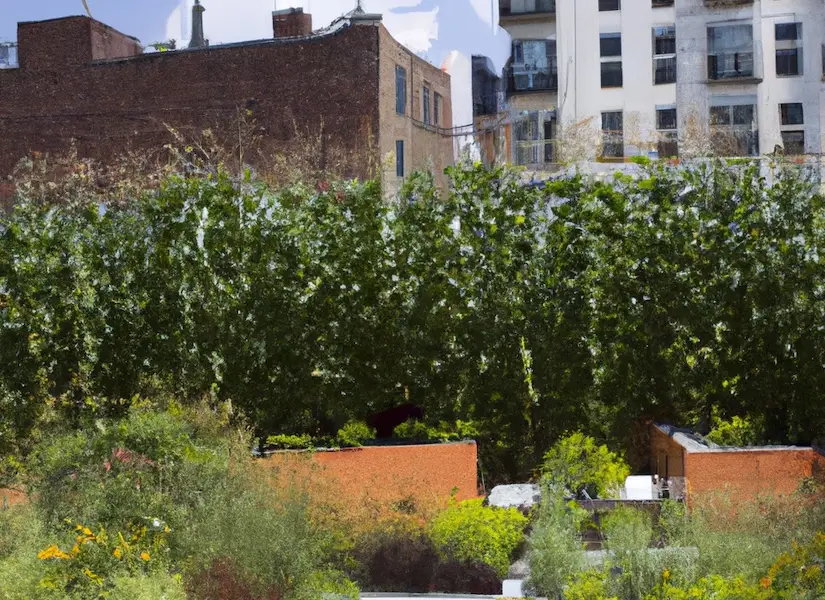
- Measure your light. Count the hours of direct sun on your balcony, yard or window over a day. Under 5 hours: plan on greens and herbs.
- Check the rules for your spot. Lease, HOA, landowner permission, and soil history if you will plant in the ground.
- Pick the format. Containers if you rent or have hard surfaces; raised beds if your soil is poor or untested; a community garden plot if you have no space.
- Get the right containers or beds. Drainage holes, the right size for the crop, and a plan for weight on balconies and roofs.
- Fill with good growing mix. Soilless potting mix with up to half compost in containers; clean soil in raised beds.
- Start with easy crops. Lettuce, kale, herbs, bush beans and a compact tomato or pepper variety in the sunniest spot.
- Set up watering. Containers can need water every day in summer; a nearby tap, self-watering pots or a drip line save time. Water until it drains out of the bottom.
- Feed and observe. Fertilize containers every two to four weeks, note what grows well, and expand next season.
Frequently asked questions
What is urban gardening?
Urban gardening is growing vegetables, herbs, fruit or flowers in a city or town: in containers on a balcony or windowsill, in raised beds in a yard, on a rooftop, indoors or in a shared community garden.
What is the difference between an urban garden and an urban farm?
There is no legal line that applies everywhere. In practice, an urban garden mostly feeds the gardener, a household or a community group, while an urban farm grows to sell. Selling usually brings more rules, such as zoning for sales, food safety and business permits. See what is urban farming.
What are the main types of urban gardens?
Container gardens, raised-bed gardens, community gardens, rooftop gardens, indoor or windowsill gardens, and vertical gardens or green walls.
How much sun does an urban garden need?
University of Maryland Extension says warm-season crops such as tomatoes, peppers, eggplant and squash need 6 to 8 hours of direct sun, and cool-season crops such as lettuce, spinach and Asian greens need 3 to 5 hours.
Is it safe to grow food in city soil?
It can be, but test first. EPA advises researching a site’s history because a vacant lot may be contaminated, testing the soil, and using safe soil in raised beds if needed. See soil testing for lead and contaminants.
Do I need permission to garden on a balcony or rooftop?
If you rent, check your lease and ask the landlord; if you own a condo or live under an HOA, read the rules. For rooftops, ask the building owner about weight: University of Maryland Extension notes that one 20-inch container of moist potting mix and plants can weigh 100 pounds.
Can I sell vegetables from my urban garden?
Often yes, but selling is regulated separately from growing. Your city may limit sales from home, and processed foods such as jam fall under cottage food laws. See selling vegetables from home and cottage food laws.
Sources
- USDA National Agricultural Library: Urban Agriculture (definition and the note that there is no single federal definition), as summarized in our what is urban farming guide
- Penn State Extension, Container Vegetable Gardening: Four Keys to Success, by Erin Kinley (updated March 30, 2026)
- University of Maryland Extension, Growing Vegetables in Containers and Salad Tables (updated September 10, 2026)
- U.S. EPA, Know Before You Grow: Understanding Site Risks for Garden and Growing Activities (EPA-560-F-21-201, October 2021)
- The primary sources named in our soil, zoning, homeowners association, building code, water and cottage food guides linked above