
Adopt-a-Lot Programs and City Garden Licenses: How They Work
What an adopt-a-lot program is
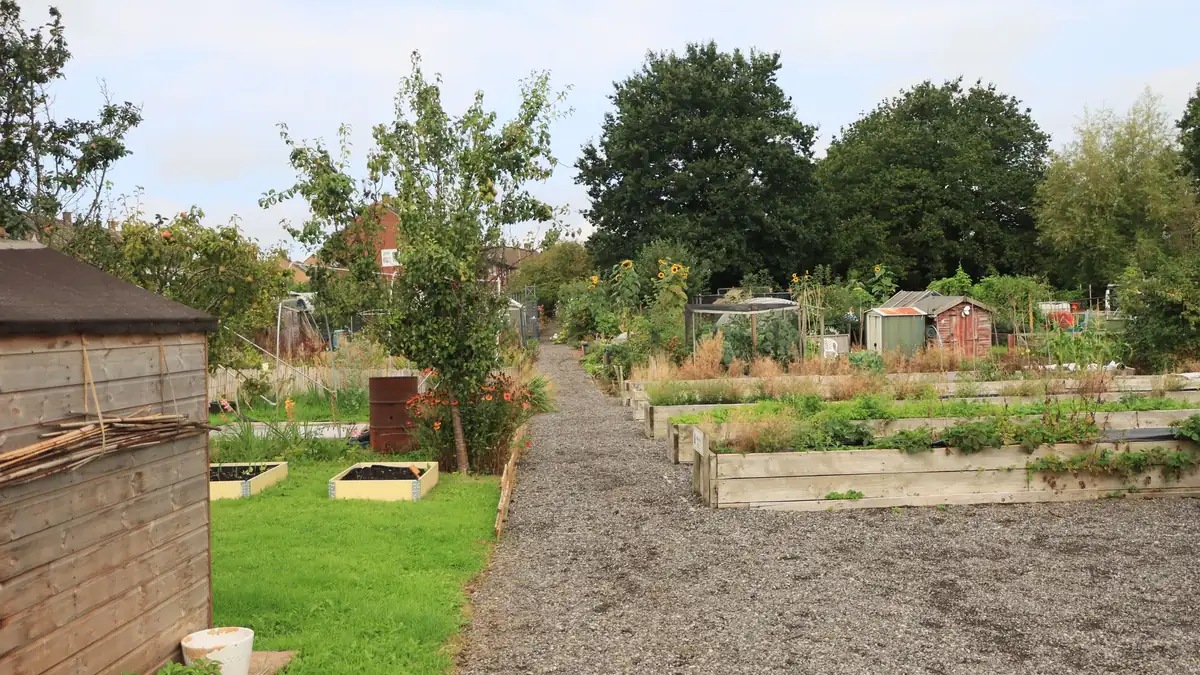
Many cities hold vacant lots that are not yet sold or built on. An adopt-a-lot or garden license program lets residents use one temporarily as a garden or green space while it waits. The programs go by different names, such as adopt-a-lot, vacant lot lease or community garden license, so search your city’s website for those terms. Pittsburgh’s program was created in 2015 and calls itself a temporary use program; the city says it has facilitated over 200 adoptions.
Because the lot stays city property, the agreement sets the limits. For the wider picture of buying, leasing and other routes, see our land access guide.
One example in detail: Pittsburgh
The City of Pittsburgh page (updated October 23, 2026) offers three agreement types:
| Agreement | Term and who | Fee and insurance | Selling and structures |
|---|---|---|---|
| License | 1 year. One household. Flower and edible gardens. | No fee. Insurance not needed. | No sales or donations on site; off-site donations allowed. Only temporary fencing and raised beds. |
| Lease | 1–3 years. Community involvement permitted. All approved uses. | No fee. Insurance required. | No sales on site; off-site donations allowed. Temporary structures allowed. |
| Market stand or vending lease | 1–3 years. Community involvement permitted. On-site vending. | $25 fee. Insurance required. | On-site sales and donations allowed, up to $10,000 in revenue. Temporary structures allowed. |
Growers can enroll in Grow Pittsburgh’s group liability policy to meet the insurance requirement. Application and lease fees are waived, and so are zoning and building application fees, except a one-time $25 fee for on-site sales. The page does not state how much notice the city must give to end an agreement, so ask for that in the agreement.
Soil testing comes first
Pittsburgh requires a lead test for every lot it adopts out. Allegheny County Conservation District offers free testing once a site is approved as eligible. The results decide what you may do:
| Lead level | What the program allows |
|---|---|
| 0–150 ppm | No restrictions. |
| 151–400 ppm | “Clean Hands” policy, with paths covered by grass or mulch. |
| 401–1,000 ppm | Modified use (raised beds with barriers, no digging) or another lot. |
| Over 1,000 ppm | No use; the lot cannot be adopted. |
Our soil guide explains testing and contamination in general.
What you may and may not build
Pittsburgh’s page lists raised beds up to 3 feet high, sheds, pavilions and shade structures, cold frames, hoop houses, high tunnels, arbors, pergolas, trellises, fencing and benches as permitted. Temporary structures such as hoop houses, greenhouses and fencing need zoning approval. The list of prohibited items includes play equipment, tires, memorials, grills, stages, concrete slabs, paving, trees (other than temporary nurseries), chickens, ducks, bees, geese, amplified sound, art, electrical connections and signs. Poultry is allowed only next to the adopter’s own home or on combined lots of at least two acres, unless a variance is granted. These rules belong to Pittsburgh. Check what your city allows; our animals guide covers hens and bees.
Another model: New York City’s GreenThumb license
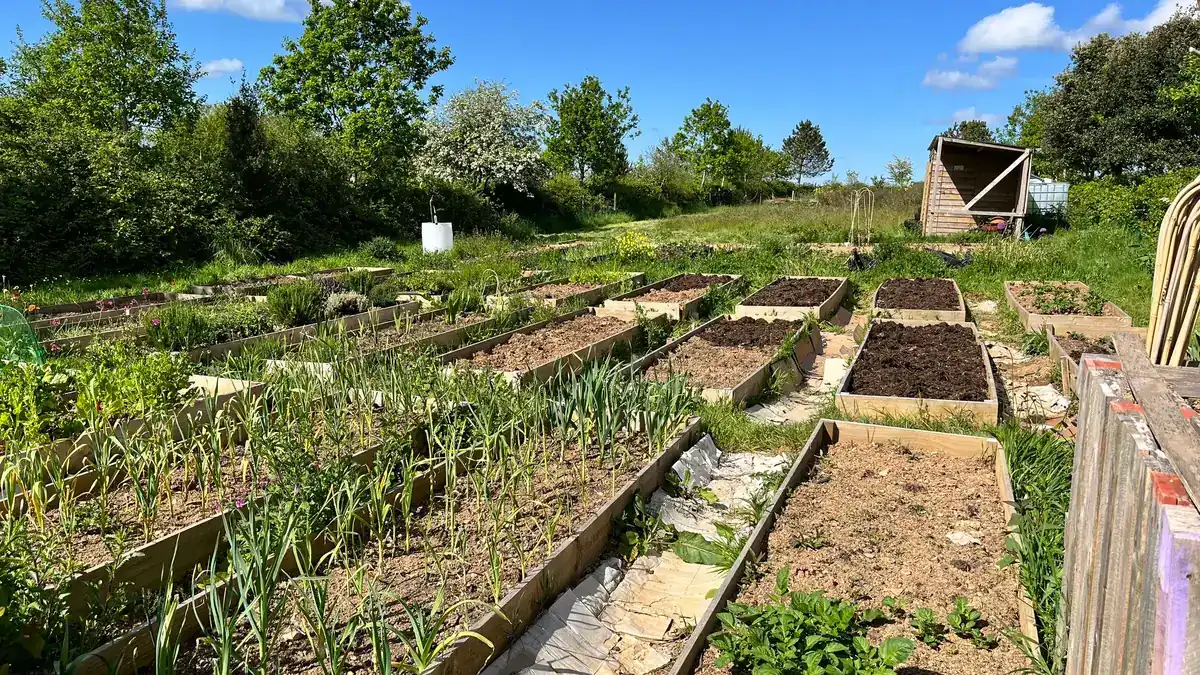
NYC’s license (2019 form; the current version may differ) is for a community garden run by a group. It says no land is leased, lets the Parks Commissioner end it at will on 60 days’ written notice, and requires the garden to be open to the public at least 20 hours a week from April 1 to October 31. Vegetables and fruit must be grown in raised beds with barriers, and commercial use is not allowed except approved produce sales that support the garden. Compare this with Pittsburgh: both are short-term, revocable arrangements, but the conditions are different.
Steps to apply
- Does your city have an adopt-a-lot, vacant lot or garden license program?No or unsure: ask the planning or parks department. Yes: go to step 2.
- Is there a lot that is available and eligible?Use the city’s map or intake form; Pittsburgh asks you to confirm eligibility first. Go to step 3.
- Can you describe the project?Prepare a narrative, site photos, a site plan, a budget and a maintenance plan. Go to step 4.
- Is the soil tested and the insurance arranged (if required)?No: test and arrange it before you sign. Yes: go to step 5.
- Did you read what the agreement says about ending, building and selling?No: ask the city to explain it first. Yes: sign, and keep a copy.
Questions to ask the city
- How long is the agreement, and how much notice will you get to end it?
- Is insurance required, and is there a group policy you can join?
- What soil testing is needed, and what happens at higher lead levels?
- What may you build, and may you sell or donate produce?
- Who pays for water, and what must you leave behind when the term ends?
Frequently asked questions
What is an adopt-a-lot program?
A city program that lets residents use a vacant city-owned lot for a garden or similar project under a temporary license or lease. The city keeps ownership.
Does adopting a lot let me own it?
No. Pittsburgh states that a lease or license does not guarantee future ownership and that access lasts only for the term of the agreement.
Is it free?
It depends on the city. Pittsburgh charges no application or lease fee, except $25 for a market stand lease. Other cities charge other fees or none.
Can I sell vegetables from an adopted lot?
In Pittsburgh, not under a license or lease; a separate market stand lease allows on-site sales up to $10,000 in revenue. Check your own city’s rules.
Do I need to test the soil?
Pittsburgh requires a lead test for every lot, with different use limits at different levels. Many programs ask for testing, so plan for it.
Can I keep chickens or bees on an adopted lot?
In Pittsburgh they are on the prohibited list, with a narrow exception for poultry when you live next to the lot or the combined lots total at least two acres. Other cities differ.
Official sources
- City of Pittsburgh: Adopt-A-Lot Program (page updated October 23, 2026)
- NYC Department of Parks & Recreation: GreenThumb Community Garden License (2019 form)