
Do I Need a Permit for a Shed, Greenhouse or Chicken Coop?
Why the answer is local
There is no federal building permit for a backyard structure. Building rules come from model codes, mainly the International Residential Code (IRC) for houses and their accessory structures and the International Building Code (IBC) for other buildings. A model code has no legal force by itself. It applies in a state, county or city only after that government adopts it, often with its own amendments and often an edition or two behind the newest one. That is why two neighboring towns can give opposite answers about the same shed.
Two layers of rules usually apply. The building code covers safety: structure, wind and snow, electrical, plumbing, fire. Zoning covers where and how you may build: setbacks from property lines, height, lot coverage and what a property may be used for. Being exempt from one does not exempt you from the other. See our guide to planning and zoning for the second layer.
At a glance: when permits usually come up
| Project | What the sources we checked say |
|---|---|
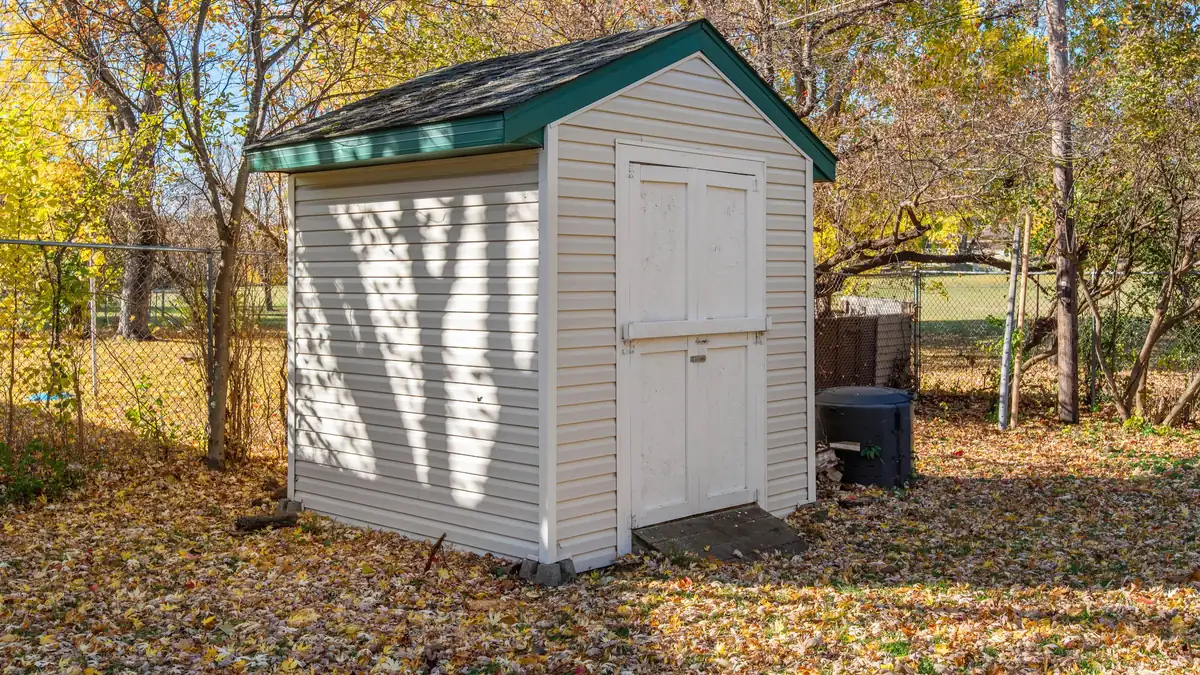
| Shed, one story, up to 200 sq ft | No building permit under the model IRC and in places like Sudbury, MA and Larimer County, CO. Zoning setbacks still apply. Boulder County, CO uses 120 sq ft. |
| Shed over 200 sq ft | Building permit and larger setbacks (Sudbury, MA: 20, 30 and 40 feet). |
| Greenhouse | Treated as an accessory structure in many codes, so the same size, height and utilities limits apply. Boulder County: up to 120 sq ft, 12 feet high, no utilities. |
| Shade cloth or thin plastic cover | Larimer County exempts agricultural buildings built from shade cloth or poly roofing no thicker than 6 mil, with no public access. |
| Chicken coop | Often grouped with sheds for the building permit (Boulder County lists coops with sheds and greenhouses). Many cities also regulate keeping hens separately. |
| Raised garden bed | Varies. Clarkson Valley, MO requires a permit; Grosse Pointe Woods, MI regulates only where beds may go. |
| Fence | Model IRC exempts fences up to 7 feet; Federal Way, WA lists 6 feet; Orlando says a permit may be required. |
| Rooftop garden | Depends on roof strength. New York City requires a filing for green roofs. |
What the model code says
Section R105.2 of the 2021 IRC lists work that needs no permit. For buildings it includes one-story detached accessory structures, other than storm shelters, if the floor area does not exceed 200 square feet; fences not over 7 feet high; retaining walls not over 4 feet, measured from the bottom of the footing to the top of the wall, unless they support a surcharge; and decks up to 200 square feet that are not more than 30 inches above grade, not attached to a dwelling and not serving a required exit door. The section adds that an exemption does not allow work that violates the code or any other law or ordinance of the jurisdiction.
We read that text as reproduced by a county building department, and we could not open the 2024 edition, so check which edition your jurisdiction has adopted.
What decides whether you need a permit
- Size and height. The most common trigger. Thresholds of 200 and 120 square feet both appear, and some places add a height limit.
- Utilities. Electrical, plumbing and gas work can need separate permits even when the structure itself does not. Larimer County notes that permit-exempt agricultural buildings may still need electrical, gas or heating permits, and Orlando asks for electrical and plumbing permits for shed lights, outlets and sinks.
- Public access. Larimer County says buildings for growing or storage get lighter requirements, but once the public is invited in, a building must meet exit, fire safety, accessibility and public health codes like any store.
- Wind, snow and flood. Orlando requires anchors or straps on sheds that do not meet the city wind speeds and extra review in a floodplain. Larimer County requires an engineer-stamped design outside certain wind and snow limits.
- Location. Historic districts, special plan areas and homeowners associations can add approvals. Check your HOA covenants too.
- Change of use. Turning a shed into a stand, class space or workshop usually changes the answer.
Three examples
These show how much the rules differ.
| Place | Exempt from a building permit | Other points | Source date |
|---|---|---|---|
| Sudbury, Massachusetts | Shed of 200 sq ft or less and no longer than 16 feet | Over 200 sq ft needs a permit. Setbacks: 5 feet from side and rear lines and 40 feet from the front for small sheds; 20, 30 and 40 feet for larger ones. Corner lots have two front lines. | Updated April 5, 2023 |
| Larimer County, Colorado | Agricultural buildings under 200 sq ft, or built from shade cloth or poly roofing up to 6 mil, with no public access | The limit was 120 sq ft until the 2021 codes. Greenhouses used only for growing have lighter requirements, but they and silos need engineering. Public access or a new use triggers a permit. | Updated January 2026 |
| Orlando, Florida | The city’s guide names no size exemption for sheds | A building permit is required for a shed. A Notice of Commencement is required above $5,000. Prefabricated sheds need a final inspection, field-built sheds four inspections. Fences may need a permit. | No date shown |
Sudbury and Larimer County follow the 200 square foot idea but with local conditions. Orlando asks for a permit for every shed, which shows why a general rule cannot replace a call to your city. The Orlando guide says nothing about greenhouses.
How to find your rules in 15 minutes
- Search the name of your city or county with “building permit shed” or “accessory structure.” If you live in an unincorporated area, look for the county.
- Find the size, height and utilities limits for an accessory structure, and whether greenhouses and coops count as one.
- Look up your zoning district and its setbacks, height and lot coverage limits.
- Check your HOA covenants, historic district status and floodplain mapping.
- Call or email the building department with the questions below and note the name of the person and the date.
- Which code edition and local amendments do you enforce?
- What size and height of accessory structure needs no building permit, and does it apply to a greenhouse, hoop house or coop?
- Do setbacks, lot coverage or other zoning limits apply to my lot?
- Will electrical, plumbing or gas work need its own permit?
- What drawings and site plan do you need, and what are the fee and review time?
Do I need a building permit? A step-by-step check
Answer each question in order. A “yes” at any step means ask the building department before you build.
- Will it have electricity, plumbing, gas or heat?Yes: expect trade permits and probably a building permit. Go to step 5. No: go to step 2.
- Is it larger than your local exempt size (200 square feet in the model code, 120 in some places)?Yes: a building permit is likely. Go to step 5. No: go to step 3.
- Will the public come inside (a farm stand, classes, sales)?Yes: it is treated as a commercial use with stricter codes. Go to step 5. No: go to step 4.
- Is it more than a simple cover, or taller than your local height limit?Yes: ask. A permanent structure, or a greenhouse taller than the local limit, may need a permit. No: go to step 5.
- Does zoning allow it where you want to put it (setbacks, lot coverage, use) and does your HOA allow it?Always check this, even when no building permit is needed. If you cannot answer, call the building or planning department.
Special cases
Greenhouses and hoop houses
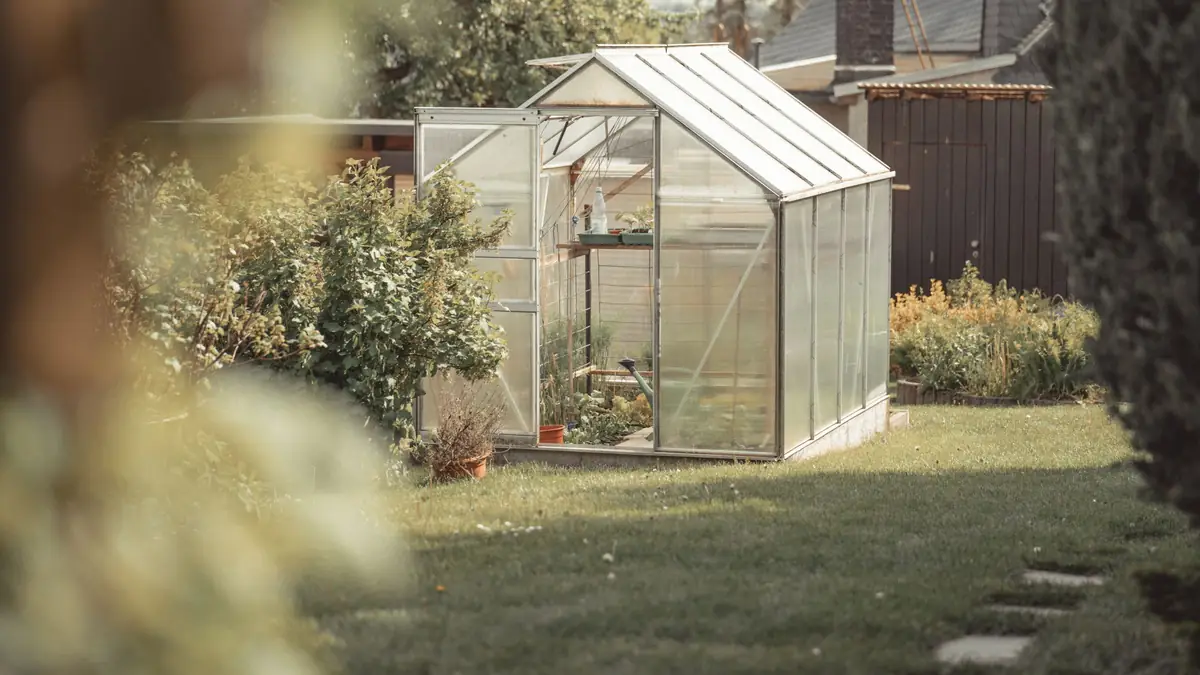
If you are asking “do I need a permit for a greenhouse,” first check whether your jurisdiction treats it as an accessory structure. Boulder County, Colorado exempts greenhouses with sheds and coops if the floor area is no more than 120 square feet, the height no more than 12 feet and there are no utilities, and it limits how many such structures you can have on a parcel. Larimer County lists greenhouses among agricultural buildings. Beyond the exemption, greenhouses often need engineering because the model code has no ready-made construction rules for them. A permit for a greenhouse or hoop house is usually triggered by size, by heating and electricity, or by selling to visitors.
Chicken coops
A chicken coop permit question has two parts. The building permit follows the same size and height rules as a shed, and Boulder County lists coops with sheds in its exemption. Many cities also regulate keeping hens, with limits on the number of birds and distance from neighbors, and some ask for a separate permit. Check both, and see our guide to animals and livestock.
Raised beds
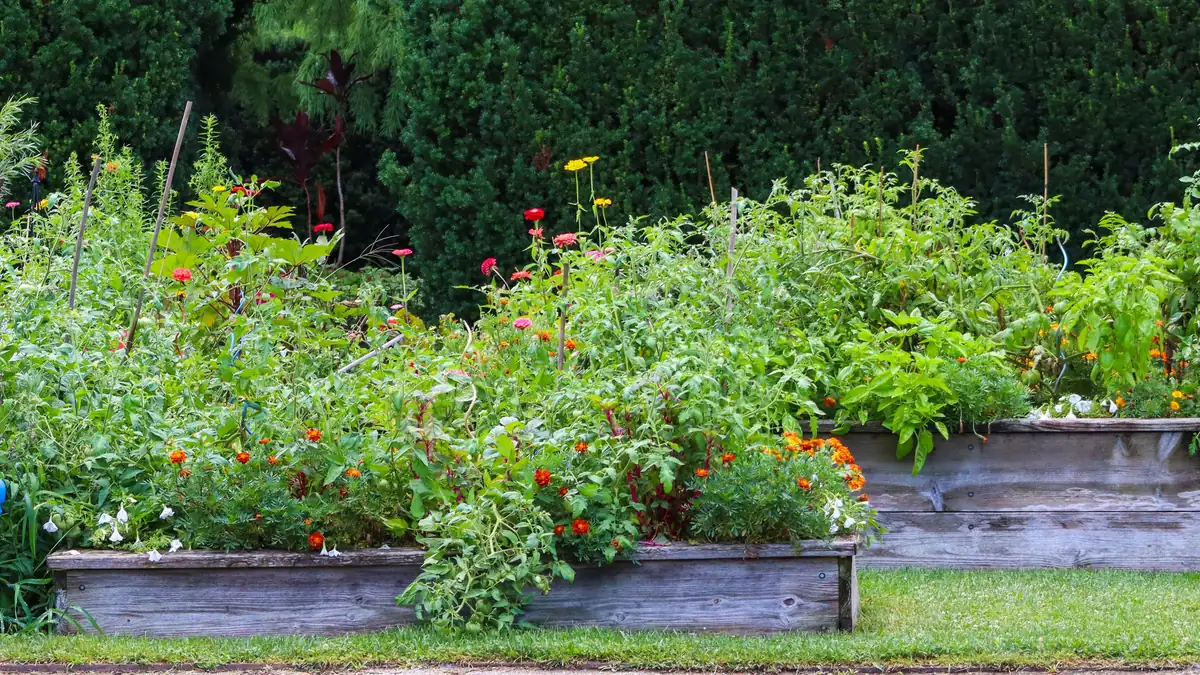
No single rule applies. Clarkson Valley, Missouri requires a building permit for a raised vegetable bed, limits its containment walls to 2 feet above existing grade and allows beds only in the rear yard. Grosse Pointe Woods, Michigan allows beds in the rear yard but not within the front yard setback, and its guide deals with zoning rather than a permit. If a bed holds soil with taller walls, a city may treat it like a retaining wall. The model code exempts retaining walls up to 4 feet measured from the bottom of the footing, unless they support a surcharge.
Rooftop gardens
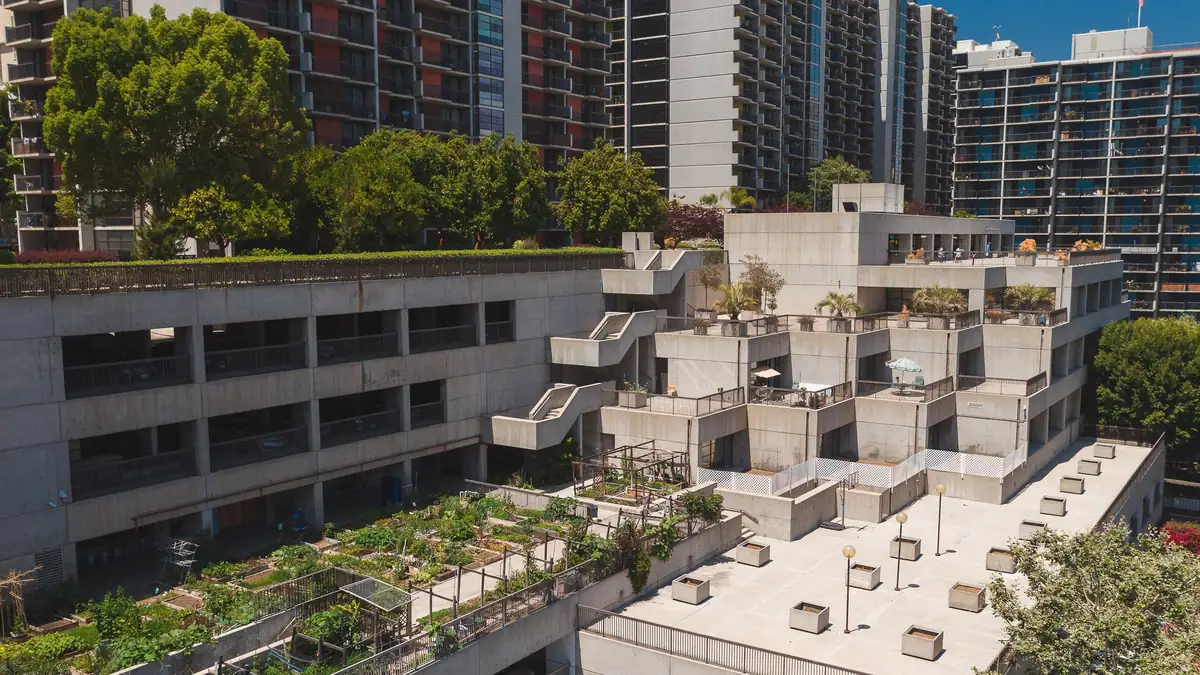
A roof garden adds the weight of wet soil, plants and people, and the roof must carry it. New York City requires green roof filings through its DOB NOW system, and its guidance warns that a green roof may add substantial weight. We did not find enough to state a general load figure, so ask the building department whether you need a structural review, and check your lease and insurance. For general background on roof and zoning rules, see our planning and zoning guide.
Frequently asked questions
Do I need a permit for a shed?
Often not for a small one, but it depends on your jurisdiction. The model IRC exempts one-story detached accessory structures up to 200 square feet, and Sudbury, Massachusetts and Larimer County, Colorado use that number, while Boulder County, Colorado uses 120 square feet and Orlando, Florida requires a permit for a shed. Setbacks apply either way.
Do I need a permit for a greenhouse?
If your local code treats it as an accessory structure, the same limits usually apply: Boulder County exempts greenhouses up to 120 square feet, 12 feet high, with no utilities. A larger or heated greenhouse, one with wiring or plumbing, or one open to customers will usually need a permit.
Do I need a permit for a chicken coop?
The building permit often follows the shed rules. Your city may also require a permit or limits for keeping hens, so ask both the building department and the city clerk or zoning office.
Do I need a permit for a raised bed?
Sometimes. Clarkson Valley, Missouri requires one, while Grosse Pointe Woods, Michigan only restricts where beds may go. Taller soil-holding walls can be treated as retaining walls.
Does a permit-exempt structure still have to follow zoning?
Yes. The model code says an exemption does not allow work that violates other laws or ordinances, and towns such as Sudbury set setbacks for sheds that need no permit.
What happens if I build without a permit?
It varies. Brooklyn, Wisconsin says fees can be doubled, a stop work order will be posted and you can be fined for each day the work is not in compliance. Carmel-by-the-Sea, California charges an investigation fee plus double permit fees when work starts before a permit is issued. A structure that does not meet zoning may have to be removed, as Grosse Pointe Woods says of some front yard structures, unless a variance is granted.
Official sources
- International Code Council, 2021 International Residential Code, Section R105.2 (Work exempt from permit), as reproduced by Grant County, Washington, Community Development
- City of Federal Way, Washington: residential permit exemptions (IRC R105.2)
- Town of Sudbury, Massachusetts, Building Department: “Do I need a permit for a shed?” (updated April 5, 2023)
- Larimer County, Colorado, Community Development: “Building Codes for Farmers, Ranchers and the Agricultural Community” (updated January 2026)
- Boulder County, Colorado, Building Safety: building permit requirements for accessory structures (2021 IBC, 2021 IRC and county amendments)
- City of Orlando, Florida: Residential Permitting Guide
- City of Clarkson Valley, Missouri: raised garden beds (Section 500.205)
- City of Grosse Pointe Woods, Michigan: Raised Garden Beds guide
- New York City Department of Buildings: green roofs and solar panels (DOB NOW filing since November 15, 2023)
- City of Brooklyn, Wisconsin, and City of Carmel-by-the-Sea, California: permit fees and stop work orders