
Rainwater Harvesting Laws in North Carolina
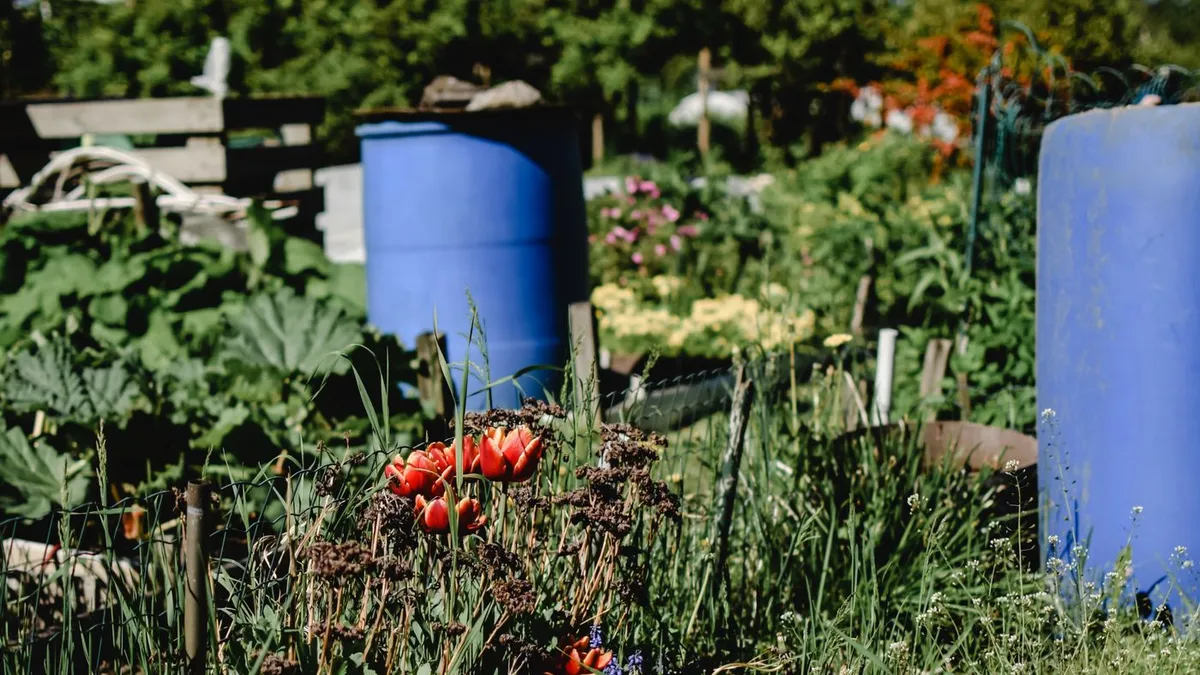
Is it legal to collect rainwater in North Carolina?
Yes, and the state has gone further than most by protecting cistern use in its building rules. The North Carolina Department of Environmental Quality (DEQ) explains that in 2009 the legislature passed Session Law 243, which authorized changes to the plumbing code to make cistern water usable in residential and commercial buildings. DEQ says the law prevents any state, county or local building code or regulation from prohibiting the use of cisterns for those applications.
North Carolina rules at a glance
- State law
- Session Law 2009-243 (“State Law 243” in DEQ’s wording) authorized plumbing code changes for cisterns and bars building codes from prohibiting cistern use in buildings, according to DEQ.
- Plumbing code
- The N.C. Building Code Council added Appendix C-1, Rainwater Recycling Systems, with requirements for rain water connections, the collection reservoir, filtration, overflow and makeup water for cisterns used to flush toilets and urinals.
- Why the code exists
- The requirements protect public health by making the water easy to identify as non-potable. DEQ says the appendix took effect immediately once State Law 243 was ratified, ahead of its printed January 1, 2011 date.
- Rain barrels
- DEQ describes barrels as usually about 60 gallons each, suited to homes and small buildings. Cisterns are larger, may be buried and usually have pumps.
- Outdoor use
- The sources we read give no state permit for a barrel that only waters a garden. The plumbing code applies when rainwater is plumbed into a building.
How much water you can expect
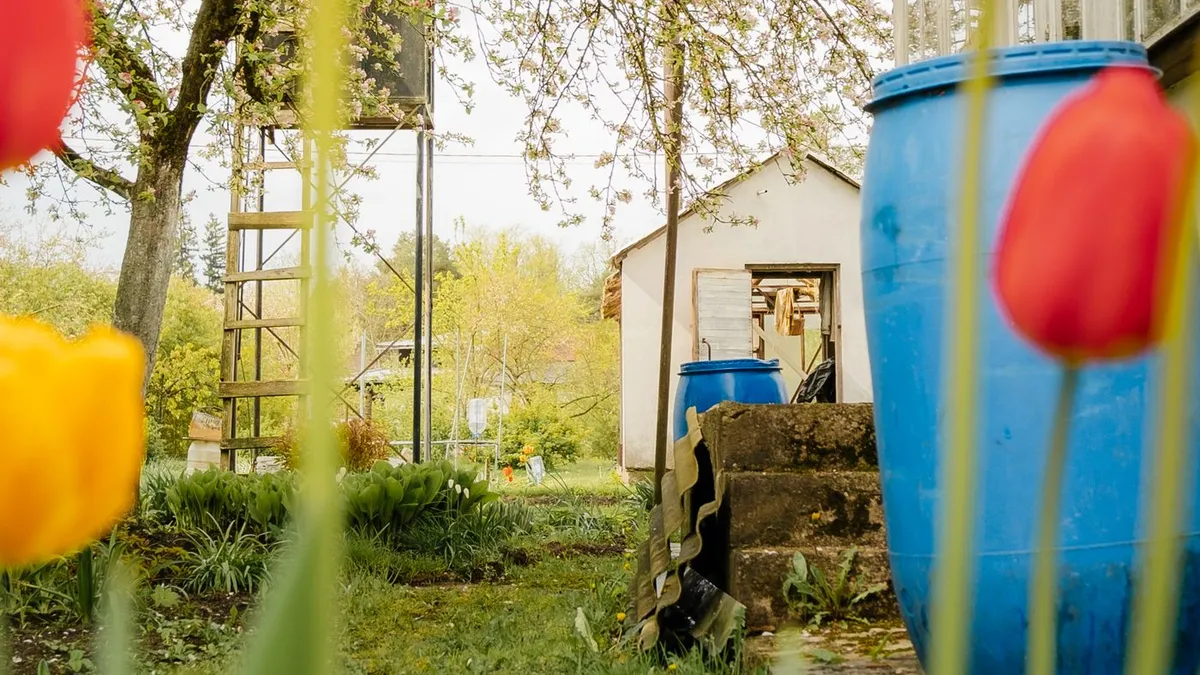
DEQ gives two numbers worth knowing. A 1-inch rain on 1,000 square feet of roof produces about 600 gallons of rainwater, and a quarter-inch rain is enough to fill the rain barrels on a typical American home. In practice a barrel helps with shrubs, containers and new plantings; a bigger garden needs a larger tank or several barrels linked together, as the Henderson County Extension office shows with barrels connected to a shed gutter.
What Extension says about uses
- North Carolina Cooperative Extension’s Henderson County Center lists watering gardens, washing vehicles and flushing toilets as uses of harvested rainwater, and says that with special treatment and plumbing it can even be the primary supply for a home or business.
- It says use of captured rainwater may be exempt from restrictions during a drought. Check with your own utility, because drought rules are set locally and we did not verify them.
- It says rain can add plant nutrients such as nitrogen and phosphorus to irrigation water.
Gardens, HOAs and local rules
- Permits. A barrel on a downspout usually needs none. A cistern, especially one that is buried or plumbed into a building, falls under the plumbing code and local permits. Ask your city or county building department. See building codes.
- Homeowners associations. State Law 243 is about building codes and regulations. We did not verify whether a North Carolina statute limits associations on rain barrels, so read your declaration; see homeowners associations.
- Keep rain separate from drinking water. See water meters, hookups and backflow preventers.
- Stormwater. Cisterns also cut runoff from roofs. DEQ’s stormwater program treats rainwater harvesting as a stormwater control measure; see stormwater fees and irrigation runoff for credits some cities give.
- Selling produce. Think about the water on the crop. See irrigation water quality and food safety, and North Carolina cottage food law if you also sell foods you make.
Checklist before you install in North Carolina
- Decide the use: garden watering from a barrel, or a cistern plumbed to flush toilets (which brings Appendix C-1 into play).
- Screen the inlet and overflow so mosquitoes cannot get in, and keep a tight lid on the barrel.
- Label the barrel or outlet as non-potable and keep it separate from drinking-water plumbing.
- Place a barrel on a level, sturdy base; a full barrel is heavy.
- For a cistern, ask your building department about permits and use a licensed plumber for any connection.
- Check your HOA declaration, and ask your water utility about drought rules and barrel sales or rebates.
Frequently asked questions
Is it legal to collect rainwater in North Carolina?
Yes. DEQ describes rainwater harvesting as a way to reduce potable water use, and Session Law 243 of 2009 protects cistern use in buildings from being prohibited by state, county or local building codes.
Do I need a permit for a rain barrel in North Carolina?
The sources we read do not require one for a barrel that waters a garden. A cistern, especially one plumbed into a building, falls under the plumbing code and local permits, so ask your building department.
What is Appendix C-1 of the North Carolina plumbing code?
It is the Rainwater Recycling Systems appendix added by the N.C. Building Code Council, with requirements for connections, the collection reservoir, filtration, overflow and makeup water for cisterns used to flush toilets and urinals.
Can I use rainwater for toilets in North Carolina?
Yes, with a system built to the plumbing code, Appendix C-1. Use a licensed plumber and your local building department.
Can I drink rainwater in North Carolina?
The appendix we read covers toilet and urinal flushing and requires the water to be identifiable as non-potable. Do not drink untreated stored rain.
Can I use harvested rainwater during a drought?
Extension says its use may be exempt from drought restrictions. Rules are local, so check with your water utility.
Can an HOA ban rain barrels in North Carolina?
We did not verify a statute on this. State Law 243 concerns building codes and regulations. Read your declaration and ask your board.
Rainwater laws in other states
Rules differ a lot from state to state. Our other state guides, with the general rainwater harvesting laws overview:
Official sources
- North Carolina Department of Environmental Quality, Division of Water Resources, Rainwater Harvesting (Save Water NC page describing State Law 243, Appendix C-1 and barrel and cistern sizing)
- North Carolina Cooperative Extension, Henderson County Center, Collecting Rainwater at Home (June 2021)
- Session Law 2009-243 and Appendix C-1 of the N.C. Plumbing Code, as described by DEQ
- Not checked for this page: the text of Session Law 2009-243 and the current edition of Appendix C-1 (the legislature’s site refused our request), local permit rules, drought restriction rules, any statute on homeowners associations and rain barrels, and the DEQ stormwater manual chapter on rainwater harvesting