
North Carolina Cottage Food Law (2026): Home Processor Inspection, Foods and Labels
At a glance
- License or permit
- No permit is issued, but your home kitchen must be inspected by NCDA&CS before you sell anything made there
- Fee
- The NCDA&CS page does not list a fee
- Annual sales limit
- The NCDA&CS page does not state a dollar limit
- Allowed foods
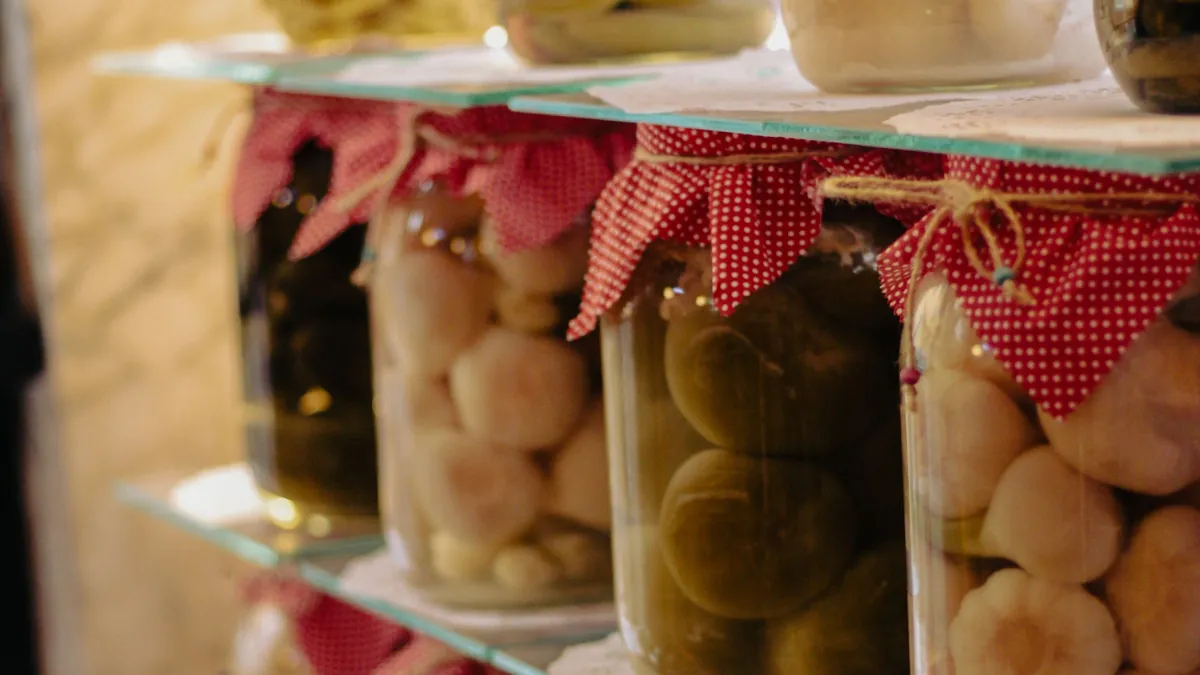
- Low-risk, shelf-stable foods that need no refrigeration or freezing, such as baked goods, jams, jellies, candies, dried mixes and spices, and some acid or acidified foods
- Not allowed
- Refrigerated or frozen foods, low-acid canned foods, dairy, seafood, bottled water and juice, and bakery items with cream or cream cheese fillings
- Where you can sell
- The page names sales to consumers, retailers, restaurants and wholesale, and shipping by USPS or FedEx
- Training required
- Only an Acidified Food Course, and only if you make acidified foods
Who the North Carolina Home Processor program covers
NCDA&CS requires inspection of a home kitchen before you sell food made there, whether you sell to consumers, retailers or restaurants. The kitchen must be in your home. A separate garage, basement or outbuilding does not qualify and is treated as a commercial facility. NCDA&CS also says a pet that enters the home at any time, even only at night, disqualifies the kitchen, and it cites federal rule 21 CFR 117, subpart B.
What you can sell
| Food | Allowed? |
|---|---|
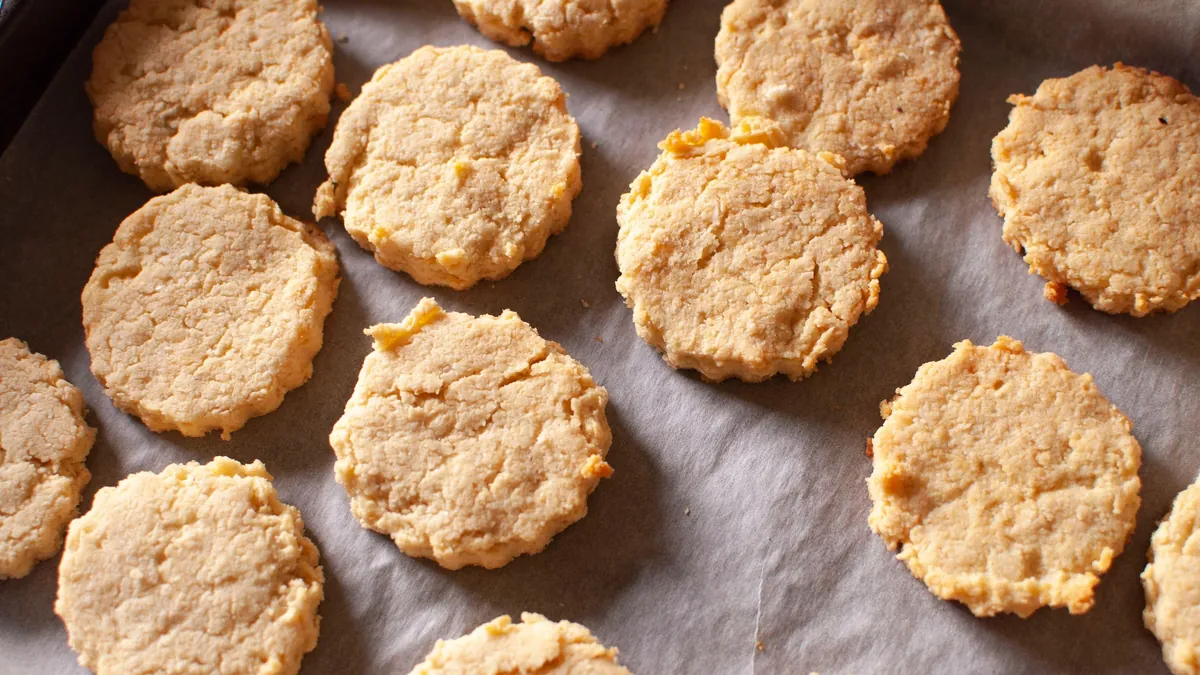
| Baked goods that do not need refrigeration | Yes |
| Jams, jellies and preserves | Yes |
| Candies and freeze-dried candies | Yes |
| Dried mixes and spices | Yes |
| Some drinks, such as iced tea, coffee and lemonade | Conditions listed as some liquids; check with NCDA&CS |
| Some sauces | Evaluation must first be evaluated for shelf stability |
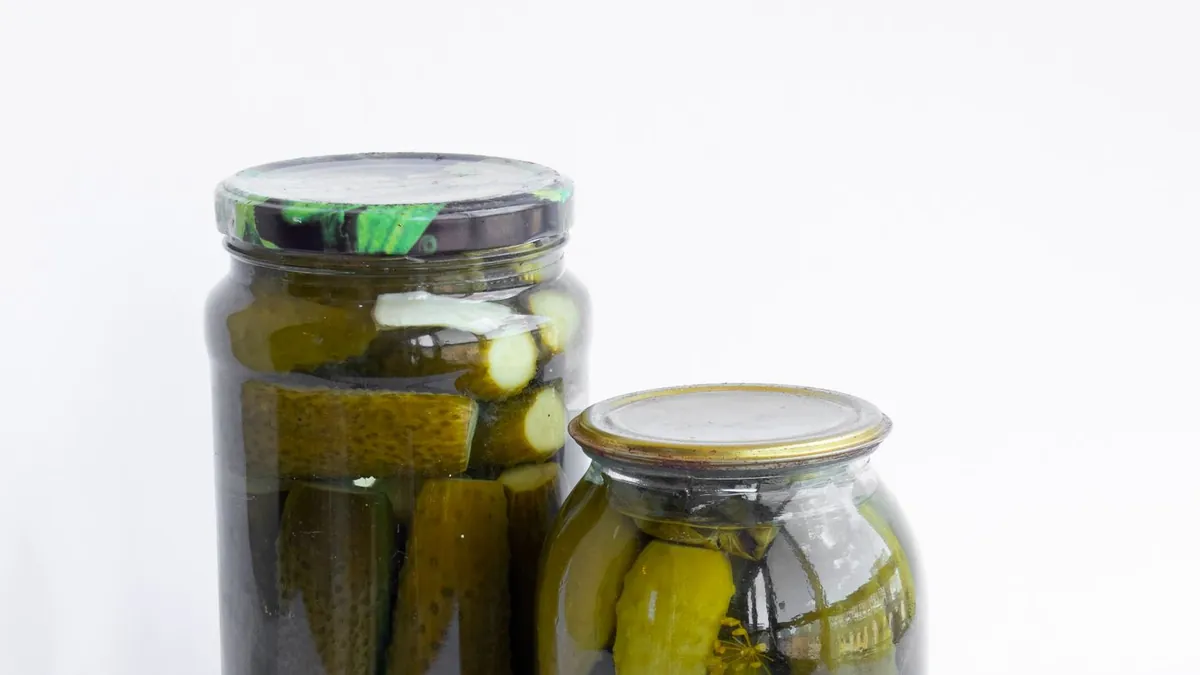
| Acid and acidified foods, such as pickles and barbecue sauce | Extra steps may need testing and an Acidified Food Course |
| Moist breads, some pies and cream cheese frostings | Testing may need pH or water activity testing |
| Refrigerated or frozen products | No |
| Low-acid canned foods, such as jarred fruits and vegetables | No |
| Dairy products and seafood | No |
| Bottled water and juice | No |
| Bakery items with cream or cream cheese fillings, and cheesecakes | No |
How to register and get inspected
- Confirm that your product is low risk. Ask NCDA&CS if you are unsure.
- Make sure no pets come into your home.
- Check that your kitchen meets state rules: smooth, easily cleaned food-contact surfaces, no pests, a kitchen sink used only for food preparation with a separate sink for handwashing, refrigerator and freezer thermometers, waste going to a sewer or septic system, and shatter-proof or shielded light bulbs.
- Check local rules with your county planning or zoning department, your HOA or your landlord.
- Show your water source. For city water, send a recent water bill or a letter from whoever pays it. For a private well, send coliform and E. coli results dated within one year, from a certified tester, not a store-bought kit.
- Send a business plan that names every product, with full ingredients and suppliers, storage plans, production flow, how you will transport the food and where you might sell it.
- Email the application to NCDA&CS or mail it to the address on its page, then wait for scheduling. A food regulatory specialist typically makes contact in about 8 to 12 weeks.
NCDA&CS does not issue a permit. The inspector looks at the kitchen, the storage areas and the outside of the home for places pests could enter, then gives you an inspection report and a Notice of Inspection. Major violations can disqualify you, and later violations can lead to action by local, county, state or federal agencies. Some products need pH or water activity testing, with the result sent as a process authority letter along with your application.
North Carolina cottage food label requirements
A label is required if you package food for self-service, sell to retailers, distributors or restaurants, or ship by USPS or FedEx. It must show:
- the product name;
- the manufacturer’s name and address;
- the net weight in ounces or pounds and the gram equivalent;
- a complete list of ingredients in order of predominance by weight;
- allergens (milk, egg, tree nuts, wheat, soy, peanuts, sesame, fish and shellfish) in the ingredient statement or in a “Contains” statement.
A nutrition label is not required unless you make a claim such as low fat or sugar free. Packaging must be food grade. Products you hand directly to the consumer on demand, such as home pickup, delivery to a consumer or delivery to a special event, are exempt from affixed labels, and farmers market sales may be exempt if you hand the product to the customer directly. Ingredient information must still be available on request.
123 Sample Street, Anytown, NC 00000
Where you can sell
NCDA&CS says the inspection covers sales to retailers, restaurants and consumers, and labeling rules apply to products sold wholesale or shipped by USPS or FedEx. The page does not list online sales or out-of-state shipping as separate rules, so ask NCDA&CS how they apply to your plan.
Business requirements outside the program
- A Sales and Use Tax number (form NC-BR) is required for sales. If you have employees, you also need a federal EIN and a North Carolina withholding number.
- Sole proprietors and partnerships file a Certificate of Assumed Name with the county Register of Deeds. LLCs and corporations register with the North Carolina Secretary of State.
- Some retailers ask for UPC codes.
Training and insurance
The only training NCDA&CS mentions is the Acidified Food Course, which may be required for acidified foods. Product liability coverage is worth considering, and some markets ask for it. See our guide to liability, risk and insurance.
Local rules and HOAs
Check with your county planning or zoning department before you apply. Private rules apply too, so check your HOA covenants and lease. For general background, see our planning and zoning guide.
Frequently asked questions
Can I sell food from home in North Carolina?
Yes, if your home kitchen passes an NCDA&CS inspection and you make only low-risk, shelf-stable foods that are on your approved plan.
Do I need a license to sell baked goods from home in North Carolina?
NCDA&CS does not issue a permit, but it does inspect your kitchen before you sell. Apply with a business plan and wait for an inspector to schedule a visit.
Is there a sales limit in North Carolina?
The NCDA&CS page does not state a dollar limit.
Can I sell pickles or sauces?
Possibly. Acid and acidified foods are allowed with extra steps. They may need testing and an Acidified Food Course, so call NCDA&CS before you begin.
Can I have a pet at home?
No. NCDA&CS says a pet that enters your home at any time disqualifies the kitchen.
Do I need a label on everything?
Not always. Products you hand directly to a consumer on demand are exempt from affixed labels, but ingredient information must be available. Products sold wholesale or shipped need a full label.
Note on conflicting sources
Many guides online say there is no sales cap, that NCDA&CS must approve your labels, or that a “home produced” disclaimer is required. We did not find those points on the NCDA&CS page, so we have not included them. Guides also disagree on online sales and shipping outside North Carolina. The 8-to-12-week timeline is NCDA&CS’s own estimate and may vary. Confirm current details with the Food and Drug Protection Division.
Official sources
- North Carolina Department of Agriculture and Consumer Services (NCDA&CS), Food and Drug Protection Division: Home Processor page and Application for Home Processor Inspection
- U.S. Food and Drug Administration (FDA): 21 CFR part 117, subpart B, and Food Allergies (FASTER Act, sesame)