
Irrigation Water Quality and Food Safety for Urban Farms
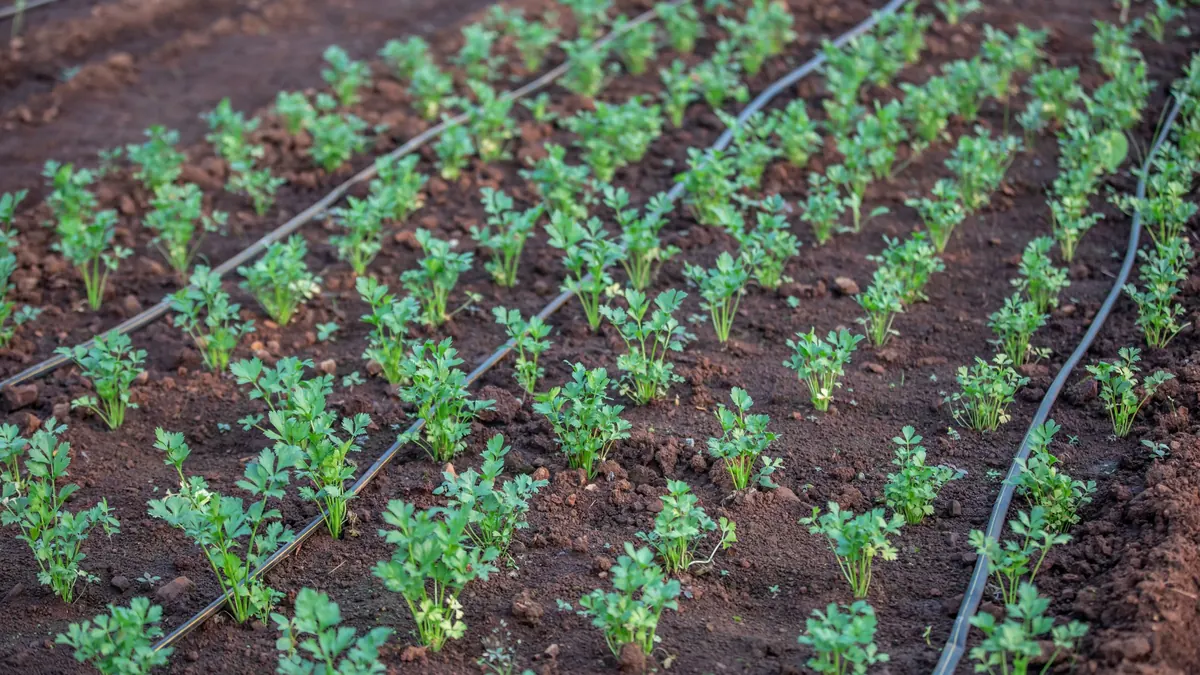
Which water is safe for food crops?
| Source | Main concern | Usual advice |
|---|---|---|
| City tap water | Low risk; treated to drinking water standards. | The default for small gardens. Needs a backflow preventer. |
| Private well | Bacteria, nitrates, metals or chemicals depending on the aquifer and well condition. | Test before first use and regularly; protect the wellhead; check local well rules. |
| Rainwater from a roof | Bird droppings, dust and roof materials. | Use on soil, avoid spraying edible leaves near harvest, keep barrels covered. See rainwater harvesting laws. |
| Pond, stream or canal | Runoff, animals and upstream pollution; also water rights. | Test; check rights and local rules; many food-safety plans restrict use close to harvest. |
| Greywater | Soap, salts, bacteria and viruses. | Allowed only in some places and usually not on edible parts. See greywater laws. |
| Reclaimed (recycled) water | Treated wastewater; quality depends on treatment level. | Ask the utility if it may be used on food crops and what signs and rules apply. |
Is your farm covered by the FDA Produce Safety Rule?
The Produce Safety Rule (21 CFR part 112) sets food safety standards for growing, harvesting, packing and holding produce that is usually eaten raw. Subpart E covers agricultural water. Whether it applies to your garden or farm depends on your sales and what you grow.
- Do you sell, trade or donate produce?A garden that only grows food for its own members is a different case from one that sells at markets or to restaurants. State rules may still apply. Go to step 2 if you sell.
- Are average annual produce sales $25,000 or less?A farm with average annual produce sales at or below $25,000, adjusted for inflation, over the previous three years is not covered by the rule. Check the current inflation-adjusted figure. If your sales are higher, go to step 3.
- Is it a qualified exempt farm?A farm with average annual food sales under $500,000 (adjusted for inflation) whose sales to qualified end-users (consumers, restaurants and retailers in the same state or within 275 miles) exceed its other sales can qualify for a limited exemption with modified requirements and records. Go to step 4.
- Are you covered by the rule?Then you must follow subpart E, including a written assessment of pre-harvest agricultural water.
- Are you still unsure?Ask your state department of agriculture produce safety program. State programs inspect farms and explain exemptions.
Even farms that are exempt or not covered often face buyer requirements, market rules and state law. Many markets and wholesale buyers ask for water test results or a food safety plan. See farm stands and farmers markets and food, agriculture and health.
The 2024 agricultural water rule
In May 2024 FDA finalized a revised rule on pre-harvest agricultural water for covered produce other than sprouts, effective July 5, 2024. It replaced the earlier microbial quality criteria and testing with a systems-based approach:
- a written pre-harvest agricultural water assessment must be done at least once a year, and again when a significant change raises the risk of contamination;
- the assessment looks at the water system, the practices, the crop and the conditions that affect contamination;
- management must review the written assessment and the decisions based on it;
- compliance dates were staggered by farm size, with later dates for small and very small farms.
This summary comes from FDA and extension descriptions of the rule. Read the rule text on the FDA website, or ask your state produce safety program, before you decide what your farm must do.
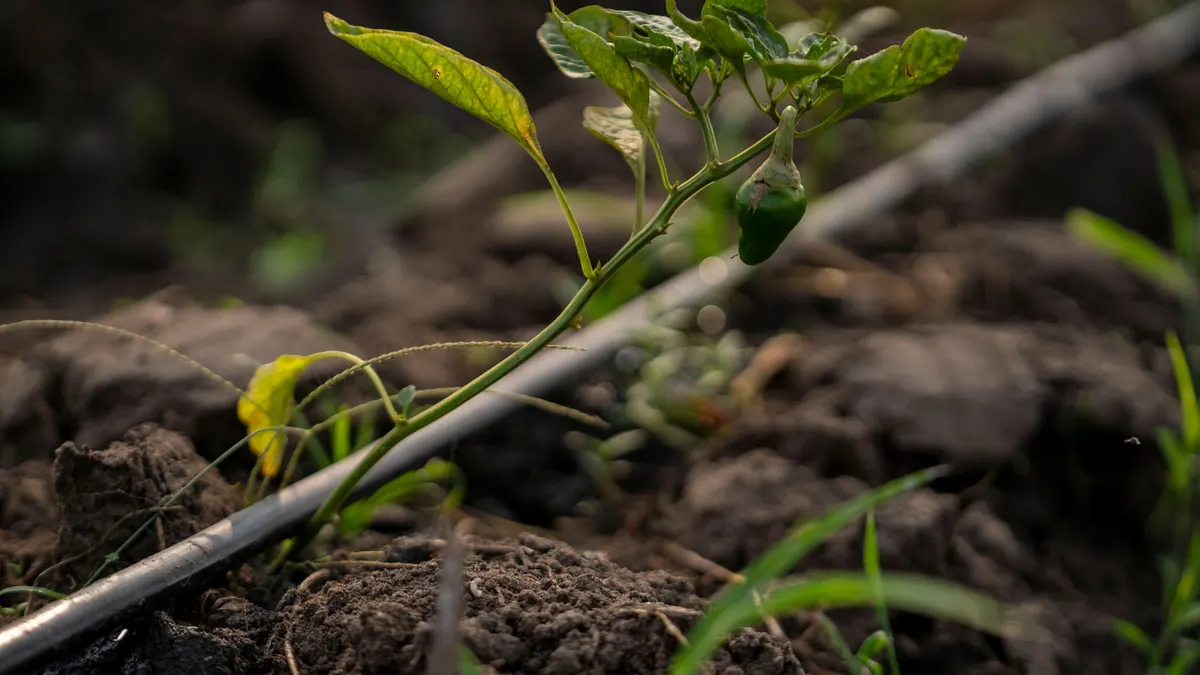
Testing your water
Testing is the best way to know what is in well, pond or rain barrel water. Steps:
- Choose a certified laboratory.Ask your county extension or state health department for a lab certified for drinking or irrigation water testing.
- Ask what to test for.For irrigation, labs often test generic E. coli and, for wells, nitrates and total coliform. Add metals if your site history or soil suggests it. See soil testing.
- Collect the sample as the lab instructs.Use the lab’s sterile container and keep it cool. Ship it quickly.
- Read the report and act.Ask the lab or extension to interpret it. If the water fails, change the source, add treatment or avoid using it on crops near harvest.
- Keep records and retest.Test at least yearly, and after floods, repairs or any change.
Reclaimed water on food crops
Reclaimed water is treated wastewater that some cities supply for irrigation, usually in purple pipes. Whether it may be used on food crops depends on the treatment level and state rules, and some utilities allow it only on non-food landscaping. Ask the utility three questions: what treatment level the water gets, whether it may be applied to edible crops and which signs and cross-connection rules apply. Do not connect reclaimed water to drinking-water plumbing.
Checklist for safe irrigation water
- Know the source of every drop you use on food.
- Use city water or tested water on crops close to harvest.
- Test wells, ponds and rain barrels at least yearly.
- Find out whether the Produce Safety Rule covers your farm.
- Keep the written water assessment and test records if you are covered.
- Protect wellheads and water sources from animals and runoff.
- Use drip or low-pressure irrigation to keep water off edible parts.
- Ask your market or buyer what water records they want.
Frequently asked questions
Is tap water safe for irrigating vegetables?
City tap water is treated to drinking water standards and is the safest default for gardens.
Can I use well water on my vegetables?
Often yes, but test it first and regularly for bacteria, nitrates and any metals or chemicals of concern in your area.
Does the FSMA Produce Safety Rule apply to my community garden?
It applies to covered farms that grow produce for sale. A farm with average produce sales of $25,000 or less (adjusted for inflation) is not covered. Check your state program.
What is the FSMA agricultural water rule?
Subpart E of the Produce Safety Rule. A 2024 revision requires covered farms to do a written annual pre-harvest assessment of their agricultural water.
What is the $25,000 exemption?
Farms with average annual produce sales at or below $25,000 over the previous three years, adjusted for inflation, are not covered by the Produce Safety Rule.
What is a qualified exempt farm?
A farm with average annual food sales under $500,000 (adjusted) whose direct sales to qualified end-users exceed other sales. It has modified requirements and records.
What water quality standards apply to irrigation water?
For covered farms, the Produce Safety Rule. Other states, buyers and markets may have their own requirements.
How do I test irrigation water?
Send a sample to a certified lab for generic E. coli and other tests it recommends, following the lab’s sampling instructions.
Can I irrigate vegetables with reclaimed water?
Only if the utility and state allow it for food crops. Ask what treatment level and signs apply.
Can I use pond or stream water?
It may be allowed, but test it and check water rights and local rules.
Can I use rainwater on vegetables?
Often yes on soil, with care about spraying edible leaves near harvest. Test if you sell produce.
Do farmers markets ask for water tests?
Some do. Ask your market manager and your buyers.
Official sources
- U.S. FDA, Standards for the Growing, Harvesting, Packing, and Holding of Produce for Human Consumption (21 CFR part 112, including sections 112.3 and 112.4 and subpart E)
- U.S. FDA, final rule on pre-harvest agricultural water (May 2024; effective July 5, 2024) and FDA exemption guidance for produce farms
- Your state department of agriculture produce safety program and county extension office
- U.S. EPA, Safe Drinking Water Act materials on private wells and drinking water standards
- Not checked for this page: the full text of 21 CFR part 112 and the 2024 rule, current inflation-adjusted exemption figures, state well rules and the rules for reclaimed water in any state