
Farm Stand and Farmers Market Rules: What Permits Do You Need?
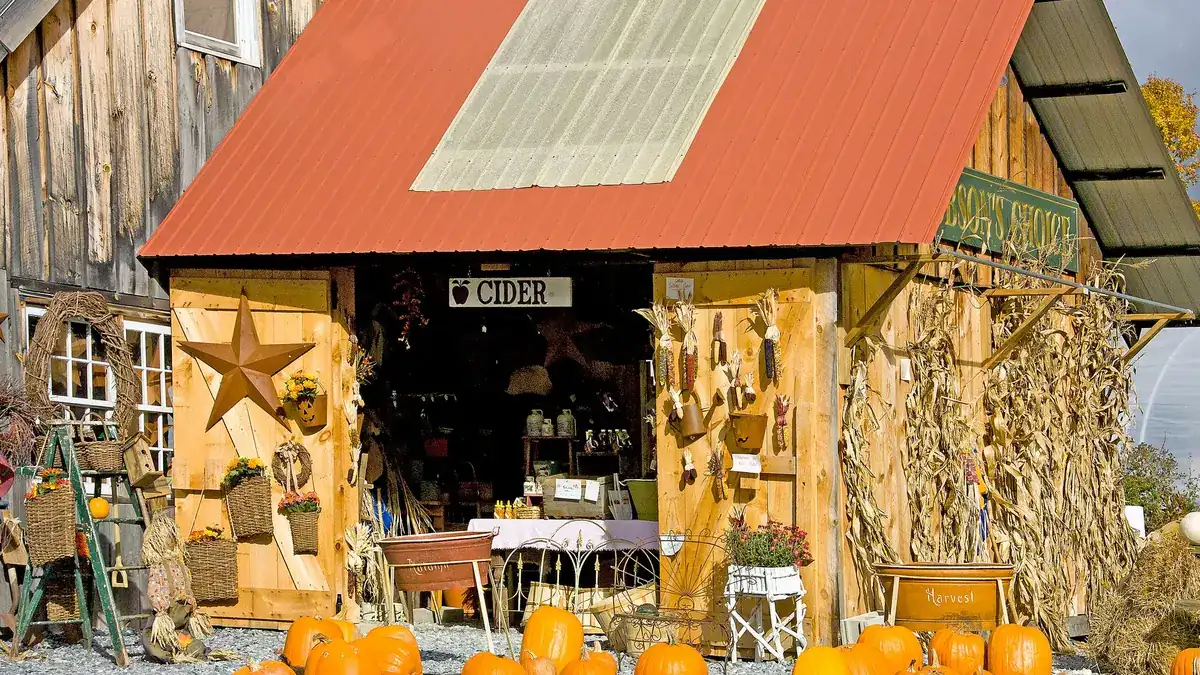
Two different questions
- Selling at a farmers market. The market is a private or city-run event with its own rules. Minneapolis puts it plainly: market managers decide which vendors take part. The state or city may also require a license or an exemption notice.
- Selling from a farm stand at your property. Your zoning code decides whether a stand is allowed, and building rules apply if you put up a structure. See our zoning guide and building codes guide.
The food rules for what you sell (license, labeling, handling) are in our food safety guide.
At a farmers market: what you may need
The City of Minneapolis (page updated August 26, 2026) lists the credentials that a vendor at its markets may need. It is a good picture of how many layers can apply to one seller:
| Your situation | What the city says |
|---|---|
| Most food vendors | A Minneapolis seasonal food vendor permit, valid April 1 to March 31, with a $257 annual fee. |
| Growers selling what they grew or raised | A “product of the farm” designation for items grown or raised on land you own or lease, with no off-farm ingredients added. You register with the market manager. |
| Home-made foods | Registration as a cottage food producer with the Minnesota Department of Agriculture makes you exempt from city permitting, if you meet the state law. |
| Whole or cut-up poultry from your own flock | Registration with the state as a poultry processor, with slaughter at a state-inspected facility. |
| Exempt under state law | Tell the market manager that you are exempt. |
Oregon shows a different design. The Oregon Department of Agriculture (page without a revision date) says farmers’ markets are not licensed as food establishments, but vendors still need a food license unless they qualify for an exemption. Together, the two examples show why you cannot assume a rule from one place applies in another.
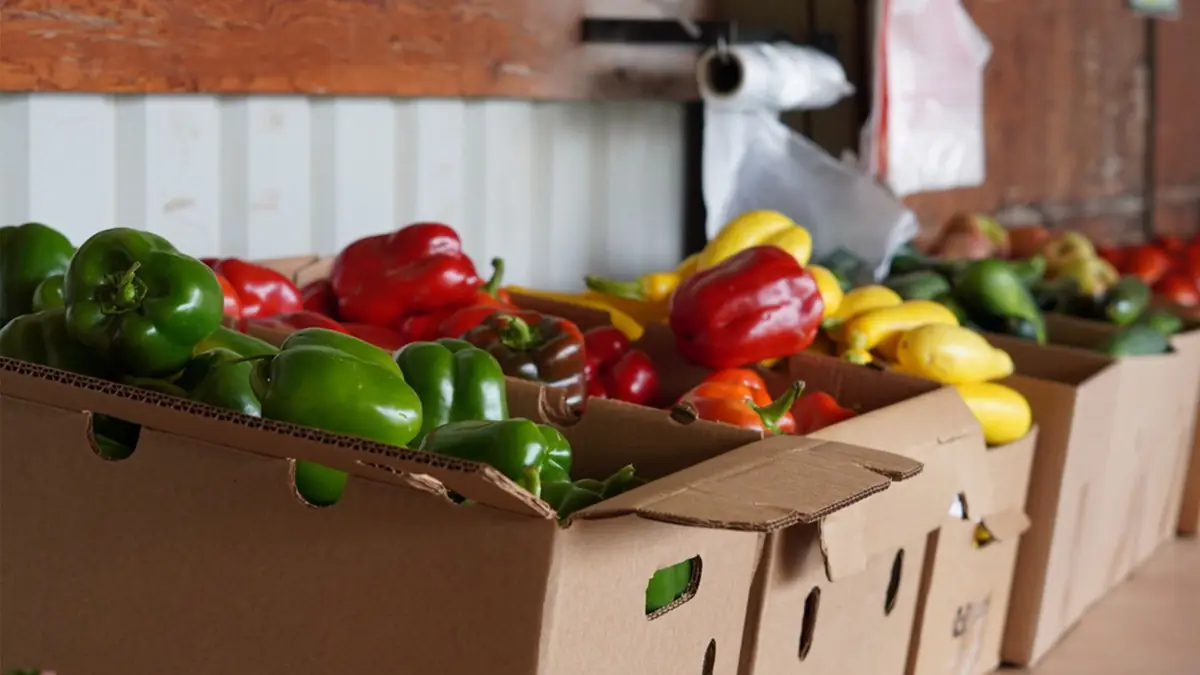
At your own farm stand: zoning comes first
City codes treat a stand differently from a market. Three examples show the range:
| City | Rule | Source |
|---|---|---|
| Seattle | For an urban farm in a residential zone, sales hours are 7:00 a.m. to 7:00 p.m., one sign up to 64 square inches, and no more than two vehicles up to 10,000 pounds. You may grow in the planting strip by the street, but you may not sell there. | SDCI Tip 244, updated May 27, 2022 |
| Raleigh | On-site sales from a community garden need a separate zoning permit, with a five-business-day review. Sheds and hoop houses may need building or zoning permits. | City page, no date shown, printed October 16, 2026 |
| Minneapolis | A farm stand is limited to 75 days per year. | Healthy Food Policy Project, March 2024 |
Rules can change when a code is amended, so read your city’s current text or ask its planning department.
A quick self-check
This is not a legal test. It shows what to ask first.
- Where will you sell?Market: go to step 2. Your own property: go to step 4.
- Did you ask the market manager for the vendor rules (application, fees, producer-only policy, insurance)?No: ask now. Yes: go to step 3.
- Did you check whether your state or city requires a license, registration or an exemption notice for your product?No: ask the state department of agriculture. Yes: you are ready to apply.
- Does your zoning allow sales from your lot, and under what limits (days, hours, signs, parking)?Not sure: ask the planning department. Yes: go to step 5.
- Do you need a building or zoning permit for the stand or shed?Yes or unsure: apply before you build. No: also check the food rules for your product.
What to ask before you sell
- Does the market require a permit, an application or a producer-only certification?
- Do I need a state or city license, or only an exemption notice, for my product?
- Does the market require liability insurance or name itself as an additional insured?
- Are sales at my property allowed, and with what hours, signs and days?
- Do I need a permit for a stand, table or shed?
Also consider liability insurance, and if you sell regularly, a business structure.
Frequently asked questions
Do I need a permit to sell vegetables at a farmers market?
It depends on the state and market. Some places license market vendors, others exempt growers of whole produce, and many markets add their own application. Ask the market manager and your state agency.
Can I sell from a table in my front yard?
Only if your city’s zoning allows it. Seattle limits hours and signs for urban farms in residential zones; Raleigh requires a zoning permit for on-site sales from a community garden; Minneapolis limits a farm stand to 75 days a year.
What does “product of the farm” mean?
In Minneapolis it is a designation for items you grew or raised on land you own or lease, with no off-farm ingredients. Other markets use similar “producer-only” wording, so ask how yours defines it.
Do markets require insurance?
Many do, but it is set by the market, not by a single law. Ask for the vendor agreement before you apply.
Can I sell eggs, honey or baked goods at a market?
Possibly, with product-specific rules. See our food safety guide and cottage food guide.
Official sources
- City of Minneapolis: Farmers market vendors (page updated August 26, 2026)
- Seattle Department of Construction and Inspections, Tip 244: Urban Agriculture (updated May 27, 2022)
- City of Raleigh: community garden page (no date shown, printed October 16, 2026)
- Healthy Food Policy Project: Zoning for Urban Agriculture (March 2024)
- Oregon Department of Agriculture, Food Safety Licensing: selling without a license (no revision date shown)