
Water Meters, Hookups and Backflow Preventers for Gardens
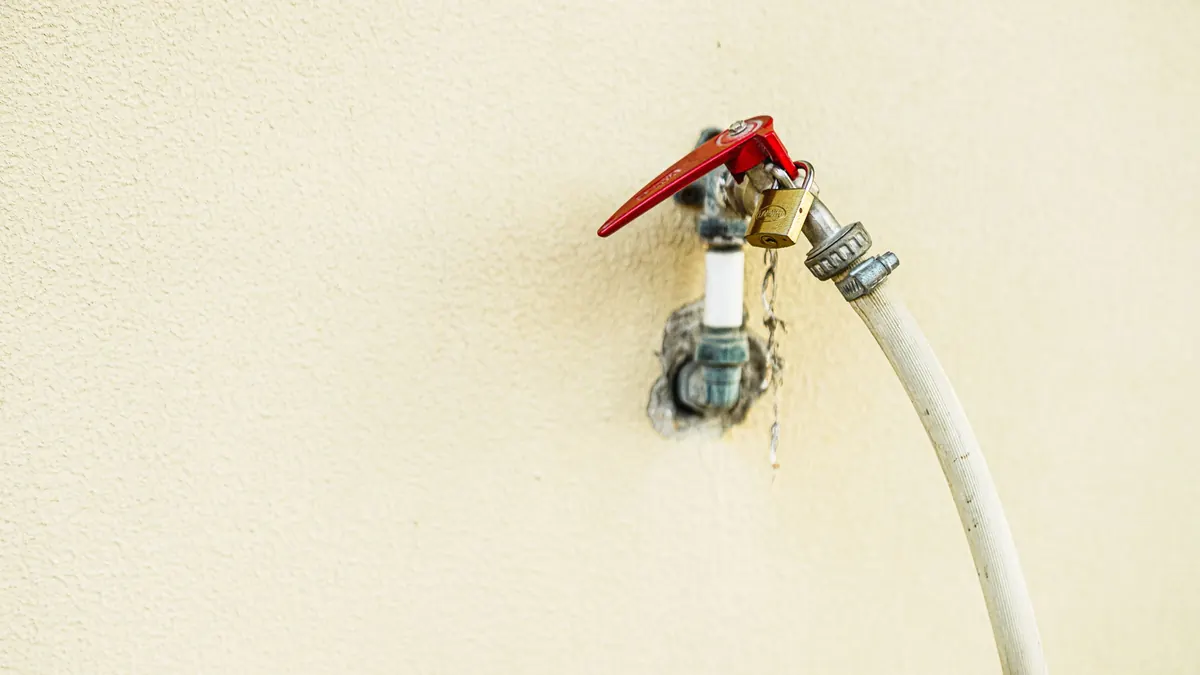
Steps to get a water meter or hookup
- Check who owns the lot and who can apply.Utilities generally want the owner or an authorized agent to apply. If the land belongs to a city, land bank or landlord, get written permission. See land access.
- Ask whether a service line and meter exist.Old vacant lots may have an abandoned or capped service. Ask the utility whether it can be reactivated, and in whose name.
- Request a written estimate.Ask for the connection or tap fee, meter fee, any system development or capacity fees, and the cost of digging and pipe from the main to the meter.
- Ask what the utility requires on your side.It may require a licensed plumber, a permit, a backflow preventer, a meter box or a pipe of a set size.
- Ask about timing.Installation can take weeks or longer. Plan before planting season.
- Decide who will hold the account and pay.See the checklist below and write it into your lease or garden agreement.
Hookup, tap fee and meter costs
There is no single price. Costs depend on how far the lot is from the water main, whether the street must be cut, whether service existed before, the meter size and the fees the utility charges for new connections. Some cities add capacity or impact fees. Ask for a written estimate, and ask whether the fee is smaller if you use a smaller meter or a temporary one. Older figures you may see online are out of date and vary by city, so this page does not list a price.
| Option | How it works | What to ask |
|---|---|---|
| Permanent service connection | A new line and meter installed from the main to your lot. | Total cost, who digs, timing, minimum meter size, whether a backflow device is required. |
| Reactivate an existing service | An old service on the lot is turned back on. | Is the line intact, the meter present and the account closed? Who pays for repairs? |
| Temporary or hydrant meter | A metered connection to a hydrant for a set period. | Is it allowed for gardens, deposit, permit, backflow device, how long, and fees. |
| Split from a neighbor with a sub-meter | A neighbor’s tap supplies the garden through a measured connection. | Does the utility allow sub-metering, who owns it, and a written agreement. |
| Separate irrigation meter | A meter used only for outdoor water. | Is a separate irrigation account allowed, and is sewer charge removed from it? |
Who pays?
The account holder is billed. For a garden on someone else’s land the question needs an answer in writing before the first bill comes:
- Whose name is on the account, and who gets the bill?
- Who pays the connection and meter fee, and the plumber?
- How will the garden collect the cost: plot fees, host contributions, a sponsor or a grant?
- Who is responsible if the water is shut off for non-payment?
- What happens to the meter and line if the garden ends?
- Who may read the meter, and how often is use recorded?
What is a backflow preventer?
Backflow is water flowing the wrong way in a pipe. Garden hoses can pull fertilizer, pesticide or dirty water back into the drinking water system if the pressure drops. A cross-connection is any link between the drinking water supply and a possible source of contamination. Under the Safe Drinking Water Act, EPA sets national drinking water standards, states enforce them, and the water supplier is responsible for keeping outside water out of the public system. Most utilities run a cross-connection control program that requires backflow protection on certain connections, including many irrigation connections.
| Device | What it does | Where it is used |
|---|---|---|
| Hose bibb vacuum breaker | Attaches to an outdoor faucet and stops backsiphonage into the household line when a hose is connected. | Standard on outdoor taps. It is not designed to hold against back-pressure, and it should not be under constant pressure. |
| Atmospheric vacuum breaker | Protects against backsiphonage on an irrigation line. | Irrigation systems, installed above the highest outlet. |
| Pressure vacuum breaker | Protects against backsiphonage and can hold under pressure. | Irrigation systems with valves. |
| Reduced pressure or double-check assembly | Higher-protection devices that also guard against back-pressure. | Used where the utility requires it, such as irrigation with chemicals or larger systems. |
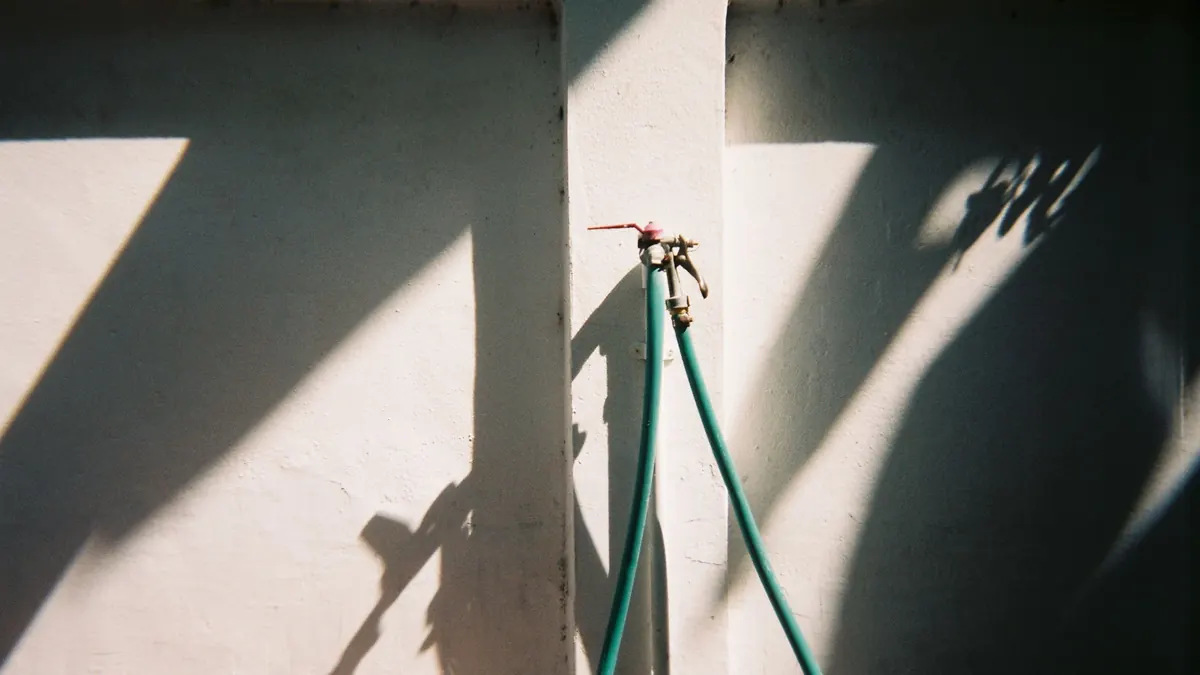
The device you must install, who may install it and whether it must be tested every year depend on your utility’s program. Some utilities require a certified tester. A hose bibb vacuum breaker can also keep the faucet from draining, so remove or protect it in freezing weather. Ask the utility for its cross-connection rules in writing before you buy a device.
Fire hydrants
Do not open a fire hydrant without permission. Hydrants are needed for fire safety, and unauthorized use can bring fines. Some utilities issue a hydrant meter or hydrant permit for construction or for community gardens, with a deposit, a backflow device and conditions. Ask whether your city allows it for gardens and for how long.
Who can help
- your water utility’s new service desk or customer service line;
- your city community garden, parks or land bank program, which may help with fees (see adopt-a-lot and city garden licenses);
- a licensed plumber for installation and the backflow device;
- your city building department for permits.
Frequently asked questions
How do I get a water meter for a community garden?
Apply to your water utility for a new service or a temporary meter. The owner or authorized agent usually applies. Ask for a written estimate and the rules.
How much does it cost to hook up water to a vacant lot?
It depends on the distance to the main, whether service existed and the fees. Ask the utility for a written estimate.
Who pays the water bill at a community garden?
The account holder. Gardens usually split it through plot fees or a host. Put it in writing.
What is a tap fee?
A charge for connecting a new service to the water main. Some utilities call it a connection, capacity or system development fee.
What is a backflow preventer?
A device that stops water from flowing backward from a hose or irrigation line into the drinking water system.
Do I need a backflow preventer for a garden hose?
A hose bibb vacuum breaker is common on outdoor taps. Your utility may require more for irrigation systems.
What is a hose bibb vacuum breaker?
A device that screws onto an outdoor faucet and prevents backsiphonage when a hose is connected.
Who can install a backflow preventer?
Rules vary. Some utilities require a licensed plumber or certified installer and annual testing.
Can I get a temporary water meter for a garden?
Some utilities offer temporary or hydrant meters. Ask whether they allow it for gardens.
Can a community garden use a fire hydrant?
Only with a permit from the utility or city. Never open a hydrant without permission.
Can I put in a separate irrigation meter?
Some utilities allow it and may remove the sewer charge from irrigation use. Ask.
Can I share a meter with a neighbor?
Possibly with a sub-meter and a written agreement. Ask the utility if it permits sub-metering.
Official sources
- U.S. EPA, Cross-Connection Control Manual (EPA 816-R-03-002) and Safe Drinking Water Act materials
- Your water utility’s service rules, fee schedule and cross-connection control program
- State drinking water program and state plumbing code
- Not checked for this page: connection fees and hydrant permit rules for any city, the text of the EPA manual on hose bibb devices, and local installer requirements