
Rainwater Harvesting Laws in Pennsylvania
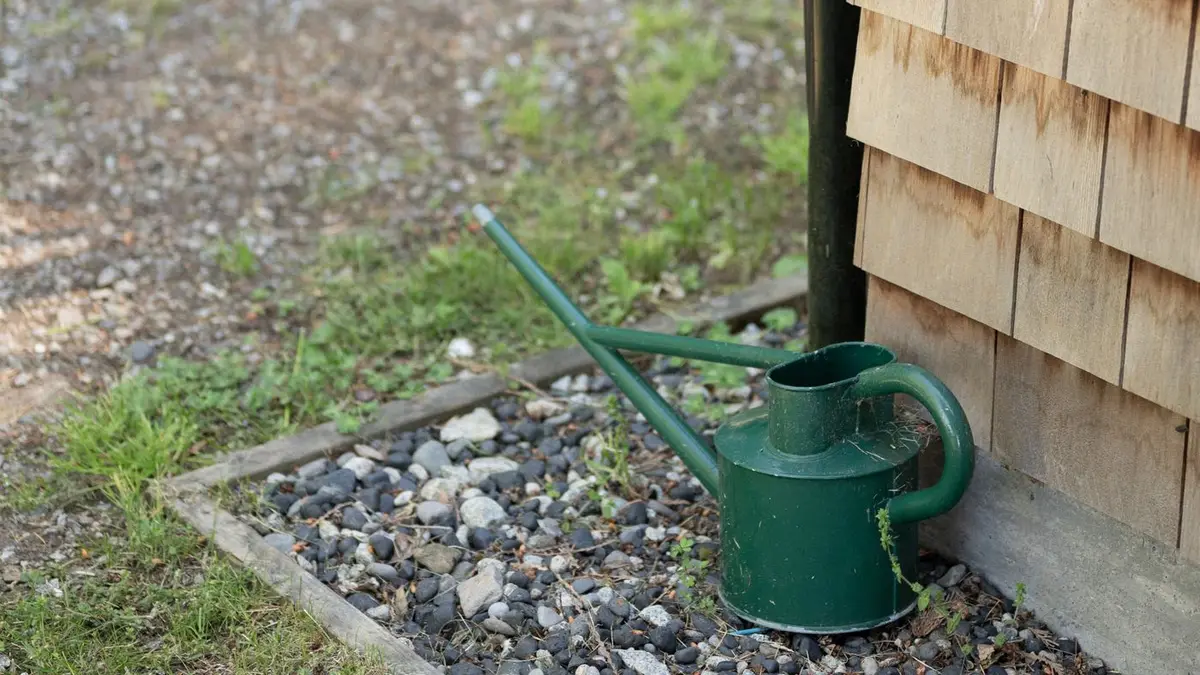
Is it legal to collect rainwater in Pennsylvania?
In the official sources we read, Pennsylvania treats a rain barrel as something to encourage, not restrict. The Pennsylvania Department of Environmental Protection (DEP) lists “set up a rain barrel at your residence” among the steps residents can take to reduce stormwater: you capture rainwater off your roof and either use it in your garden or let it soak slowly into the ground. Penn State Extension says rain barrels give a free source of non-potable water for gardens, lawns and other outdoor uses while reducing runoff.
We did not find a Pennsylvania statute that bans roof rainwater collection, and we did not find a state permit for a garden rain barrel. We also did not find a rule that says no permit is ever needed, so this page tells you what the agencies say and which questions to take to your municipality.
Pennsylvania at a glance
- Garden rain barrel
- Recommended by DEP and Penn State Extension. No state ban or permit found in the sources we read.
- Uses
- Penn State Extension lists gardens, flowers, lawns, raised beds, indoor plants and outdoor cleaning tasks such as rinsing tools or washing containers.
- Drinking water
- Barrel water is not treated. Penn State Extension says it should never be used for drinking, cooking or other household purposes that require potable water.
- Local rules
- Penn State Extension says rainwater harvesting barrels should conform to local regulations and standards.
- Local programs
- DEP says some municipalities offer residents stormwater tools. The Philadelphia Water Department, for example, provides free workshops and free rain barrels and helps cover the cost of other tools such as downspout planters.
- Municipal stormwater plans
- DEP says about 950 Pennsylvania municipalities are required to have stormwater management plans, so your borough, township, city or county office is the place to ask what applies.
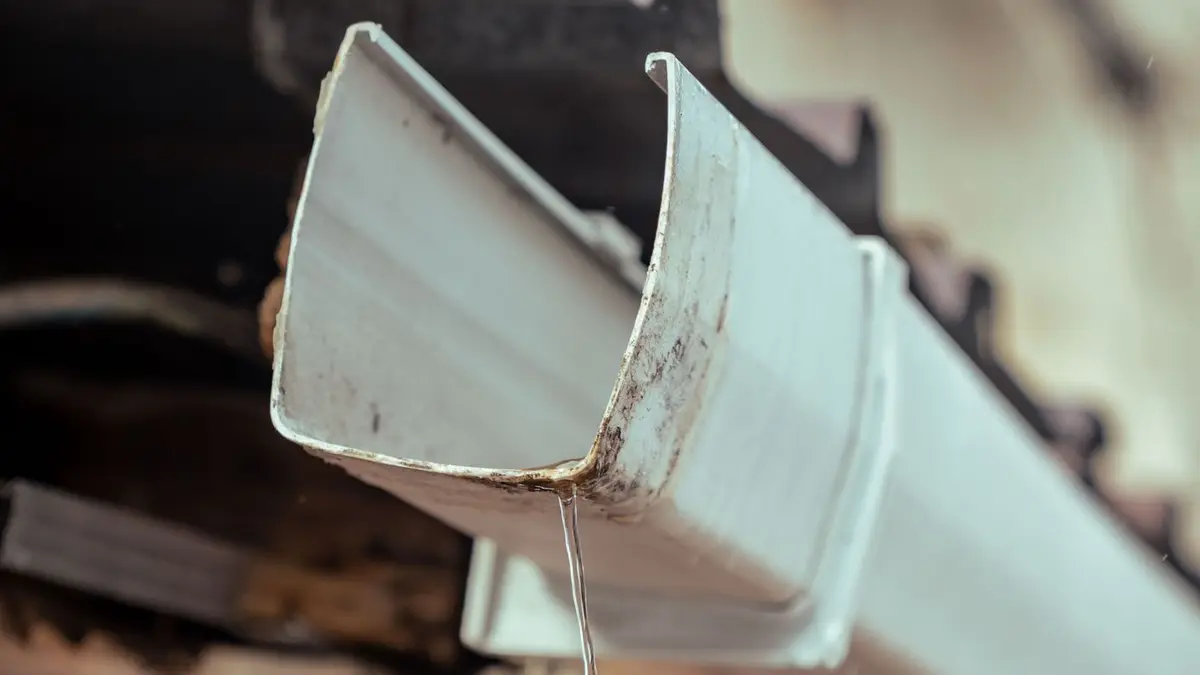
Using a barrel safely, according to Penn State Extension
- Keep the barrel covered, and check screens and fittings. Extension says to use a fine-mesh screen over all openings if your area has no local standard, to keep adult mosquitoes out.
- Direct overflow toward a lawn or garden, not toward the foundation.
- Use the stored water regularly instead of leaving it stagnant, and clean the barrel periodically. One homeowner Extension profiles cleans and disinfects the barrels each spring.
- Disconnect or drain the barrel before freezing weather. The same homeowner blows out the water lines before winter so freezing does not damage hoses, pumps or tubing.
- Algae can build up when a barrel gets more sun or dirtier roof runoff; that is a reason to empty and clean it.
Beyond a simple barrel
Penn State Extension profiles a Pennsylvania homeowner whose barrels feed a garden, an outdoor sink, a drip irrigation system and a seasonal solar-heated outdoor shower, using small pumps. Extension notes the water still is not potable and the outdoor shower is a rinse-off station after gardening, and that this level of setup is far beyond what most households need. We found no Pennsylvania plumbing rule for pumps, sinks or showers fed from rain barrels, so treat any pump, buried tank or connection to a building as something to ask your municipal code office about first, and keep rain completely separate from drinking-water plumbing. See water meters, hookups and backflow preventers and building codes.
Gardens, community gardens and farms
- Large tanks, elevated tanks or many barrels at a community garden can be treated as structures by a municipality; ask about permits and setbacks. See planning and zoning.
- On leased or borrowed land, get the owner’s written permission first. See land access.
- If you sell produce, think about the water on the crop: see irrigation water quality and food safety, and Pennsylvania cottage food law if you also sell foods you make.
- Rain barrels cut roof runoff; see stormwater fees and irrigation runoff for credits some cities give.
- Homeowners associations: we did not verify a Pennsylvania statute on rain barrels in associations. Read your declaration; see homeowners associations.
Checklist before you install in Pennsylvania
- Use barrel water only for outdoor, non-potable tasks.
- Cover the barrel and screen every opening; send overflow to a lawn or garden.
- Ask your borough, township or city whether a barrel or a larger tank needs a permit or must meet a local standard.
- Do not connect a barrel to drinking-water plumbing; for pumps or any building connection, ask your municipal code office first.
- Check for local barrel programs; the Philadelphia Water Department offers free workshops and free barrels to residents.
- Drain or disconnect the barrel before winter, and check your HOA declaration.
Frequently asked questions
Is it legal to collect rainwater in Pennsylvania?
In the sources we read, DEP and Penn State Extension encourage rain barrels for stormwater and garden use. We found no state ban or state permit for a garden barrel.
Do I need a permit for a rain barrel in Pennsylvania?
We found no state permit for a garden barrel, and no rule saying none is ever needed. Penn State Extension says barrels should conform to local regulations and standards, so ask your municipality.
Can I drink rainwater from a barrel in Pennsylvania?
No. Penn State Extension says untreated barrel water should never be used for drinking, cooking or other household purposes that require potable water.
Can I use harvested rainwater on vegetables?
Penn State Extension lists raised beds and gardens among common uses. Avoid wetting edible leaves close to harvest and wash produce. See our guide on irrigation water quality.
Are there free rain barrels in Pennsylvania?
DEP says the Philadelphia Water Department provides free workshops and free rain barrels for residents. Other municipalities may offer programs, so ask yours.
Can I plumb a rain barrel into my house in Pennsylvania?
We found no Pennsylvania rule on this in the sources we read. Keep rain separate from drinking-water plumbing and ask your municipal code office before adding pumps, sinks or any building connection.
Can an HOA ban rain barrels in Pennsylvania?
We did not verify a Pennsylvania statute on this. Read your declaration and ask your board.
Rainwater laws in other states
Rules differ a lot from state to state. Our other state guides, with the general rainwater harvesting laws overview:
Official sources
- Pennsylvania Department of Environmental Protection, Be Stormwater Smart (steps residents can take, including setting up a rain barrel; municipal stormwater plans; Philadelphia Water Department programs)
- Penn State Extension, Rain Barrels Turn Rainwater into a Backyard Resource (updated August 17, 2026): uses, non-potable limits, maintenance and a homeowner example
- Penn State Extension, Enjoying the Outdoors This Summer Without Mosquitoes (updated June 4, 2026): rain barrels, local standards and screening
- Not checked for this page: any Pennsylvania statute or regulation on collecting roof rainwater, the Pennsylvania Uniform Construction Code and plumbing code provisions on rainwater systems, municipal permit rules, and any Pennsylvania statute on homeowners associations and rain barrels