
Stormwater Fees and Irrigation Runoff for Urban Farms
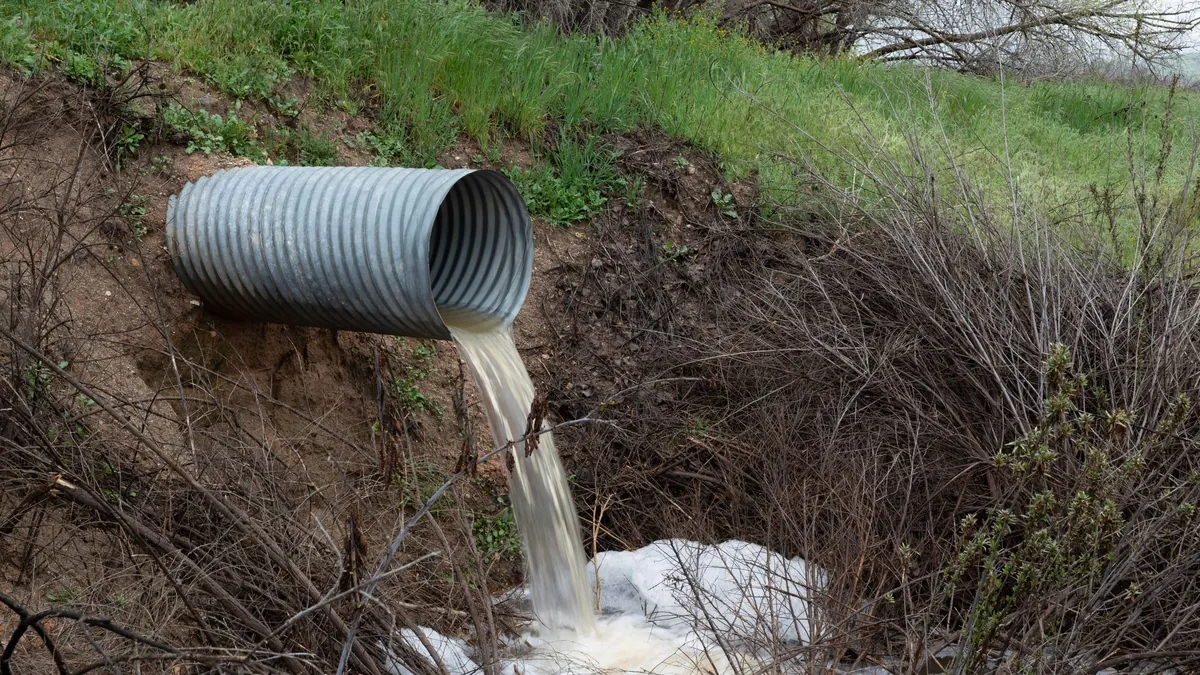
Stormwater fees and credits
Many cities charge a stormwater fee on the water and sewer bill or the property tax bill. A common method bases the fee on the amount of impervious surface, such as roofs, paving and compacted gravel, because that is where runoff comes from. Fees differ widely, so this page does not list amounts.
| Question | Why it matters | What to ask |
|---|---|---|
| Is my lot charged a stormwater fee? | Vacant lots and gardens may be charged by lot size or by impervious area. | How is the fee calculated, and what is my current charge? |
| Are raised beds, paths and sheds counted as impervious? | Paving, roofs, sheds and compacted surfaces may count; beds and planted ground usually do not. | Which surfaces on a garden lot count, and can I reduce my area? |
| Can I get a credit or discount? | Rain gardens, rain barrels, cisterns and permeable paving can reduce or earn credits in some programs. | Does the city offer a credit, how much and how do I apply? |
| Is there a nonprofit or garden exemption? | Some cities reduce fees for gardens or open space. | Are there any exemptions or reductions for community gardens? |
Green infrastructure on a garden lot
Gardens can catch and soak up rain. Green infrastructure includes rain gardens, swales, permeable paths and rain barrels. Some cities fund or help with them. Before you dig, check:
- whether the work needs a grading, drainage or building permit (see building codes);
- whether a rain garden must stay a set distance from buildings, wells and septic systems;
- whether you must tell 811 or a utility locator before you dig;
- whether your lease lets you change the land;
- whether the soil is safe to disturb and to infiltrate water through (see soil safety).
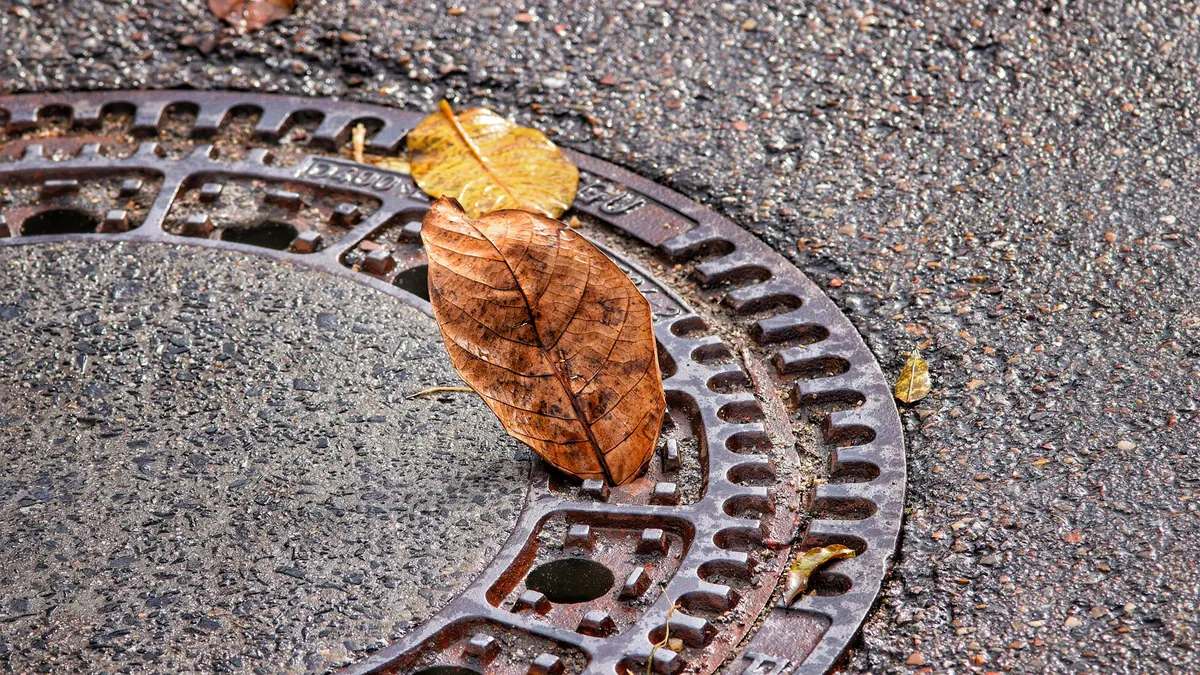
Runoff from irrigation, fertilizer and compost
Water that leaves your garden can carry soil, fertilizer, pesticide and compost to storm drains, which often flow to streams without treatment. City codes usually prohibit non-stormwater discharges to storm drains (called illicit discharges) and often require sediment and erosion control on sites with disturbed soil. Practical steps:
- water so that it soaks in and does not run off the lot or into the street;
- keep soil, compost and mulch piles covered and away from drains and slopes;
- use fertilizer and pesticide according to the label, and not before rain;
- never dump wash water, concentrated fertilizer or tank rinse into a storm drain;
- keep a vegetated strip along streets and ditches;
- cover bare soil with mulch or cover crops between seasons.
What the Clean Water Act says about farms
| Provision | What it says | Limit |
|---|---|---|
| Point source definition (33 U.S.C. 1362(14)) | Agricultural stormwater discharges and return flows from irrigated agriculture are not point sources, so they do not need a discharge permit. | The same provision excludes concentrated animal feeding operations from this protection. |
| Return flows exemption (33 U.S.C. 1342(l)(1)) | Discharges composed entirely of return flows from irrigated agriculture are exempt from the permit program and left to the states. | Courts have read this broadly for large irrigation districts, and the details are still being litigated. |
| Urban farms | The statute does not say whether a small city garden counts as irrigated agriculture. | Unclear. Local storm drain and erosion rules still apply either way. |
This is a summary of statute text and court summaries; it is not a prediction for your lot. A large or commercial urban farm that discharges water, wash water or wastewater should ask the state environmental agency whether a permit is needed. Do not assume the agricultural exemption covers you.
Checklist for stormwater and runoff
- Ask the city whether your lot pays a stormwater fee and how it is calculated.
- Ask about credits for rain gardens, barrels or permeable paving.
- Find out what counts as impervious on a garden lot.
- Keep soil, compost and amendments covered and away from storm drains.
- Check permits before grading or digging a rain garden.
- Water in a way that does not run off the lot.
- Ask the state agency whether any permit applies if you discharge wash water or wastewater.
Frequently asked questions
Do community gardens pay stormwater fees?
Some cities charge them, usually based on lot size or impervious area, and some reduce or waive fees for gardens. Ask your city.
What is a stormwater credit?
A reduction in a stormwater fee for features that keep runoff on site, such as rain gardens, barrels or permeable paving.
Does a raised bed count as impervious surface?
Usually not, since beds are planted soil. Paving, roofs and sheds often do. Ask how your city counts surfaces.
What are irrigation runoff regulations?
Mostly local rules against runoff and illicit discharges to storm drains, plus state rules. A federal permit is generally not needed for agricultural return flows, but the exemption has limits.
Does the Clean Water Act exempt urban farms?
The Act excludes agricultural stormwater and irrigation return flows from the point-source definition, but it does not say whether small city farms count. Ask your state agency.
Can I pour compost tea or wash water into a storm drain?
No. Storm drains often flow to streams untreated. Use the sanitary sewer if the city allows it or apply wash water to soil.
Do I need a permit for a rain garden?
Sometimes. It depends on grading rules and city programs. Ask your city.
What is green infrastructure?
Practices that soak up or slow rain on site, such as rain gardens, swales, rain barrels and permeable paths.
How do I reduce fertilizer runoff?
Apply by the label, avoid applying before rain, cover bare soil and keep piles away from drains.
Does my lease allow a rain garden?
Check it. A rain garden changes the land, so get the owner’s written permission.
Who regulates urban farm runoff?
Your city stormwater or public works office and your state environmental agency, with EPA at the federal level.
Can a garden reduce my stormwater bill?
In cities with credits, rain gardens, barrels and permeable surfaces can. Ask your stormwater office.
Official sources
- Clean Water Act, 33 U.S.C. 1362(14) (point source definition) and 33 U.S.C. 1342(l)(1) (return flows from irrigated agriculture)
- U.S. EPA, NPDES program and EPA green infrastructure information
- Your city stormwater or public works office and your state environmental agency
- Not checked for this page: city stormwater fee rules and credit programs, how small urban farms fit the agricultural exemptions, and recent court decisions on the exemption