
What Is Urban Farming? Types, Examples and the Rules (2026)
At a glance
- Short definition
- Growing, processing and distributing food or non-food products in urban and suburban areas
- Federal definition
- None; the term varies by policy, state or community
- Types named in federal law
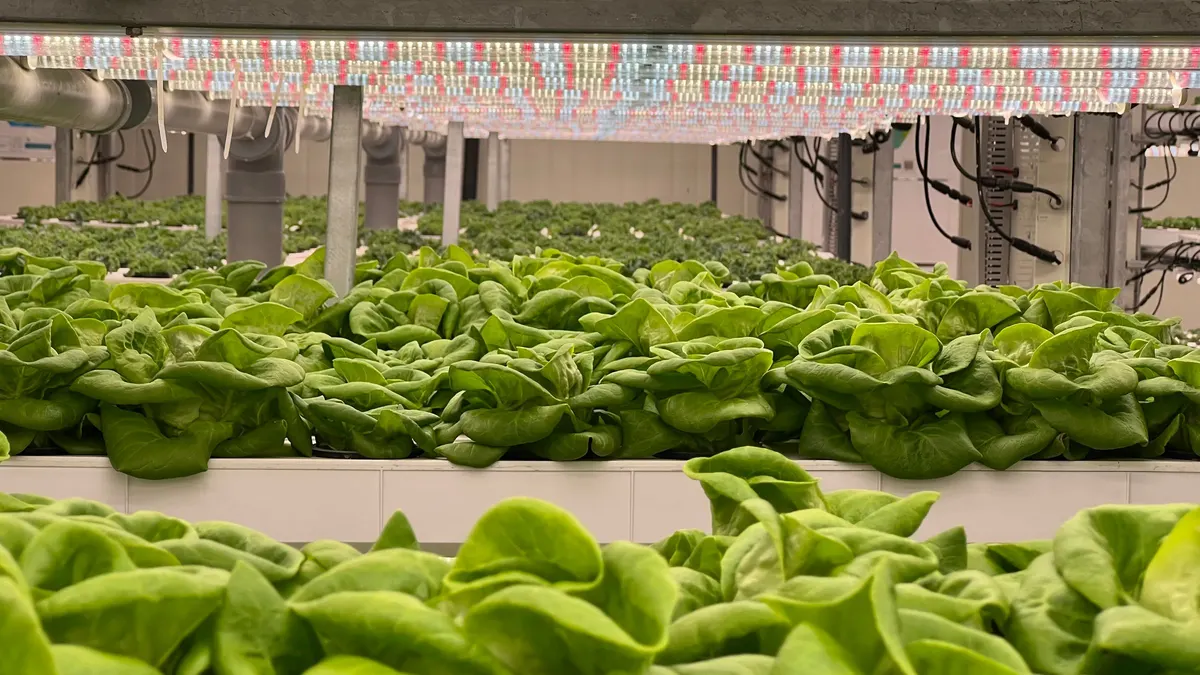
- Community gardens and farms, rooftop farms, outdoor vertical production, green walls, indoor farms, greenhouses, hydroponic, aeroponic and aquaponic facilities
- Who decides if you can farm
- Your city or county: zoning, building and animal rules, plus state food rules if you sell
- First checks
- Who owns the land, what zoning allows, soil test, water source, insurance
What counts as urban farming
The National Agricultural Library, part of the U.S. Department of Agriculture, describes urban agriculture as growing, processing and distributing agricultural products, food or non-food, in urban and suburban areas, and says it can bring environmental, economic and social benefits to the surrounding community. It adds that there is no single statutory or formal federal definition, so a city can write its own. That matters in practice: one city may treat a market garden as a farm, another as a commercial use, and a third as a community garden with its own permit. The 2018 Farm Bill created a USDA Office of Urban Agriculture and Innovative Production, and the statute that set it up (7 U.S.C. 6923) states its mission by listing the kinds of farming it is meant to encourage.
Types of urban farming
| Type | What it is | Where the law usually bites first |
|---|---|---|
| Community gardens and community farms | Shared plots or a farm run by a group or nonprofit, often on a vacant lot. | A written land agreement, insurance and, in some cities, a permit. See our land access guide and how to start a community garden. |
| Institutional farms and gardens | Gardens at hospitals, churches, prisons, schools and public housing. | The host institution’s agreement and insurance. |
| Commercial urban farms | Small, often niche farms that sell what they grow; some are vertical or soilless. | Zoning, food safety and licensing, and business and tax rules. See starting an urban farm business. |
| Backyard and rooftop plots | Food grown at home or on a roof. | Zoning, building rules and HOA covenants. See planning and zoning. |
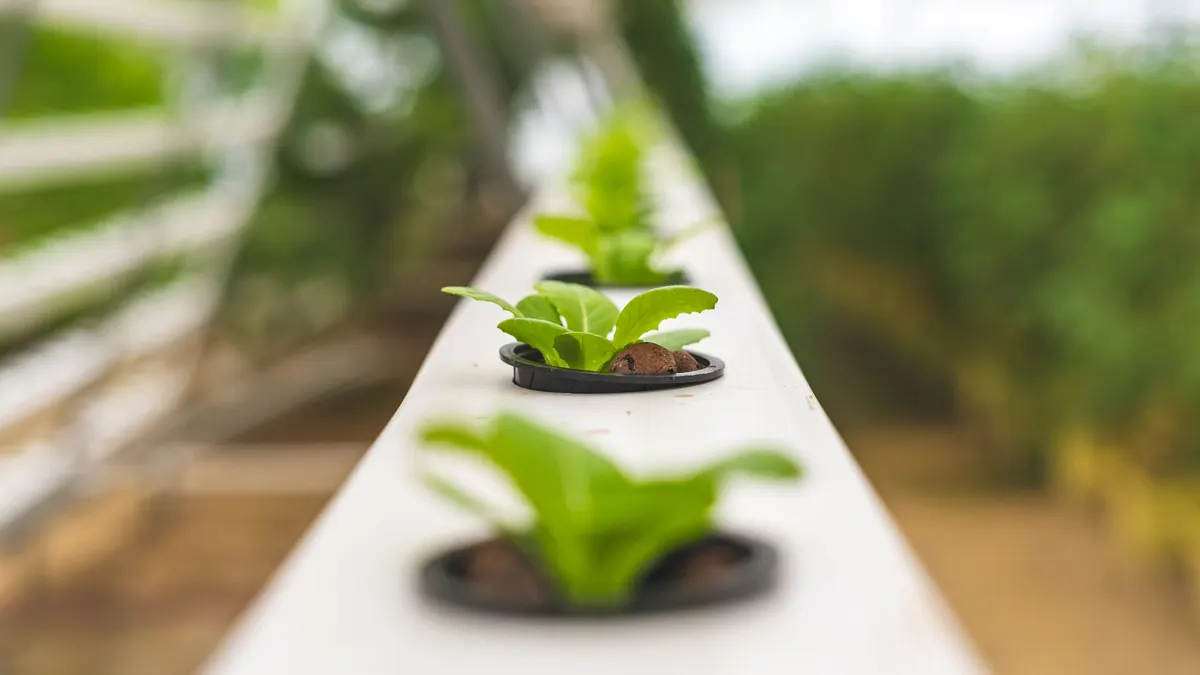
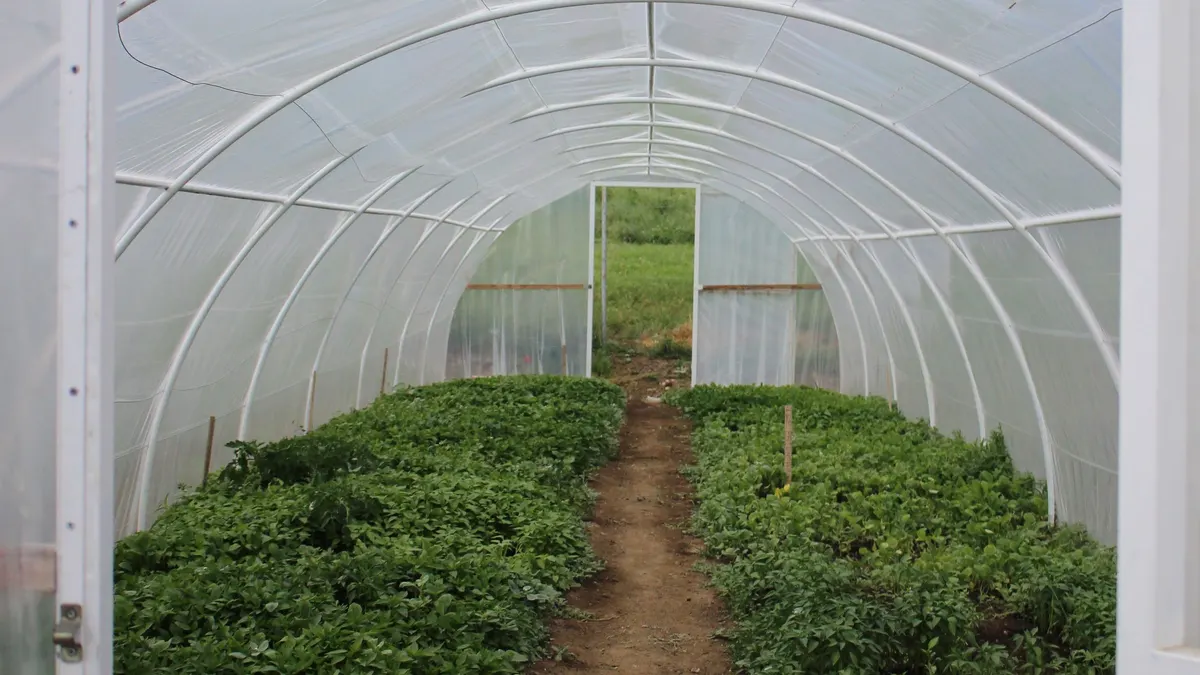
| Indoor farms, greenhouses and vertical farms | Hydroponic, aeroponic and aquaponic systems and high-tech vertical production. | Building and fire codes for structures, utilities and water. See building codes. |
| Farms that supply urban markets | Growers selling at farmers markets or through a CSA. | Market permits and food rules. See farm stands and farmers markets. |
How cities treat urban farms: examples
The same activity is handled differently from city to city. These examples come from our city guides, which cite each city’s own code and program pages.
| City or program | What the rule or program says | Read more |
|---|---|---|
| Seattle, Washington | An urban farm is allowed in a residential zone with no permit up to 4,000 square feet of planting area. | Seattle zoning guide |
| Raleigh, North Carolina | A separate permit is required for on-site sales. | Planning and zoning |
| Miami-Dade County, Florida | Community gardens are allowed only in 12 designated districts. | Planning and zoning |
| Philadelphia, Pennsylvania | The 2012 code names four urban agriculture uses. | Philadelphia guide |
| Baltimore, Maryland | A credit of 90 percent of the property tax for five years, with conditions such as minimum sales. | Urban farm tax breaks |
| California | Counties may set up Urban Agriculture Incentive Zones where owners of small parcels sign multi-year contracts and get a lower tax assessment. | Urban farm tax breaks |
| New York City | The GreenThumb license for community gardens can be ended on 60 days’ written notice. | Land access |
| Pittsburgh, Pennsylvania | An adopt-a-lot agreement does not guarantee future ownership. | Adopt-a-lot programs |
For a wider comparison, see our overview of how US cities regulate urban farming.
Stories from the field
We have also covered urban farming projects in the news: an Ohio State Mansfield student and professor built a microfarm for small-town food deserts, Urban Roots Garden Markets donated about $100,000 worth of plants and vegetables to community gardens in Greater Vancouver, and a report on Baltimore urban farms and gardens found low metal levels in soil, water and produce at most sites.
Benefits and limits
The National Agricultural Library lists environmental, economic and social benefits in general terms, and the stories above show food access, education and local supply in practice. The limits are also real. Old city lots can carry lead and other contaminants, and there is no federal soil lead standard for growing food: the EPA numbers people quote (200 and 100 parts per million, lowered from 400 in January 2024) are screening levels for Superfund and RCRA residential sites, not garden rules. Water service, meters and stormwater fees add cost, and zoning may limit sales, animals and structures. Our soil guide, water guide and zoning guide cover each.
What the federal government does
The 2018 Farm Bill (Public Law 115-334, section 12302) required the USDA to set up an Office of Urban Agriculture and Innovative Production headed by a director. Under 7 U.S.C. 6923, its mission is to encourage and promote urban, indoor and other emerging agricultural practices, including community gardens and farms in urban areas, suburbs and urban clusters; rooftop farms, outdoor vertical production and green walls; indoor farms, greenhouses and high-tech vertical farms; hydroponic, aeroponic and aquaponic facilities; and other innovations the Secretary decides. The same section creates a 12-member advisory committee, whose members include producers (two of them from urban areas or urban clusters), people from universities or extension, a nonprofit representative and someone from a financing entity. Funding for the office’s grants has been in doubt in 2026; see our guide to urban agriculture grants.
Before you start: five checks
- Who owns the land?Look up the owner in county records, then get permission in writing. See land access.
- What does zoning allow?Ask whether farming, sales, structures and animals are allowed. See how to find your zoning.
- Is the soil safe?Test before you grow food. See soil testing.
- Where will water come from?Ask the utility about a meter, hookup and backflow rules. See water.
- Will you sell what you grow?Check food safety and licensing rules. See food safety and can I sell food from home?
Frequently asked questions
What is urban farming?
Growing, processing and distributing food or other agricultural products in cities and suburbs, from community gardens and rooftop farms to indoor and vertical farms.
Is urban farming the same as urban agriculture?
In everyday use the two terms overlap. Federal sources use “urban agriculture” and say it has no single formal definition.
What are examples of urban farming?
Community gardens, community farms run by nonprofits, institutional gardens at schools and hospitals, small commercial farms, rooftop and backyard plots, and indoor, hydroponic, aeroponic and aquaponic farms.
Is urban farming legal?
Usually, but it depends on zoning and local rules. Seattle allows an urban farm in a residential zone with no permit up to 4,000 square feet of planting area, while Miami-Dade allows community gardens only in 12 designated districts.
Do I need a license to sell what I grow?
It depends on the product and your state. Whole produce sold directly is often the least regulated. See our food safety guide.
What are the benefits?
The National Agricultural Library describes environmental, economic and social benefits. The size of the benefit depends on the project.
How do I start an urban farm?
Start with land, zoning, soil and water, then check food, business and insurance rules. See our guide to starting an urban farm business and to starting a community garden.
Note on conflicting sources
Definitions of urban farming differ between cities, agencies and advocacy groups, and the federal sources we read say there is no single legal definition. We used the text of 7 U.S.C. 6923 for the federal list and the National Agricultural Library page for the general description; that page shows no publication date, and the USDA definition it quotes is cited as accessed in 2022. Our city examples are taken from our own guides, which cite each city’s code or program page; codes change, so open the guide for the date we checked. We did not read the USDA and NRCS urban agriculture pages directly because they refused or timed out.
Official sources
- 7 U.S.C. 6923, Office of Urban Agriculture and Innovative Production (Agriculture Improvement Act of 2018, Public Law 115-334, section 12302)
- USDA National Agricultural Library: Urban Agriculture
- The primary sources named in our planning and zoning, land access, soil, water and tax breaks guides
- Not checked for this page: the USDA and NRCS urban agriculture pages