
Urban Beekeeping Laws: Hives, Registration and Honey
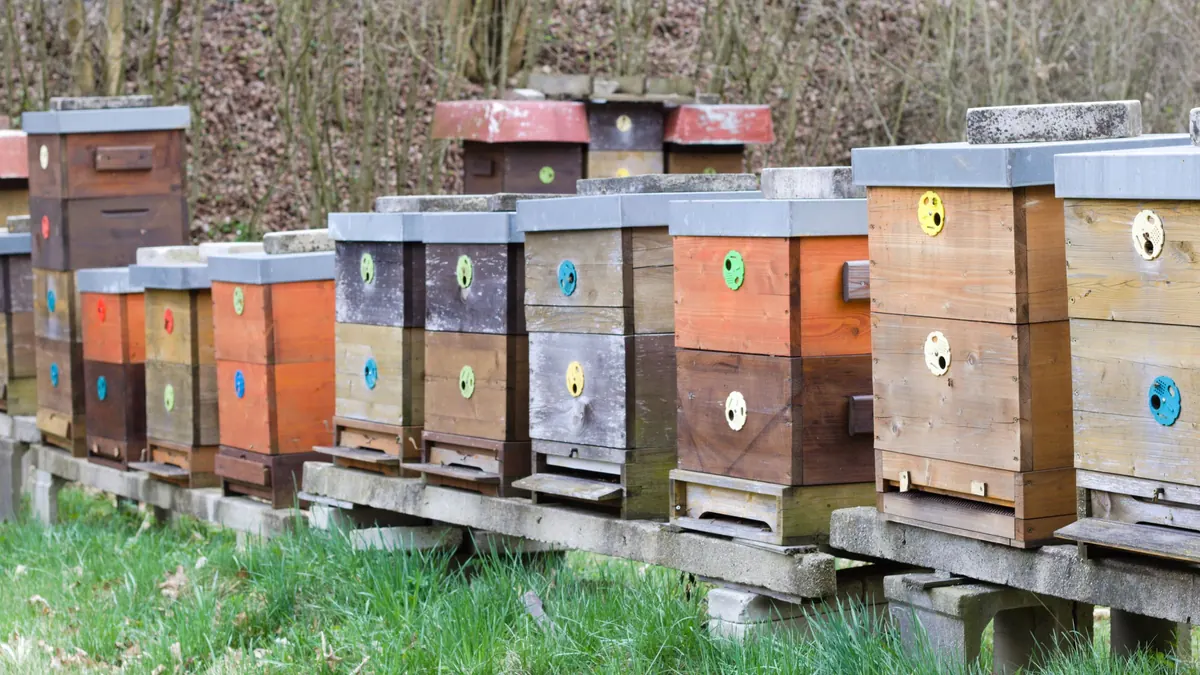
Are bees allowed in my city?
City rules on bees range from no special rule, to a short list of conditions, to a permit, to a ban in some residential zones. Some places treat bees as livestock, and some have a separate beekeeping section. Look for the words bees, hives, apiary and beekeeping in the animal chapter, the zoning chapter and the health code.
- Does your state require hive registration?Look at your state department of agriculture or state apiary program. If yes, register before you place hives. Go to step 2.
- Does the city or county allow bees at your address?Check the animal chapter and zoning chapter. Not allowed: ask about a variance or a change. Allowed: go to step 3.
- Is there a limit on the number of hives?Some codes tie the number to lot size. Go to step 4.
- What setbacks, fencing or water rules apply?Typical conditions are a distance from lines, a barrier that makes bees fly up, and a water source on your property. Go to step 5.
- Do you need a permit, inspection or neighbor notice?Some cities ask you to post a sign or tell neighbors. Go to step 6.
- Do your HOA or lease allow hives?Check covenants and ask your landlord in writing. If all is yes, you can start.
State beekeeping registration
A number of states require hive or apiary registration, usually run by the state department of agriculture or an apiary inspector. A survey of state apiary inspectors in 2021 reported registration required by law in 16 U.S. states and the District of Columbia, but the survey covered only part of the country and may be out of date. Texas, for example, lets beekeepers register under state rules, while California asks beekeepers to register colony locations with the county agricultural commissioner. Registration can come with a fee and a renewal cycle, and it can include rules on inspection and reporting diseases.
| Point | What states may require | What to ask |
|---|---|---|
| Registration | Register each apiary or location with the state or county. | Is registration required by law or voluntary, and what does it cost? |
| Renewal | Annual or multi-year renewal. | How often, and does the registration move with you? |
| Inspection | Inspection by a state apiarist, sometimes on request. | Can I request an inspection, and what happens if disease is found? |
| Movement | Rules or permits for moving hives or buying bees from another state. | What permits or health certificates apply? |
| Reporting | Duty to report certain diseases or pests. | Which diseases are reportable, and to whom? |
Because the list of registering states changes, do not rely on a list from a website or club. Ask your state apiarist or department of agriculture.
Local rules: hives, distance and fences
Local beekeeping rules are usually about avoiding conflicts with neighbors. They often cover:
- The maximum number of colonies for a lot or lot size.
- Distance of hives from property lines, sidewalks, streets and dwellings.
- A fence, hedge or solid barrier that makes bees fly up and away from neighbors.
- A reliable water source on your property so bees do not use a neighbor’s pool.
- A sign or notice, in some places, to say that bees are kept on the lot.
- Rules on keeping colonies gentle and managing swarms so they do not become a nuisance.
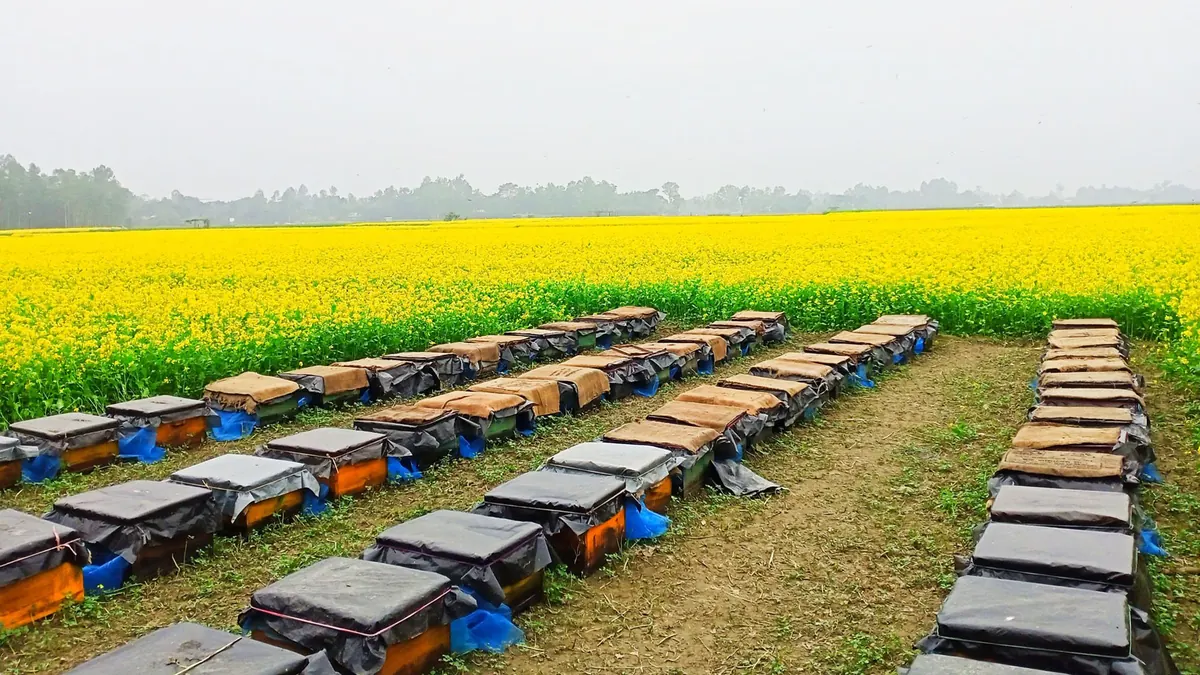
Some cities have no permit for bees: a few cities removed older permit requirements. Others still ask for a permit, a fee and an inspection. Ask the city, and keep the answer in writing.
Beekeeping in an HOA, a condo or a rental
An HOA can ban hives, even if the city and state allow bees. Check the covenants and ask the board. Renters need the landlord’s written permission. Condo rules often forbid keeping animals on balconies and shared roofs. See HOAs and urban agriculture.
Selling honey and bee products
Honey is often treated as a raw agricultural product or as a low-risk food that can be sold under state cottage food or farm stand rules, but states differ on labels, license, container and sales limits. Wax and propolis products can be classified as cosmetics, and rules on those differ. Selling at a farmers market may bring local permit, insurance and sales-tax rules. Read our cottage food guide, farm stands and farmers markets and selling eggs and backyard meat for the general approach.
| Level | What may apply | Where to ask |
|---|---|---|
| State | Cottage food or raw agricultural product rules, labels, any registration of the apiary. | State department of agriculture or health department |
| County or city | Business license, home occupation rules, farmers market or farm stand permit. | City clerk, planning department |
| Taxes | Sales tax on honey in some states; income reporting. | State tax agency; see urban farm business basics |
| Market or venue | Insurance, vendor rules, labeling inspection. | Market manager |
Insurance and liability
Ask your insurer whether a hive is covered, whether a sting claim is covered and whether you need a separate endorsement. A hive that is placed responsibly and managed well is your best protection against a claim. See our liability guide.
Bees in community gardens, schools and shared land
Put bees in a place that visitors do not walk through, add a sign, and name a person responsible for the hive. Get the landowner’s written permission and check the garden’s insurance. For a school, check district policy and allergy rules before you start. See land access for leases and permission.
How to change a beekeeping rule
If bees are banned or the rules are too hard to meet, the steps are the same as for other animals: read the current code, look at nearby cities with simple rules (a few hives, a barrier, a water source, no permit), talk to your council member and public health office, gather neighbors and a beekeeping club, and bring a short draft. See the overview for the full approach.
Frequently asked questions
Are bees allowed in my city?
Often yes, with conditions. Check the animal chapter and zoning chapter of the code, then your state registration rules.
Do I need to register my beehives?
Some states require it by law. Ask your state department of agriculture or state apiary program.
Do I need a permit for beekeeping?
Some cities require a permit, a fee or an inspection; others do not. Ask the city.
How many hives can I have in the city?
Some codes cap the number by lot size. Look for the limit in your code.
How far must a beehive be from the property line?
Codes that set a distance differ. Ask the planning office how it is measured.
Do I need a fence for beehives?
Some codes require a fence or hedge to make bees fly above head height. Check yours.
Can a neighbor complain about my bees?
Yes. Cities usually handle bees under nuisance rules or the beekeeping section of the code. Keep good records and follow the code.
Can an HOA ban beekeeping?
Yes, if the covenants prohibit it.
Can I keep bees if I rent?
Only with the landlord’s permission.
Can I sell honey from my backyard hives?
Often yes under state cottage food or farm stand rules, but labels, licenses and limits differ. Check your state.
Do bees count as livestock?
Some codes treat them that way and some have a separate section. Check how your code defines livestock.
Can I keep bees on my community garden?
Only with the landowner’s permission, and with neighbors informed. Check the garden’s insurance.
Official sources
- State department of agriculture or state apiary program for your state
- Apiary Inspectors of America survey of state programs, 2021 (summary seen through search; not opened in full)
- Texas Administrative Code, Title 4, section 71.24 (beekeeper registration)
- City or county code for your address: animal, zoning and health chapters