
Selling Eggs and Backyard Meat: What the Law Allows
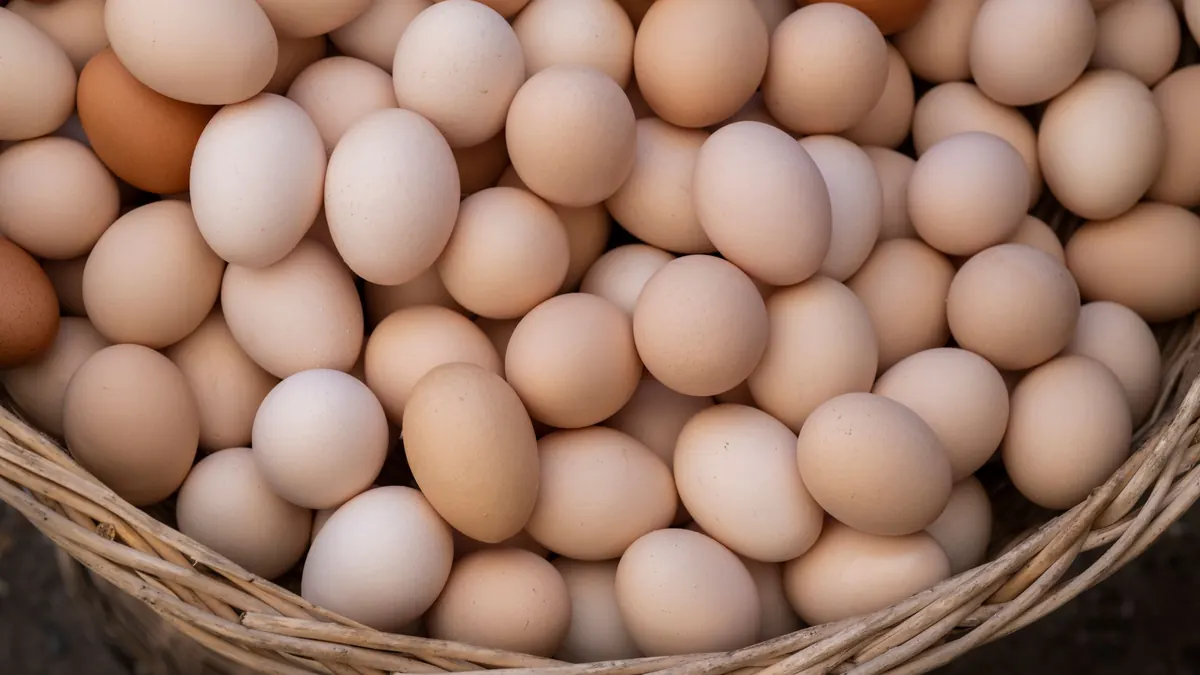
Can I sell what my animals produce?
- Are you only eating or giving away the product?If you only use it in your household, city and state sales rules do not apply, but animal, slaughter and nuisance rules still do. Selling: go to step 2.
- Is the product eggs, honey, live animals or meat?Eggs and honey are usually the easiest. Meat and live animals are more regulated. Go to step 3.
- Does your city allow sales from a home?Selling from a residence may raise home occupation, signage and traffic rules. See planning and zoning. Go to step 4.
- Does your state require a license, labels or registration?Check your state department of agriculture or health department. Go to step 5.
- Where will you sell: farm stand, market, restaurant or online?Each venue can add its own permit or insurance rules. Go to step 6.
- Have you checked taxes and insurance?See urban farm business basics and liability insurance. Then you can sell.
Selling eggs from backyard chickens
Federal egg safety rules in 21 CFR part 118 apply to egg farms with 3,000 or more laying hens that do not sell all their eggs directly to consumers. A small backyard flock is outside that rule. A separate federal rule on egg products (broken or liquid eggs) allows a producer to sell egg products made from eggs of their own flock directly to household consumers who use them in the household. Most of the practical rules for selling shell eggs come from states and cities.
| Topic | What may apply | What to ask |
|---|---|---|
| License or registration | Some states require an egg license, a registration or a small-seller exemption with a flock limit. | Does my flock size need a license? |
| Labeling | Your name and address, a statement that eggs are not inspected, safe handling language, the pack date or the source of the eggs. | What exact statements are required on a carton or sign? |
| Cartons | Reused cartons may need old brand names covered or removed. | May I reuse cartons and how? |
| Cleaning and temperature | Rules on washing, candling and keeping eggs refrigerated. | What temperature and handling rules apply? |
| Grading and size | Selling by size or grade may bring state grading rules. | Can I sell ungraded eggs? |
| Where you can sell | Farm stand, market, neighbors, restaurants or stores, each with different rules. | Which of these can I use? |
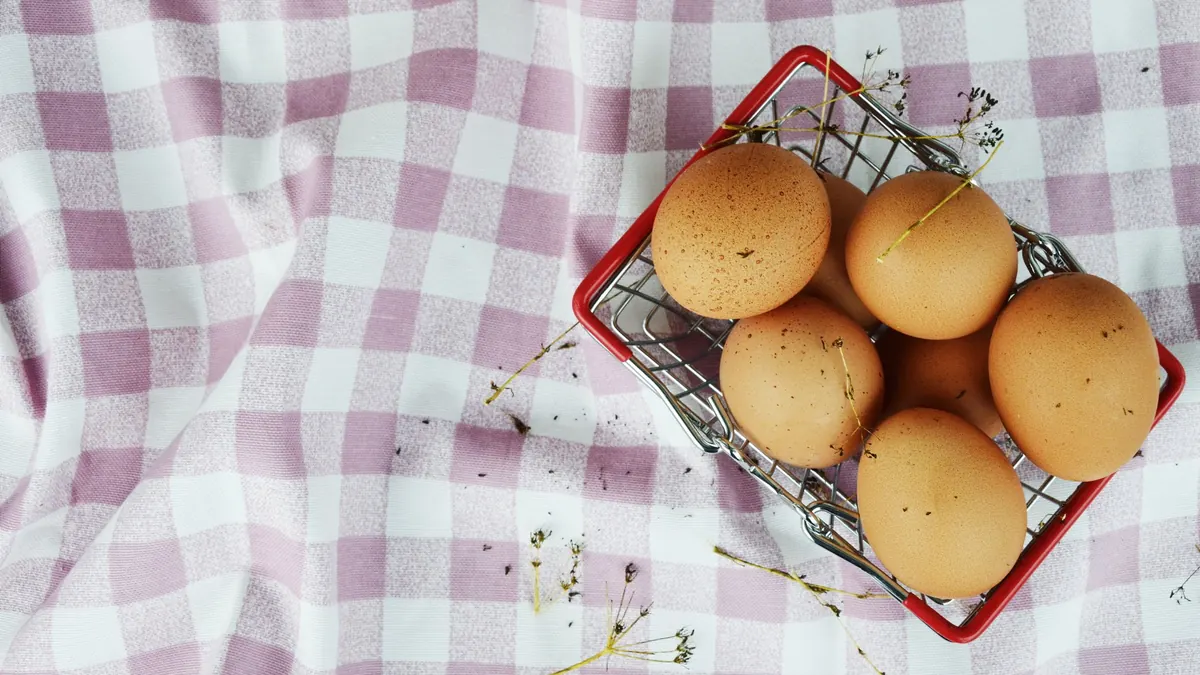
Keep egg safety in mind: collect often, discard cracked eggs and refrigerate them, and follow CDC advice on washing hands after handling birds and eggs. Selling at a farmers market may require a food or vendor permit; see farm stands and farmers markets.
Slaughtering chickens at home
Federal poultry rules (9 CFR 381.10) include exemptions from inspection. Two of them matter for small keepers:
| Situation | Condition | Selling? |
|---|---|---|
| Personal use | A person slaughters poultry of their own raising for use in the household, by members of the household, nonpaying guests and employees (9 CFR 381.10(a)(3) and (a)(4)). | No sales. |
| Producer exemption | A producer slaughters no more than 1,000 birds a year of their own raising on their own farm, does not buy or sell poultry products other than their own, and the birds do not move in commerce as the regulation defines it (381.10(c)). | Limited; read the regulation and ask the state. |
| Larger exemptions | Other exemptions exist with a 20,000-bird cap and labeling conditions (381.10(a) and (b)). | Often with labels and in-state sales only. |
These are federal rules. A city can ban or limit slaughter at home, and a state can have its own rules about sales, labels, processing space and records. Ask the state department of agriculture or state meat and poultry inspection program before you sell any poultry meat, and ask the city about odor, waste and nuisance rules.
Selling chicken meat, rabbits and other meat
Poultry rules come from the federal poultry inspection regulations and state counterparts. Cattle, sheep, goats and pigs are covered by a separate federal meat inspection law, and selling their meat generally requires slaughter and processing at an inspected facility; many states run their own inspection programs. For personal use, many states allow custom slaughter at a licensed facility that does not sell the meat. Rabbit meat and some other small animals are handled differently from state to state. In every case, ask your state department of agriculture, not only the city.
Selling live chickens, chicks and other animals
Selling live birds can raise state licensing, health certificate and disease testing rules, and local zoning rules on home businesses. The federal National Poultry Improvement Plan is voluntary, but states may require testing or certificates when birds cross state lines. If you ship birds, check the rules of the destination state as well as your own. A city may ask for a business license, even for small sales. See urban farm business basics.
Other animal products: honey, milk, hides
Honey is covered on the beekeeping page and in our cottage food guide. Raw milk, cheese and similar dairy products have strict state rules that are different from egg rules, and many states restrict or ban the sale of raw milk. Hides, pelts and similar products can be regulated by state and federal law. Ask the state before you start.
Zoning and business rules for sales
Selling from your property can be treated as a home occupation or as an agricultural use. Check signage, customer traffic, parking and hours. A city may have a different rule for a sign than for sales delivered to neighbors. If you sell at a stand, see farm stands and farmers markets and the planning and zoning guide.
- Ask the city whether your zone allows sales from a home.
- Ask the state whether eggs, honey or meat need a license or registration.
- Write down the label rules and test a label before you print many.
- Keep records of sales, dates and where each batch came from.
- Check whether your homeowners or farm insurance covers sales and product claims.
- Register a business name or tax account if your state or city requires it.
Frequently asked questions
Can I sell eggs from my backyard chickens?
Often yes. The federal egg safety rule does not cover small flocks, but your state may require a license, labels or refrigeration, and your city may have home sales rules.
Do I need a license to sell eggs?
In some states yes, in others small sellers are exempt up to a flock size. Ask your state department of agriculture.
Are there egg selling laws I should know about?
Yes: state rules on labels, cartons, cleaning, temperature and where you can sell. Federal egg safety rules apply to much larger farms.
What must an egg label say?
It depends on the state. Many require your name and address, and some require a statement that the eggs are not inspected and safe handling advice.
Can I reuse egg cartons?
Sometimes. Some states require old brand names to be covered or removed. Ask your state.
Can I sell chicken meat from my backyard?
Federal rules have exemptions for small producers, with conditions such as a 1,000-bird limit. State and city rules may restrict sales and processing, so check them first.
Can I butcher chickens at home?
Federal law has a personal-use exemption, but a city or state may restrict home slaughter or require certain handling of waste.
What are the backyard slaughter regulations for poultry?
Federal exemptions for personal use and for small producers, plus state and city rules. Read 9 CFR 381.10 and ask your state.
Can I sell meat from my farm?
Poultry may be possible under exemptions. Meat from cattle, sheep, goats and pigs generally needs slaughter and processing at an inspected facility.
What is custom exempt slaughter?
A service where a licensed facility processes an animal for the owner’s own use, not for sale. Ask your state about facilities and labels.
Can I sell live chickens?
Often, but states may require licenses, testing or health certificates, and your city may require a business license.
Can I sell live animals from my yard?
Local zoning and animal ordinances may restrict this. Ask the city.
Do I need liability insurance to sell eggs or honey?
It is not always legally required, but many markets ask for it and it protects you. See the liability guide.
Official sources
- Code of Federal Regulations, Title 21, section 118.1 (egg safety rule scope)
- Code of Federal Regulations, Title 9, section 590.100 (egg products exemptions, direct household sales)
- Code of Federal Regulations, Title 9, section 381.10 (poultry inspection exemptions)
- Centers for Disease Control and Prevention: Healthy Pets, Backyard Poultry
- State department of agriculture, state veterinarian and state meat and poultry inspection program for your state
- Not checked for this page: state egg license and label rules, state home slaughter and sales rules, and the federal meat inspection exemptions for red-meat animals