
Selling Vegetables From Home: What Zoning Allows
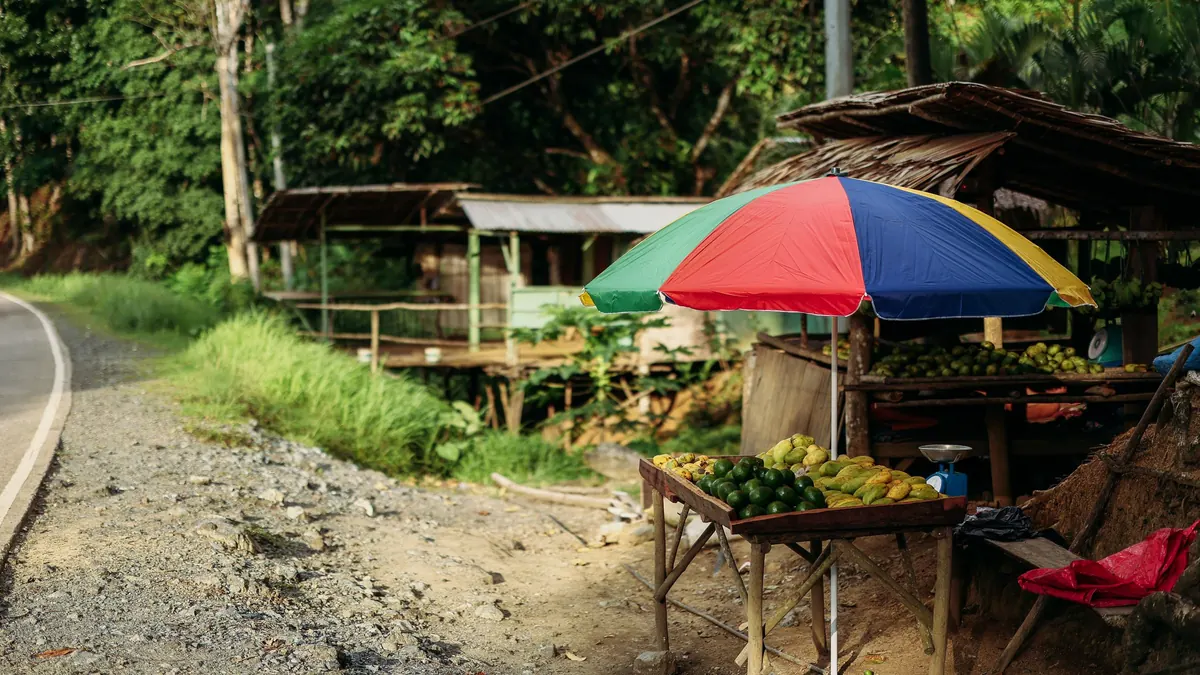
How zoning treats a sale at a residence
Growing vegetables for your household is rarely regulated. The question changes when you sell, because zoning codes treat sales as a separate activity. A code might treat a sale at a home in one of three ways:
| Treatment | What it means | Typical limits |
|---|---|---|
| Agricultural sale | The sale of what you grow is part of a farm or urban farm use. | Hours, area, products grown on the lot, and sometimes a permit. |
| Home occupation | The sale is a business run from a home and falls under home occupation rules. | No sales of goods on the premises, no outdoor activity, no display visible from the street, limits on customers. |
| Retail use | The sale is a store, which is not allowed in a residential zone. | Not allowed unless the zone permits retail. |
Examples from city rules
| City | Rule | Source and date |
|---|---|---|
| Seattle, WA | An urban farm may sell between 7 a.m. and 7 p.m., and only plants and products grown by the farm. | City urban agriculture guidance, updated May 27, 2022. See Seattle. |
| Raleigh, NC | On-site sales need a zoning permit; the city reviews it in five business days. | City community garden guidance. |
| Minneapolis, MN | Farm stands are limited to 75 days a year. | City rules, as summarized in our zoning guide. |
| Miami-Dade County, FL | Community gardens may sell only at permitted farmers markets and grocery stores. | County rules, as summarized in our zoning guide. |
| San Francisco, CA | The 2011 ordinance allowed sale of products grown on site with conditions and hours, and not from inside a residence. | Ordinance summary from 2011; see San Francisco. |
| Oakland, CA | Limited seasonal sales at community gardens; since 2014 a garden under one acre with a sales area up to 500 sq ft does not need a conditional use permit. | City guidance and 2014 coverage; see Oakland. |
These are summaries from city guidance and may have changed. Confirm each rule with the city.
- Check your zone and use.Is your lot a home garden, a community garden or an urban farm in the code? See how to find your zoning.
- Read the sales rules for that use.Hours, area, signs, products and permits.
- Read the home occupation rules.If they apply, check whether they ban sales on the premises or outdoor activity.
- Check the food safety rules.See farm stands and farmers markets and food, agriculture and health.
- Check licenses and taxes.A business license and sales tax registration may be needed. See urban farm business basics.
- Check your HOA and lease.See homeowners associations and land access.
- Ask the planning office in writing before you sell.Get the name and the date.
What you can usually sell
| Product | Usual zoning question | Where to read more |
|---|---|---|
| Raw vegetables and fruit grown on the lot | Whether sales of products grown on the lot are allowed at your lot and when. | This page and your city code. |
| Eggs | Also a food rule; the city may limit animals. | selling eggs and backyard meat |
| Honey | Beekeeping rules and honey sales rules. | urban beekeeping laws |
| Jam, baked goods and other homemade foods | Cottage food law in your state. | cottage food laws by state |
| Products bought elsewhere | Many urban farm rules allow only what the farm itself grows. | Your city code. |
Checklist before you sell
- Confirm whether your code treats the sale as an agricultural sale, a home occupation or retail.
- Check hours, sales area, signs and parking.
- Check whether only products grown on the lot may be sold.
- Check whether a zoning or sales permit is needed.
- Check food safety, business license and tax rules.
- Check your HOA rules or lease.
- Keep your answer from the city in writing.
Frequently asked questions
Can I sell vegetables from my home?
Often yes with limits. It depends on how your city zones the sale. Check the sales rules for your zone and the home occupation rules.
Do I need a permit to sell vegetables from my yard?
Some cities need a sales or zoning permit; others do not for small sales. Raleigh, for example, requires an on-site sales zoning permit. Ask your city.
Can I sell vegetables from my front yard?
Possibly, within hours, area and sign limits where the code allows. Landscaping and home occupation rules may also apply.
What is a home occupation?
A business run from a home, usually limited by home occupation rules on signs, customers, employees and outdoor activity.
Can I put up a farm stand in a residential zone?
Some cities allow it with limits, such as Minneapolis’s cap of 75 days a year. Check your code.
Do I need a business license to sell vegetables?
Often yes, or an exemption for small sales. Check your city and state.
Do I need to charge sales tax on vegetables?
Rules vary by state; many exempt unprepared produce. Ask your state tax agency.
Can I sell eggs or honey from home?
Often, with food safety and animal rules. See our guides on selling eggs and beekeeping.
Can I sell jam made from my fruit?
Possibly under your state’s cottage food law. See cottage food laws by state.
Can my HOA stop me from selling vegetables?
Yes if its rules limit business activity. Read your HOA documents.
Can I sell at a farmers market instead?
Often, with a vendor permit and food safety rules. See farm stands and farmers markets.
Is this page legal advice?
No. Confirm with your local planning office.
Official sources
- City of Seattle, Department of Construction and Inspections, Tip 244, Urban Agriculture (updated May 27, 2022)
- City of Raleigh, community garden guidance; City of Oakland, Urban Agriculture and Community Gardens page; City and County of San Francisco, Ordinance 66-11 (2011)
- Your city’s zoning code (home occupation and agriculture sections) and your state department of agriculture or health
- Not checked for this page: the current text of these codes, Minneapolis and Miami-Dade rules (taken from our zoning guide), and tax rules by state