
Backyard Chicken Laws: Can You Keep Chickens at Home?
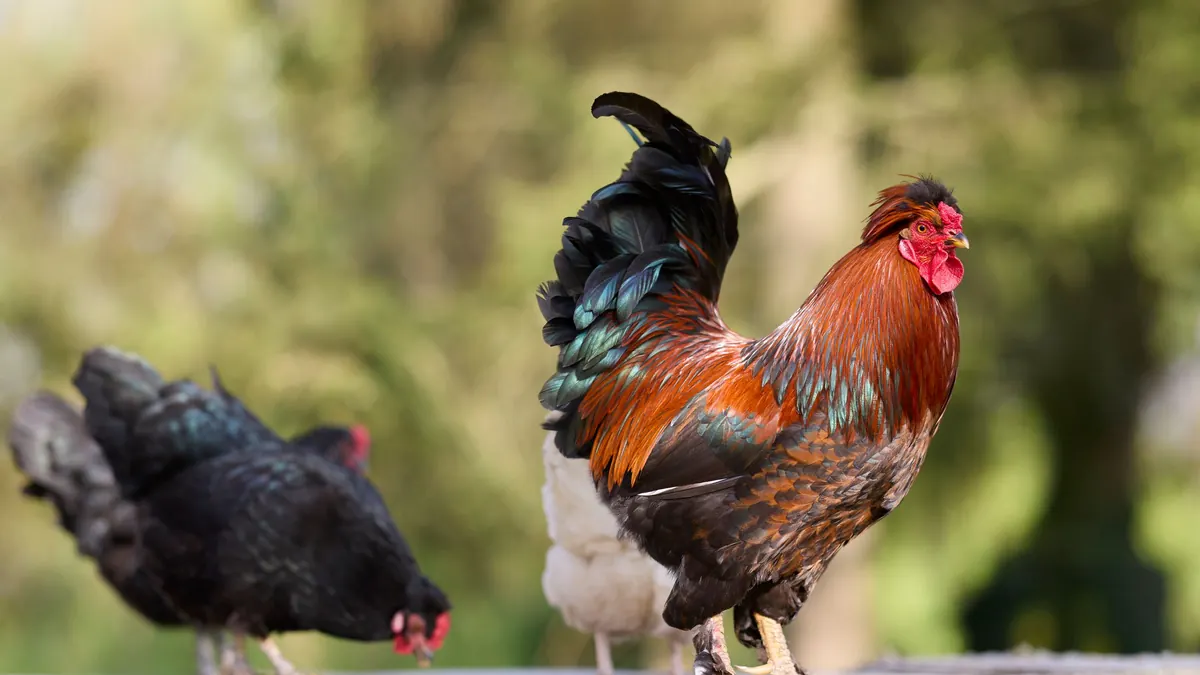
Are chickens allowed in my city?
Cities fall into broad groups: some allow a few hens in residential zones with no permit, some require a permit or license, some ask for approval from adjacent neighbors, some allow chickens only on larger lots or in certain zones, and some ban them. Many cities that once banned chickens have changed their rules, and rules keep changing, so search the current code rather than relying on a blog post.
- Is your address in city limits?Yes: use the city code. No: use the county code. If unsure, ask the county assessor. Go to step 2.
- Does the code allow chickens in your zone?Look for the words chickens, poultry, fowl, hens and livestock in the animal chapter, the zoning chapter and the health code. Not listed: ask the city, in writing, before buying birds. Allowed: go to step 3.
- Is there a limit on the number of hens?Note whether the limit is per lot, per size of lot or combined with other animals. Go to step 4.
- Are roosters allowed?Many codes say hens only. Go to step 5.
- Do you need a permit, license or neighbor consent?If yes, ask what it costs, how long it takes and whether it renews. Go to step 6.
- What rules apply to the coop?Setbacks from property lines and houses, size, height, materials, and whether a building permit is needed. Go to step 7.
- Do your HOA or lease allow chickens?Check covenants, bylaws and your lease. If allowed, you can start; keep proof of every approval.
How many chickens can I have?
Codes set the limit in different ways. The number can be a flat cap for a lot, a number that grows with lot size, a limit shared with other animals or a limit for each species. Some codes count chicks, others count only birds above a certain age. A few cities do not set a number but require that the number be reasonable and proportionate to the space.
| Type of limit | What it looks like | What to ask |
|---|---|---|
| Flat cap | One number per residential lot. | Do chicks count, and does it apply to every lot size? |
| Lot-size scale | More birds on larger lots, fewer or none on small lots. | What square footage or acreage steps are used, and is it the whole parcel or the usable yard? |
| Combined total | One cap for all small animals, including pets. | Do cats, dogs, rabbits and birds share the same cap? |
| Space per bird | Minimum coop and run space for each hen. | Is the minimum for the coop, the run or both? |
| Reasonableness | No set number; the number must suit the facilities. | Who decides what is reasonable, and how are complaints handled? |
Do I need a permit or license for chickens?
Some cities do not require anything for a few hens. Others ask for a permit or license, an annual fee, a class, a site inspection or the written consent of adjacent neighbors. Some require you to register your premises, and some ask you to follow a care checklist. Ask the city which office handles it (animal control, planning, public health or the city clerk) and ask whether the permit transfers if you move. Keep the permit where you can find it, because it is the first thing an officer will ask for after a complaint.
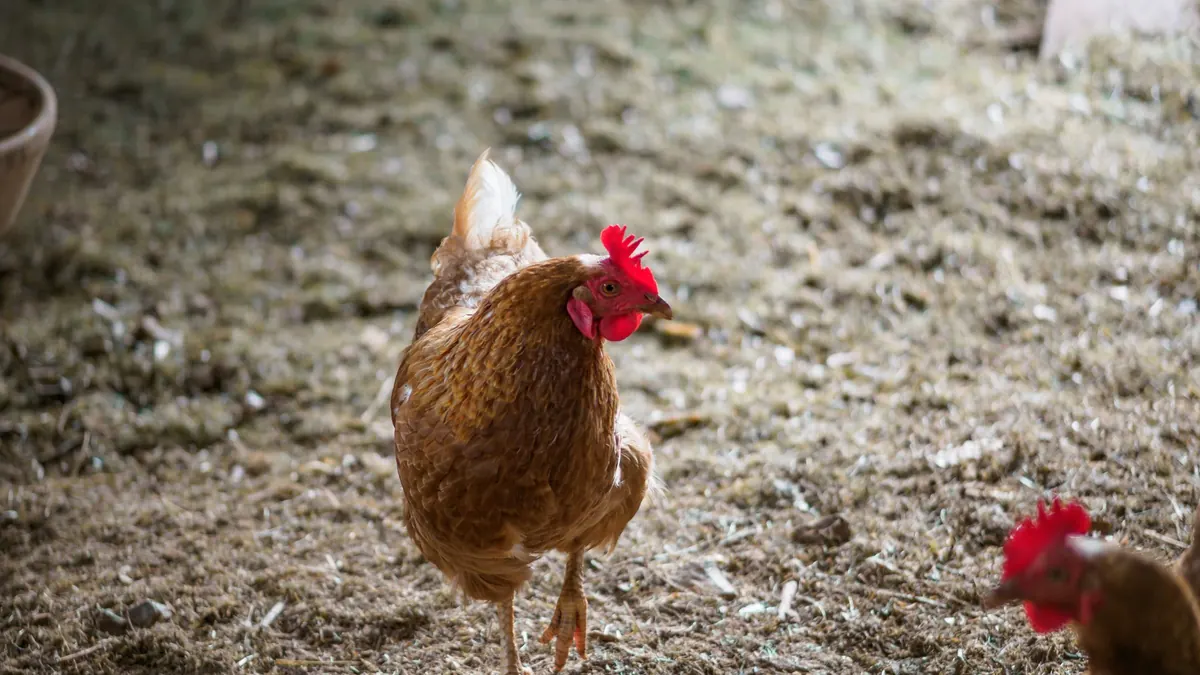
Chicken coop rules: setbacks, distances and structures
Coop rules often include a minimum distance from the property line, from a neighbor’s house and from your own house, a requirement that birds be kept in a coop or run (not free-roaming), and limits on size and height. Some codes ask that the coop sit in the rear yard. Others say how far it must be from a well or water body. Ask the planning or code office how the distance is measured, and whether it is from the coop, from the run or from the fence.
| Question | Why it matters | Where to ask |
|---|---|---|
| How far from property lines? | Setbacks decide which part of the yard you can use. | Zoning chapter or planning office |
| How far from neighbors’ homes? | Some codes set a separate distance to dwellings. | Animal chapter or animal control |
| Do birds have to stay in a run? | Free-ranging is often not allowed in town. | Animal chapter |
| Is a coop an accessory structure? | It may need a building permit above a size or height. | Building department; see permits for sheds, greenhouses and coops |
| Any rules on lighting, feed storage or fencing? | Rodent and predator rules may be part of the permit. | Health or animal control office |
Roosters, noise and rooster bans
Roosters crow, and crowing is the main reason many cities ban them. Some codes say hens only. Others allow roosters only in agricultural zones or on larger lots, and some rely on a general noise or nuisance rule. If you want chicks, ask how the code treats sexing errors: a chick sold as a pullet can turn out to be a rooster. Have a plan for rehoming a rooster, and check whether the city or a local rescue can help.
Neighbors, nuisance and complaints
Neighbors usually complain about noise, smell, flies, rodents and birds in their yard. Cities often handle these under nuisance or animal control rules. If a neighbor complains, stay calm, check what the ordinance says, fix whatever is fixable and keep a record of what you did. If the code is unclear, ask for a written answer.
- Clean the coop and remove waste on a schedule; store feed in metal bins.
- Keep the run closed; check fences and gaps daily.
- Avoid roosters unless the code clearly allows them.
- Add shade or a visual screen if the coop is near a neighbor’s window.
- Share eggs, and keep a calm record of any conversation about complaints.
- If a complaint becomes a citation, ask what the fine is and how long you have to fix the problem.
Chickens with an HOA, in a condo or when you rent
An HOA can ban chickens through its covenants even if the city allows them. Read the recorded covenants, the architectural rules and any board resolutions, and ask in writing. Renters need the landlord’s permission: ask for it in writing, and check the lease for clauses on animals, pests and changes to the property. For more on private rules, see HOAs and urban agriculture.
Chickens and health: Salmonella and bird flu
The U.S. Centers for Disease Control and Prevention (CDC) warns that backyard poultry can carry Salmonella, even when they look healthy. CDC’s guidance includes these steps:
- Wash hands with soap and water after touching birds, their area, eggs, feed or water equipment.
- Do not kiss or snuggle poultry, and do not eat or drink where they live or roam.
- Wear dedicated shoes for the coop and keep them outside the house.
- Collect eggs often, discard cracked ones, do not wash warm fresh eggs and refrigerate them; cook eggs until yolk and white are firm.
- Do not let children under 5 handle chicks, ducklings or other poultry, and keep live poultry out of schools and childcare centers that have such children.
- Keep poultry outside the house.
For bird flu, follow APHIS Defend the Flock guidance, and report sick birds or sudden deaths to your state veterinarian or the USDA (1-866-536-7593, as listed in APHIS guidance; confirm on the APHIS site). See the animals overview for more.
Selling eggs, chicken meat and live birds
Eating your own eggs is rarely regulated, but selling is. The federal egg safety rule in 21 CFR part 118 applies to farms with 3,000 or more laying hens that do not sell all their eggs directly to consumers, so a small backyard flock falls outside it. States add rules on licenses, labels, refrigeration and cartons. Slaughtering birds has federal exemptions and many local limits. Live bird sales can need a state license or health certificates. Read selling eggs and backyard meat before you sell.
Insurance and liability
Ask your insurer whether your policy covers injuries from your animals, damage from predators attracted by your coop or a neighbor claim. Some insurers add an endorsement for a small flock; others do not. See our liability guide.
How to legalize chickens or change a rule
If chickens are banned or the rules are hard to meet, you can ask for a change. Start with this order:
- Do you know what the code says now and why?Read the section and the staff report if there is one. Go to step 2.
- Have you found similar cities with working rules?Collect examples of simple rules: hens only, a cap, a permit, a coop standard. Go to step 3.
- Have you spoken to your council member and city staff?Ask what would make the change easier; ask what concerns they hear. Go to step 4.
- Have you gathered neighbors and supporters?A short petition, letters and people at the council meeting show support. Go to step 5.
- Have you offered a ready-to-use draft?A one- or two-page draft ordinance with limits on numbers, hens only, coop standards and a complaint process is easier to pass.
Opponents usually worry about noise, smell, disease and abandoned birds. Rules such as no roosters, a cap on numbers, minimum coop space, a permit with a simple class and enforcement on complaint answer most of these. See how to change a local ordinance for the general approach.
Frequently asked questions
Can I have chickens in my backyard?
Often yes, if your city allows them and your HOA or lease does not ban them. Check the city or county code and your private rules.
Are chickens allowed in my city?
Rules differ by city. Search the municipal code for poultry or fowl, or call animal control or the planning office.
How many chickens can I have in my backyard?
Each code sets its own limit; it may be a flat number, based on lot size or shared with other animals. Look for the limit in the animal chapter.
Do I need a permit for chickens?
Some cities require a permit, license or neighbor consent; others do not. Ask the city.
Are roosters allowed in the city?
Many cities allow hens only. Check the code, and do not buy straight-run chicks unless you can rehome roosters.
How far must a chicken coop be from the property line or neighbors?
Codes set minimum distances from property lines and homes; the numbers differ widely. Ask how the distance is measured.
Can my neighbor make me get rid of my chickens?
A neighbor can complain. If you are following the code, the city enforces the code. If your coop breaks nuisance or setback rules, you may have to fix it or remove the birds.
Can an HOA ban chickens?
Yes, if the covenants ban or restrict them. This is separate from city law.
Can I keep chickens if I rent?
Only with the landlord’s permission, and within city rules. Get permission in writing.
Do I need a building permit for a chicken coop?
It depends on the size and height and on how your city defines an accessory structure. Ask the building department.
Can I sell eggs from my backyard chickens?
Often yes, with conditions. The federal egg safety rule is aimed at much larger farms, but states and cities may require a license, labels, refrigeration or a permit. See the egg selling guide.
Can I slaughter my chickens at home?
Federal law allows personal-use slaughter of birds you raised, but your city or state may restrict it. See the selling guide.
Are backyard chickens safe?
They can carry Salmonella, so follow CDC handwashing and egg-handling guidance, and keep young children away from birds.
What can I do if my city bans chickens?
Check for a variance or special permit, look at similar cities, and talk to your council member about changing the ordinance.
Official sources
- Municipal or county code for your address: animal, zoning, health and nuisance chapters
- Centers for Disease Control and Prevention: Healthy Pets, Backyard Poultry (Salmonella prevention steps)
- U.S. Department of Agriculture, APHIS: Defend the Flock and HPAI guidance (hotline number taken from APHIS guidance via search; not opened directly)
- Your state veterinarian and state department of agriculture