
Contaminated Soil: Raised Beds, Clean Soil and Cleanup
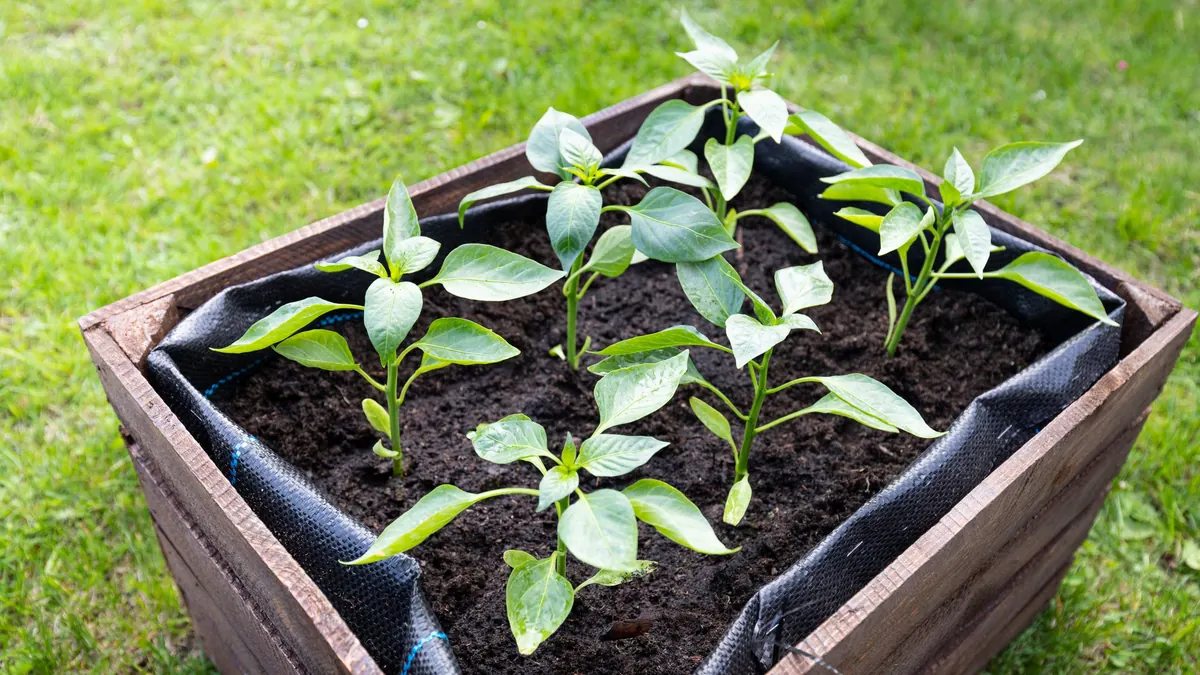
Your options when soil is contaminated
| Option | How it helps | Limits |
|---|---|---|
| Raised beds with a barrier and clean soil | Separates roots and hands from the old soil. | Needs enough soil depth, tested soil and a plan for dust from surrounding ground. |
| Containers | Easy way to grow on pavement or on very poor soil. | Small volume, frequent watering, and soil still needs to be clean. |
| Cover bare ground | Mulch, wood chips, groundcover plants or grass reduce dust and splash on bare soil. | Does not remove contamination and must be kept up. |
| Add compost and organic matter | Can reduce how much lead plants take up and improves soil. | Reduces risk but does not make contaminated soil safe. The compost itself should be clean. |
| Replace the top layer of soil | Removes the worst soil and brings in clean soil. | Costs money, and moving or dumping contaminated soil can be regulated, so ask the state first. |
| Phytoremediation (plants that take up contaminants) | Sometimes used as a slow, low-cost approach. | Slow and results vary. It does not make food-growing soil safe within a few seasons. |
| Choose another site | Avoids the problem. | May not be possible, but is the right answer for heavily contaminated lots. |
Building a raised bed that works
- Check the result first.Use the lab result and your state guidance to decide whether raised beds are enough. For high results or unusual chemicals, ask your state agency before you build. See soil testing.
- Clear and cover the old ground.Remove weeds and debris. Lay a permeable barrier, such as landscape fabric or cardboard topped with fabric, over the old soil so roots and clean soil stay separate.
- Build the frame from safe materials.Use untreated wood, stone, concrete block or other materials. Avoid railroad ties and old treated lumber, which can contain creosote or arsenic compounds.
- Make the bed deep enough.Give roots room so they do not reach the old soil. Many guides suggest at least 12 inches of clean soil; ask your extension office for what suits your crops.
- Fill it with clean, tested soil.Buy from a supplier that can show test results for lead and other contaminants, or ask your state or local environmental program for certified providers.
- Cover and maintain.Mulch the beds and paths, keep surrounding bare ground covered and keep adding compost.
- Retest on a schedule.Test the new soil after setup and every few years, and after nearby work.
Raised beds can still pick up lead over time from dust and rain. A study of Boston raised beds found that lead in imported soil increased over several years, and researchers linked it to dust moving in with wind and rain. That is why covering the surrounding ground and retesting matter.
Choosing clean soil and compost
Not all bagged or bulk soil is clean, and cheap fill can come from construction sites. Ask these questions before you buy:
- Where does the soil or compost come from?
- Can you show a recent lab report for lead, other metals and organic contaminants?
- Is the product certified by a program recognized in my state?
- Does it contain biosolids, manure or food waste, and has it been tested for what those can carry?
- Can I get the report in writing so I can keep it with my garden records?
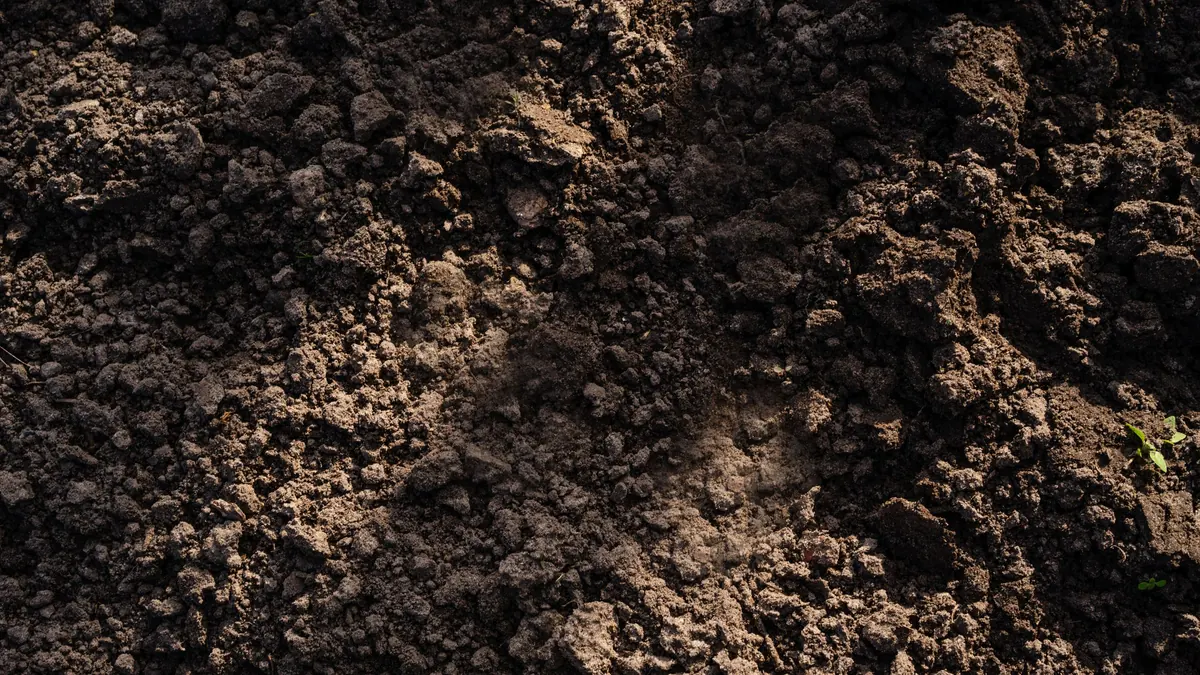
Handling produce safely
Washing and peeling cannot fix soil that is badly contaminated, but they reduce the dust and dirt that carry lead from the garden to the kitchen. Extension and EPA fact sheets give these habits:
- wash and scrub produce, and peel root crops such as carrots, beets, turnips and radishes;
- remove the outer leaves of leafy vegetables;
- wash hands, tools and boots, and keep soil out of the house;
- keep children away from bare soil and have them wash their hands after gardening;
- do not let children eat soil or play in garden soil.
| Crop group | Concern | Tip |
|---|---|---|
| Leafy crops (lettuce, spinach, greens) | Higher, because dust and splash can sit on the leaf and lead can build up in the edible part. | Grow in clean raised beds, wash well and remove outer leaves. |
| Root crops (carrots, beets, radishes) | Higher, because they grow in direct contact with the soil. | Grow in clean raised beds, scrub and peel. |
| Fruiting crops (tomatoes, peppers, squash, cucumbers) | Lower, according to several extension and health agency sheets. | Still wash, and use clean soil where lead is high. |
Sources differ on how to rank crops, and none of them replace clean soil. If your soil lead is high, do not rely on crop choice alone.
Legal points to remember
- Moving soil: Digging up and removing contaminated soil, or dumping it somewhere else, can be regulated by your state. Ask before you dig or haul.
- Landlord permission: Check the lease before you build beds or add soil. See land access.
- Informing gardeners: If others will garden on your site, share the results and your plan in writing. See liability and insurance.
- Selling produce: Some markets and buyers ask for test results. See food, agriculture and health.
- Funding: City and state programs and EPA Brownfields assessment grants can fund testing, although only governmental entities can receive the grants. See Phase 1 and 2 site assessments.
Checklist for gardening on questionable soil
- Get a lab result and decide: in-ground, raised bed or another site.
- Use a barrier and tested clean soil in raised beds.
- Use untreated or safe building materials.
- Cover bare soil and paths.
- Keep records of tests, soil sources and dates.
- Wash and peel produce, and wash hands.
- Retest on a schedule.
Frequently asked questions
Can I garden in contaminated soil?
Not in the ground if the soil is contaminated. EPA guidance suggests raised beds or other above-ground growing, with clean soil, as a precaution. If levels are high, talk to your state agency first.
Are raised beds safe for growing vegetables on contaminated soil?
They reduce exposure when built with a barrier and clean soil, but dust can still enter over time. Cover surrounding ground and retest.
How deep should a raised bed be on contaminated soil?
Deep enough that roots stay in the clean soil. Many guides suggest at least 12 inches; ask your extension office.
What kind of barrier goes under a raised bed?
A permeable barrier such as landscape fabric between old soil and new soil, so roots and clean soil stay separate and water can drain.
Where do I get clean soil for raised beds?
From a supplier that can show lab results, or from providers certified in your state. EPA advises using certified soils and says your environmental program can direct you.
Does compost reduce lead in vegetables?
Compost and organic matter can lower how much lead plants take up, but they do not make contaminated soil safe. Use clean compost.
What is phytoremediation?
A cleanup approach that uses plants to take up or stabilize contaminants. It is slow and does not make soil safe for food within a few seasons.
Should I use railroad ties or treated wood for raised beds?
Avoid them. Old railroad ties and treated lumber can contain creosote or arsenic compounds. Use untreated wood, stone or concrete block.
Which vegetables take up the least lead?
Fruiting crops such as tomatoes, peppers and squash are generally ranked lower than leafy and root crops, but clean soil matters more than crop choice.
Can I sell vegetables from raised beds on a vacant lot?
Possibly, if the soil is clean, the site is safe and you follow market and food-safety rules. Keep test results. See the food and health guide.
Who pays to clean up contaminated soil?
Usually the owner, and sometimes a government program. A tenant should not accept cleanup duties without advice. Ask your state about voluntary cleanup programs.
Can I move contaminated soil off the lot?
Rules vary. Do not dump or haul it before asking your state environmental agency.
Official sources
- U.S. EPA, Know Before You Grow: Understanding Site Risks for Garden and Growing Activities (EPA-560-F-21-201, October 2021)
- U.S. EPA, Brownfields and Urban Agriculture: Interim Guidelines for Safe Gardening Practices (2011)
- U.S. EPA, Superfund guidance and fact sheets on lead in soil and gardening
- University extension fact sheets on gardening in lead-contaminated soil (for example from New Hampshire and Georgia)
- Your state environmental agency, state health department and county extension office
- Not checked for this page: the full text of the EPA interim guidelines, the minimum safe bed depth, and state rules on moving contaminated soil