
Nevada Cottage Food Law (2026): Registration, Sales Limit and Where to Sell
At a glance
- License or permit
- No health permit; you register the operation with the health authority and need an approval letter before you sell
- Annual sales limit
- $100,000 in gross sales per calendar year
- Allowed foods
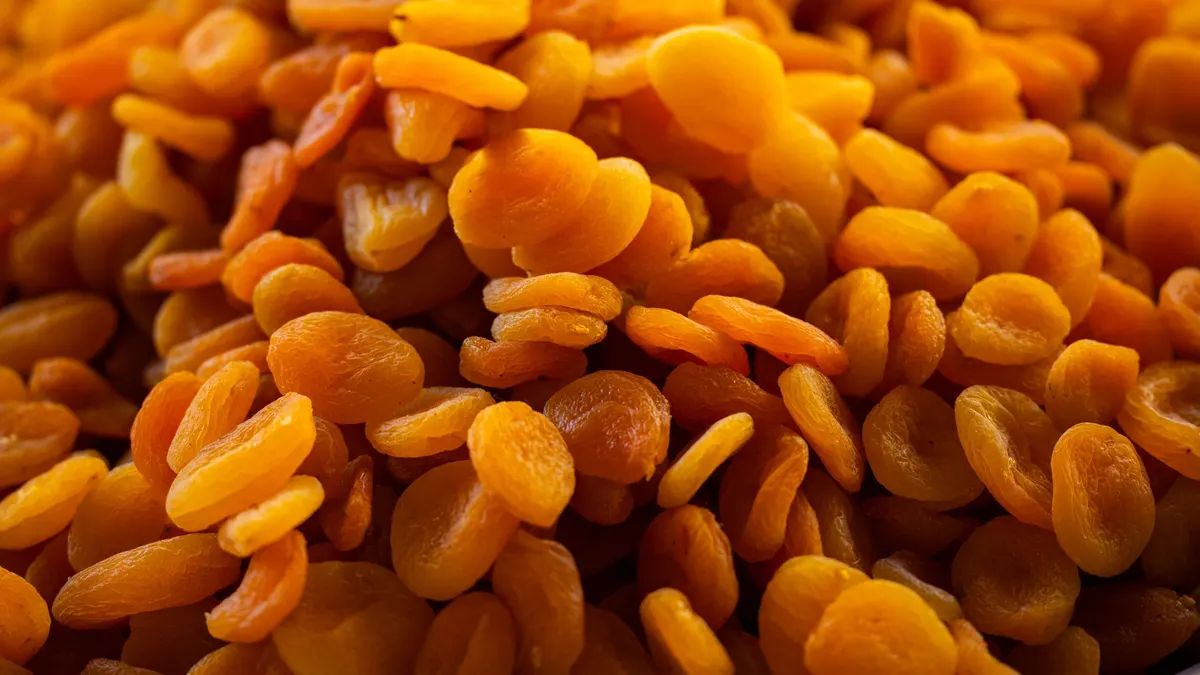
- Nuts, candies, jams and jellies, vinegar, dry herbs and seasonings, dried fruits, cereals and granola, popcorn, and non-hazardous baked goods
- Where you can sell
- In person from your home or private property, or at a licensed farmers market, flea market, swap meet, church bazaar, garage sale or craft fair
- Not allowed
- Wholesale, consignment, sales to restaurants and stores, shipping and third-party delivery
- Training required
- None required by state law that we found
A law in transition
Nevada moved its cottage food program in 2025. According to the Southern Nevada Health District (SNHD), Assembly Bill 352 transitioned the program to the Nevada Department of Agriculture. The old section, NRS 446.866, was replaced by NRS 580.600, which stays in effect until June 30, 2027. From July 1, 2027, the Department of Agriculture becomes the registering authority for the whole state under NRS 585.700 to 585.770 and will write its own regulations in the meantime. SNHD says every SNHD registration stops being valid after June 30, 2027. Until then, the current rules below apply. When the new program opens, expect to apply again with the state.
How to register
- Are you one person making food in your own home kitchen?The operation must be owned by a single natural person, not a partnership, family, corporation or business with employees. Go to step 2.
- Are all your products on the allowed list below?Only the listed foods qualify. Go to step 3.
- Which health authority covers where you will sell?Register with each one. SNHD covers Clark County; other areas have their own authority (listed below). Go to step 4.
- Submit the application and wait for the approval letter.In Clark County you email the completed application to SNHD, create an online account if approved, and pay the invoice within 30 days. You may not operate until the approval letter arrives. Go to step 5.
- Check business licenses.SNHD says business licenses are outside its authority. Ask the city, county and the Nevada Secretary of State about theirs.
The Clark County fee is a one-time, non-refundable $220 for fiscal year 2026 to 2027, listed in the Environmental Health Fee Schedule under “MISCPR – Cottage Food Operation Registration.” SNHD registration does not expire while your information stays accurate. Contact SNHD if you move, change your name or add a category of food outside the one you registered for. For example, a baker registered for cookies can add cakes and breads, but trail mix needs a new registration.
| Area | Authority | Phone |
|---|---|---|
| Clark County (Las Vegas area) | Southern Nevada Health District | (702) 759-0500 |
| Carson City | Carson City Health and Human Services | (775) 887-2190 |
| Reno, Sparks and Washoe County | Northern Nevada Public Health | (775) 328-2434 |
| Fallon and Churchill, Mineral, Eureka and Pershing counties | Central Nevada Health District | (775) 867-8181 |
| All other areas | Nevada Department of Agriculture, Food Program | (775) 353-3758 |
What you can sell
| Food | Allowed? |
|---|---|
| Nuts and nut mixes | Yes |
| Candies | Yes not cream-based chocolates such as ganache and truffles |
| Jams, jellies and preserves | Yes standardized recipes with the fruits described in 21 CFR 150; no fruit butters; no sugar-free or no-sugar-added jams |
| Vinegar and flavored vinegar | Yes strained or filtered, with no herbs, fruit pieces or rinds left in the bottle |
| Dry herbs and seasoning mixes | Yes commonly used culinary herbs only; no medicinal herbs |
| Dried fruits | Yes low-acid fruits only; no melons |
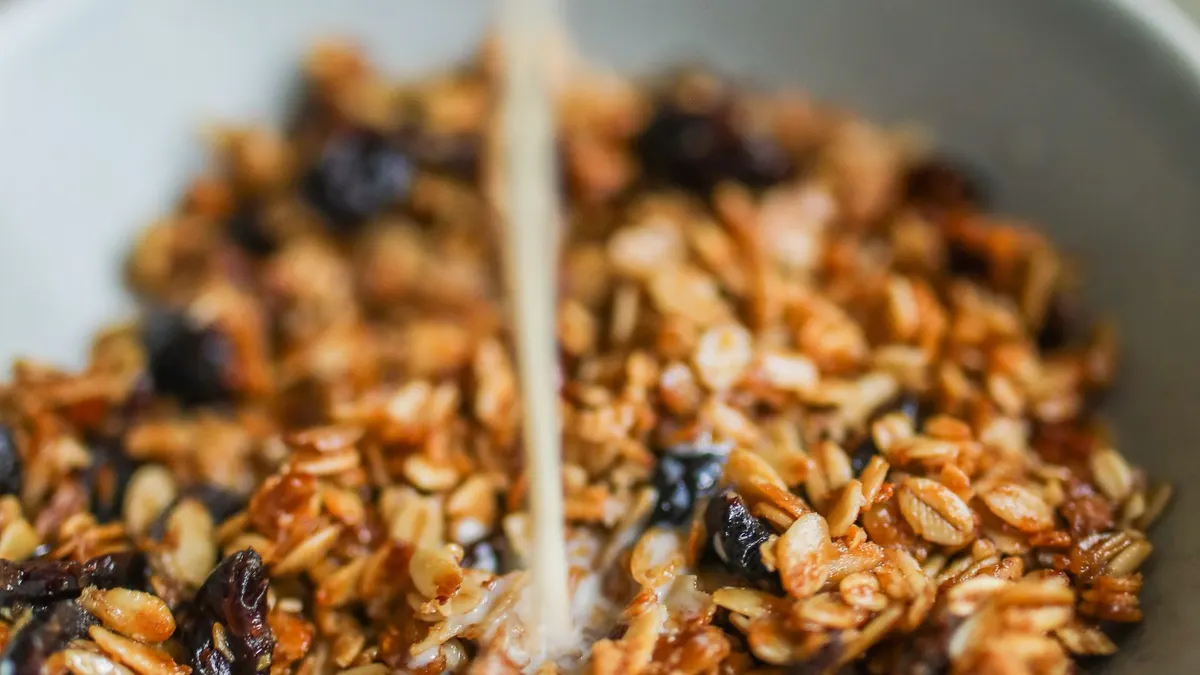
| Cereals, trail mixes and granola; popcorn and popcorn balls | Yes |
| Baked goods that do not need refrigeration | Yes baked in an oven or on a hot skillet, never fried or steamed |
| Baked goods with cream, uncooked egg, custard, meringue, cream cheese or fresh fruit toppings | No includes lemon bars, pumpkin and pecan pie |
| Pickles, salsa and other homemade acidified foods | No Nevada has a separate craft food law, handled by the Department of Agriculture |
| Meat, dairy and other animal products | No hard cheese may be grated sparingly into baked goods; soft cheese is not allowed |

Where and how you can sell
- In person only. Sales must be a person-to-person exchange at your home or private property, or at a licensed farmers market, flea market, swap meet, church bazaar, garage sale or craft fair. At a special event or farmers market in Clark County you also need approval from the event coordinator or market manager.
- To the person who will eat it. Selling by consignment, to a wholesaler or to a permitted food establishment is not allowed. Restaurants and stores cannot serve or sell cottage food.
- No shipping or third-party delivery. SNHD says the law prohibits selling food by telephone or over the internet when the food is mailed or delivered by someone else. A website or social media page may advertise your products but may not offer shipping. SNHD also says that food ordered by phone or internet may be delivered in person by the cottage food operator.
- In Nevada. You must live in Nevada and make the food here. A registered operator who lives outside Clark County can sell in Clark County after registering with SNHD.
Nevada labeling requirements
Every item must be packaged at home before transport and sale, and labeled to meet the federal rules (21 U.S.C. 343(w), 9 C.F.R. Part 317 and 21 C.F.R. Part 101). The label must also clearly say: “MADE IN A COTTAGE FOOD OPERATION THAT IS NOT SUBJECT TO GOVERNMENT FOOD SAFETY INSPECTION.” You are responsible for making your label accurate. Since July 1, 2023, label review is voluntary, and SNHD offers a paid review. Free samples are allowed only if the sample is an approved food, packaged in the home in a food-safe container.
100 Example Road, Henderson, NV
Inspections, training and insurance
Nevada law excludes a registered cottage food operation from the definition of a food establishment, so you do not need a health permit and are not on a routine inspection schedule. We did not find a food handler card requirement in the SNHD pages. Product liability coverage is still worth considering. See our guide to liability, risk and insurance.
Local rules and HOAs
Check your city or county business license, zoning and home occupation rules, your HOA covenants and your lease. For general background, see our planning and zoning guide.
Frequently asked questions
Do I need a permit to sell homemade food in Nevada?
You do not need a health permit, but you must register as a cottage food operation and receive an approval letter before you sell.
How much does registration cost in Nevada?
In Clark County it is $220 for fiscal year 2026 to 2027, and only through June 30, 2027. Other authorities set their own fees.
What is the Nevada cottage food sales limit?
$100,000 in gross sales per calendar year, counted before deducting ingredient costs.
Can I sell cottage food online in Nevada?
Not if the food is mailed or delivered by someone else. You can advertise online, and SNHD says an order taken by phone or internet may be handed over in person by you.
Can I sell to restaurants, stores or wholesalers?
No. Sales must go to the person who will eat the food.
Can I hire help or run it with a partner?
No. The registered operation must be one natural person; partners and employees are not permitted.
Can I sell pickles or canned vegetables?
Not as a cottage food. Nevada has a separate craft food law under the Department of Agriculture for some acidified and pickled foods.
What changes on July 1, 2027?
Assembly Bill 352 moves the program to the Department of Agriculture under NRS 585.700 to 585.770, and SNHD registrations end on June 30, 2027. The department is writing the regulations.
Note on conflicting sources
We read the Southern Nevada Health District’s cottage food page and its FAQ, which describe the current rules and cite NRS 580.600. The Nevada Legislature’s own website blocked our automated requests, so we did not read the statute text. Older guides still cite NRS 446.866 and a $35,000 sales limit; SNHD now states a $100,000 limit under NRS 580.600. A mirror of NRS 446.866 from May 2025 also describes local governments being barred from prohibiting cottage food operations and the health authority being limited to inspecting for adulterated food or an outbreak; we could not confirm that those provisions carried over to NRS 580.600. TODO verify: the text of NRS 580.600, the fees of districts other than SNHD, and the Department of Agriculture rules for the July 2027 program.
Official sources
- Southern Nevada Health District: Cottage Food Operations page and Cottage Food FAQ (read November 2026)
- Nevada Revised Statutes 580.600 (cottage food operations, in effect until June 30, 2027) and 585.700 to 585.770 (from July 1, 2027)
- Nevada Legislature, Assembly Bill 352 (2025)
- Nevada Department of Agriculture, Food Safety Program
- Not checked for this page: the statute text, other health districts’ fee schedules, and the Department of Agriculture rules