
Idaho Cottage Food Law (2026): Direct-to-Consumer Rules, Notice and Where to Sell
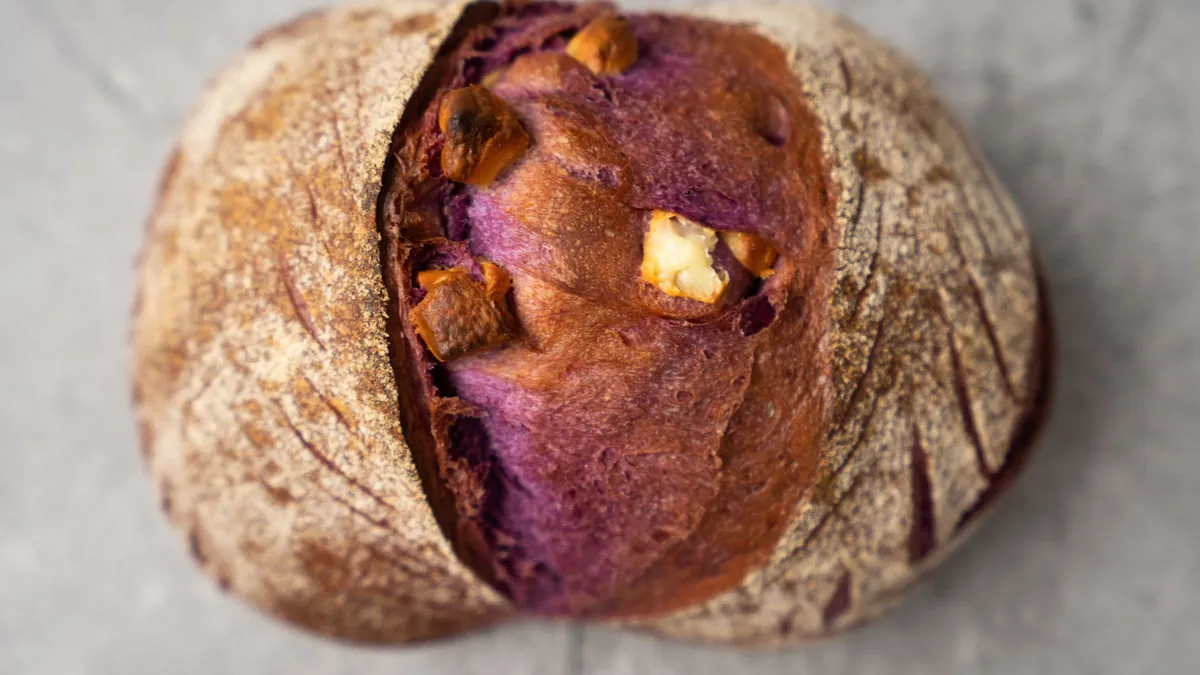
At a glance
- License or permit
- None. No routine licensing or inspection for sales covered by the act
- Annual sales limit
- None found in the sources we read
- Allowed foods
- Homemade food and non-alcoholic drinks, including shelf-stable and refrigerated products
- Where you can sell
- Directly to the end consumer inside Idaho, in person or online, or through a designated agent
- Not allowed
- Wholesale, resale, alcohol and, with limited exceptions, meat
- Required notice
- A sign, label or card with your name, contact information and ingredients, saying the product is not inspected or licensed
Who the Idaho law covers
The Idaho Direct-to-Consumer Commerce Act is a new Chapter 2 of Title 37 of the Idaho Code. Idaho’s Department of Health and Welfare says the act took effect on March 20, 2026 and replaces the cottage food rule that was in IDAPA 16.02.19. The act applies to transactions between a producer, or a producer’s designated agent, and an informed end consumer, and the transaction has to take place entirely in Idaho. It does not remove food safety law: the department can still investigate a confirmed foodborne illness, and the act does not shield a producer from a civil lawsuit.
What you can sell
The act is written around homemade food and non-alcoholic drinks sold in packages. Sources describing the bill say it reaches well beyond the old list of shelf-stable foods.
| Food | Allowed? |
|---|---|
| Baked goods, candy, jams, dried goods and other shelf-stable foods | Yes |
| Canned or pickled vegetables, sauces and other packaged foods that the old rule excluded | Yes described as eligible by the South Central Public Health District |
| Foods that need refrigeration (for example cheesecake or cream pie) | Yes, with limits keep them cold and give handling and storage instructions |
| Non-alcoholic drinks | Yes |
| Meat and meat products | Mostly no a bill analysis describes an exception for small-scale poultry |
| Alcoholic drinks | No |
| Wholesale sales or food sold for resale | No |
| Made-to-order food from a food truck, restaurant or fair booth | No these still need a standard health permit |
If you are unsure about a specific product, especially one with meat, dairy or a low-acid canned ingredient, ask your public health district before you sell it.
Do you need to register?
No. The act has no license, permit or registration step, and we found no food handler card requirement in the sources we read. Training is optional, but it is a good idea if you sell foods that need to stay cold. You still need to follow the notice rules below. Summaries of the act also describe transaction records, and a short fine if you cannot produce them during an outbreak investigation. The Department of Health and Welfare page does not address records, so read the statute for what to keep and for how long.
Home rules
The act does not set the old cottage food kitchen rules, but ordinary food safety still applies. Keep refrigerated products cold while you store and carry them, use clean equipment and packaging, and do not sell anything you have reason to think is unsafe. Local business license, home occupation and sales tax rules are separate from the act.
Idaho notice and label requirements
Producers and designated agents must tell the end consumer that the product is not subject to inspection or licensing. The notice can be a conspicuous sign, a label on the product or a card you hand to the buyer. It must include:
- your name and contact information;
- a statement that the product is not subject to government food safety inspection or licensing requirements;
- the ingredients, if the product has two or more;
- for refrigerated products, handling and storage instructions (described in summaries of the act).
The Department of Health and Welfare gives this sample wording: “This product is not subject to government food safety inspection or licensing requirements. It may contain allergens.”
Contact: [email protected]
Federal labeling rules also require naming major food allergens: milk, eggs, fish, crustacean shellfish, tree nuts, peanuts, wheat, soybeans and sesame.
Where you can sell
- Directly to the person who will eat it, in person, at your home, at a farmers market or online, as long as the whole transaction happens in Idaho. The buyer cannot be a business that will resell the food.
- Through a designated agent. A licensed food business can sell your products on a consignment basis without taking legal possession, as long as your goods are kept physically separate from inspected inventory. The agent must be identified in your records.
- Not outside Idaho. Selling across state lines can bring federal rules into play, so do not ship out of state.
- Not wholesale. The act does not exempt wholesale operations from regulation.
Training and insurance
Idaho does not require a food safety course for sales covered by the act, but one is recommended. Because the act leaves civil liability in place, product liability coverage is worth considering. See our guide to liability, risk and insurance.
Local rules and HOAs
Summaries of the act say state and local agencies cannot add licensing, permit, inspection, packaging or labeling rules that are stricter than the act. Ordinary local rules still apply, such as a business license, a home occupation permit and zoning, so ask your city or county. Private rules apply too, so check your HOA covenants and lease. For general background, see our planning and zoning guide.
Frequently asked questions
Can I sell food made in my home kitchen in Idaho?
Yes. Since March 20, 2026 you can sell homemade food and non-alcoholic drinks directly to consumers in Idaho without a license, permit or inspection, if you give the required notice.
Do I need a license to sell baked goods from home in Idaho?
No. The act has no license or registration requirement for covered sales.
Is there a sales limit in Idaho?
We did not find a sales limit in the sources we read. Check the statute text if your sales are large.
Can I sell cottage food online or by mail in Idaho?
You can sell online if the whole transaction, including delivery, stays inside Idaho. Do not ship out of state.
Can I sell to grocery stores or restaurants?
Not as wholesale. A licensed food business can act as your designated agent and sell your products on consignment, but it cannot use them as an ingredient or buy them for resale.
Can I sell pickles, salsa or canned goods in Idaho?
The South Central Public Health District describes canned vegetables, pickled products and sauces as eligible under the new act. Because the old rule excluded acidified foods, confirm your product with your public health district before you sell.
Note on conflicting sources
Many guides still describe the old Idaho cottage food rule, which allowed only low-risk foods and required a placard saying the food was made in a home kitchen not subject to inspection. Senate Bill 1283 replaced it on March 20, 2026, so those guides are out of date. A second bill, House Bill 526, would have limited sales to operations under $5,000 a year, but a public health district reported that it appeared to have died in committee. Some commercial guides disagree about records, training and temperature rules. We relied on the Department of Health and Welfare for the notice wording and effective date, and we did not state details that we could not confirm.
Official sources
- Idaho Code, Title 37, Chapter 2 (Idaho Direct-to-Consumer Commerce Act), enacted by Senate Bill 1283 (2026)
- Idaho Department of Health and Welfare: Food Safety
- Idaho public health districts (for example South Central Public Health District): food safety guidance
- IDAPA 16.02.19, Idaho Food Code (the superseded cottage food rule)
- U.S. Food and Drug Administration (FDA): Food Allergies (FASTER Act, sesame)