
Utah Home Consumption and Homemade Food Act (2026): No License, Labels and Where to Sell
At a glance
- License or permit
- No food license, permit, certification or inspection; a business license is still required under Utah Code section 10-1-203
- Annual sales limit
- None in the statute
- Allowed foods
- Homemade food and food products made in a private home kitchen, except raw dairy and meat (limited poultry and rabbit exceptions)
- Where you can sell
- Directly to an informed final consumer inside Utah, at a farm, ranch, farmers market, home, office or any place you and the consumer agree on
- Not allowed
- Sales to or use by restaurants or commercial establishments (except raw, unprocessed fruits and vegetables), and sales outside Utah
- Training required
- None in the statute
Who the Utah law covers
The law is Title 4, Chapter 5a of the Utah Code. A producer is a person who harvests or produces homemade food or a homemade food product. A homemade food product is prepared in a private home kitchen and can be used as food or as a nonalcoholic drink. The exemption covers state, county and city licensing, permitting, certification, inspection, packaging and labeling requirements, except as the chapter itself describes. It applies if you follow the chapter and the food is produced and sold in Utah, sold directly to an informed final consumer, meant for personal or home consumption and not excluded by section 4-5a-105.
Who the informed final consumer is
An informed final consumer is an individual who buys directly from the producer or the producer’s designated representative, does not resell the product and has been told that the product is not certified, licensed, regulated or inspected by the state. You must give that notice to every buyer. A designated representative is a person you contract to distribute, sell, deliver, hold, store or offer your product for sale, and you keep ownership of the product unless you agree to share or transfer it.
What you can sell
The Utah statute does not publish a list of approved foods. It excludes only two groups, and there are limits on where you may sell.
| Food | Covered? |
|---|---|
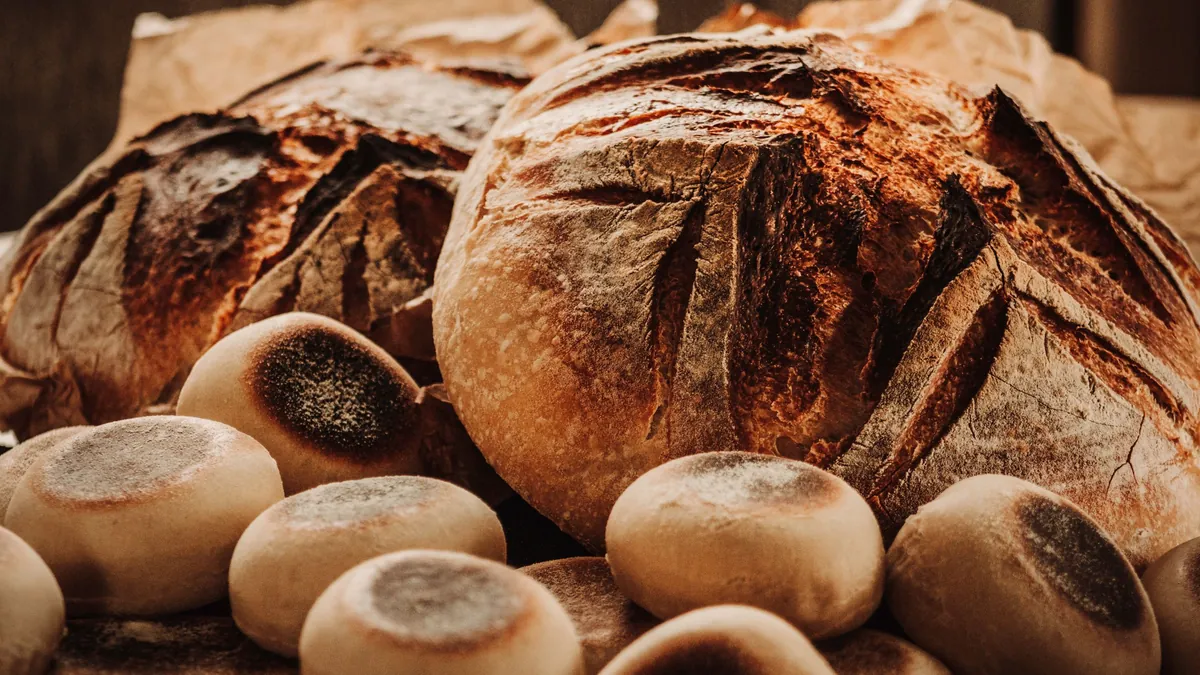
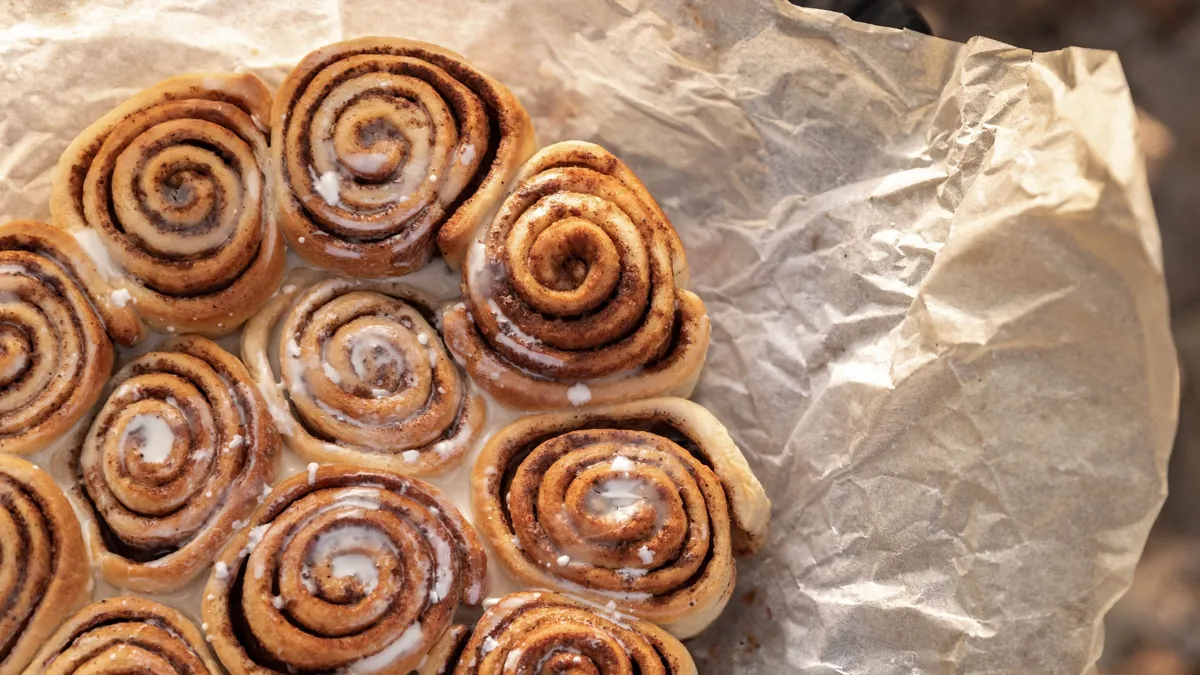
| Baked goods, breads, pastries and desserts | Yes |
| Jams, candies, snacks and dry mixes | Yes |
| Other homemade foods and nonalcoholic drinks made in a home kitchen | Yes the statute does not restrict them, but food safety still matters |
| Raw, unprocessed fruits and vegetables | Yes the only food you may sell to a restaurant or commercial establishment |
| Raw dairy and raw dairy products | No |
| Meat products | Limited only the poultry and domesticated rabbit exceptions in the statute; ask the Utah Department of Agriculture and Food |
| Food sold to restaurants, stores or other commercial establishments | No homemade food may not be sold to or used by them |
Sales limits and taxes
The statute does not set a sales limit. You must follow your city’s business license rules (Utah Code section 10-1-203). Under S.B. 217 of the 2026 session, sales of food and food ingredients or prepared food by a home cook are exempt from state sales tax, with the change taking effect July 1, 2026. Check the Utah State Tax Commission for how that applies to you.
Utah label requirements
Under section 4-5a-104, food sold under the act must be labeled with:
- the producer’s name and address;
- a disclosure statement that the product is not for resale and was processed and prepared without state or local inspection;
- a statement listing whether the food contains, or was prepared in a place that also handles, common allergens: milk, soy, wheat, eggs, peanuts or tree nuts, fish, or shellfish.
The label requirement does not apply to a direct sale by a home producer made up only of minor producers (under 18). Besides the label, you must tell each buyer that the food is not certified, licensed, regulated or inspected by the state or any county or city.
recommended
123 Sample Street, Anytown, UT 00000
Where you can sell
- Direct-to-sale locations: a farm, ranch, direct-to-sale farmers market, home, office or any place that you and the informed final consumer agree on. You or your designated representative may sell there.
- Direct-to-sale farmers markets: a market that sells homemade food under the act may include only products that are not certified, licensed, regulated or inspected by a state or local authority. If it is connected to a regular farmers market, the homemade food area must be separated and clearly marked.
- Only in Utah. The food must be both produced and sold inside Utah.
- Not allowed: selling to or supplying a restaurant or commercial establishment, except raw, unprocessed fruits and vegetables.
- Online: the statute does not mention online sales. Any online order still has to end in a direct sale to an informed final consumer inside Utah, so ask the Utah Department of Agriculture and Food how to handle delivery.
Training and insurance
The statute does not require a food safety course or insurance. A basic course and product liability coverage are still worth considering, and a market may ask for them. See our guide to liability, risk and insurance.
Local rules and HOAs
The exemption covers state, county and city food licensing, but not business license rules. Private rules apply too, so check your HOA covenants and lease. For general background, see our planning and zoning guide.
Frequently asked questions
Can I sell food from home in Utah?
Yes. Under the Home Consumption and Homemade Food Act, you can sell homemade food directly to informed final consumers inside Utah without a food license, as long as you label it and hold a business license.
Do I need a permit to sell baked goods from home in Utah?
You need no food permit or inspection. You do need a business license under section 10-1-203.
Is there a sales limit in Utah?
The statute does not set one.
Can I sell cottage food online in Utah?
The statute does not address online sales. The sale must still be direct to an informed final consumer inside Utah, so ask the state about delivery.
Can I sell to restaurants or stores?
No, except raw, unprocessed fruits and vegetables. Homemade food may not be sold to or used by a restaurant or commercial establishment.
Can I sell meat or raw milk?
Raw dairy is excluded. Meat is excluded apart from limited poultry and rabbit exceptions, so ask the Utah Department of Agriculture and Food.
Note on conflicting sources
Guides online often describe Utah as having a cottage food list or a registration. The Home Consumption and Homemade Food Act has neither. The Utah Department of Agriculture and Food also has a separate page called Cottage Food Production, which we could not read, so ask the department how it differs from this act. We could not open the Utah Department of Agriculture and Food pages (blocked by a security check, which we did not bypass). The text on this page comes from S.B. 217 (2026), which amended the act effective May 6, 2026, and from the 2018 enactment (H.B. 181) for the parts S.B. 217 did not change, including the raw dairy and meat exclusions. Confirm the current text and the label wording with the department.
Official sources
- Utah Code Title 4, Chapter 5a: Home Consumption and Homemade Food Act, as amended by S.B. 217 (2026 General Session, effective May 6, 2026)
- H.B. 181 (2018 General Session), which enacted the act
- Utah Department of Agriculture and Food: Home Consumption and Homemade Food Act guidance
- Utah Code section 10-1-203 (municipal business licenses)