
Wyoming Cottage Food Law (2026): Food Freedom Act, Limits and Where to Sell
At a glance
- License or permit
- None from the state for homemade food sold under the Act; the exemption applies to licensure, permitting, inspection, packaging and labeling
- Annual sales limit
- A “producer” may not make more than 250,000 individual products or earn more than $250,000 in gross revenue a year from them
- Allowed foods
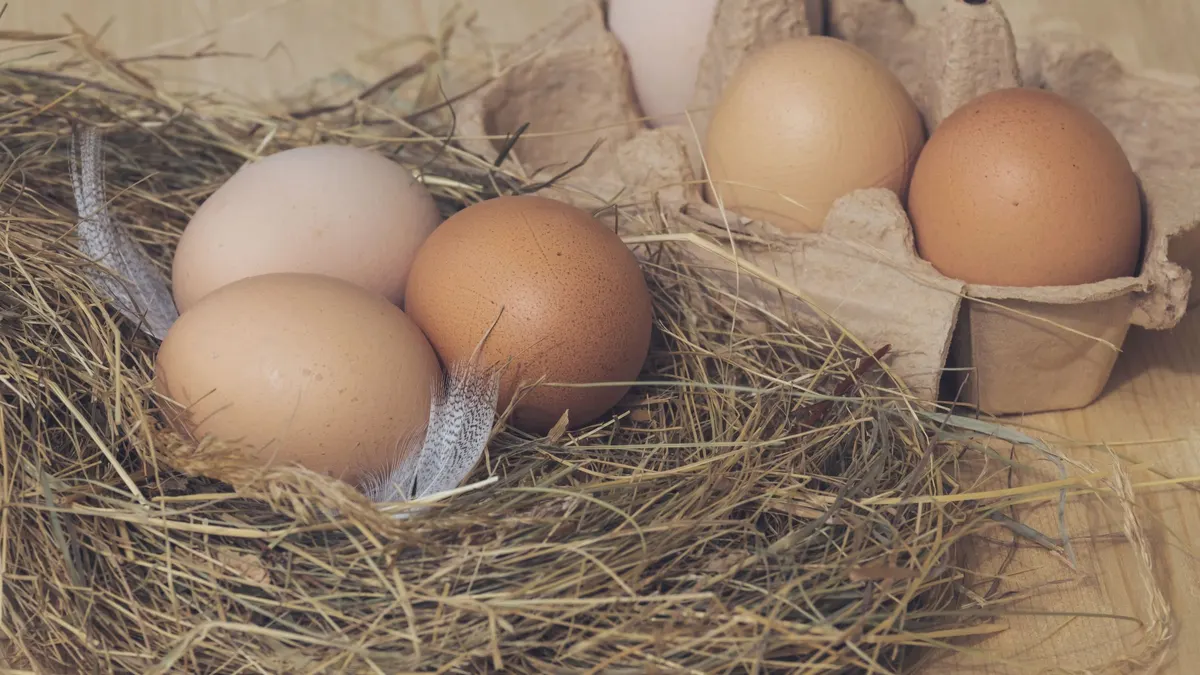
- Homemade food and drink, including foods that need temperature control, eggs and dairy; limited meat exceptions
- Where you can sell
- Farmers markets, farms, ranches, your home or office, a third-party shop for non-hazardous food, eggs and dairy, or an agreed place; in Wyoming only
- Not allowed
- Interstate sales, sales to or use in commercial food establishments (except raw, unprocessed fruits and vegetables), most meat, wild game
- Training required
- None in the Act
What is happening in 2026
A 2020 revision let producers sell through designated agents and third-party shops, and 2026 brought a dispute about the Act’s edges. According to news reports, the Wyoming Department of Agriculture (WDA) told WY Fresh Farm near Cheyenne in March that it could not sell certain meat without a food license, and in April it told Hippy Cow Creamery in Cody to stop selling lattes made with its own raw milk in its store. The farm says it had a 2022 understanding with the agency that it did not need a separate license, and the Act’s original author says the law does not clearly address designated agents for meat. WDA says it must follow the law as written, and that licensing lets the state trace recalls and check labels.
The Legislature’s Joint Agriculture, State and Public Lands and Water Resources Committee took up the issue on June 11 and 12, 2026. It did not adopt any directive that day. A committee working draft numbered 27LSO-0046 would let homemade or uninspected food, including unpasteurized milk with a written notice to the buyer, be used as an ingredient in commercial food establishments, and would let designated agents and third-party sellers sell meat from the producer’s own animals. Legislative Service Office staff warned in the draft that the Federal Meat Inspection Act bars direct-to-consumer sales of uninspected meat, so the meat provision would take effect only after the governor certifies that such sales have been legalized under federal law. In July 2026 the committee agreed to draft a bill that would create a “producer-retailer” exemption, with approval by the director of the Department of Agriculture, so that a producer could sell at a commercial location outside the home, such as a coffee shop. We found no enacted change. The working draft would take effect July 1, 2027, so the rules in this guide are the current statute.
Who and what the Act covers
The Act defines “homemade” food as food prepared or processed in a private home kitchen that is not licensed, inspected or regulated. A “producer” is a person who grows, harvests, prepares or processes food or drink on land the person owns or leases, makes no more than 250,000 individual food or drink products a year and takes in no more than $250,000 a year from them. The buyer must be an “informed end consumer,” the last person to buy the product, who does not resell it and who has been told it is not licensed, regulated or inspected. The food is meant for home consumption: eaten in a private home, or by family members, employees or nonpaying guests.
The Act separates foods by risk. “Non-potentially hazardous food” needs no time or temperature control and includes jams, uncut fruits and vegetables, pickled vegetables, hard candies, fudge, nut mixes, granola, dry soup mixes without meat, coffee beans, popcorn and baked goods with no dairy or meat frosting or filling. “Potentially hazardous food” needs time or temperature control and includes foods that need refrigeration, dairy products, quiches, pizzas, frozen doughs, meat, and cooked vegetables and beans. Both are covered by the Act, but the seller rules differ.
| Food | Allowed? |
|---|---|
| Baked goods without dairy or meat fillings, jams, candy and fudge | Yes non-potentially hazardous |
| Pickled vegetables, granola, nut mixes, popcorn and coffee beans | Yes non-potentially hazardous |
| Foods that need refrigeration, such as quiche, pizza or cooked dishes | Yes potentially hazardous: the producer or a designated agent must sell them |
| Eggs | Yes the producer, a designated agent or a third-party shop may sell them |
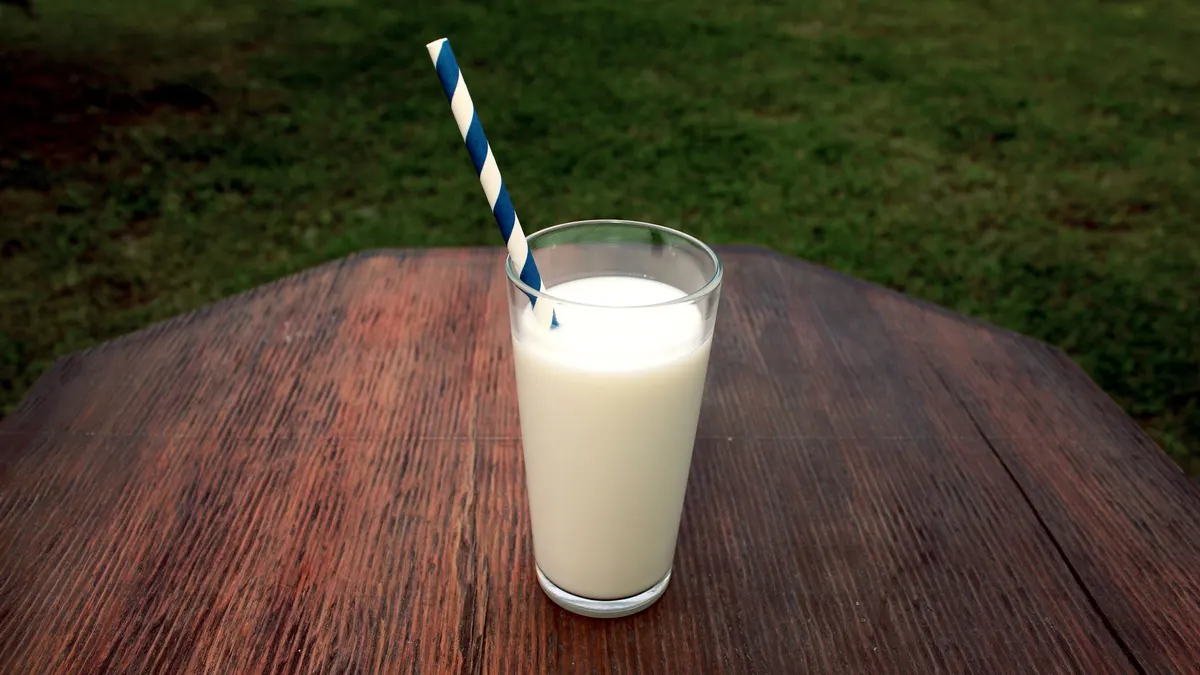
| Dairy products, including raw milk | Yes not as an ingredient in a commercial food establishment under current law |
| Poultry | Limited 1,000 birds a year of your own raising; buy and sell no other poultry |
| Domestic rabbit meat and farm-raised fish (not catfish) | Limited fish raised under Title 23 of the Wyoming statutes |
| Beef, pork, lamb and goat cuts | No except through an animal share or live-animal sale |
| Wild game and wild fish | No state law bars selling wild game and fish |
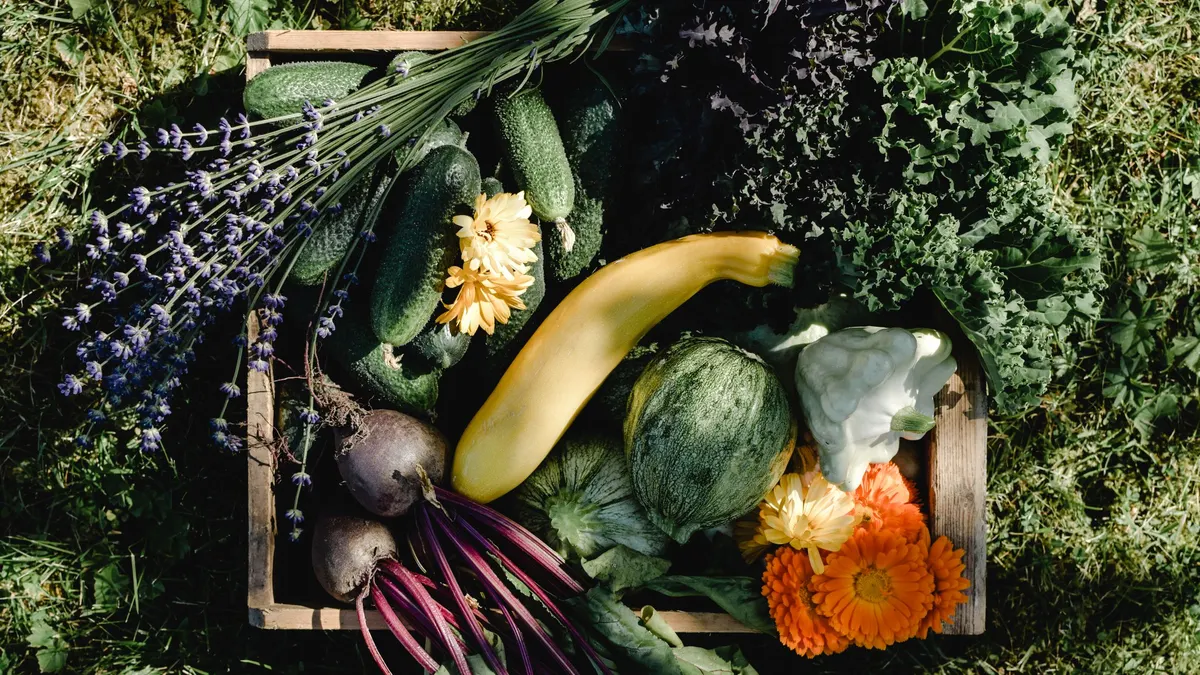
| Any homemade food sold to a restaurant, or used as an ingredient in one | No except raw, unprocessed fruits and vegetables |
Who can sell, and where
| Product | Who may sell it | Where |
|---|---|---|
| Eggs, dairy products and non-hazardous homemade food | The producer, a designated agent, or a third-party vendor such as a retail shop or grocery store. | Farmers market, farm, ranch, producer’s home or office, a third-party retail location, or any place the producer and buyer agree on. |
| Potentially hazardous homemade food (other than eggs and dairy) | The producer or a designated agent only. | Farmers market, farm, ranch, producer’s home or office, or an agreed place; not through a third-party shop. |
| Meat under an animal share | The farmer or rancher; the buyer receives meat from the animal or herd they own. | Delivered from the farm or ranch where the animal is. |
A “designated agent” is a person, consignment-model market or food freedom store that you name in writing to help with marketing, transport, storage and delivery. An agent may not take ownership of the food. Transactions must occur only in Wyoming and may not involve interstate commerce. The Act also lets producers sell homemade food, eggs and dairy to the maximum extent federal law allows, and bars the Department of Agriculture from setting an inspection standard for the Act that is stricter than the U.S. Department of Agriculture’s.
Telling your customers
- Is the buyer the last person to buy the food?Informed end consumers do not resell the product. Go to step 2.
- Do you tell the buyer the food is not inspected?The producer must inform the end consumer that any food sold at a farmers market or through ranch, farm or home sales is not certified, labeled, licensed, packaged, regulated or inspected. The Act does not say how. Go to step 3.
- Do you sell through a third-party shop?The shop must tell customers the same thing, show a sign, and keep homemade food off the shelf or display used for licensed food. Go to step 4.
- Is the food labeled for a shop sale?In a retail location or grocery store, non-hazardous food and dairy must be clearly labeled “this food was made in a home kitchen, is not regulated or inspected and may contain allergens.”
100 Example Road, Cody, WY
Retail space and third-party shops
You may sell homemade food from a retail space at your ranch, farm or home, or at the retail location of a third-party seller for non-hazardous food, eggs and dairy. A retail space must tell the buyer the homemade food has not been inspected and must post a sign saying so. If a retail space sells potentially hazardous homemade food (other than eggs and dairy) and is in any way associated with a commercial food establishment, or sells any inspected product, it must follow Department of Agriculture rules that require a separate door and cash register, signs showing which areas are inspected and which are not, separate coolers, freezers and storage, and any other steps the department sets so that the buyer is informed.
Meat, animal shares and live animals
The Act does not cover meat, with exceptions. You may sell poultry if you slaughter no more than 1,000 birds of your own raising a year, buy and sell no other poultry products, and the product is not adulterated or misbranded. You may sell live animals, portions of live animals before slaughter for future delivery, domestic rabbit meat and farm-raised fish other than catfish. You may also deliver meat under an animal share (W.S. 11-49-104): the buyer owns an animal or herd under a written contract with a bill of sale and a boarding provision, ownership is established before slaughter, the meat comes from that animal or herd and is received at the farm or ranch, a prominent warning says the meat has not been inspected, and the farmer gives the buyer information on herd health and processing standards. Buyers may not sell, donate or commercially redistribute the meat, and you may not imply the Department of Agriculture’s approval. Brand inspection and animal health inspection rules are unchanged.
Common situations
| Situation | Covered by the Act? | What to know |
|---|---|---|
| Selling cookies and jam at a farmers market | Yes | Tell buyers the food is not inspected. A farmers market itself is a place with several vendors; the Wyoming health department’s 2017 guidance says it can be inspected. |
| Selling eggs or raw milk from your farm | Yes | Direct sales are covered. Eggs must meet the Wyoming Food Rule and USDA rules on cleaning and refrigeration, and should be labeled with the producer’s name and address, a packing date, “ungraded” and “keep refrigerated,” according to the health department’s 2017 guidance. |
| Selling through a local grocery store | Yes, for non-hazardous food, eggs and dairy | Use the label wording and keep homemade items on a separate shelf. |
| Using your raw milk in lattes sold in your own store | Disputed | The Department of Agriculture told a Cody creamery to stop in 2026. The committee draft would change this. |
| Selling cuts of beef, pork or lamb | No | Use an animal share or a state or federally inspected plant. Designated-agent meat sales are the subject of the 2026 dispute. |
| Cooking food on site at a market | No | The health department’s 2017 guidance says on-site preparation becomes a temporary food stand that needs a license. |
| Taking orders online | Yes, for delivery in Wyoming | The 2017 guidance says internet sales are allowed only for delivery within Wyoming. |
| Shipping out of state | No | Transactions must occur only in Wyoming and may not involve interstate commerce. |
Inspections, illness and local rules
The Act does not stop the Wyoming Department of Health from investigating foodborne illness. An agency may also give assistance, consultation or inspection if you ask. If you fail to inform the buyer, the health department’s 2017 guidance says you are no longer operating under the Act and the standard food licensing and safety rules apply. The Act says nothing on zoning, so check your county or city zoning and home occupation rules, your HOA covenants and your lease. For background, see our planning and zoning guide.
Liability and insurance
The statute section is titled “purpose; exemptions; assumption of risk.” It exempts homemade food from regulation, but we found nothing that removes your liability if a customer gets sick. Product liability insurance is worth pricing, especially if you sell foods that need temperature control or sell through a third party. See our guide to liability, risk and insurance.
Frequently asked questions
Do I need a license to sell homemade food in Wyoming?
Not under the Wyoming Food Freedom Act, as long as you follow its conditions, including telling the buyer the food is not inspected.
Is there a sales limit in Wyoming?
Yes, through the definition of “producer”: no more than 250,000 individual products and $250,000 in gross revenue a year.
Can I sell food that needs refrigeration?
Yes. The Act covers potentially hazardous food, but only the producer or a designated agent may sell it, and it cannot go through a third-party shop.
Can I sell raw milk?
Yes, directly to consumers. Under current law raw milk cannot be used as an ingredient in a licensed commercial food establishment.
Can I sell at a farmers market or through a grocery store?
Yes. Grocery sales are allowed for non-hazardous food, eggs and dairy, with the home-kitchen label and a separate shelf.
Can I sell meat?
Mostly no. Poultry up to 1,000 birds, rabbit, farm-raised fish other than catfish, live animals and animal shares are the exceptions.
Can I sell to restaurants?
No, except raw, unprocessed fruits and vegetables.
Can I ship food or sell online?
Not across state lines. The health department’s 2017 guidance allows internet orders for delivery within Wyoming.
Is the law about to change?
Possibly. A committee of the Legislature is drafting bills for the 2027 session on commercial sales by producers, raw milk and meat by designated agents. We found no enacted change.
Note on conflicting sources
We read the current text of W.S. 11-49-101 to 11-49-104, as published in a 2024 summary by the Casper-Natrona County Health Department, the Legislative Service Office’s June 2026 working draft 27LSO-0046, and the 2017 enrolled act that made the home-kitchen amendments. The state Legislature’s statute search and the Department of Agriculture’s own guidance pages were not available to us. Our account of the 2026 enforcement actions and committee meetings comes from news reports by Cowboy State Daily, the Wyoming Livestock Roundup and Wyoming Public Media; they are secondary sources and some details differ among them. The question-and-answer sheet from the Casper-Natrona County Health Department was revised in 2017, before the 2020 changes that allowed third-party sellers, so we use it only for points the statute still supports. TODO verify: the current statute text on the Legislature’s website, any Department of Agriculture guidance on designated agents and licensing, the outcome of the committee’s September 22, 2026 meeting, and any bill filed for the 2027 session.
Official sources
- Wyoming Statutes 11-49-101 to 11-49-104, Wyoming Food Freedom Act (Chapter 49, Marketing Homemade Foods)
- Wyoming Legislature, Joint Agriculture, State and Public Lands and Water Resources Committee: working draft 27LSO-0046, Wyoming Food Freedom Act amendments (June 2026)
- Wyoming Legislature, 2017 Enrolled Act 55 (House Bill 129) and 2020 session law amendments
- Wyoming Department of Agriculture and Wyoming Department of Health (foodborne illness investigations)
- Not checked for this page: the Legislature’s statute text, Department of Agriculture guidance and the committee’s later meetings