
Nebraska Cottage Food Law (2026): Registration, Foods, TCS Rules and Labels
At a glance
- License or permit
- Registration with NDA before any sale, which requires a food safety course (not required for non-TCS food sold only at a farmers market)
- Fee and renewal
- The NDA page does not state a fee or renewal requirement
- Annual sales limit
- None stated on the NDA page
- Allowed foods
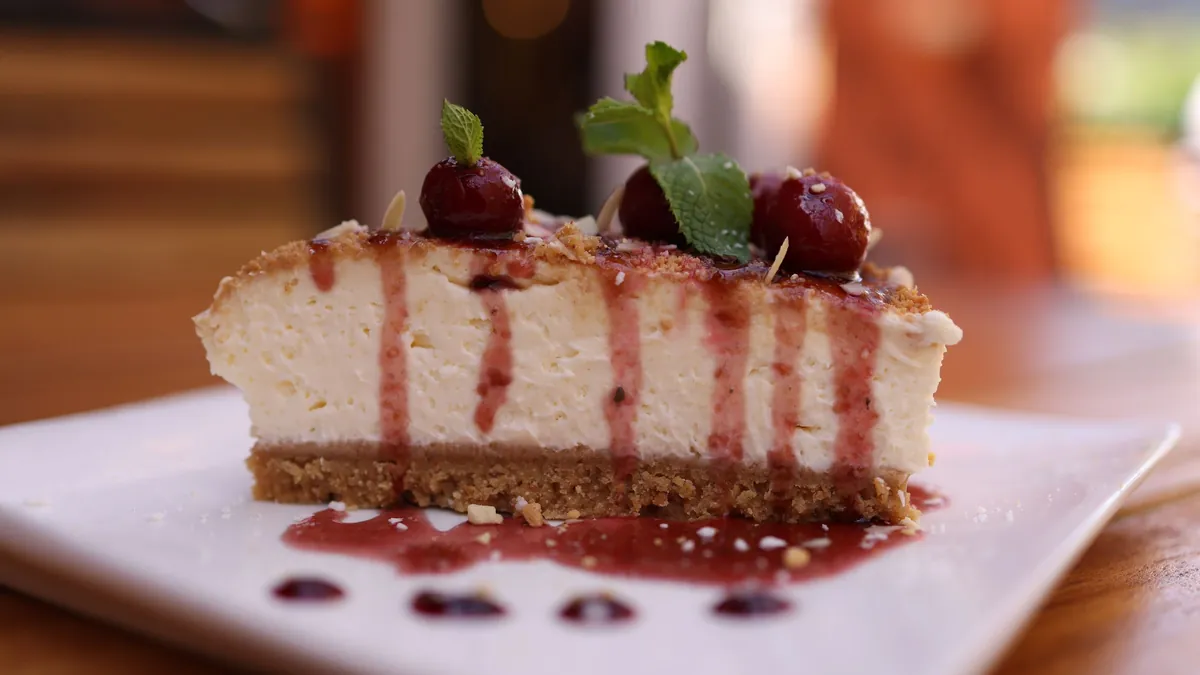
- Homemade foods prepared in a private home, including non-TCS foods and some TCS foods such as cakes, jams made with pectin, chocolate-covered strawberries, and cheesecake or ice cream made with milk from approved sources
- Where you can sell
- Farmers markets, fairs, festivals, craft shows and other public events, and pickup at or delivery from your home, directly to the customer
- Shipping
- Non-TCS foods can be shipped by USPS or a commercial carrier; TCS foods must be delivered in person by you
- Not allowed
- Resale by a third party, wholesale, meat and many other TCS foods
Who the Nebraska cottage food rules cover
The rules are part of the Nebraska Pure Food Act and are run by NDA. LB 304 (2019) allowed homemade foods already approved for farmers market sale to be sold directly to consumers from the producer’s home, at fairs, festivals and other public events, or online for pickup or delivery within Nebraska. LB 262, effective July 19, 2024, expanded the foods allowed to include some foods that need time and temperature control (TCS). Products must be made in a private home; mobile trailer operations do not qualify. The foods must not be adulterated. State cottage food rules override conflicting local food safety ordinances.
What you can sell
| Food | Allowed? |
|---|---|
| Fully cooked cakes and other baked goods | Yes |
| Pectin-based jams and jellies | Yes |
| Chocolate-covered strawberries | Yes |
| Cheesecake, ice cream and cheese made with milk from approved sources | TCS rules keep at 41°F or colder, deliver in person, no more than two hours in transport |
| Freeze-dried foods | Conditions only if not otherwise excluded |
| Meat, animal parts and byproducts, including lard, tallow and bone broth | No |
| Fluid milk products under the Grade A ordinance, and raw milk products | No raw milk may be sold only on the farm to the end user |
| Raw eggs, unpasteurized juice and sprouts | No |
| Infused oils and infused honey | No |
| Low-acid canned and acidified hermetically sealed foods, including hermetically sealed barbecue sauce | No |
| Tofu, tempeh and similar meat substitutes | No |
| Kimchi, kombucha and similar fermented foods | No |

How to register
- Complete a food safety course, unless you will sell only non-TCS foods directly at a farmers market. NDA accepts a nationally accredited course, a certified culinary school or county-required food handler course, or a course the department approves. Examples it lists include ServSafe, StateFoodSafety and the UNL Cottage Food Law online course.
- Register with NDA before any sale, using its form. You give your name, address and phone number, the type of course and completion date, and, if you use well water, proof of nitrate and bacteria testing.
- NDA lists registered producers on a public list, which can take up to 10 days to update. Email [email protected] to change contact details.
Temperature-controlled (TCS) foods
If you sell TCS food, you must keep it at 41 degrees Fahrenheit or colder at a market, deliver it only in person yourself, keep the temperature the Nebraska Pure Food Act requires during transport and transport it for no more than two hours. TCS food cannot be shipped.
Nebraska cottage food label and notice requirements
- Show your name and a specific contact mailing address on the package or container. A city name alone is not enough.
- Label TCS food with its ingredients in descending order by weight.
- At in-person events, post a clearly visible notice that the food was prepared in a kitchen that is not subject to regulation and inspection by the regulatory authority and may contain allergens.
- For pickup or delivery sales, show the same notice at your home, on your website if you have one and in your print, radio, TV or internet ads.
123 Sample Street, Anytown, NE 00000
TCS food: keep at 41°F or colder
confirm the exact wording with NDA
Where you can sell
- Allowed: farmers markets, fairs, festivals, craft shows and other public events, and pickup at or delivery from your home. Follow any farmers market vendor rules.
- Directly to the customer: a third party, such as a coffee shop, cannot resell your food. Wholesale to restaurants, grocery stores and similar businesses is not allowed.
- Shipping: non-TCS food may be sent by USPS or a commercial carrier; TCS food cannot be shipped.
Training and insurance
A food safety course is part of registration unless you sell only non-TCS foods directly at a farmers market. Insurance is not part of the rules, but product liability coverage is worth considering. See our guide to liability, risk and insurance.
Local rules and HOAs
Nebraska’s cottage food rules override conflicting local food safety ordinances, but cities may still have zoning or business license rules, and private rules apply too. Check your HOA covenants and lease. For general background, see our planning and zoning guide.
Frequently asked questions
Can I sell food from home in Nebraska?
Yes. Register with NDA, complete a food safety course (unless you sell only non-TCS foods at a farmers market) and follow the food, label and sales rules.
Do I need a license to sell baked goods from home in Nebraska?
You register with NDA instead of getting a license. The NDA page lists no fee.
Is there a sales limit in Nebraska?
The NDA page does not state one, and UNL Extension says producers can sell outside the farmers market season with no sales limit, subject to conditions.
Can I sell cottage food online or by mail in Nebraska?
You may take orders online for pickup or delivery in Nebraska. Non-TCS food can be shipped; TCS food cannot.
Can I sell cheesecake?
Yes, if it is made with milk from approved sources, kept at 41 degrees Fahrenheit or colder and delivered in person by you.
Can I sell to restaurants or stores?
No. You must sell directly to the customer, and a third party cannot resell the food.
Note on conflicting sources
Guides online often leave out the 2024 TCS changes, or say that no registration or course is needed. NDA requires registration and a course, except for non-TCS food sold only at farmers markets. Some guides give exact event-notice wording that differs from NDA’s. We read NDA’s cottage food page and a short UNL Extension overview, and could not open the statute text or the NDA registration form, so confirm fees, renewals and the exact notice wording with NDA.
Official sources
- Nebraska Department of Agriculture: Cottage Food Registration page
- Nebraska Pure Food Act; LB 304 (2019) and LB 262 (2024)
- University of Nebraska–Lincoln Extension: Cottage Food Law
- U.S. Food and Drug Administration (FDA): Food Allergies (FASTER Act, sesame)