
Colorado Cottage Food Law (2026): Foods, Limits, Labels and the 2027 Tamale Act
At a glance
- License or permit
- None under current law. From January 1, 2027, annual registration with the Colorado Department of Public Health and Environment (CDPHE)
- Annual sales limit
- Through December 31, 2026: $10,000 in net revenue per product; each type or flavor counts separately. From January 1, 2027: $150,000 or less in gross sales per calendar year
- Allowed foods (current)
- Non-potentially hazardous foods such as baked goods, jams, candies, pickled fruits and vegetables with a pH of 4.6 or below, honey, dry teas and spices, roasted coffee beans and up to 250 dozen eggs a month
- Where you can sell
- Directly to informed end consumers inside Colorado, including by internet; not to restaurants or grocery stores
- Training required
- A food safety course before you start (CSU Extension course, a food handler card or a local public health course)
Who the Colorado Cottage Foods Act covers
The Cottage Foods Act (section 25-4-1614 of the Colorado Revised Statutes) lets people produce and sell eligible foods from home. CDPHE requires producers to finish a food safety training course before starting. A producer or the producer’s designated representative, someone who knows the product and can answer consumer questions, must sell the product directly to an informed end consumer. An informed consumer has been given the product name, the address where the food was prepared, the producer’s current phone number or email address, the date the food was produced, the ingredients, and a disclaimer that the food was prepared in a home kitchen not subject to licensure or inspection and may contain common allergens.
What you can sell
| Food | Allowed? |
|---|---|
| Muffins, fruit pies, cookies and cakes | Yes |
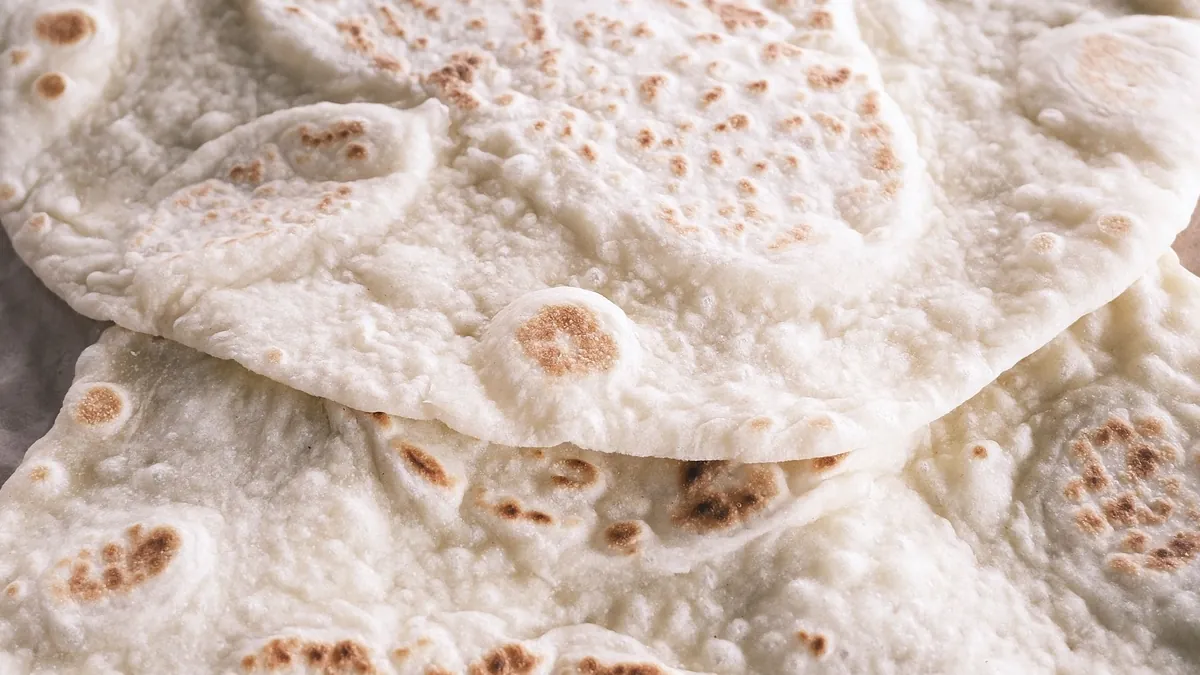
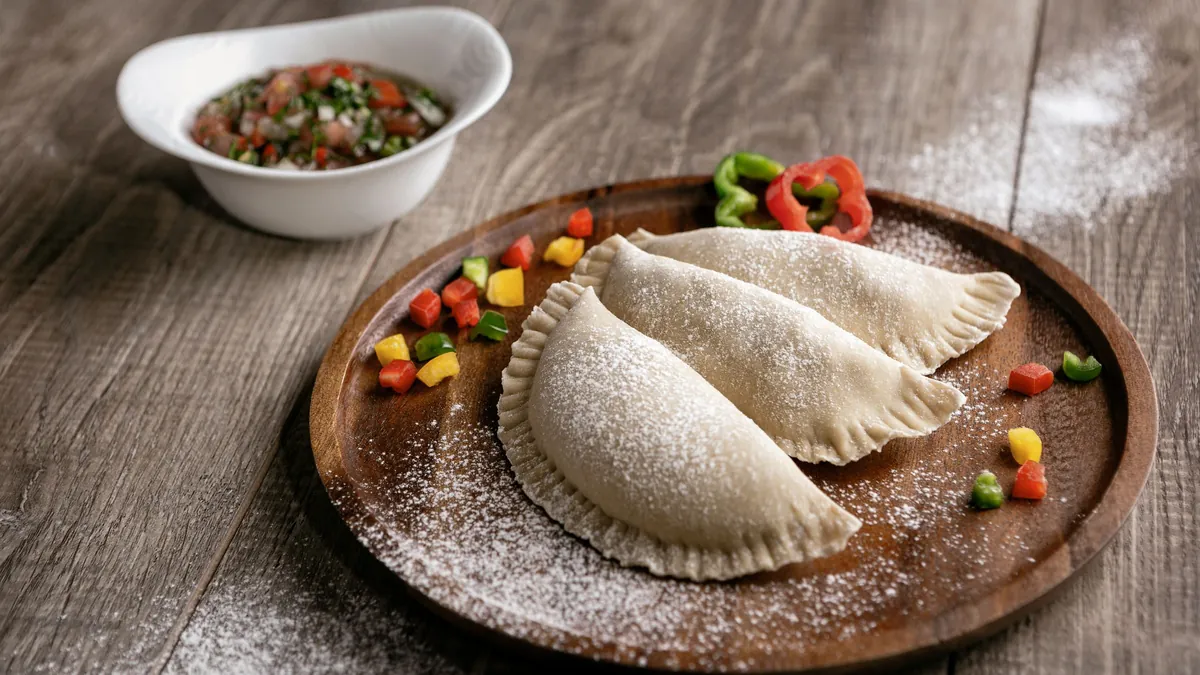
| Flour, tortillas, fruit empanadas and similar products that need no refrigeration | Yes |
| Candies, including cotton candy and fudge | Yes |
| Honey, jams, jellies, preserves and fruit butter | Yes |
| Pickled fruits and vegetables | Yes finished equilibrium pH of 4.6 or below |
| Dry spices, dry teas, dehydrated and freeze-dried produce, nuts and seeds | Yes |
| Roasted coffee beans | Yes |
| Whole eggs | Yes up to 250 dozen a month |
| Buttercream frosting | Conditions only if made with ghee or vegetable oil, not butter |
| Meat, poultry, fish and shellfish, including as ingredients or toppings | No |
| Cream, custard or meringue fillings or toppings, and cream, pumpkin or sweet potato pies | No |
| Sauces, condiments and salad dressings (barbecue, hot sauce, ketchup, mustard) | No |
| Beverages, juices and cut fresh fruits or vegetables | No |
| Pepper jelly, and jams made with fresh or homemade dehydrated peppers | No |
| Freeze-dried meals, and products containing CBD or THC | No |
Sales limit
Through December 31, 2026, CDPHE counts the limit as $10,000 in net revenue for each product. Its example is muffins: blueberry, banana and chocolate chip muffins each get their own $10,000. Starting January 1, 2027, the Tamale Act replaces this with a single limit of $150,000 or less in gross revenue per calendar year, which CDPHE adjusts for inflation.
Colorado cottage food label requirements
All cottage foods must be packaged and labeled before sale. CDPHE says each product needs the product name, the address where it was prepared, your current phone number or email address, the date it was produced, the ingredients, and a disclaimer that it was produced in a home kitchen without regulatory oversight and may contain common allergens. You may not label a cottage food “allergen free,” and a product may be labeled “organic” only if it is certified by a USDA-accredited agency.
At the point of sale, you must display a placard, sign or card with this disclaimer: “This product was produced in a home kitchen that is not subject to state licensure or inspection. This product is not intended for resale.” If you sell online, the disclaimer must appear on your website.
123 Sample Street, Anytown, CO 00000
555-0100
confirm the exact wording with CDPHE
Where you can sell
- Directly to the informed end consumer, by you or your designated representative, at one or several places and events, including the same day.
- Online: allowed, as long as delivery does not involve interstate commerce.
- Only in Colorado. Products cannot be resold.
- Not allowed: sales to restaurants or grocery stores, catered events, and sales by a retail food establishment. A store front or consignment arrangement works only if the store and its employees act as your designated representative.
What changes on January 1, 2027
HB26-1033, the “Tamale Act,” was signed June 4, 2026. CDPHE says its changes start January 1, 2027, and that its information is for reference only until then. The changes include:
- annual registration with CDPHE;
- a CSU Extension training certificate or an equivalent course, required for registration;
- foods that need time and temperature control, including meat, with limits (for example, one such food plus up to five variations, meat from federally inspected sources, and one transport trip of no more than two hours);
- a limit of $150,000 or less in gross sales per calendar year instead of $10,000 per product;
- labels that show your CDPHE registration number, the county where the food was prepared, your phone number or email address, the date produced, a complete ingredient list, an updated disclaimer that also says “This product is not intended for resale,” and the CDPHE cottage food web address;
- fines of up to $100 and recovery of investigation costs of up to $1,000, and a ban on selling temperature-controlled foods after three violations within 12 months.
Until January 1, 2027, the rules above for current law still apply.
Training and insurance
Current law requires a food safety course before you start. You can take the Food Safety Training for Colorado Cottage Food Producers from CSU Extension, get a food handler card from an online course, or attend a course offered by your local public health agency. Certificates must be kept in good standing. Your cottage food business is subject to income and sales tax, and in some places you may need local licenses. Product liability coverage is also worth considering; see our guide to liability, risk and insurance.
Local rules and HOAs
Your city or county may have zoning or business license rules, and private rules apply too, so check your HOA covenants and lease. For general background, see our planning and zoning guide.
Frequently asked questions
Can I sell food from home in Colorado?
Yes, if it is an eligible non-potentially hazardous food, you have completed a food safety course, it is labeled correctly and you sell it directly to informed consumers inside Colorado.
Do I need a license to sell baked goods from home in Colorado?
No license is needed under current law. From January 1, 2027, you must register with CDPHE every year.
What is the Colorado cottage food sales limit?
Through December 31, 2026, $10,000 in net revenue per product per year. From January 1, 2027, $150,000 or less in gross sales per calendar year.
Can I sell cottage food online in Colorado?
Yes, as long as the sale does not involve interstate commerce. Show the point-of-sale disclaimer on your website.
Can I sell to restaurants or grocery stores?
No. Cottage foods cannot be sold to restaurants or grocery stores or resold.
Can I sell tamales?
Not under current law, because tamales need temperature control. The Tamale Act is meant to allow them from January 1, 2027, with registration and extra rules.
Note on conflicting sources
Guides online mix up the current rules and the 2027 rules, call the current limit a gross limit rather than net revenue per product, or list different label wording. CDPHE’s current page describes net revenue per product and its 2027 page describes the new $150,000 gross limit, so we follow CDPHE for each period. CDPHE’s registration page for 2027 is still marked “coming soon,” and we could not read the full text of HB26-1033, so check CDPHE for registration steps and final label wording before January 1, 2027.
Official sources
- Colorado Department of Public Health and Environment (CDPHE): Cottage Foods Act page and 2027 Tamale Act pages
- Colorado Revised Statutes section 25-4-1614 (Cottage Foods Act)
- HB26-1033, Expanding the Colorado Cottage Foods Act (signed June 4, 2026; effective January 1, 2027)
- U.S. Food and Drug Administration (FDA): Food Allergies (FASTER Act, sesame)