
Montana Cottage Food Law (2026): Local Food Choice Act and Where to Sell
At a glance
- License or permit
- None under the Local Food Choice Act; the older cottage food law has a registration
- Annual sales limit
- None found for the Local Food Choice Act
- Allowed foods
- Foods you harvest, produce or prepare in your home kitchen, with limits for shelf-stable preserved foods, meat, drugs, alcohol, marijuana and CBD
- Where you can sell
- Directly to consumers, at farmers markets and at local community events in Montana
- Not allowed
- Sales through retail, resale or wholesale, and sales from an unmanned roadside stand or kiosk off your property
- Training required
- None under the Local Food Choice Act
Two Montana routes
| Question | Local Food Choice Act | Cottage food law (older route) |
|---|---|---|
| Licensing | Exempt from food licensure, permitting, certification, packaging, labeling and inspection. | Registration with the county sanitarian and compliance with specific rules, including labeling. |
| Who can sell | Farmers, ranchers and homemade food producers and their employees, selling directly to the end consumer. | People whose products qualify as cottage foods. |
| Where you can sell | Direct to consumers, farmers markets and local community events in Montana. | Farmers markets, community events and directly from a home, according to MSU Extension. |
| Customer notice | You must tell the end consumer the food has not been through official regulation or inspection. | Follow the labeling rules of the cottage food law. |
| Wholesale | Not allowed. | Needs a wholesale license and a licensed commercial kitchen. |
How the Local Food Choice Act works
- Are you a farmer, rancher or homemade food producer?The act covers you and your employees when you sell directly to the end consumer. Go to step 2.
- Is the food one you harvested, produced or prepared in your home kitchen?Foods from a business or commercial kitchen are not covered. Go to step 3.
- Is it free of meat, drugs, alcohol, marijuana and CBD?MSU Extension lists these as outside the act, with separate rules for small dairy and for poultry. Go to step 4.
- Will you sell directly to the consumer in Montana?Direct sales, farmers markets and community events are covered; retail, resale and wholesale are not. Go to step 5.
- Do you tell the buyer the food is unregulated?Producers must inform the end consumer that the food has not been through official regulation or inspection.
What you can sell
| Food | Allowed? |
|---|---|
| Baked goods, jams, candy, granola and other foods prepared in your home kitchen | Yes for personal, household or family use |
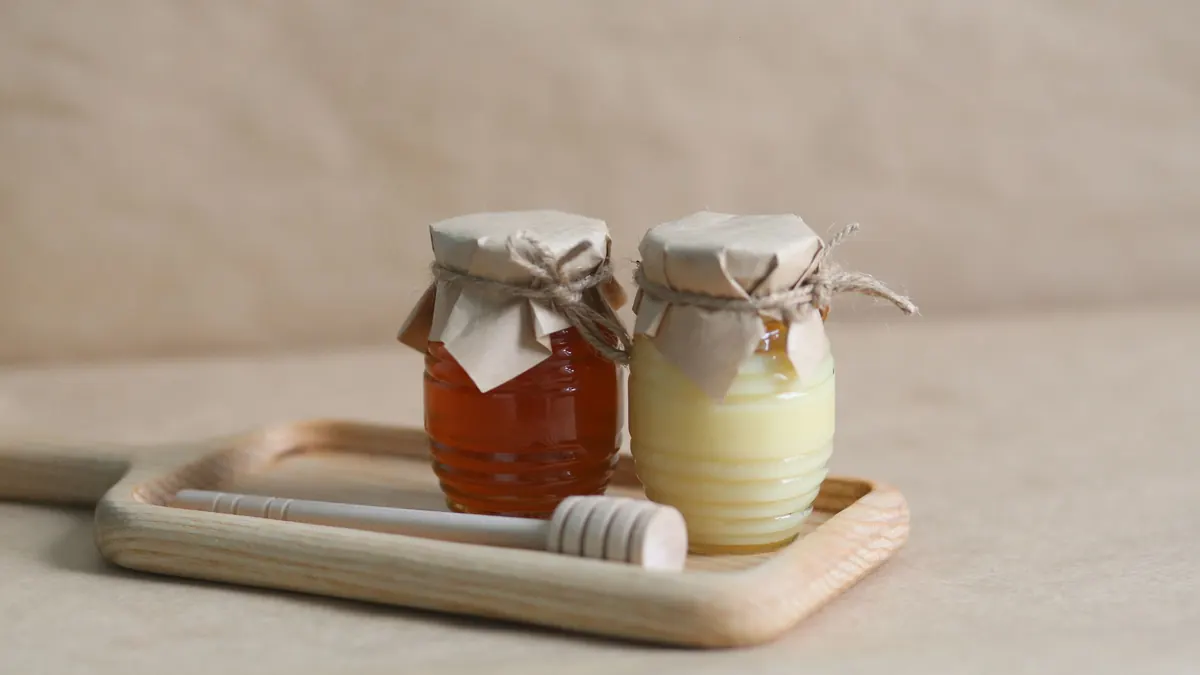
| Fresh produce, honey and other foods you harvest or produce | Yes |
| Shelf-stable, high-risk (low-acid or acidified) preserved foods | Federal step MSU Extension says to file an FDA exemption |
| Raw milk from a small dairy | Special rule five or fewer lactating cows, or ten or fewer goats or sheep, with state testing and reporting |
| Home-processed poultry | Special rule a 1,000-bird annual exemption; federal requirements still apply |
| Products containing meat, drugs, alcohol, marijuana or CBD | No |
| Foods prepared in a business or commercial kitchen | No |
| Foods sold at wholesale or through a retailer or distributor | No |
The act does not change federal rules on safety, labeling and record keeping. Producers may not make health claims that turn a food into a drug or supplement.
Where you can sell
- In Montana only. Sale and delivery must be in Montana.
- Directly to the end consumer, at farmers markets and at local community events.
- Not through businesses. Retail, resale, wholesale and sales through a second-party distributor are not covered, and neither are sales that conflict with an already licensed food establishment.
- Not from an unmanned roadside stand or kiosk away from your property.
Montana labeling and customer notice
The act exempts you from state food labeling rules, but you must inform the end consumer that the homemade food has not been through official regulation or inspection. Federal labeling rules still apply where they cover your product. We did not find an exact wording for the notice in the sources we could read, so write it plainly and ask your county sanitarian or DPHHS what they recommend. Under the older cottage food law, specific labeling rules apply.
100 Example Road, Bozeman, MT
Liability
The act does not remove liability. Producers can still be sued for foodborne illness or product defects. MSU Extension suggests product liability insurance, forming a corporation or limited liability company, and following food safety practices even when the law does not require them. See our guide to liability, risk and insurance.
The older cottage food law
If a product does not fit the Local Food Choice Act, MSU Extension lists the cottage food law as an alternative, with sales at farmers markets, community events and directly from a home, and rules such as labeling. It also lists a wholesale license, which needs a licensed commercial kitchen and inspection. Contact your county sanitarian or the Department of Public Health and Human Services at 406-444-2837 for the current rules and any registration fee.
Local rules and HOAs
Check your county and city zoning and home business rules, your HOA covenants and your lease. For general background, see our planning and zoning guide.
Frequently asked questions
Do I need a license to sell homemade food in Montana?
Not under the Local Food Choice Act, which exempts qualifying producers from licensing, permitting, certification, packaging, labeling and inspection rules. The older cottage food law has a registration.
What is the Montana Local Food Choice Act?
Senate Bill 199, enacted in 2021 and updated in 2023, a law that lets farmers, ranchers and homemade food producers sell directly to end consumers without state food licensing and inspection.
Is there a sales limit in Montana?
We found no sales limit for the Local Food Choice Act in the sources we read.
Can I sell homemade food online in Montana?
Sales and delivery must be in Montana and directly to the consumer. The sources we read do not describe online orders; ask your county sanitarian.
Can I sell to stores or restaurants?
No. Retail, resale and wholesale are not covered; that takes a wholesale license and a licensed kitchen.
Can I sell meat or raw milk under the act?
Products with meat are outside the act, with separate rules for home-processed poultry (1,000 birds a year) and for raw milk from a small dairy. Federal requirements still apply.
Can I sell from a roadside stand?
Not from an unmanned roadside stand or kiosk away from your property.
Do I have to tell customers the food is not inspected?
Yes. Producers must inform the end consumer that the food has not been through official regulation or inspection.
Note on conflicting sources
Montana’s state websites, including the legislature, the Department of Public Health and Human Services and the Department of Livestock, refused our automated connections, so we did not read the Montana Code Annotated or the state agency guidance. This page follows a Montana State University Extension MontGuide, “Getting Montana Foods on Montana Tables” (July 2025), which describes SB 199 (2021, updated 2023). Some guides still describe the older tiered cottage food rules or say a $40 county registration is needed; those describe the earlier framework, and we could not confirm the fee. TODO verify: the statute text of the Local Food Choice Act (Montana Code Annotated Title 50), whether the act sets any sales cap or required wording for the customer notice, the current cottage food registration and fee, and any change since 2025.
Official sources
- Montana State University Extension: Getting Montana Foods on Montana Tables (MontGuide MT202505HR, July 2025)
- Montana Local Food Choice Act, Senate Bill 199 (2021), as updated in 2023, Montana Code Annotated Title 50
- Montana Department of Public Health and Human Services, Food and Consumer Safety, and your county sanitarian
- Not checked for this page: the statute text, the Department of Livestock guidance, and the older cottage food law and registration form