
South Dakota Cottage Food Law (2026): Exemption, Training and Where to Sell
At a glance
- License or permit
- None, if the food is labeled and sold under the conditions of SDCL 34-18-38
- Annual sales limit
- None in the statute; the food is subject to sales tax
- Allowed foods
- Non-temperature-controlled foods, baked goods, home-canned goods that meet pH or water activity limits, and, with training, refrigerated and frozen foods
- Where you can sell
- Your primary residence, a farmers market, a roadside stand or another temporary sale venue, with you present
- Not allowed
- Shipping by mail or carrier; canned goods above pH 4.6 and water activity 0.85
- Training required
- Only for canned goods (or a recipe review) and for foods that need temperature control; a course approved by the Department of Health, every five years
Three tiers of foods
| Kind of food | Examples | Training |
|---|---|---|
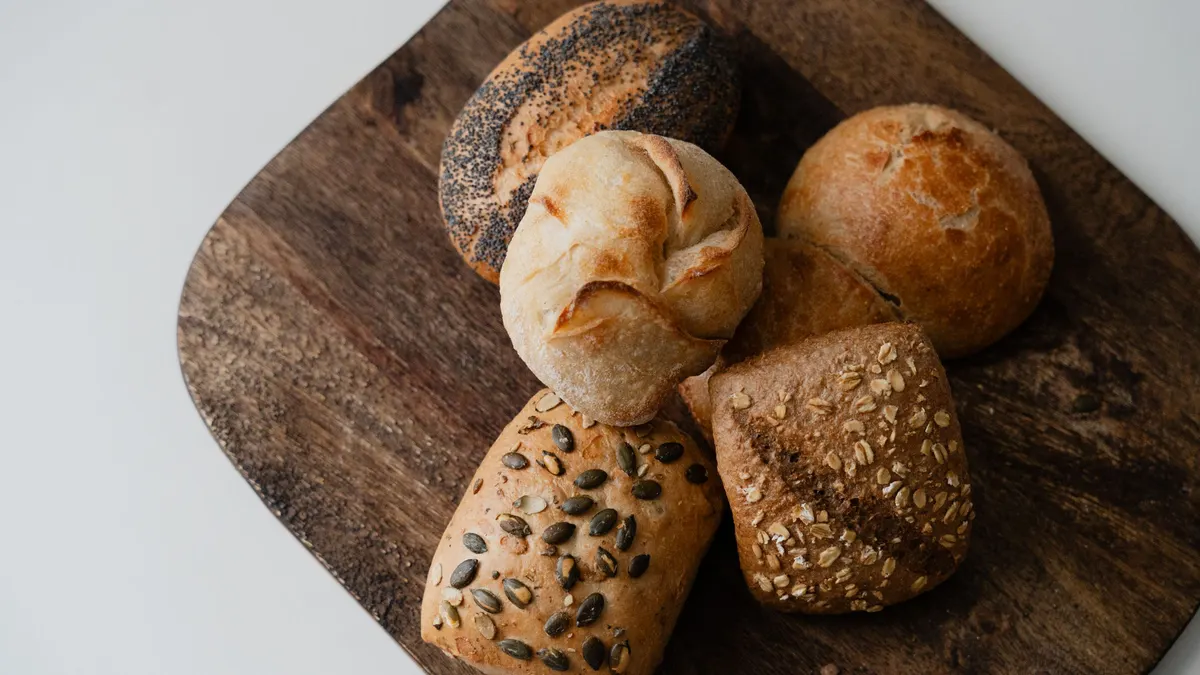
| Non-temperature-controlled foods and baked goods | Nuts, grains, seeds, dry mixes, flours, granola mix, cookies, rolls, cakes, muffins, breads, lefse, hard candies. | None. |
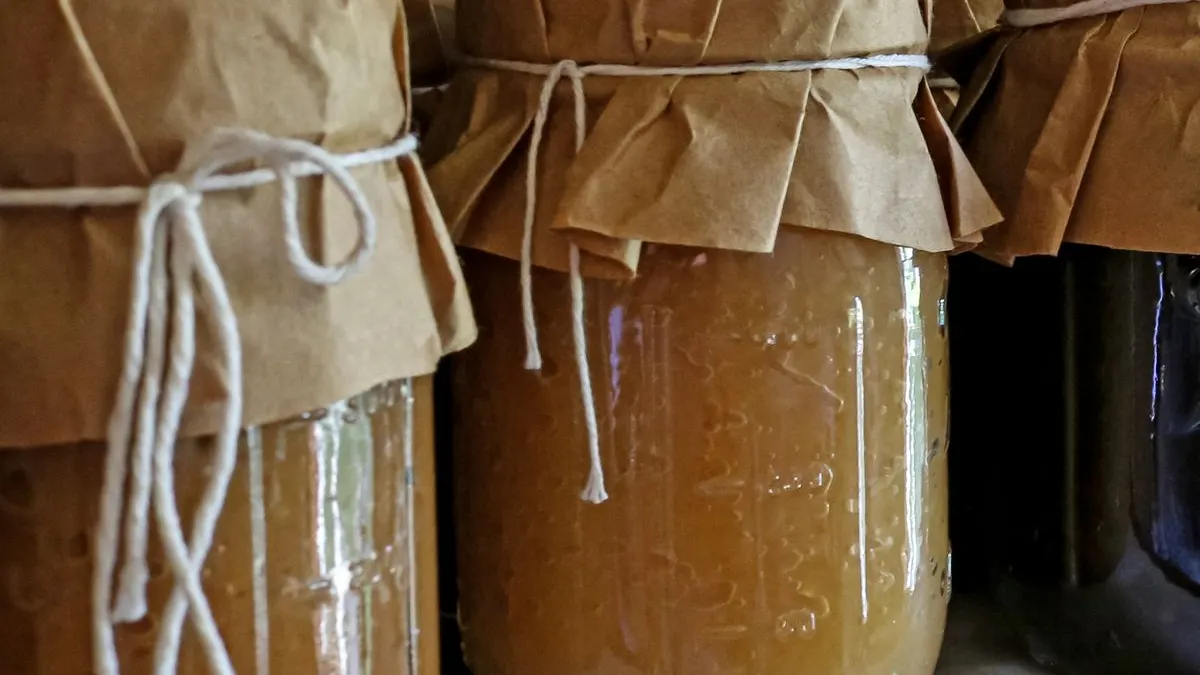
| Home-processed canned goods | Jams, pickles and other canned foods with a pH of 4.6 or less or a water activity of 0.85 or less. | Food safety training every five years, or written verification of each recipe from a third-party processing authority. |
| Foods that need temperature control | Non-heat-processed fermented foods, kuchen, soft pies, cheesecake, custard and cream-filled baked goods, sauces and pesto that need temperature control; home-processed frozen fruit and produce. | Same training as for canned goods. Keep these foods at 41°F or below, and frozen fruit and produce at 0°F or below. |
Is your food covered?
- Did you prepare it at your primary residence?Food prepared at your primary residence is covered. Go to step 2.
- Is it a canned good?It must have a pH of 4.6 or less or a water activity of 0.85 or less. Complete the training or get a written recipe review. Go to step 3.
- Does it need refrigeration or freezing?Fermented foods, kuchen, soft pies, cheesecake, custard and cream fillings, sauces and frozen produce need the training, a refrigerated or frozen label and the temperature limits above. Go to step 4.
- Will you hand it to the buyer yourself at an allowed place?You, or someone who lives at your primary residence, must deliver it to the buyer when the sale ends. Go to step 5.
- Is it labeled?Every item needs the label described below.
What you can sell
| Food | Allowed? |
|---|---|
| Cookies, breads, rolls, muffins, cakes and hard candy | Yes no training |
| Nuts, grains, seeds and dry mixes | Yes no training |
| Home-canned goods with pH 4.6 or less or water activity 0.85 or less | Yes, with training or a written recipe review |
| Soft pies, cheesecake, kuchen and cream or custard baked goods | Yes, with training keep at 41°F or below |
| Fermented foods that are not heat processed | Yes, with training keep at 41°F or below |
| Frozen fruit and produce | Yes, with training keep at 0°F or below |
| Meat jerky and honey | Other agencies SDSU Extension says other state agencies regulate these |
| Canned goods above pH 4.6 and water activity 0.85 | No |

Training and recipe review
SDSU Extension says each person involved in production must complete a South Dakota Department of Health-certified online course once every five years before selling canned goods or foods that need temperature control. The course fee is $40, you get a certificate, and you must keep records showing you completed it on time. SDSU Extension’s Master Food Preserver or Home Food Preservation course may count as equivalent training. As an alternative for canned goods, you can keep written verification of each recipe from a third-party processing authority. SDSU Extension acts as one and reviews canned goods for free: you send the Process and Ingredient Review Form and one sample, and review takes about a week.
Where you can sell
- In your physical presence at your primary residence, a farmers market, a roadside stand or another temporary sale venue.
- Personal hand-off. You, or a person who lives at your primary residence, must personally deliver the food to the buyer at the completion of the sale. SDSU Extension says you may drive to the buyer’s location, but you may not ship by mail or carrier.
- Sales tax. SDSU Extension says items sold are subject to sales tax; ask the Department of Revenue how to register and report.
South Dakota labeling requirements
Food prepared at a residence may not be sold unless its label shows:
- the name of the product;
- the name of the producer;
- the physical address of production and the producer’s mailing address;
- the producer’s telephone number;
- the date the product was made or processed;
- the ingredients;
- for refrigerated or frozen foods sold under the training rule, a directive to keep refrigerated or frozen; and
- this disclaimer: “This product was not produced in a commercial kitchen. It has been home-processed in a kitchen that may also process common food allergens such as tree nuts, peanuts, eggs, soy, wheat, milk, fish, and crustacean shellfish.”
Production: 100 Example Road, Sioux Falls, SD
Mail: PO Box 100, Sioux Falls, SD
Telephone: 605-555-0100
Insurance and local rules
Product liability coverage is worth considering. See our guide to liability, risk and insurance. Also check your city or county zoning and home occupation rules, your HOA covenants and your lease. For general background, see our planning and zoning guide.
Frequently asked questions
Do I need a license to sell homemade food in South Dakota?
Not if the food is prepared at your primary residence, labeled as SDCL 34-18-37 requires, sold in your physical presence at an allowed place, and handed to the buyer by you or a household member.
Is there a sales limit in South Dakota?
The statute sets none. Items sold are subject to sales tax.
Do I need training to sell cookies and bread?
No. Non-temperature-controlled foods and baked goods need no training.
What does the training cost?
SDSU Extension says the Department of Health-certified online course costs $40 and lasts five years.
Can I sell cheesecake, pies and other refrigerated foods?
Yes, after the training, if you keep them at 41°F or below and label them to keep refrigerated.
Can I sell canned goods?
Yes, if the pH is 4.6 or less or the water activity is 0.85 or less, and you complete the training or keep a written recipe review.
Can I ship food or sell it online?
The statute does not address how orders are taken, but you must hand the food to the buyer yourself. SDSU Extension says mail and carrier shipping are not allowed.
Can I sell at a farmers market?
Yes, if you are there and hand the food to the buyer.
Note on conflicting sources
We read the current text of SDCL 34-18-35 to 34-18-38 on the South Dakota Legislature’s website, where the most recent amendment listed is from 2022, and the SDSU Extension article “South Dakota Cottage Home Processing Food Safety” (updated January 30, 2026), which summarizes the 2022 law, House Bill 1322. Some older guides describe a baked-goods-only rule from before 2022. TODO verify: the Department of Health’s current guidance and training provider, how the department treats online orders that you hand over in person, the agencies that regulate honey and jerky, and local rules in your city or county.
Official sources
- South Dakota Codified Laws 34-18-35, 34-18-36, 34-18-36.1, 34-18-37 and 34-18-38 (House Bill 1322, 2022)
- South Dakota State University Extension: South Dakota Cottage Home Processing Food Safety (updated January 30, 2026)
- South Dakota Department of Health, food safety and the approved online training
- South Dakota Department of Revenue (sales tax)
- Not checked for this page: the Department of Health’s own pages and local ordinances