
Iowa Cottage Food Law (2026): The Cottage Food Exemption, Home Canning Rules and the Home Food License
At a glance
- License or permit
- None for cottage food that meets the conditions. The separate home food processing establishment license costs $50 a year
- Annual sales limit
- None for cottage food. The home food processing establishment license applies to businesses with gross annual sales under $50,000
- Allowed foods
- Non-TCS foods made in a private residence; home-canned pickles, vegetables and fruits only with a tested finished pH of 4.60 or lower, or a water activity of 0.85 or less
- Where you can sell
- Directly from the producer to the consumer. Not in food establishments, except a temporary food establishment you run yourself
- Not covered
- Regulated dairy, meat and poultry, and unpasteurized fruit or vegetable juice
- Training required
- None for cottage food. The home food processing license requires a department-approved food safety course
Who the Iowa law covers
The cottage food exemption comes from Iowa Code section 137F.20, added by House File 2431 in 2022, and from rule 481-30.13 of the Iowa Administrative Code, effective November 9, 2022. The Iowa Department of Inspections, Appeals, and Licensing (DIAL) administers food safety. House File 2431 also replaced the older home bakery license with the home food processing establishment license. Compliance with the cottage food exemption does not mean you comply with federal law.
What you can sell
To qualify for the exemption, all of these must be true:
- the food does not need time or temperature control for safety (if that is unclear, you must give the regulator documentation on request);
- it is not milk or milk products regulated under Iowa’s dairy chapters, not meat or poultry regulated under the meat and poultry chapter, and not unpasteurized fruit or vegetable juice;
- it is made in a private residence;
- you, the producer, sell and deliver it directly to the consumer.
| Food | Allowed? |
|---|---|
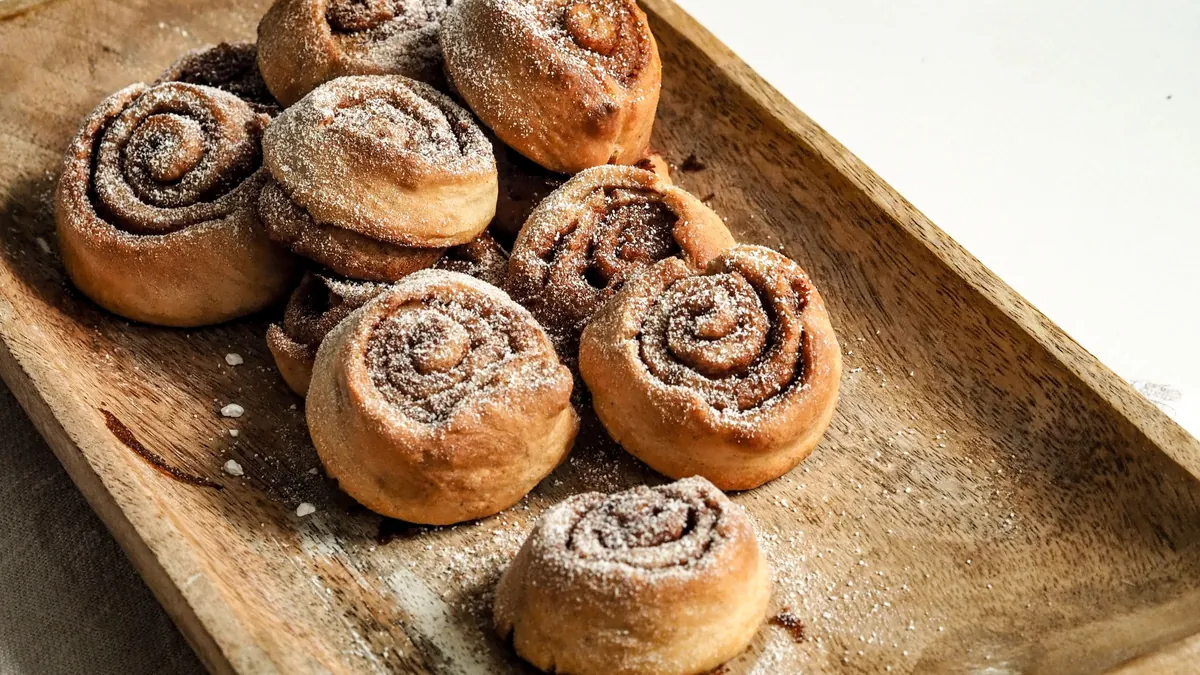
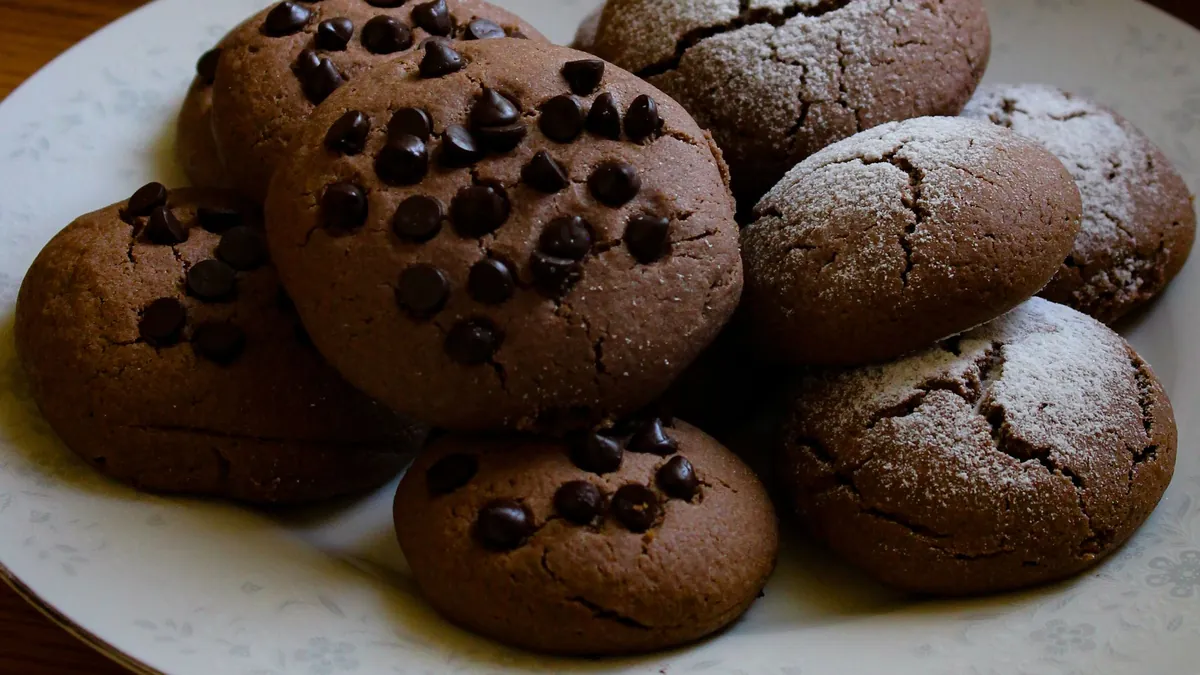
| Breads, rolls, cookies, cakes and pies that need no refrigeration | Yes |
| Candy, granola, dry mixes and other non-TCS foods | Yes |
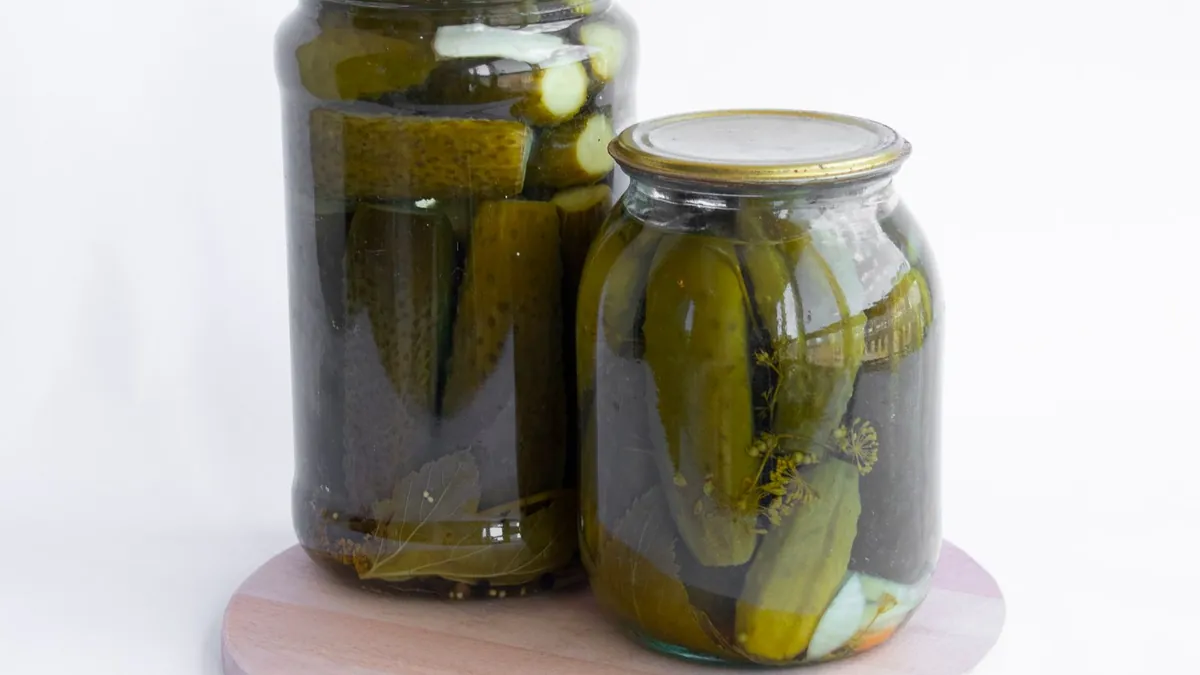
| Home-canned pickles, vegetables and fruits | Yes, with testing pH 4.60 or lower, or water activity 0.85 or less, measured for every batch |
| Foods needing temperature control for safety (cream-filled, custard, cheesecake, cooked meat) | No may need the home food processing license instead |
| Milk and dairy products regulated under Iowa’s dairy chapters | No |
| Meat and poultry regulated under the meat and poultry chapter | No |
| Unpasteurized fruit or vegetable juice | No |
Home-canned pickles, vegetables and fruits
If you sell home-canned pickles, vegetables or fruits, you must measure every batch with a pH meter or a water activity meter. The finished product must reach a pH of 4.60 or lower, or a water activity of 0.85 or less. Put the processing and canning date on each container, and keep the batch testing records, because the regulator can ask to see them, including at the point of sale.
Iowa label requirements
A cottage food package must show:
- your name and contact information (address, phone number or email);
- the common name of the food;
- the ingredients, in descending order of predominance;
- the statement “This product was produced at a residential property that is exempt from state licensing and inspection.”;
- an allergen statement naming any major food allergens;
- for home-canned pickles, vegetables or fruits, the processing and canning date.
123 Sample Street, Anytown, IA 00000
(555) 555-0100
Federal labeling rules also require naming major food allergens: milk, eggs, fish, crustacean shellfish, tree nuts, peanuts, wheat, soybeans and sesame.
Where you can sell
- Directly to the consumer. You, the producer, must sell and deliver the food. Farmers markets are an accepted venue for labeled cottage food.
- Temporary food establishments: you can sell packaged and labeled cottage food at a temporary food establishment that you operate yourself.
- Not allowed: selling cottage food in a food establishment, such as a store or restaurant.
The home food processing establishment license
If your food does not qualify as cottage food, you may be able to get a home food processing establishment license under Chapter 34 of the department’s rules. You need it before you operate, and it must be renewed every year.
- The business must have gross annual sales under $50,000, and the license fee is $50 a year.
- The person in charge must complete a department-approved food safety training course and show proof before the license is issued.
- The department inspects periodically, in person or by video, based on risk.
- Foods that need temperature control may be made, with restrictions: you list the foods on the application and keep them at or below 41°F when distributing or shipping. Unpasteurized juice, raw sprouts, game, fish and shellfish, alcohol, milk products and most meat and poultry are excluded, and so are made-to-order foods, low-acid canning, acidification, curing and preservation smoking. Fermentation needs an approved HACCP plan.
- Labels must show the establishment name or license number, the common name, ingredients, net quantity and the statement “This product was produced at a home food processing establishment.” Refrigerated ready-to-eat items need an expiration date of no more than seven days, counting the preparation day as day one.
Training and insurance
The cottage food exemption has no training requirement, but the license does. Product liability coverage is worth considering either way. See our guide to liability, risk and insurance.
Local rules and HOAs
Check your city or county for zoning and business license rules for a home-based business. Private rules apply too, so check your HOA covenants and lease. For general background, see our planning and zoning guide.
Frequently asked questions
Can I sell food made in my home kitchen in Iowa?
Yes. Non-TCS foods made in a private residence and sold directly to the consumer are exempt from state licensing and inspection, with the required label.
Do I need a license to sell baked goods from home in Iowa?
Not for cottage food. If your food needs temperature control for safety, or you want to sell beyond what the exemption allows, you would apply for the home food processing establishment license.
Is there a sales limit in Iowa?
The cottage food exemption sets no cap. The home food processing establishment license is for businesses with gross annual sales under $50,000.
Can I sell cottage food online or by mail in Iowa?
The rule requires that you sell and deliver the food directly to the consumer. It does not list online or mail sales by name, so confirm your method with DIAL before you ship.
Can I sell to grocery stores or restaurants?
No. Cottage food cannot be sold in a food establishment, apart from a temporary food establishment you operate yourself.
Can I sell pickles or canned goods in Iowa?
Home-canned pickles, vegetables and fruits are allowed if each batch tests at a pH of 4.60 or lower, or a water activity of 0.85 or less, and each container shows the canning date.
Note on conflicting sources
Older guides describe Iowa’s earlier system: a home bakery license, a $35,000 sales cap, and a different exemption in chapter 137D. That exemption section has since been repealed, and the home food processing license now uses a $50,000 limit. Cottage food itself is exempt under chapter 137F. We could not open the current text of section 137F.20 online, so the exemption conditions here follow rule 481-30.13, and the home food license details follow the department’s adopted Chapter 34 rules. Confirm sales methods such as shipping, and any new changes, with DIAL.
Official sources
- Iowa Code section 137F.20 (cottage food), as enacted by 2022 Iowa Acts, House File 2431
- Iowa Administrative Code, rule 481-30.13 (Cottage food)
- Iowa Administrative Code, 481 IAC Chapter 34 (Home Food Processing Establishments), Iowa Code chapter 137D
- Iowa Department of Inspections, Appeals, and Licensing (DIAL): Food and Consumer Safety
- U.S. Food and Drug Administration (FDA): Food Allergies (FASTER Act, sesame)