
Delaware Cottage Food Law (2026): On-Farm Home Processing Permit and Labels
At a glance
- License or permit
- On-Farm Home Processing of Non-Potentially Hazardous Foods Permit from the Delaware Department of Agriculture
- Who can apply
- The farm owner, producing food with farm family members on the farm
- Annual sales limit
- None found in the sources we could read
- Allowed foods
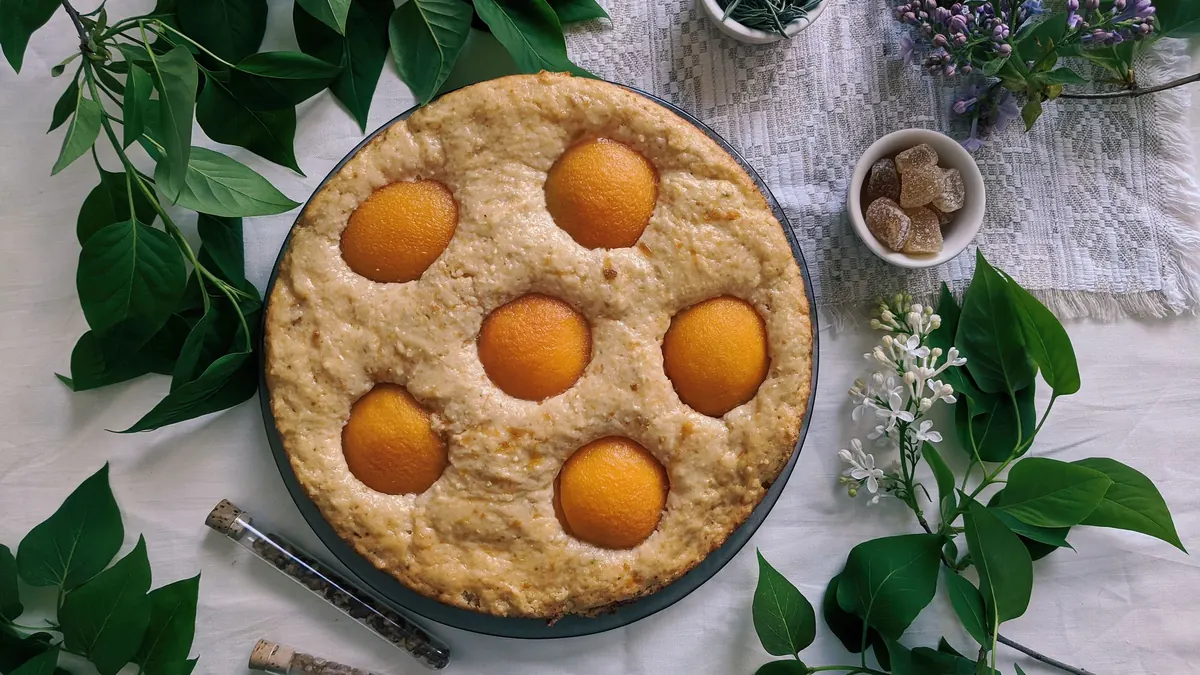
- Non-potentially hazardous foods such as breads, cakes and cookies with a water activity of 0.85 or less, jams, dried fruit, honey and roasted nuts
- Where you can sell
- Farmers markets recognized by the department, roadside produce stands or the processor’s farm
- Not allowed
- Low-acid canned foods and pickled products, cream, custard and pumpkin pies, cream- or cheese-filled baked goods, cured or fermented foods, seafood, and cider or juice
- Training required
- Yes: the University of Delaware On-Farm Food Safety Training or ServSafe, with a written test, repeated every three years
What the Delaware program is, and what it is not
Most states have a cottage food law that lets anyone make certain foods at home and sell them directly. We did not find one in Delaware. Delaware’s food processing law, Title 16, chapter 35 of the Delaware Code, lets the Department of Health and Social Services regulate “cottage industries” that process food when it decides the food is a public health hazard, but it creates no exemption for home cooks. The home-kitchen route we found is a permit under the Department of Agriculture’s regulation 3 DE Admin. Code 101, adopted in 2006, which the department runs for farm families.
How to get the On-Farm Home Processing permit
- Complete the training.Attend the University of Delaware On-Farm Food Safety Training, or take a ServSafe training and pass the written test. The training repeats every three years.
- Request the on-farm kitchen inspection.Food Products Inspection staff inspect your kitchen. You must pass it.
- Apply and pay.The farm owner applies for the permit and pays the fee. We could not find the fee amount.
- Renew every year.The farm owner must submit an application and payment each year.
Contact the Food Products Inspection section of the Delaware Department of Agriculture at (302) 698-4540 for the current application form and fee.
What you can sell
The department’s page describes allowed foods as non-potentially hazardous, which means they do not need temperature control to stay safe.
| Food | Allowed? |
|---|---|
| Breads, cakes, muffins and cookies | Yes water activity of 0.85 or less |
| Candy without chocolate | Yes |
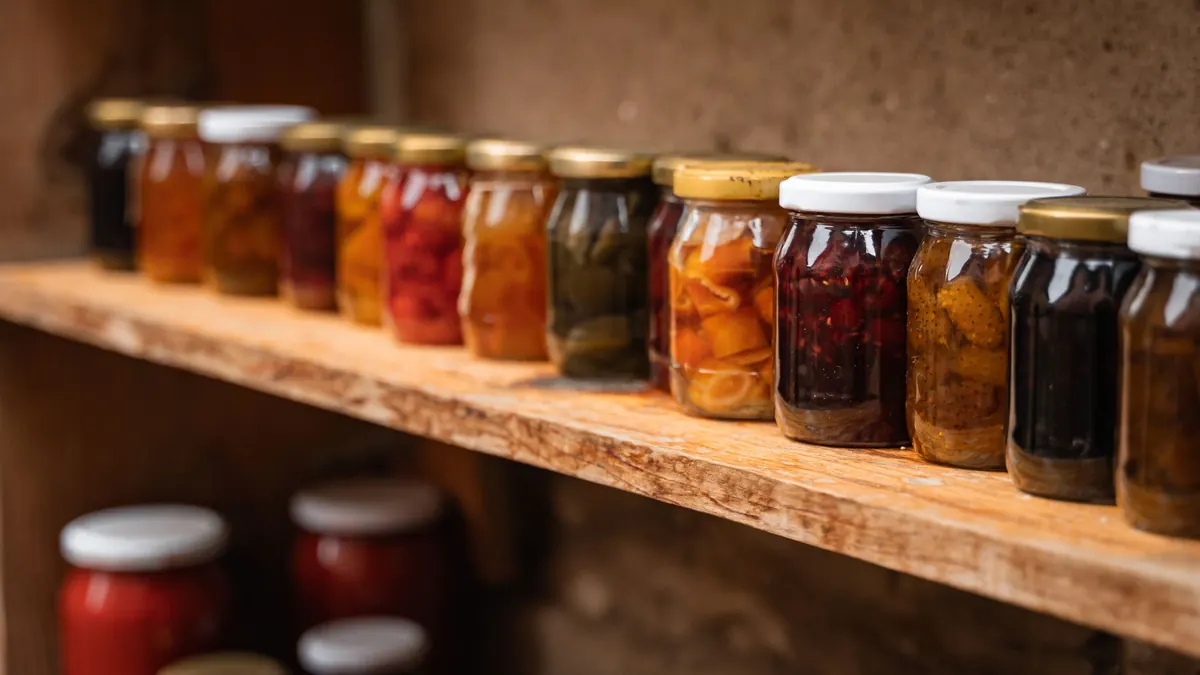
| Jellies, jams, preserves, marmalades and fruit butters | Yes pH of 4.6 or less or water activity of 0.85 or less |
| Fruit pies | Yes pH of 4.6 or less |
| Herbs in vinegar | Yes pH of 4.6 or less |
| Honey and honey-herb mixtures, maple syrup and sorghum | Yes |
| Dried fruits and vegetables, spices and herbs | Yes |
| Popcorn, caramel corn, peanut brittle and roasted nuts | Yes |
| Low-acid canned foods, such as jarred fruits, vegetables and pickled products | No potentially hazardous |
| Cream, custard, pumpkin and meat pies, and cream- or cheese-filled baked goods | No |
| Cured or fermented foods | No |
| Seafood, and apple cider or other juices | No |
Delaware label requirements
The department’s page says every package must show:
- the name of the product;
- the name and address of the manufacturer;
- the ingredients in decreasing order by weight;
- the net weight or unit count;
- the statement “This product is home-produced and processed” in 10-point type;
- the date the product was processed.
Products that are not labeled as required are deemed misbranded, and inspectors can require them to be removed from sale. The page gives no registration number to print on labels.
100 Example Road, Dover, DE
Where you can sell
- Farmers markets, but only markets recognized by the department.
- Roadside produce stands.
- The processor’s farm.
Sales online, by mail, to stores or restaurants, or across state lines are not described on the department’s page. Because the page limits the permit to those three outlets, plan as if other sales are not covered, and ask the department before you try them.
Inspection and penalties
Food Products Inspection staff do an on-farm kitchen inspection before the permit is issued, and inspectors can require products with label errors to be removed from sale. Delaware’s food laws also carry penalties: for example, violations of certain provisions of Title 16, chapter 33 are punishable by a fine of up to $500 or imprisonment of up to one year (16 Del. C. section 3312). Ask the Department of Agriculture which provisions apply to your product.
Training and insurance
Training is required for this permit. Product liability insurance is not mentioned on the department’s page, but it is worth considering; see our guide to liability, risk and insurance.
Local rules and HOAs
We did not find a zoning requirement in the permit information. Ask your county or town about home business rules, and check your HOA covenants and lease. For general background, see our planning and zoning guide.
Frequently asked questions
Does Delaware have a cottage food law?
We found no general cottage food law. The home-kitchen program we could confirm is the Department of Agriculture’s On-Farm Home Processing permit for farm families.
Can I sell baked goods from my home in Delaware?
Only under the on-farm permit if you are a farm family, or in a licensed kitchen. Ask the Department of Agriculture and the Division of Public Health which rule applies to you.
Who can get the On-Farm Home Processing permit?
The farm owner, who produces the food with farm family members on the farm.
Is there a sales limit in Delaware?
We could not find a sales limit in the sources we read.
How much does the Delaware permit cost?
The fee is not on the department’s page that we read. Call the Food Products Inspection section.
Can I sell at a farmers market in Delaware?
Yes, but only at a market recognized by the Department of Agriculture.
Can I sell cottage food online in Delaware?
The permit information does not cover online sales, so plan as if it does not and ask the department.
What must a Delaware home-produced label say?
The product name, the manufacturer’s name and address, the ingredients, the net weight or unit count, the date processed, and “This product is home-produced and processed.”
Note on conflicting sources
Delaware’s sources overlap and we could not fully reconcile them. Title 16, chapter 35 gives the Department of Health and Social Services power to regulate “cottage industries” that process food, while the Department of Agriculture runs the on-farm home processing program under 3 DE Admin. Code 101. We found nothing that moves authority from one to the other. We could not read the regulation text, the application form or the Delaware Food Code (16 DE Admin. Code 4458), and we found no recent act that created a general cottage food exemption. TODO verify: the permit fee, any sales limit, whether a farm is required, the text of the label rule, well water and home kitchen requirements, and whether any 2025 or 2026 bill changes this.
Official sources
- Delaware Department of Agriculture, Food Products Inspection: On-Farm Kitchens (On-Farm Home Processing of Non-Potentially Hazardous Foods permit)
- Delaware Administrative Code, Title 3, section 101 (On-Farm Home Processing of Non-Potentially Hazardous Foods, adopted 2006)
- Delaware Code, Title 16, chapter 35 (canneries and other food processing establishments, including section 3504) and chapter 33 (food penalties, section 3312)
- Delaware Division of Public Health, Office of Food Protection
- Not checked for this page: the text of 3 DE Admin. Code 101, the permit application form and the Delaware Food Code