
Maryland Cottage Food Law (2026): $50,000 Limit, Allowed Foods and Labels
At a glance
- License or permit
- None. No health department review is needed for direct sales; review by the Maryland Department of Health (MDH) is needed before selling to a retail food store
- Annual sales limit
- $50,000 in annual revenue from cottage food products
- Allowed foods
- Non-potentially hazardous foods, such as baked goods without perishable icing or fillings, hot-filled jams and jellies from high-acid fruit, non-perishable candy, whole roasted coffee beans and popcorn
- Where you can sell
- Inside Maryland: from your home, at farmers markets and public events, by personal delivery, by mail, or to a retail food store after MDH approval
- Not allowed
- Sales outside Maryland, including interstate and nationwide internet sales
- Training required
- None for direct sales; a food safety course within the past 3 years is required to sell to a retail food store
Who the Maryland cottage food rules cover
The rules are in COMAR 10.15.03.02B(17-1) and 10.15.03.27. A cottage food business produces or packages cottage food products in a residential kitchen in Maryland and has annual revenue from cottage food of no more than $50,000. A cottage food product is a non-potentially hazardous food sold in Maryland directly to a consumer from a residence, at a farmers market, at a public event, by personal delivery or by mail delivery, or directly to a retail food store. Cottage food businesses are not licensed, but they must follow county and municipal laws on preparation, processing, storage and sale, so ask your local permits, licensing and zoning office.
What you can sell
Non-potentially hazardous means the food does not need refrigeration to stay safe. MDH uses water activity of 0.85 or less and a pH of 4.6 or below as the test. A product that is lab-tested and shown to be safe at room temperature may be sold even if it is not on the list.
| Food | Allowed? |
|---|---|
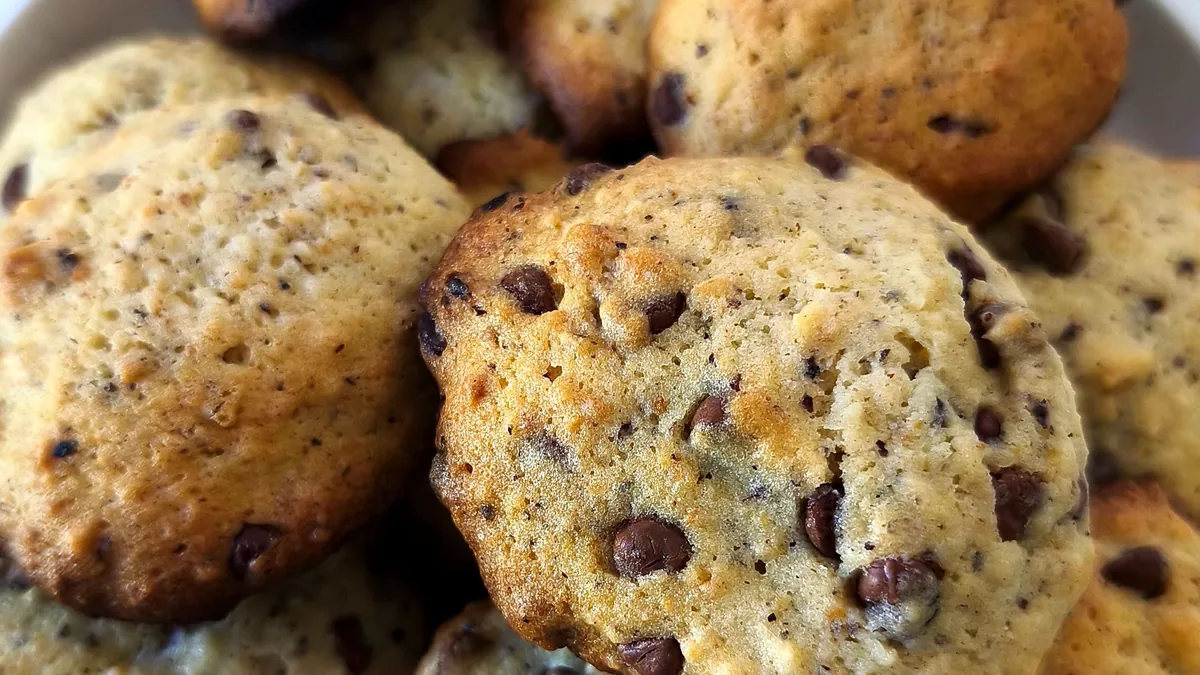
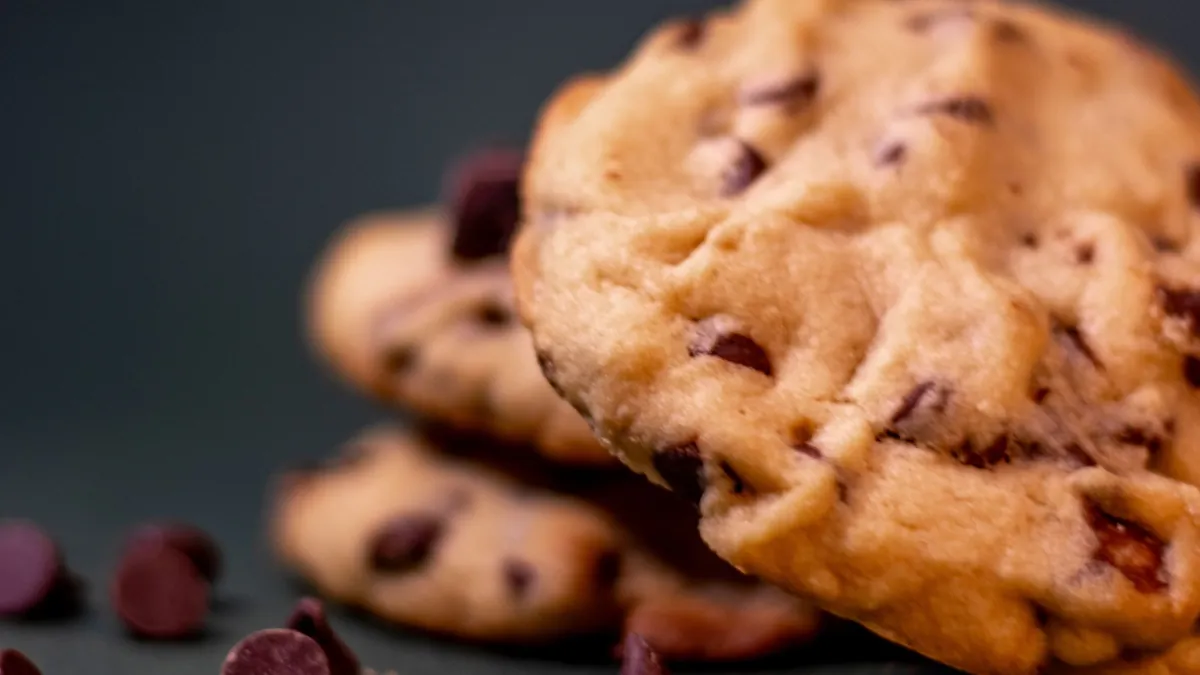
| Bagels, biscuits, breads, brownies, cookies, muffins, pastries, tortillas and granola bars | Yes |
| Cakes and cupcakes | Conditions no perishable icings or fillings |
| Pies, turnovers and tarts from fruit with a natural pH of 4.6 or below | Yes for example apples, blueberries, peaches, cherries |
| Hot-filled jams, jellies, preserves, fruit butters and fruit leathers | Yes from high-acid fruit |
| Non-perishable candy, such as brittle, toffee, lollipops and marshmallows | Yes |
| Chocolate-covered nuts, pretzels, dried fruit and caramels | Yes made with commercial chocolate and commercial fillings |
| Whole roasted coffee beans | Yes |
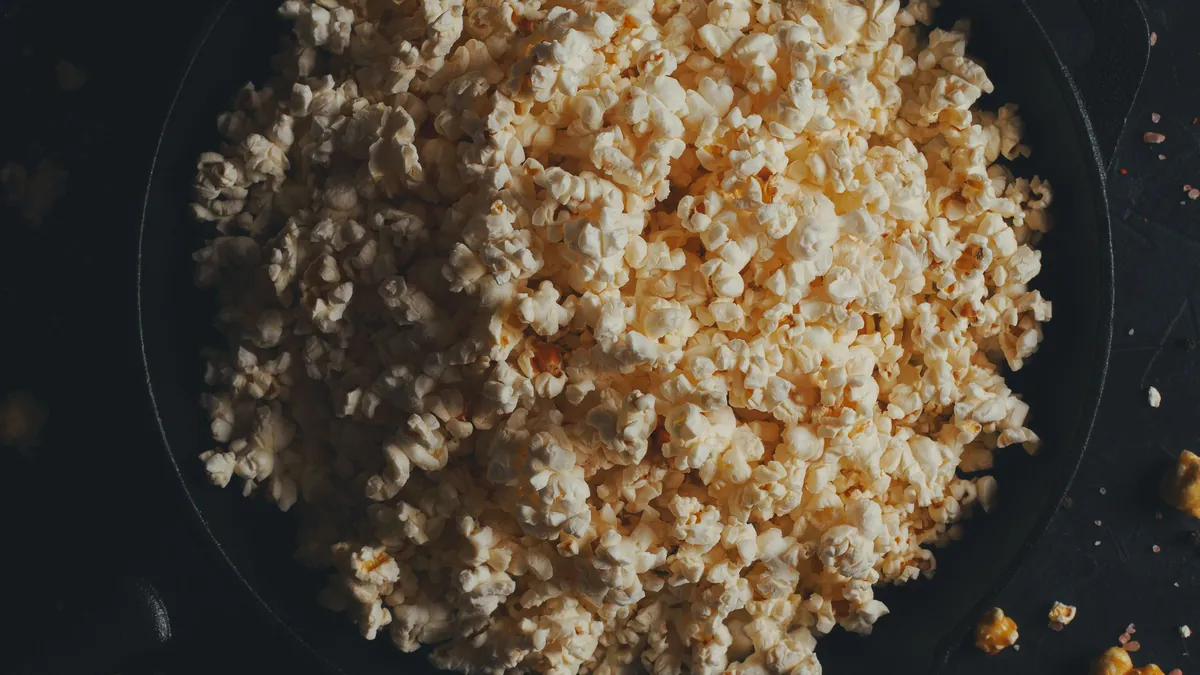
| Popcorn, kettle corn, popcorn balls and nuts | Yes |
| Seasoning, spice and tea blends, and cereal, granola and trail mixes | Yes repackaged commercial ingredients and commercial mixes |
| Frosting, moist quick breads (banana, pumpkin, zucchini) and baked goods with alcohol added after baking | Lab test only with product testing |
| Cheesecake, cream, custard, meringue, pumpkin and sweet potato pies, and baked goods with buttercream or cream cheese | No |
| Pickles, salsa, relish, pepper jelly, barbecue sauce, ketchup and mustard | No |
| Ground or flavored coffee, and beverages of any kind | No |
| Homemade fudge and caramel, nut butters, raw dough, and syrups such as maple syrup | No |
| Meat, poultry, fish, dairy, ice, kombucha, kimchi and sprouts | No |
| Drying herbs, fruit or vegetables yourself, and freeze-drying (except commercial candy) | No |
Sales limit
COMAR sets the limit at $50,000 in annual revenue from cottage food. Older MDH guidance showed $25,000, and some guides online mention a higher figure, but MDH’s November 2025 guidelines state $50,000. Changes to products, business location, labels or sales locations must be approved by MDH if you are selling through the retail-store route.
Maryland cottage food label requirements
Cottage foods must be prepackaged at the cottage food business and labeled in English with:
- the name and address of the business (or a unique identification number from MDH, with the business name and phone number);
- the name of the product;
- the ingredients and sub-ingredients in descending order by weight;
- the net weight, count or net volume;
- allergen information under federal rules, and nutrition information if you make a health or nutrition claim;
- in type of 10 points or larger, in a color that contrasts with the background: “Made by a cottage food business that is not subject to Maryland’s food safety regulations.”
Labels for products sold in a retail food store must also show the business phone number, the business e-mail address and the date the product was made. You can request a unique ID number with the ID and Retail Sales Request Form.
123 Sample Street, Anytown, MD 00000
555-0100
a unique ID number may replace the address; the phone number is then required
10-point type or larger, contrasting color
Where you can sell
- Direct to consumers: from your residence, at farmers markets and public events, by personal delivery, by mail or by customer pickup, all inside Maryland. Contact the local health department in advance if you are taking part in a farmers market or public event, because it may have extra requirements.
- Samples: allowed if the product is non-potentially hazardous and the samples are prepackaged in your home kitchen. You cannot cut or portion food at the market.
- To a retail food store: allowed only after you submit the ID and Retail Sales Request Form to MDH with your label (including the store-sale details) and proof that the owner completed a basic food safety course in the past 3 years. You may not sell to a store until MDH tells you in writing that the requirements are met. MDH charges no fee for this review and issues a letter of compliance.
- Not allowed: any sale outside Maryland, including interstate or nationwide internet sales. A retail food store does not include a restaurant, a coffee shop or an establishment that sells only prepackaged non-hazardous food.
Training and insurance
For direct sales, the guidelines do not require a food safety course. To sell to a retail food store you need proof of a basic food safety course taken in the past 3 years that is approved by MDH and the American National Standards Institute. Insurance is not part of the rules, but product liability coverage is worth considering. See our guide to liability, risk and insurance.
Local rules and HOAs
You must follow county and municipal laws on preparing, storing and selling food, so contact your local permits, licensing and zoning department. Private rules apply too, so check your HOA covenants and lease. For general background, see our planning and zoning guide.
Frequently asked questions
Can I sell food from home in Maryland?
Yes, if it is a non-potentially hazardous cottage food, made in a residential kitchen in Maryland, labeled correctly and sold inside Maryland.
Do I need a license to sell baked goods from home in Maryland?
No license and no health department review are needed for direct sales. MDH review is required before you sell to a retail food store.
What is the Maryland cottage food sales limit?
$50,000 in annual revenue, according to MDH’s November 2025 guidelines.
Can I sell cottage food online or by mail in Maryland?
Yes, inside Maryland, including mail delivery. You cannot sell outside Maryland, including nationwide internet sales.
Can I sell to a grocery store?
Yes, after MDH approves your label and food safety course in writing. Restaurants are not covered by this route.
Can I sell pickles, salsa or ground coffee?
No. Pickles and salsa are acidified foods, and only whole roasted coffee beans are allowed. These products need a food license.
Note on conflicting sources
Older MDH guidance gave a $25,000 limit, and some guides online say the limit was raised to $100,000. The MDH guidelines dated November 2025 and the COMAR definition they quote say $50,000, and we found no official source for a higher figure. Third-party guides also disagree about whether honey and maple syrup are allowed: the MDH list does not allow syrups, and honey is not on the allowed list. We follow MDH. We could not read the COMAR text or the MDH website directly, so confirm the current limit and the form requirements with MDH.
Official sources
- Maryland Department of Health, Office of Food Protection: Guidelines for Cottage Food Businesses (updated November 2025)
- COMAR 10.15.03.02B(17-1) and 10.15.03.27 (Food Service Facilities)
- U.S. Food and Drug Administration (FDA): Food Allergies (FASTER Act, sesame)