
New Jersey Cottage Food Law (2026): Permit, Sales Limit, Foods and Labels
At a glance
- License or permit
- Cottage Food Operator Permit from the New Jersey Department of Health, under N.J.A.C. 8:24-11
- Fee and term
- $100 application fee, $100 renewal, valid for two years
- Annual sales limit
- $50,000 in gross annual sales, before taxes and expenses
- Allowed foods
- Foods on the Department’s approved list that stay safe without time or temperature control, such as baked goods, candy, granola, jams, popcorn and dry mixes
- Where you can sell
- Your home, the consumer’s home in New Jersey, New Jersey farmers markets and farm stands, and temporary retail food events in New Jersey
- Not allowed
- Wholesale, selling to stores, mailing or shipping, and sales outside New Jersey
- Training required
- A food protection manager certificate from an accredited program
Who the New Jersey cottage food rules cover
Anyone who produces or sells food to consumers in New Jersey must either hold a Cottage Food Operator Permit or follow the rules for a retail food establishment. Production is limited to the private kitchen of your own residence. You must be a New Jersey resident, the permit cannot be moved to a new address, and you cannot host classes or workshops in your home. The Department will not approve an application if local zoning prohibits a cottage food business in your home.
What you can sell
The Department publishes a list of approved products and a list of prohibited ones. Only foods that stay safe at room temperature qualify.
| Food | Allowed? |
|---|---|
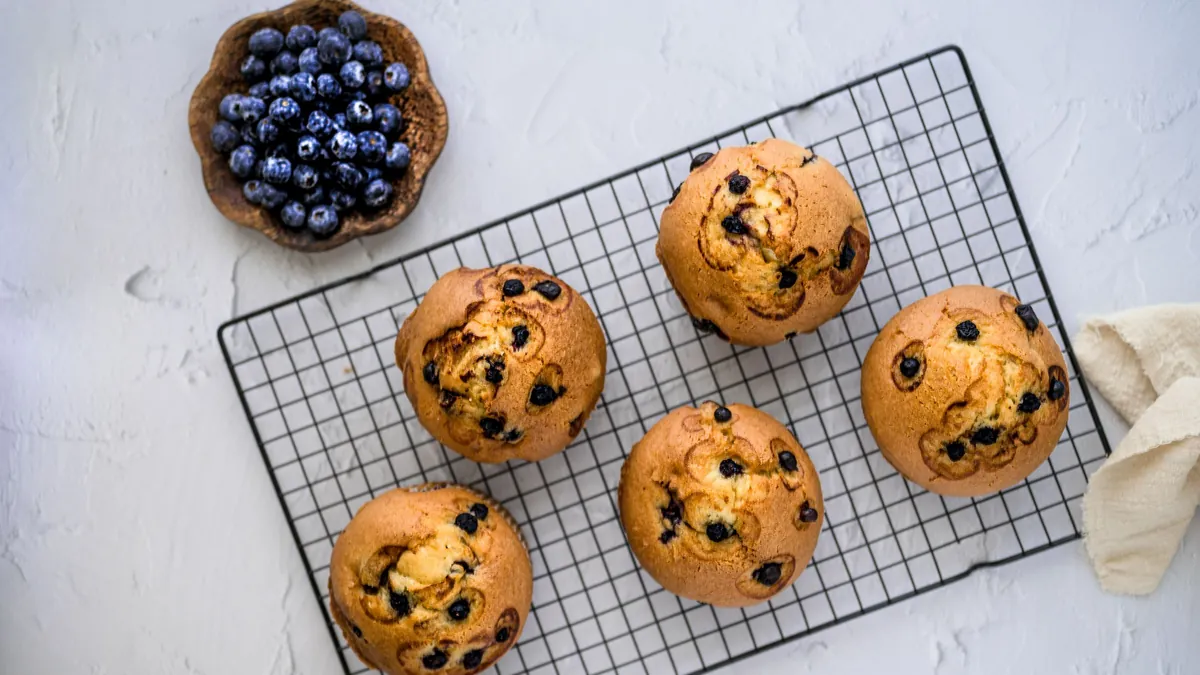
| Bread, rolls, cakes, cupcakes, cookies, brownies, muffins, scones, doughnuts and pastries | Yes no cream or cheese fillings |
| Fruit pies (apple, peach, blueberry, strawberry) | Yes no pumpkin, pecan, sweet potato, lemon or key lime pies |
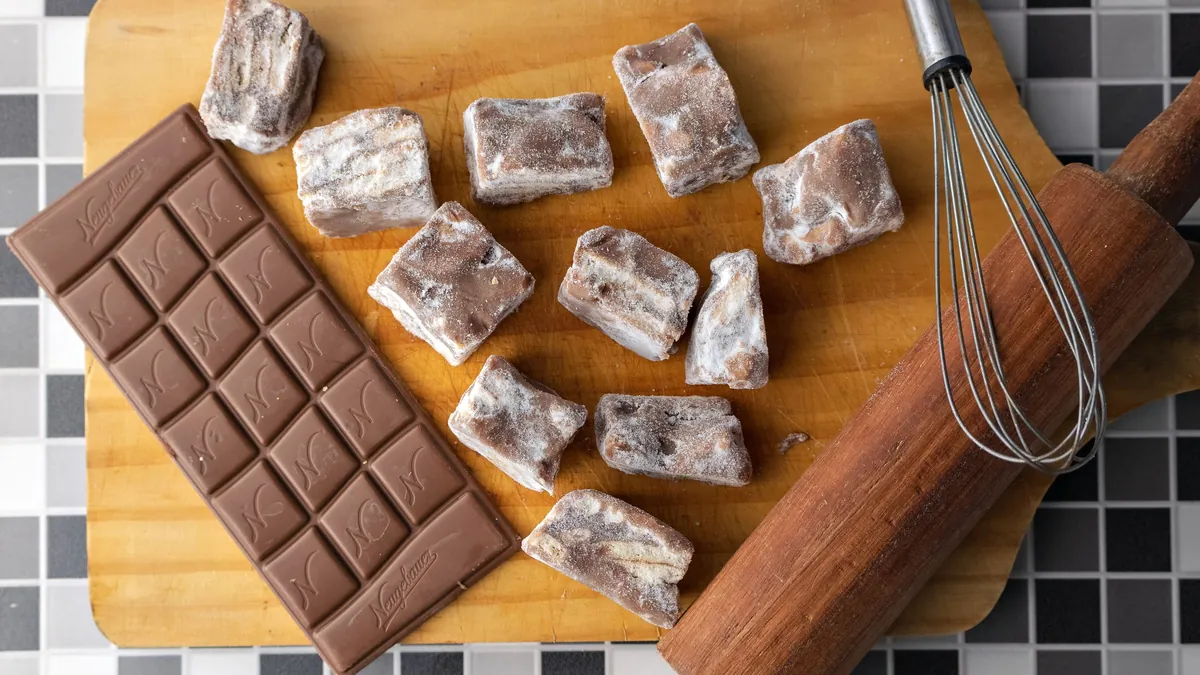
| Candy, fudge, brittle, toffee and chocolates | Yes no cotton candy spun on site, no no-bake fudge |
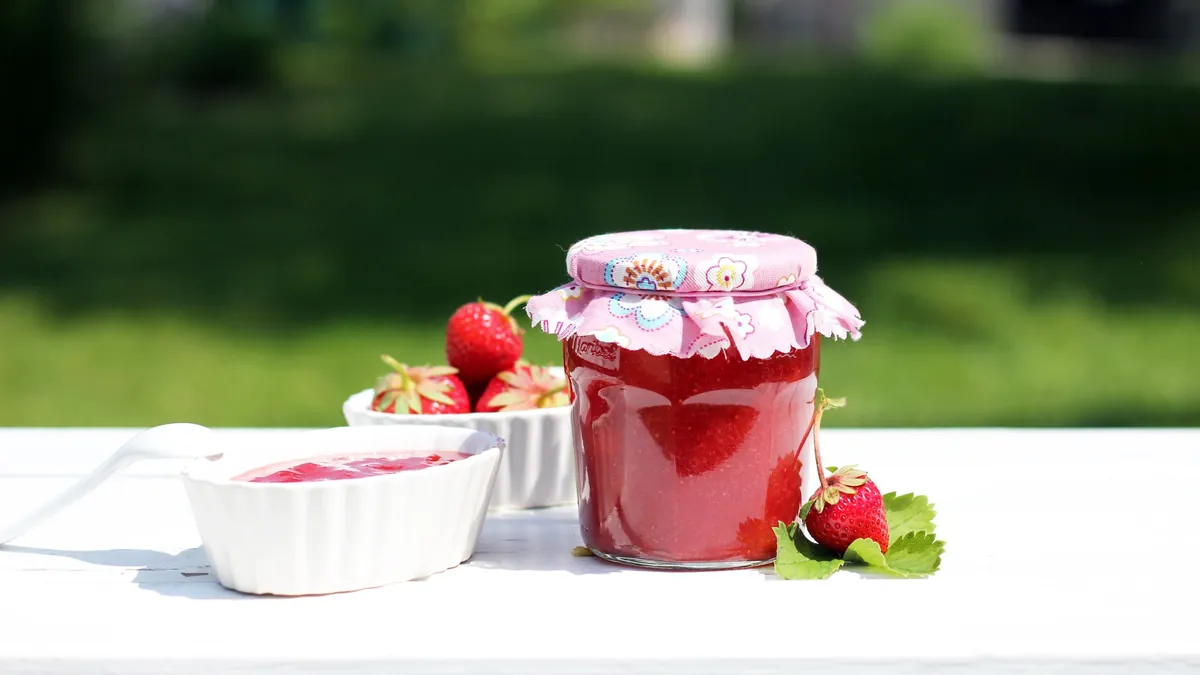
| Fruit jams, jellies and preserves | Yes no pepper, rhubarb or tomato jelly |
| Granola, cereal, trail mix, nuts, nut butters and popcorn | Yes |
| Dried herbs, seasoning mixes, dry baking mixes and roasted coffee | Yes herbs and tea must come from a licensed source |
| Processed honey and sweet sorghum syrup | Conditions flavored honey with no particles; raw honey does not need a cottage food permit |
| Infused vinegars and mustard | Conditions no particles; egg-based mustards and wine vinegars are excluded |
| Cheesecake, cream, custard, pudding, cheese and cream cheese | No |
| Meat, fish, vegetables, mushrooms, tofu and cooked rice or beans | No |
| Buttercream, whipped cream, ganache, meringue and cream cheese frosting | No |
| Alcohol, CBD and THC products | No |
| Home-grown or foraged ingredients | No ingredients must come from a licensed, inspected source |
| Freeze-dried or dehydrated foods | No freeze-drying and dehydrating machines are not allowed |
| Dog treats and pet food | No ask the New Jersey Department of Agriculture |
How to get a New Jersey cottage food permit
- Check that your food is on the approved list and ask your municipality for zoning board approval.
- Get a food protection manager certificate from an accredited program, in good standing.
- Show that your water is safe: a recent water bill for public water, or, for a private well, a total coliform test collected no more than 60 days before you apply.
- Send the Department the application form, a product questionnaire for each item and the $100 fee, by email.
- If the Department finds the application incomplete, you have 30 days to correct it or it is treated as abandoned.
The Department says reviews take 16 weeks from receipt and it offers no expedited service. To renew, send a complete renewal at least 45 days before the permit expires, with a new manager certificate and updated water proof. The Department does not routinely inspect home kitchens, but a health authority may enter to investigate a complaint, foodborne illness, misbranding or adulteration.
Sales limit
Your gross annual sales from cottage food may not exceed $50,000, counted before taxes and operating expenses. Baked goods are not subject to New Jersey sales tax, and collecting sales tax is not a condition of the permit.
New Jersey cottage food label requirements
Each packaged product must carry a label with:
- the common name of the product;
- the ingredients in descending order by weight;
- a “Contains” statement for major food allergens, if the product has any;
- your full name, your business name and your permit number (a business name alone is not enough);
- the town where you prepare the food, followed by “New Jersey” or “NJ”;
- the statement “This food is prepared pursuant to N.J.A.C. 8:24-11 in a home kitchen that has not been inspected by the Department of Health.”
If you sell at a place other than a home, display your permit and a sign with the same statement. Items sold individually need at least one tag with the full label information.
Permit no. 000000
Where you can sell
- Allowed: your home (not for eating on site), the consumer’s home in New Jersey, New Jersey farmers markets and farm stands, and temporary retail food events in New Jersey. Local farmers market boards set their own rules.
- Events: you need a temporary food permit from your local health department. The cottage food permit does not cover preparing food on site.
- Online orders: you may advertise, take orders and process payments online, but you must hand the product to the customer in person in New Jersey.
- Not allowed: mailing or shipping through USPS, FedEx or DHL, sales to anyone who is not the consumer, delivery to stores, restaurants or wholesalers, and sales outside New Jersey. Selling to stores needs a wholesale food license.
Training and insurance
The food protection manager certificate is the required training. Insurance is not part of the permit, but product liability coverage is worth considering. See our guide to liability, risk and insurance.
Local rules and HOAs
You must follow the laws of your municipality, and zoning approval is part of the application. Private rules apply too, so check your HOA covenants and lease. For general background, see our planning and zoning guide.
Frequently asked questions
Can I sell food from home in New Jersey?
Yes, with a Cottage Food Operator Permit and only for foods on the approved list.
How much does a New Jersey cottage food permit cost?
The application and renewal fees are $100 each, and the permit is valid for two years.
What is the New Jersey cottage food sales limit?
$50,000 in gross annual sales, before taxes and operating expenses.
Can I sell cottage food online or ship it in New Jersey?
You can take online orders and payments, but you cannot mail or ship products. You must hand them to the customer in person in New Jersey.
Can I sell to stores or restaurants?
No. Wholesale needs a wholesale food license.
Do I need a food manager certificate?
Yes. A food protection manager certificate from an accredited program is required with your application and again when you renew.
Note on conflicting sources
Older proposals and some guides describe a different permit setup, such as the 2016 bill that would have created two license classes, and some guides leave out the zoning approval or the 16-week review time. We follow the Department’s own rule page and FAQ. The rule text says orders may be taken by mail, internet or phone but that delivery must happen in New Jersey, and the FAQ says products cannot be mailed or sent by a carrier. We follow the stricter statement: hand the product over in person.
Official sources
- New Jersey Department of Health, Cottage Food Operator Permit program pages
- N.J.A.C. 8:24-11, Cottage Food Operator Rules
- U.S. Food and Drug Administration (FDA): Food Allergies (FASTER Act, sesame)