
Agricultural Zoning Explained for Urban Farmers
What does agricultural zoning mean?
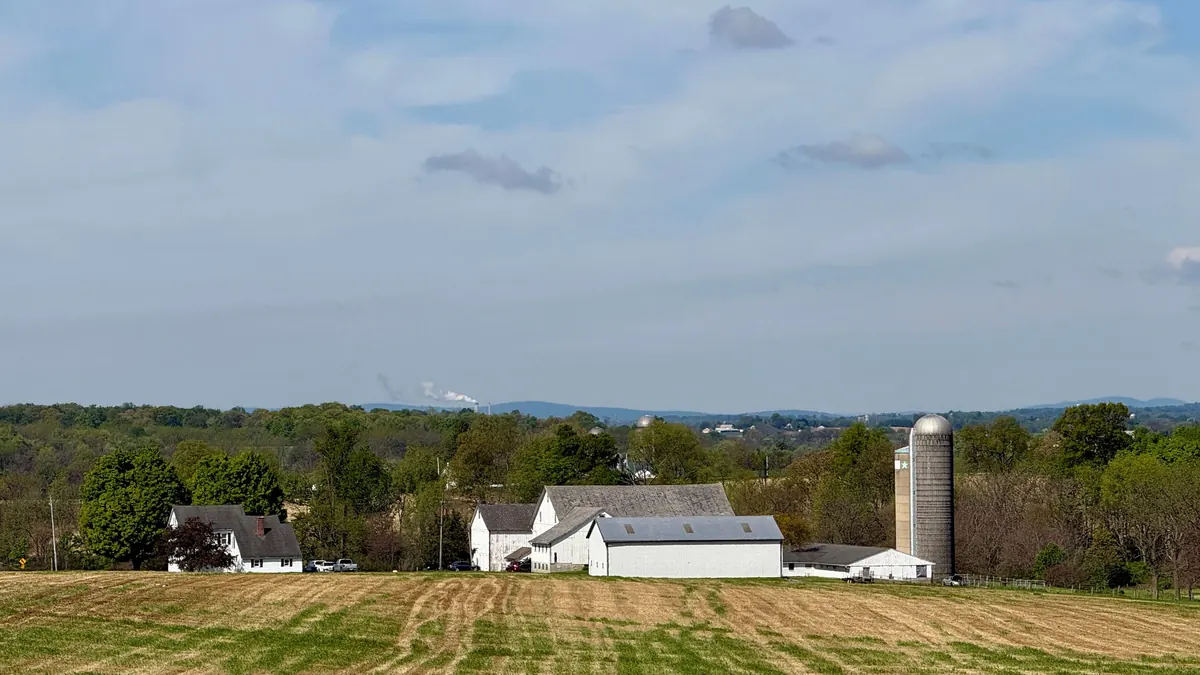
A zoning code divides a city or county into districts and lists which uses each district allows. Agricultural zoning refers to districts named for farming, such as agricultural, rural, agricultural-residential or residential agricultural. The purpose differs between codes, and so does what the district allows. Many older codes date from a time when farming was thought of as a rural activity, so they did not plan for backyard farms; many cities have since added urban agriculture rules to their residential and commercial zones.
Types of agricultural zones
| Zone type | Typical purpose | What it often allows |
|---|---|---|
| Agricultural (working farms) | Keep land open and in farming. | Crops, livestock, barns and farm stands; houses limited to a low density. |
| Residential agricultural or agricultural-residential | Allow a home together with a small farm or hobby farm. | A house plus limited crops and animals, often with minimum lot sizes and animal limits. |
| Agricultural as a holding zone | Hold land that may later be urbanized, in places where city services are not yet available. | Existing farming, with development limited until rezoning. |
| Urban agriculture inside other zones | Allow farming and gardens in residential, commercial or industrial districts. | Defined uses such as community gardens and urban farms, with size, sales and permit rules. |
Examples from published codes show the range. Appleton, Wisconsin lists urban farms as allowed by right in its agricultural district, according to its ordinance. Boston allows ground-level farms up to one acre outright in any zone, according to city materials. Other places require a conditional or special permit for urban farms in residential districts. These are summaries and may have changed; check the current code.
What does agricultural zoning allow?
- Find the district name and number on your zoning map.See how to find your zoning.
- Find the district’s purpose statement.It says what the district is for: farms, open land, a holding zone or small farms with houses.
- Open the use table.Look at whether crops, livestock, farm stands, greenhouses, processing and events are allowed by right, with a permit or not at all.
- Read the standards.Minimum lot size, setbacks, animal limits, structures and sales rules.
- Read the definitions.“Agriculture,” “farm,” “accessory use” and “home occupation” decide what counts.
- Ask the planning office in writing if anything is unclear.Get the answer, the name and the date.
Ag zoning versus urban agriculture rules
| Question | Agricultural zoning | Urban agriculture rules in other zones |
|---|---|---|
| Where does it apply? | In districts named for farming. | In residential, commercial and industrial districts that allow urban agriculture uses. |
| Who benefits? | Larger or rural properties. | City lots, vacant lots, rooftops and community gardens. |
| Typical limits | Lot size, animal numbers, setbacks. | Planting area, sales hours, structures, permits. |
| Where to read | The district chapter of the zoning code. | The urban agriculture or use category section of the code. |
See how cities regulate urban farming for examples such as Seattle, San Francisco, Oakland and Philadelphia. Ag zoning is also different from state right-to-farm laws, which protect existing farms from some nuisance claims; see right-to-farm laws.
Can I rezone my property to agricultural?
Possibly, but rezoning is a legal process that usually needs a petition to the planning body, public notice and a hearing, and it can be denied. For a small urban lot it is often easier to use the urban agriculture rules that already apply to your zone, or to ask for a conditional use permit. Ask your planning department about the process and cost before you invest.
Frequently asked questions
What is agricultural zoning?
A zoning district meant for farming and related uses. Its exact purpose and rules differ by city or county.
What does ag zoning mean?
A short form of agricultural zoning: land zoned for farming, as opposed to residential, commercial or industrial use.
What does agricultural zoning allow?
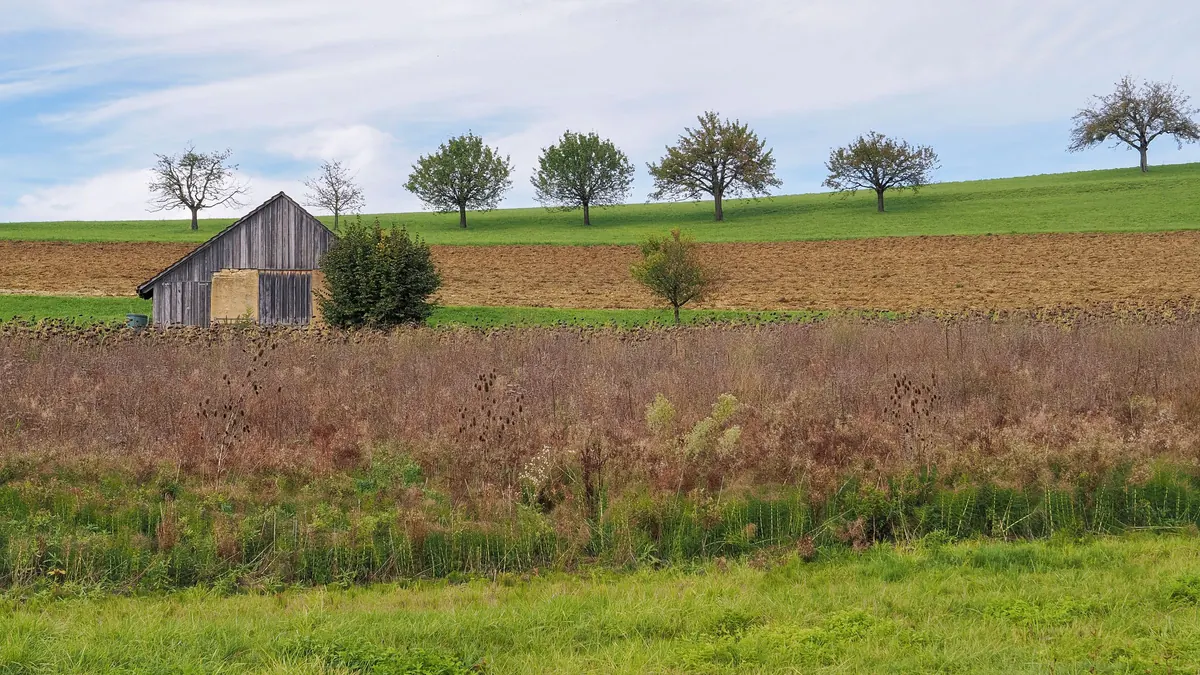
It depends on the code. Often crops, livestock, barns and farm stands, with limits on houses and subdivision. Read the use table for your district.
What is residential agricultural zoning?
A zone that allows a home with a small farm or hobby farm, usually with minimum lot sizes and animal limits.
Can I have a farm in a residential zone?
Possibly, under the urban agriculture rules of your city. Check the use table and any size or sales limits.
Can I keep chickens or goats in agricultural zoning?
Often more easily than in a city lot, but numbers, setbacks and animal types are set by the code. See urban livestock and backyard animals.
Do I need ag zoning to run an urban farm?
Not necessarily. Many cities allow urban farms in residential, commercial or industrial districts under special rules.
Is agricultural zoning the same as a farm exemption?
No. Zoning decides where uses may occur. Tax exemptions and right-to-farm protections are separate; see urban farm tax breaks.
Can I build a farm stand in agricultural zoning?
Often yes, with limits on size, parking and sales. See selling vegetables from home.
Can a neighbor object to my agricultural use?
Yes. Zoning does not stop nuisance complaints, though right-to-farm laws may protect some established farms.
How do I find out my zoning?
Use your city or county zoning map. See how to find your zoning.
Is this page legal advice?
No. It is a general guide; confirm with your local planning office.
Official sources
- Your city or county zoning code, the district chapters, use tables and definitions
- City of Appleton, Wisconsin, urban agriculture ordinance, and City of Boston, urban agriculture zoning materials, as examples
- Your city or county planning department
- Not checked for this page: the text of any particular ag or residential agricultural district; the examples come from summaries