
Vermont Cottage Food Law (2026): $30,000 Exemption, Training and Labels
At a glance
- License or permit
- None for exempt operators, but you must file an exemption in the Health Department portal every year before January 15
- Annual sales limit
- $30,000 in gross receipts from cottage food products; a separate exemption covers other processed foods under $10,000
- Allowed foods
- Foods that need no refrigeration or temperature control: baked goods, candy, jams, granola, dry herbs, nuts, popcorn, coffee beans, dry tea and tested home-canned goods
- Where you can sell
- The guidance sets no place limits, except that exempt food may not be sold to restaurants and other licensed food establishments
- Not allowed
- Foods that need refrigeration or temperature control, dehydrated meat, and products made in a rented kitchen
- Training required
- Yes, the Health Department’s online training once a year
What changed in 2025
Vermont’s earlier home baker rules were replaced in 2025 by the two exemptions in Act 42. The Health Department adopted a Manufactured Food Emergency Rule on July 1, 2025 and said that food manufacturers must comply immediately. It is working on permanent rules, and its guidance will be updated when they are adopted. If you filed the old form, you must review the new guidance, take the training and file a new exemption by January 15 each year.
| Question | License exemption | License |
|---|---|---|
| Who it fits | A cottage food operator with $30,000 or less in gross receipts, or a food processor under $10,000. | Anyone above those limits, or making foods outside the exemption, or running a home bakery or home caterer business. |
| Cost | No license and no license fee. | License application and inspection; the Department says to apply at least 30 days before you start. |
| Foods | Cottage foods only for the $30,000 exemption. | Home Bakery License: baked goods that need no refrigeration. Home Caterer License: prepared food sold direct to customers, or food prepared for cooking later at an event. |
| Inspection | An inspector may inspect to check sanitation or investigate a hazard. | Opening inspection by a public health inspector, then regular inspections. |
What counts as a cottage food
The Health Department defines cottage food products as foods that do not require refrigeration or time or temperature control for safety. It is the manufacturer’s responsibility to confirm that a product qualifies. You may ask the Department to review a product with its Cottage Food Product Review Request Form, but you do not need approval.
| Food | Allowed? |
|---|---|
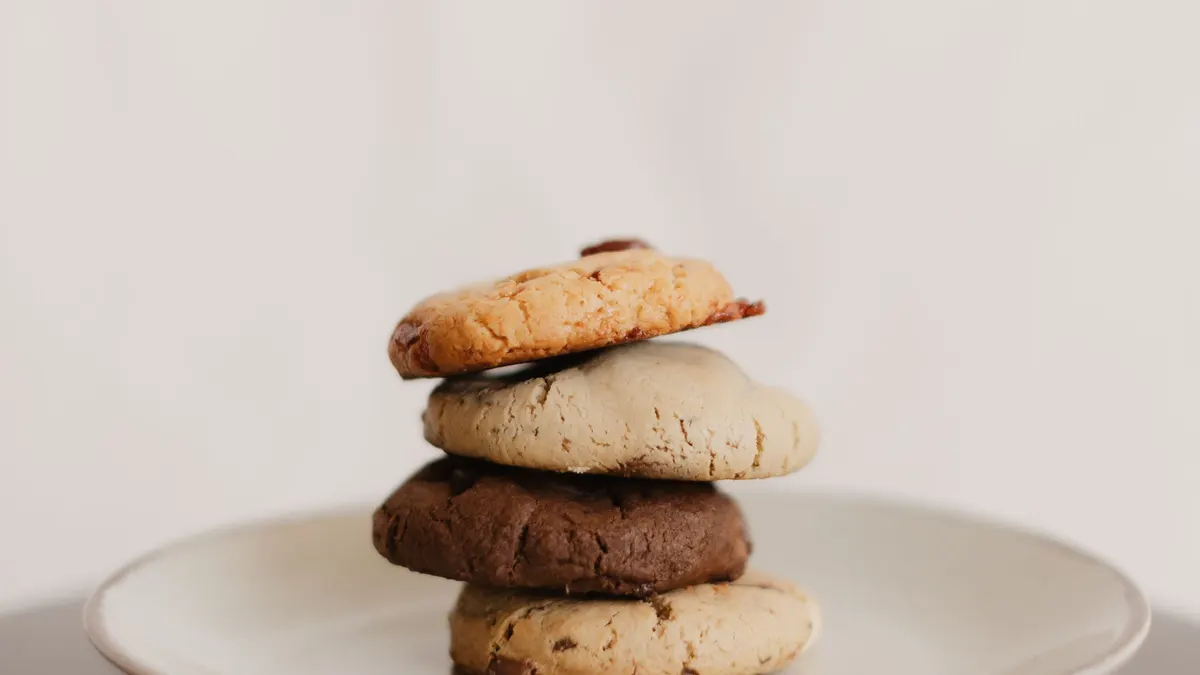
| Baked goods such as bread and cookies that need no refrigeration | Yes |
| Candy, jams and jellies | Yes |
| Granola, cereal, trail mix and mixed nuts | Yes |
| Popcorn, coffee beans, dry tea and dry herbs | Yes |
| Flavored vinegar | Yes |
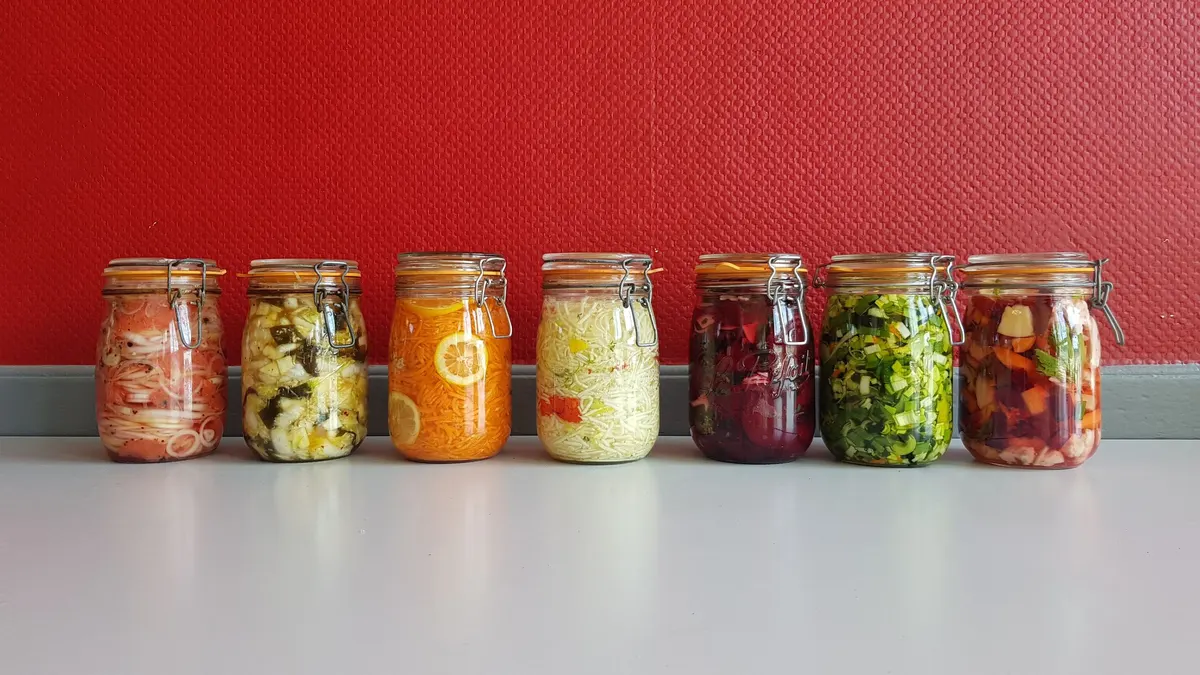
| Home-canned pickles, vegetables or fruits | With a tested recipe pH 4.6 or lower or water activity 0.85 or less, from a recipe approved by the National Center for Home Food Preservation or reviewed by a food processing authority |
| Quiche, cheese danish and cheesecake | No they must be kept cold |
| Dehydrated meat, fruits or vegetables | No meat is potentially hazardous; dehydrating produce needs special equipment to reach a safe water activity |
| Meals and prepared food sold direct to customers | Needs a license Home Caterer License |
Your duties under the exemption
- Do you meet the exemption?Cottage foods made in your private home kitchen or a kitchen on your personal property, with $30,000 or less in gross receipts. A rented kitchen does not qualify, even a licensed one. Go to step 2.
- Take the online training.The Health Department requires it every year for anyone claiming an exemption. Go to step 3.
- File the exemption in the online portal.File before January 15 each year. Go to step 4.
- Label every product.Use the label items listed below. Go to step 5.
- Keep your kitchen sanitary.You must still follow the food safety and sanitation requirements of the Manufactured Food Rule, and an inspector may visit.
Vermont labeling requirements
Packaged food must show:
- the name and physical address of your operation, not a post office box, so the Department can find you in a recall;
- the name of the food product;
- the ingredients, in descending order by weight;
- the net weight or volume;
- allergen information as federal rules require, and nutrition labeling if you make a nutrient content claim, health claim or give other nutrition information; and
- this statement, in at least 10-point type in a color that contrasts with the label: “Made in a home kitchen not inspected by the Vermont Department of Health.”
100 Example Road, Montpelier, VT
Where you can sell
The Health Department’s guidance does not limit where exempt cottage food can be sold. It forbids selling exempt food to restaurants and other licensed food service establishments, which may buy only from licensed food manufacturers. Food that crosses state lines is interstate commerce under federal rules, and the destination state’s laws may apply. The Department says food sold from bulk containers need not be labeled item by item if a clearly visible sign, placard or table tent at the sale location carries the label information.
Licenses for larger or riskier operations
You need a Home Bakery License to make baked goods at home that need no refrigeration once you are above the $30,000 exemption, and a Home Caterer License to make prepared food for direct sale or food for cooking later at an event or farmers market. You may also need a Temporary Food Service License for the event. These licenses apply only to your own domestic kitchen. If you use a private well, test the water yearly for coliform bacteria and E. coli at a certified lab. Renters should ask the landlord, and the Department points to local zoning, the Secretary of State and the Department of Taxes.
Insurance and local rules
Product liability coverage is worth considering. See our guide to liability, risk and insurance. Also check your town zoning, your HOA covenants and your lease. For general background, see our planning and zoning guide.
Frequently asked questions
Do I need a license to sell homemade food in Vermont?
Not if you qualify for the cottage food exemption: $30,000 or less in gross annual sales of cottage foods made in your home kitchen. You still take the annual training, file the annual exemption and label your products.
When do I file the exemption?
In the Health Department’s online portal before January 15 each year.
Can I sell cheesecake or other foods that need refrigeration?
Not under the exemption. Those foods need a license.
Can I sell to restaurants or stores?
Not under the exemption. Restaurants may only buy from licensed food manufacturers.
Can I use a rented or commercial kitchen?
Not for the cottage food exemption. If you rent kitchen space, even a licensed one, you need a license.
Can I sell canned goods?
Yes, if the pH is 4.6 or lower or the water activity is 0.85 or less and the recipe comes from the National Center for Home Food Preservation or has been reviewed by a food processing authority.
Do I have to put my home address on the label?
Yes, use your physical address, not a post office box.
Can I do both cottage food and other processing?
Yes. You can sell up to $30,000 of cottage foods and up to $10,000 of other processed foods under the two exemptions, and must still follow food manufacturing rules.
Note on conflicting sources
We read the Vermont Department of Health’s Home-Based Food Licenses and Exemptions page (last updated September 1, 2026) and its guidance Food Manufacturing Licensing Exemptions (November 2025). The Legislature’s website refused our automated requests, so we did not read the text of Act 42 or the Manufactured Food Emergency Rule. Older guides describe the earlier home baker rules; those no longer apply. TODO verify: the statute text, the permanent Manufactured Food Rule when it is adopted, the cost of the training, and whether the exemption limits online sales or delivery.
Official sources
- Vermont Department of Health, Food & Lodging Program: Home-Based Food Licenses and Exemptions, and Food Manufacturing Licensing Exemptions guidance (November 2025)
- 18 V.S.A. 4351 (license for food manufacturing establishments) and Act 42 (2025), which created the exemptions
- Vermont Department of Health, Manufactured Food Emergency Rule (July 2025)
- Not checked for this page: the text of Act 42 and the emergency rule