
New Hampshire Cottage Food Law (2026): Homestead Food Exemption and License
At a glance
- License or permit
- None for exempt sales; a Class H Homestead License for restaurants, internet, mail order and wholesale sales
- Annual sales limit
- None for exempt operations since July 2025 (the exemption used to depend on a maximum amount)
- Allowed foods
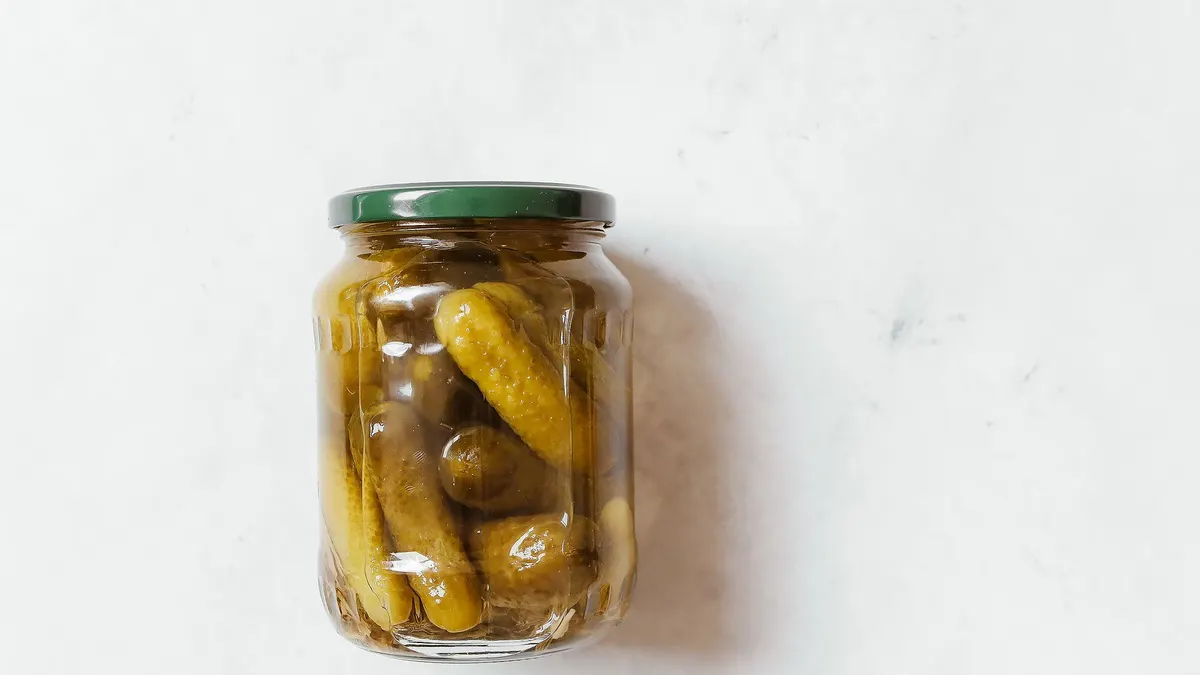
- Non-potentially hazardous foods made in your primary residence, such as bread, cookies, double-crust fruit pies, candy, pickles, jams and jellies
- Where you can sell (exempt)
- From your residence, your own farm stand, farmers markets and retail food stores
- Not allowed
- Potentially hazardous foods, such as cheesecake, custards, pumpkin pie, soups, sandwiches and low-acid canned foods
- Training required
- None stated on the state page
Exempt or licensed?
| Question | Exempt operation | Licensed (Class H) |
|---|---|---|
| Where you can sell | From your residence, your own farm stand, farmers markets or retail food stores. | Also to restaurants and other food establishments, over the internet, by mail order, and to wholesalers, brokers and distributors. |
| Foods | Non-potentially hazardous foods only. | Non-potentially hazardous foods only. |
| Where it is made | Home kitchen of your primary residence in New Hampshire, or a food production area there that meets the law’s sanitation standards. | The same. |
| Inspection | None, except when the department suspects an imminent health hazard. | Licensed and inspected by the DHHS Food Protection Section. |
| Required statement on the label | “This product is exempt from New Hampshire licensing and inspection.” | “This product is made in a residential food production area licensed by the New Hampshire Department of Health and Human Services.” |
Does your product need a license?
- Is it a non-potentially hazardous food?Foods that need time or temperature control for safety, such as cheesecake, custard, pumpkin pie, soup, sandwiches and low-acid canned foods, are not allowed for a homestead operation at all. Go to step 2.
- Is it freeze dried?Under a law effective November 12, 2025, freeze dried fruits, vegetables and commercially prepared dairy products need a license, even when sold from home, a farm stand, a farmers market or a store. Go to step 3.
- Will you sell to restaurants, online, by mail order or to wholesalers?Then you need a Class H Homestead License. Otherwise go to step 4.
- Will you sell only from your home, farm stand, farmers market or a retail food store?Then you are exempt from licensing. Label each package as described below.
What you can sell
| Food | Allowed? |
|---|---|
| Breads, rolls, muffins, cookies and brownies | Yes exempt if sold from home, a farm stand, a farmers market or a retail food store |
| Double-crust fruit pies | Yes |
| Candy and fudge | Yes |
| Packaged dry products | Yes |
| Pickles, jams and jellies | Yes, with a recipe check use a standardized recipe from an approved source or get a process review |
| Freeze dried fruits, vegetables and dairy | License required effective November 12, 2025 |
| Cheesecake, pumpkin pie, custards | No potentially hazardous |
| Soups, sandwiches and low-acid canned foods | No potentially hazardous |
The department says that if you make acidified foods, jams and jellies or freeze dried foods without a standardized recipe from an approved source, each product needs a process review to show it is safe and shelf stable. Approved sources include the National Center for Home Food Preservation, the USDA’s Complete Guide to Home Canning (2015 revision) and extension publications published as of 2020. The Food Protection Section will help you decide whether your product is potentially hazardous.
Where you make it
A homestead food operation produces food in the home kitchen of the owner’s primary residence in New Hampshire, or in a food production area in that residence that has a handwashing station with hot and cold running potable water, space to store food and equipment, food contact surfaces that can be cleaned and sanitized, clean and cleanable surfaces, and a way to keep pets out during production. Two 2025 laws also allow you to use commercial kitchen equipment, as long as it can be cleaned and sanitized in the processing area.
New Hampshire labeling requirements
Packaged homestead food sold from your home or farm stand needs a label with one of two sets of information:
- your name, physical or e-mail address and phone number; the product name; ingredients in descending order of weight; and allergy information; or
- your name, physical or e-mail address and phone number; the product name; allergy information as set in rules; and a QR code or website listing the ingredients in descending order of weight, with a physical sign at the display listing them.
Food sold at farmers markets, to restaurants and other retail food establishments, over the internet, by mail order or to wholesalers must have the full label with the ingredients printed on each package. Exempt products must also say “This product is exempt from New Hampshire licensing and inspection.” Licensed products must say “This product is made in a residential food production area licensed by the New Hampshire Department of Health and Human Services.”
100 Example Road, Concord, NH
Phone: 603-555-0100
Inspections, licensing and self-inspecting towns
Exempt operations are not inspected, except that the department may inspect when it has reason to suspect an imminent health hazard. To get a Class H license you apply through the Food Protection online portal or with the paper homestead application, and the Retail Food Licensing and Inspection Program reviews it. The department says 15 New Hampshire cities and towns inspect themselves, so check with them for extra requirements before you start.
Insurance and local rules
Product liability coverage is worth considering. See our guide to liability, risk and insurance. Also check your town zoning, your HOA covenants and your lease. For general background, see our planning and zoning guide.
Frequently asked questions
Do I need a license to sell homemade food in New Hampshire?
Not if you sell non-hazardous food only from your residence, your own farm stand, a farmers market or a retail food store. You need a Class H Homestead License to sell to restaurants, online, by mail order or to wholesalers.
Is there a sales limit in New Hampshire?
The exemption used to depend on a maximum annual gross sales amount. A law effective July 13, 2025 removed that condition from the text we read.
Can I sell homemade food online in New Hampshire?
Yes, but that takes a Class H Homestead License, as does mail order.
Can I sell cheesecake or pumpkin pie?
No. Potentially hazardous foods are not allowed for homestead operations.
Can I sell pickles and jam?
Yes, using a standardized recipe from an approved source, or with a process review of the product.
Can I sell freeze dried food?
Only with a license, under a law that took effect November 12, 2025.
Can I sell at a farmers market?
Yes. Farmers market sales are covered by the exemption, and each package needs the full ingredient label.
Can I use commercial equipment in my home kitchen?
Yes, if it can be cleaned and sanitized in the processing area.
Note on conflicting sources
The State of New Hampshire’s statute and rules sites blocked our automated requests, so we did not read the current consolidated RSA 143-A:12 or the He-P 2300 rules. We read the Department of Health and Human Services homestead food page, and the text of the 2025 laws that changed RSA 143-A: House Bill 150 (chapter 18) and House Bill 304 (chapter 28), both effective July 13, 2025; House Bill 307 (chapter 46), approved May 29, 2025, which depends on those two; and House Bill 505 (chapter 193), effective November 12, 2025. Older guides, including a summary from the National Agricultural Law Center, mention a maximum annual sales amount of $20,000 for exempt operations; the 2025 text we read no longer links the exemption to a sales amount. TODO verify: the consolidated statute, the license fee, the Class H application requirements, the DHHS homestead FAQ guide, and any change after November 2025.
Official sources
- New Hampshire Department of Health and Human Services, Food Protection Section: Homestead Food Operations page (read November 2026)
- New Hampshire Revised Statutes Annotated, RSA 143-A:5 (exemptions), 143-A:12 (homestead food operations) and 143-A:13 (licensing)
- 2025 laws: House Bills 150 (chapter 18), 304 (chapter 28), 307 (chapter 46) and 505 (chapter 193)
- New Hampshire rules He-P 2300, Sanitary Production and Distribution of Food
- Not checked for this page: the consolidated statute, He-P 2300 and the Homestead Food FAQ guide (PDF)