
Rhode Island Cottage Food Law (2026): Registration, $50,000 Cap and Farm Home Food
At a glance
- License or permit
- Cottage Food Manufacture registration with RIDOH, Center for Food Protection
- Registration fee
- $65 a year, according to RIDOH’s registration form
- Annual sales limit
- $50,000 in gross sales per calendar year; RIDOH asks for documentation to verify it
- Allowed foods
- Non-perishable baked goods that do not need refrigeration, according to a guide to RIDOH’s rules; confirm your product with RIDOH
- Where you can sell
- Directly to consumers by pick-up or delivery within Rhode Island, by you or a designee
- Not allowed
- Foods that need temperature control, meat, dairy, cream or custard fillings, pickles and other acidified or canned foods
- Training required
- Yes: a food safety manager course, an American National Standards Institute approved food handler course, or another course the department approves, before the first registration
Two Rhode Island routes
| Question | Cottage food manufacture | Farm home food manufacture |
|---|---|---|
| Who it is for | Home cooks making foods in a home kitchen. | Farmers making food in a kitchen on the premises of a farm. |
| Law | R.I. Gen. Laws section 21-27-6.2. | R.I. Gen. Laws section 21-27-6.1. |
| Registration | Register with RIDOH; $65 a year; notarized affidavit and property sketch; food safety course. | Register each farm kitchen with RIDOH; notarized affidavit of compliance from the farm owner; certificate valid for one year; fee set in section 23-1-54. |
| Where you can sell | Directly to consumers by pick-up or in-state delivery. | Farmers markets, farm stands and other markets and stores operated by farmers for retail sale of Rhode Island farm products. |
| Foods | Non-perishable foods that do not need refrigeration. | Non-potentially hazardous foods that do not need refrigeration: jams, jellies, preserves and vinegars made with locally grown produce, double-crust fruit pies, yeast breads, maple syrup, candies and fudges, dried herbs and spices. |
| Sales limit | $50,000 a year. | The statute text we read sets no dollar cap. |
How to register as a Cottage Food Manufacturer
- Take an approved food safety course.RIDOH asks for a certificate before the first registration. The department lists the courses it accepts.
- Prepare the kitchen.The products must be made in a kitchen on the premises of a home. Keep your recipes on hand for inspection.
- Get the affidavit notarized.The affidavit says your kitchen meets the requirements.
- Draw a property sketch.Show the kitchen, the well and the septic system.
- Apply and pay.Send the application to the Center for Food Protection in Providence with the $65 fee. Registration renews every year.
What you can sell
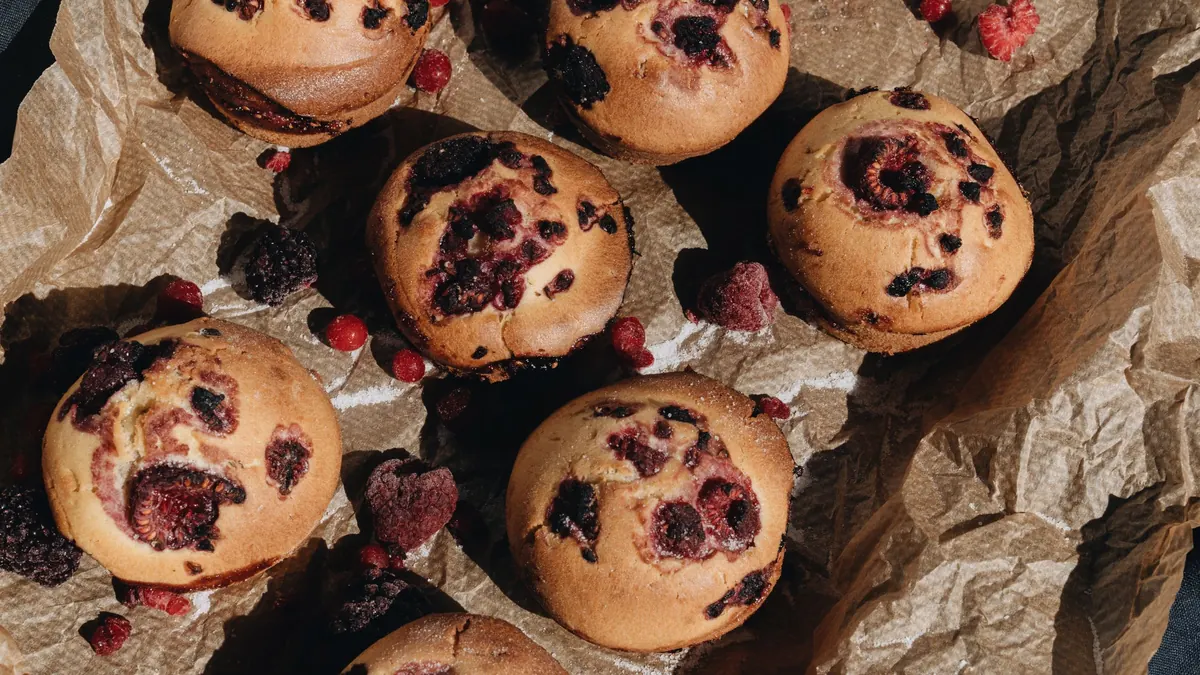
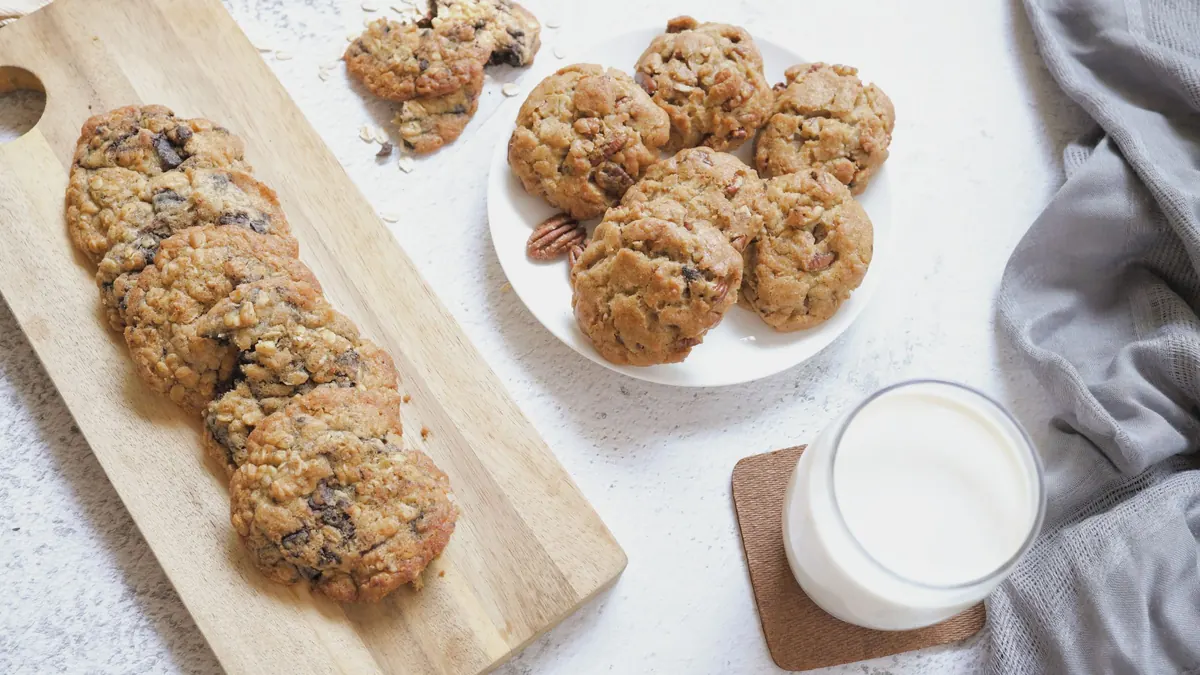
RIDOH’s cottage food rules are limited to foods that do not need refrigeration. A guide to the Rhode Island rules lists non-perishable baked goods such as breads, cookies, cakes, muffins, brownies and granola, and lists as not allowed meat, dairy, eggs, cream and custard fillings, pickles, canned or acidified foods and fermented foods. The same guide says jams, jellies and dried herbs fall under the farm home food route rather than the cottage route. We could not open RIDOH’s own list, so ask RIDOH about any product you are unsure about.
| Food | Allowed? |
|---|---|
| Breads, cookies, cakes, muffins and brownies that do not need refrigeration | Yes |
| Granola, crackers and pretzels | Yes |
| Jams and jellies | Farm route the farm home food statute allows them when made with locally grown fruit |
| Dried herbs and spices | Farm route the farm home food statute allows them |
| Cream, custard and cream-cheese fillings and cream pies | No |
| Meat, dairy products and eggs | No |
| Pickles, canned or acidified foods, kombucha and fermented foods | No |
Sales limit
The limit is $50,000 in gross sales per calendar year, according to RIDOH’s registration form and the cottage food statute as shown in legal databases. RIDOH asks registrants for documentation to verify gross sales. A summary of a 2022 bill described a $25,000 limit, but the figure on RIDOH’s form is $50,000.
Rhode Island label requirements
RIDOH’s own label rules were not available to us. A guide to the Rhode Island rules lists these items for cottage food labels:
- the product name and your business name and address;
- the ingredients in descending order by weight;
- an allergen declaration;
- a statement in at least 10-point type that the food was made by a cottage food business registrant that is not subject to routine government food safety inspection.
Treat that list as a starting point and ask RIDOH for the exact wording before you print labels. For farm home food products, the statute says to list the ingredients on the product and label it with the farm name, address and telephone number.
100 Example Road, Providence, RI
Where you can sell
- Directly to consumers. RIDOH says cottage foods may be sold by pick-up or delivery within Rhode Island, by the registrant or a designee.
- Online orders. A guide to the rules says online orders are allowed if the food is delivered in Rhode Island; confirm this with RIDOH.
- Wholesale and consignment. The same guide says these are not allowed under the cottage route. Selling to stores or restaurants takes a food processor license.
- Interstate sales. Not allowed, according to the guide.
- Farmers markets. The cottage rules describe direct sales; the farm home route covers farmers markets and stands run by farmers. Ask your market what it requires.
Farm home food manufacture
Section 21-27-6.1 lets farmers make non-potentially hazardous foods in a farm kitchen and sell them at farmers markets, farm stands and other markets and stores operated by farmers for the retail sale of Rhode Island farm products. The statute text we read says:
- the kitchen must be on the farm premises and meet the state minimum housing standards, with a two-compartment sink or a dishwasher that reaches 150°F after the final rinse and a one-compartment sink, nonabsorbent surfaces, and bathroom doors that close by themselves;
- a private water supply must be tested once a year;
- pets are kept out of food preparation and storage areas at all times;
- the cooking facilities and any laundry facilities in the kitchen are not used for domestic purposes while farm home food is being made;
- recipes with ingredients, quantities, processing times and procedures are kept in the kitchen for review and inspection;
- each farm kitchen is registered with RIDOH with a notarized affidavit of compliance from the farm owner, and the certificate is valid for one year and can be revoked for noncompliance;
- income from farm home food manufacture is not counted as farm income for the sales and use tax exemption in section 44-18-30(32).
Training and insurance
A food safety course is required before you first register as a cottage food manufacturer. Product liability coverage is also worth considering. See our guide to liability, risk and insurance.
Local rules and HOAs
Check your town’s zoning and home business rules, your HOA covenants and your lease. For general background, see our planning and zoning guide.
Frequently asked questions
Do I need a license to sell food from home in Rhode Island?
Yes. You register as a Cottage Food Manufacturer with RIDOH. A farm kitchen has a separate farm home food registration.
How much does the Rhode Island cottage food registration cost?
$65 a year, according to RIDOH’s registration form.
What is the Rhode Island cottage food sales limit?
$50,000 in gross sales per calendar year.
Do I need a food safety course in Rhode Island?
Yes, before your first registration: a food safety manager course, an approved food handler course or another course RIDOH approves.
Can I sell cottage food online in Rhode Island?
Orders placed online appear to be allowed if the food is delivered in Rhode Island. Selling across state lines is not allowed. Confirm with RIDOH.
Can I sell to stores or restaurants?
Not under the cottage route. Wholesale sales take a food processor license.
Can I sell jam in Rhode Island?
Jams and jellies appear in the farm home food statute for locally grown fruit. A guide says they are not covered by the cottage registration. Ask RIDOH.
What is farm home food manufacture?
A separate registration under section 21-27-6.1 that lets farmers make certain foods in a farm kitchen and sell them at farmers markets and farm stands.
Note on conflicting sources
RIDOH’s cottage food pages and registration form were not available to us directly, because the department’s website blocked our automated requests, and the Rhode Island legislature’s statute site refused the connection. We therefore could not read the text of section 21-27-6.2 or the Food Code rules. What we describe for the cottage route comes from RIDOH’s page and form as they appeared in search results, legal databases and a guide to the Rhode Island rules, so treat the registration fee, training, label wording, product list and sales limits as needing confirmation. The farm home food manufacture section is from the text of section 21-27-6.1 as published by the National Agricultural Law Center. A summary of a 2022 bill said $25,000 where RIDOH’s form says $50,000, and one source gave a different bill number than another, so we did not rely on bill histories. TODO verify: the text of section 21-27-6.2, the product list, the label wording, inspection and complaint rules, penalties, and any change since 2024.
Official sources
- Rhode Island Department of Health, Center for Food Protection: Cottage Foods and the Cottage Food Manufacture registration application
- Rhode Island General Laws, Title 21, chapter 21-27, sections 21-27-6.1 (farm home food manufacture) and 21-27-6.2 (cottage food manufacture)
- National Agricultural Law Center, Cottage Food Law Statutes: Rhode Island
- 216-RICR-50-10-1, Rhode Island Food Code
- Not checked for this page: the current text of section 21-27-6.2, the Food Code rules and RIDOH’s forms and frequently asked questions