
Connecticut Cottage Food Law (2026): CFO License, Labels and Where to Sell
At a glance
- License or permit
- Cottage Food Operator license from DCP, Food and Standards Division
- Application fee
- $50
- Annual sales limit
- $50,000 in yearly gross sales; keep records of all sales
- Allowed foods
- Non-potentially hazardous foods that DCP approves, such as breads, cookies, fruit pies, jams, candy and dried herbs
- Where you can sell
- Directly to consumers inside Connecticut, including orders taken online and delivered by you
- Not allowed
- Mail or carrier shipping, third-party delivery services, pickles, hot sauce, salsa, beverages and many other foods
- Training required
- Yes, a food safety training course with a certificate submitted with the application
Who the Connecticut program covers
DCP describes a Cottage Food Operator as a person who makes a food product at home with the intent to sell directly to consumers. The Food and Standards Division issues the license, and DCP’s cottage food pages say the food must be prepared in a home kitchen. There are state and federal rules that limit what an individual can sell, so you need the license before you start selling, not after.
How to apply
- Get local zoning approval.DCP asks you to attest on the application that your town allows a home food business, and to keep a written record of the approval.
- Take a food safety course.Complete an approved food safety training course before you apply, and submit the certificate. DCP keeps a list of approved courses.
- Test your water if you have a private well.The test must cover E. coli, total coliform, and nitrates and nitrites, and it must be dated within one year of your application. A lab approved by the Department of Public Health must do it.
- List your products.DCP reviews the products you plan to make. After you submit the application, it may email you to ask for product descriptions.
- Apply and pay.Apply online through the state’s eLicense system or send the paper form, and pay the $50 application fee to DCP.
All products must be approved during the application process. If you later want to add a new product, DCP has a separate request process. DCP’s pages we read do not describe renewal, so check the renewal information on the DCP licensing site.
What you can sell
DCP publishes an accepted list and a prohibited list. Both say they are not complete and are subject to change, so ask DCP about any food that is not on them.
| Food | Allowed? |
|---|---|
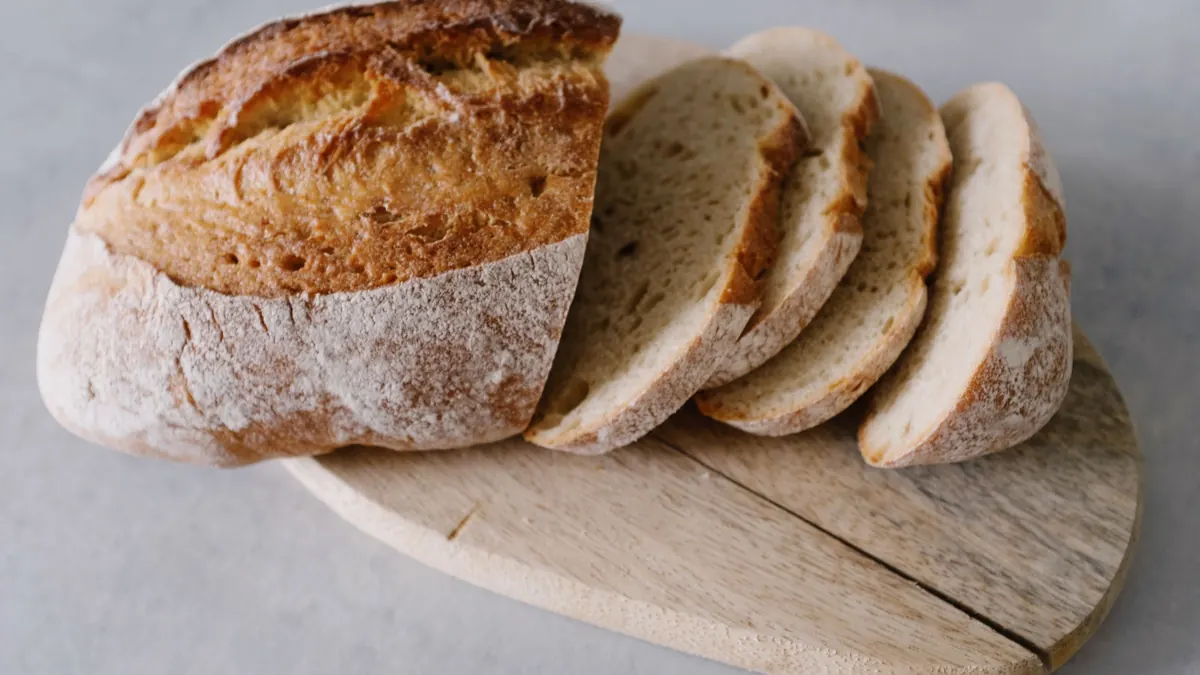
| Bread, rolls and biscuits (plain, not stuffed) | Yes non-potentially hazardous |
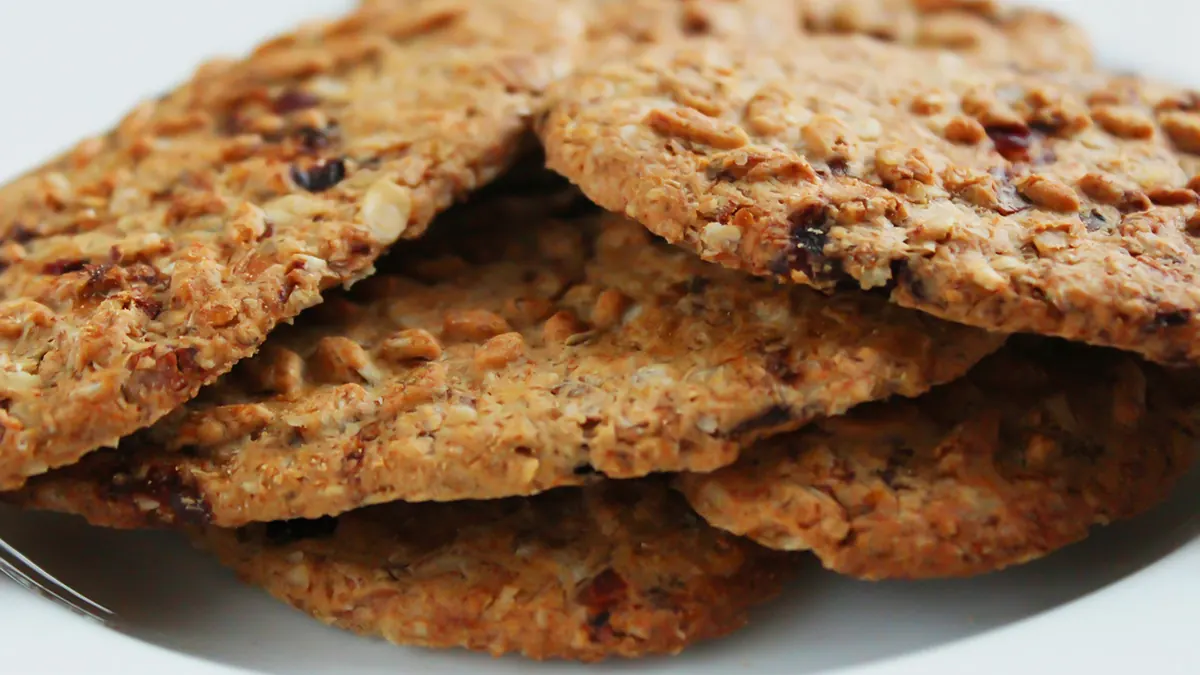
| Cakes, including celebration cakes, pastries, cookies and brownies | Yes only non-potentially hazardous recipes |
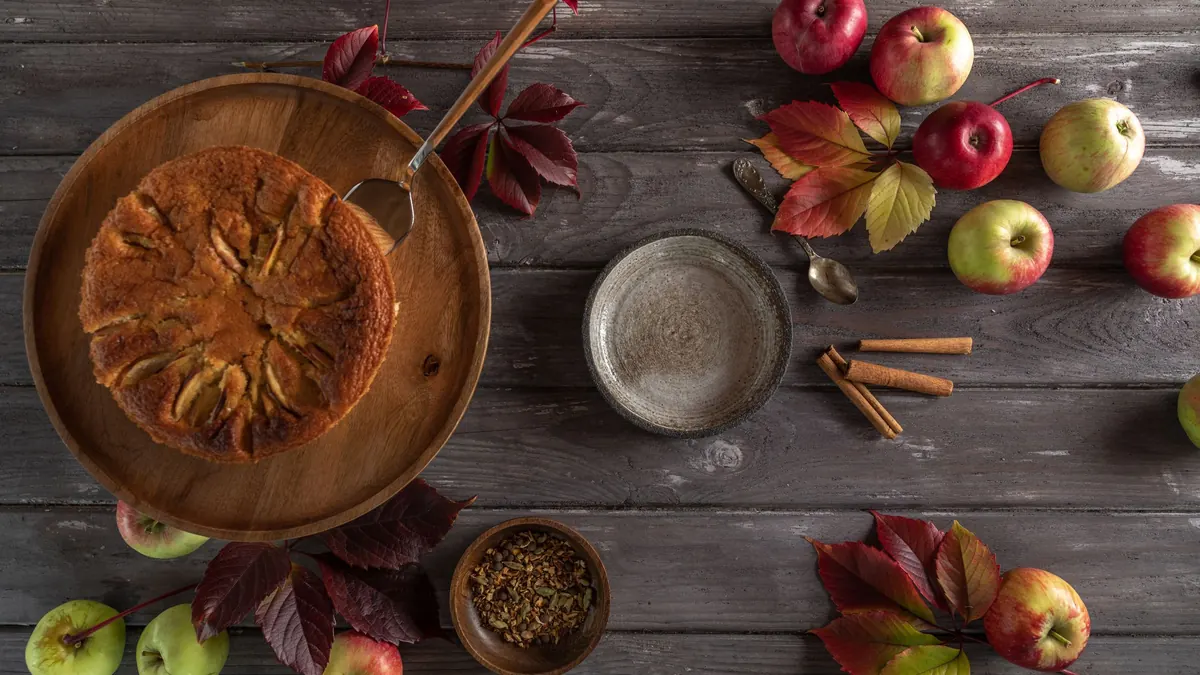
| Fruit pies (not pumpkin) | Yes |
| Candy, chocolate, fudge, cake pops, cotton candy and popcorn | Yes |
| Jams, jellies and preserves | Yes must meet the federal standard of identity in 21 CFR 150 |
| Dried fruit and vegetables, dry herbs, seasonings, dry tea and coffee, granola, trail mix and nuts | Yes |
| Vinegar and flavored vinegars, dried pasta without egg | Yes |
| Pickled vegetables, relishes, salsa, hot sauce and other acidified foods | No on DCP’s prohibited list |
| Apple sauce, soups, syrups, extracts and fire ciders | No |
| Beverages and ice cream | No |
| Fresh fruit or vegetables, chocolate- or candy-covered fruit | No |
| Whipped cream, cream cheese and buttercream frostings; flan and tres leches cakes | No |
| Infused oils and dehydrated meat or poultry | No |
No canned or home-canned item is on the accepted list, and DCP bans acidified foods, so plan on jams and jellies as your only canned products. Vinegar is accepted but acidified foods are banned, and DCP’s page does not explain where it draws that line, so ask before you add a product.
Sales limit and records
The limit is $50,000 in yearly gross sales, and DCP says you must keep records of all your sales. Its pages we read do not explain how the year is counted, so ask DCP if you are close to the limit.
Connecticut label requirements
DCP’s label checklist says each package must show:
- the product name, in capital letters or upper and lower case;
- the business name and address, including city, state and zip code;
- the ingredients in descending order by weight, with the parts of any prepared ingredient listed in parentheses, for example “soy sauce (wheat, soybeans, salt)”;
- the net weight or volume, with the metric equivalent, largest unit first;
- this statement in at least 10-point type: “Made in a Cottage Food Operation that is not Subject to Routine Government Food Safety Inspection.”
A handwritten label is allowed if it is legible and durable and the type is at least 10 points. DCP also has a page on how to label allergens that this page does not summarize, so read it before you print labels.
100 Example Road, Hartford, CT 06103
Where you can sell
- Direct to the consumer, in person. DCP says the transaction must occur in Connecticut and that products may not be shipped to customers.
- Online orders, hand delivery. You may advertise and take orders online, but you must deliver the product to the consumer yourself, within Connecticut. DCP says you may not use mail, UPS, FedEx, third-party delivery services or mobile food ordering companies.
- Farmers markets. Some markets and other direct marketing venues require vendors to have a food establishment license, so ask each market. DCP does not say markets must accept cottage food operators.
- Stores, restaurants and wholesale. DCP has separate pages on these, which we did not read, so confirm with DCP before you sell to a business.
Home kitchen rules
You work in your own home kitchen. DCP says you may not use commercial equipment such as large rotary mixers, because a private kitchen usually lacks the sinks to clean it, and your equipment does not need NSF approval. Rules on pets, children and hand washing were not on the DCP pages we read, so ask DCP what applies to your kitchen. A private well needs the water test described above.
Training and insurance
Connecticut requires a food safety training course before you apply. We found no food protection manager certificate requirement. Product liability insurance is not required in the pages we read, but it is worth considering; see our guide to liability, risk and insurance.
Local rules and HOAs
Zoning approval from your town is part of the application, so start there. Private rules apply too, so check your HOA covenants and lease. For general background, see our planning and zoning guide.
Frequently asked questions
Do I need a license to sell food from home in Connecticut?
Yes. DCP issues a Cottage Food Operator license, and you need it before you sell.
How much does the Connecticut cottage food license cost?
The application fee is $50, according to DCP.
What is the Connecticut cottage food sales limit?
$50,000 in yearly gross sales, and you must keep records of all sales.
Can I sell cottage food online or by mail in Connecticut?
You may advertise and take orders online, but you must deliver to the customer yourself within Connecticut. Mail, carriers such as UPS or FedEx, and third-party delivery services are not allowed.
Can I sell pickles or canned goods in Connecticut?
Pickled vegetables, relishes, salsa, hot sauce and other acidified foods are on DCP’s prohibited list. Jams, jellies and preserves that meet the federal standard are accepted.
Do I need a food safety course?
Yes. You must complete a food safety training course before applying and submit the certificate.
What must a Connecticut cottage food label say?
The product name, your business name and address, ingredients in order by weight, the net weight or volume, and the statement that the food was made in a cottage food operation not subject to routine government food safety inspection.
Do I need to test my well water?
Yes, if you use a private well. The test must include E. coli, total coliform, and nitrates and nitrites, and must be within a year of your application.
Note on conflicting sources
We could not open the Connecticut statutes or regulations when we checked, so we did not find the section of law behind the program or the date it took effect. Every fact above is from the Department of Consumer Protection’s own cottage food pages, dated March 2026, which are agency guidance and not the statute. Some websites give an older sales limit or describe other rules; we followed the DCP pages. DCP says its accepted and prohibited lists are not complete. TODO verify: the governing statute and regulation, the renewal rules and the consequences of selling without a license.
Official sources
- Connecticut Department of Consumer Protection, Cottage Foods in Connecticut, and its knowledge base articles on the sales limit, application process, accepted and prohibited products, label checklist, selling at farmers markets, online sales and equipment (updated March 2026)
- Connecticut Department of Consumer Protection, Food and Standards Division
- Code of Federal Regulations, Title 21, section 150 (standards of identity for jams, jellies and preserves)
- Not checked for this page: the Connecticut General Statutes and the Regulations of Connecticut State Agencies on cottage food