
Wisconsin Cottage Food Law (2026): Home Bakers, the Pickle Law and What You Can Sell
At a glance
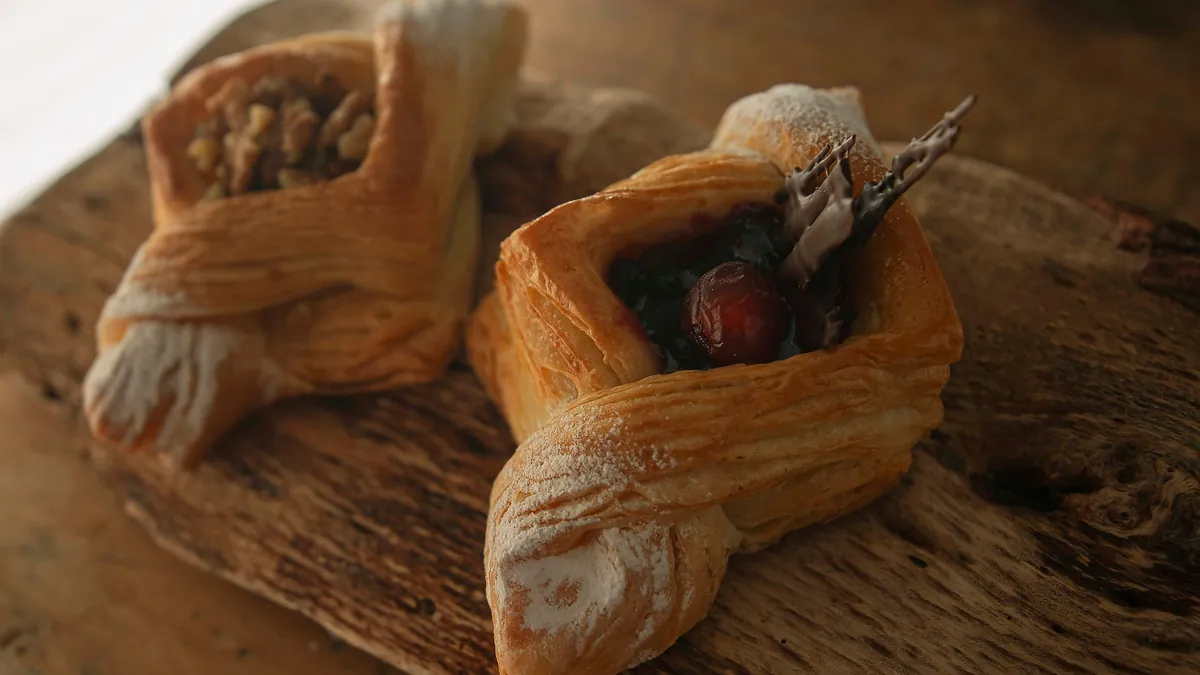
- Home bakers (baked goods)
- No license for non-potentially hazardous baked goods made in your home and sold directly to consumers, because of court orders; the state notes that ongoing litigation may affect this
- Home-canned foods
- No license for naturally acidic or acidified fruits and vegetables with a finished pH of 4.6 or lower, within the limits below
- Sales limit
- $5,000 a year per person for home-canned foods; the baked goods guidance states no dollar limit
- Where you can sell
- Baked goods: directly to consumers. Canned foods: Wisconsin farmers markets, flea markets and community or social events only
- Not allowed
- Wholesale sales; for canned foods also sales from your home, internet and out-of-state sales, and consignment
- Training required
- None stated in the state materials
Who the Wisconsin home food rules cover
The Wisconsin Department of Agriculture, Trade and Consumer Protection (DATCP) says that, as of November 2024, certain court orders prohibit enforcement of licensing requirements for home bakers who make baked goods that are not potentially hazardous and sell them directly to consumers. The case is Kivirist v. DATCP, Lafayette County Case No. 2016CV06. DATCP says the orders apply only to people producing baked goods in their homes. Commercial kitchens must follow chapters ATCP 70 and ATCP 75 of the Wisconsin Administrative Code, and any business that wholesales baked goods must be licensed. DATCP adds that ongoing litigation may affect how this applies, and that you should decide for yourself whether you need a food business license.
What you can sell
For baked goods, DATCP defines them as foods exposed to dry heat, transferred through air, at a temperature above 140 degrees Fahrenheit in a closed chamber such as an oven. The finished product must not be potentially hazardous under Wisconsin statutes 97.29(1)(hm) and 97.30(1)(bm). For home-canned foods, the state allows naturally acidic or acidified fruits and vegetables with a finished pH of 4.6 or lower.
| Food | No license needed? |
|---|---|
| Breads, cookies, cakes, pastries and other baked goods that are not potentially hazardous | Yes home bakers, direct sales to consumers |
| Fruit jams and jellies, canned cherries, peaches and applesauce | Yes home-canned, pH 4.6 or lower, $5,000 a year |
| Pickled fruits and vegetables, salsas, chutneys, sauerkraut and kimchi | Conditions pH 4.6 or lower; testing the finished pH is recommended; refrigerator pickles are not covered |
| Processed fruits or vegetables with a pH above 4.6 | No license required |
| Fish, meat, pickled eggs, lemon curd, pesto and dressings | No license required for home-canned products, regardless of pH |
| Baked goods that are potentially hazardous (for example cream or custard fillings) | No outside the court orders |
| Other homemade foods, such as candy and other unbaked foods | Ask DATCP DATCP’s baked goods guidance covers baked goods only |
Sales limits and records
The $5,000 limit applies to home-canned foods, per person per year. DATCP’s baked goods sheet does not state a dollar limit. DATCP suggests that canned food sellers keep a record of the recipe, the amount canned and sold, the canning date, the dates and places of sale, gross receipts and any pH test results.
Wisconsin label requirements
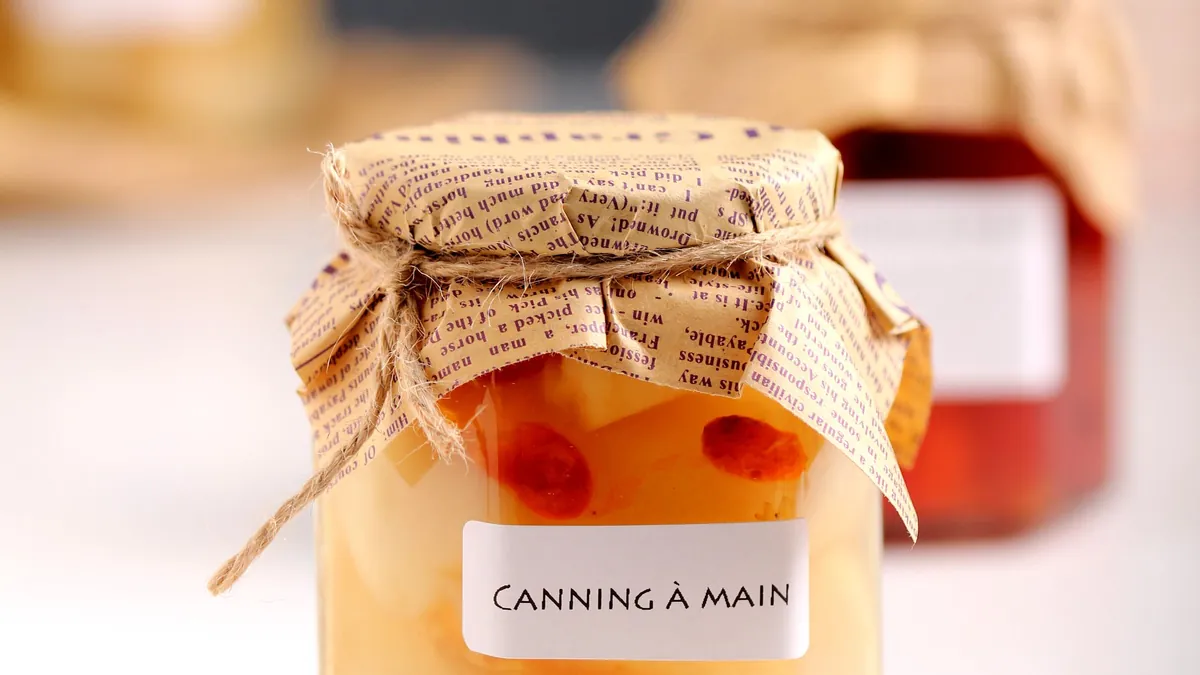
DATCP’s baked goods sheet does not list label requirements, so use a clear label with the product name, ingredients, allergens and your name and address as good practice. For home-canned foods, the state requires a point-of-sale sign reading “These canned goods are homemade and not subject to state inspection,” and each product label must show:
- the name and address of the person who canned the product;
- the canning date;
- the statement “This product was made in a private home not subject to state licensing or inspection”;
- all ingredients in descending order of prominence, using the common name for milk, eggs, fish, crustacean shellfish, tree nuts, peanuts, wheat, soybeans or sesame.
123 Sample Street, Anytown, WI 00000
Where you can sell
- Baked goods: directly to consumers. DATCP does not list venues in its baked goods sheet, and wholesale requires a license.
- Home-canned foods: retail sales directly from you to the consumer at Wisconsin community or social events, flea markets and farmers markets.
- Not allowed for canned foods: sales out of your home, wholesale or resale by someone else, consignment, internet sales, sales outside Wisconsin, and selling the exempt products alongside licensed foods.

Training and insurance
The state materials we read do not require a food safety course. A basic course and product liability coverage are still worth considering, and some markets ask for them. See our guide to liability, risk and insurance.
Local rules and HOAs
Cities and counties may have zoning or home business rules, and private rules apply too, so check your HOA covenants and lease. Farmers markets set their own rules. For general background, see our planning and zoning guide.
Frequently asked questions
Can I sell food from home in Wisconsin?
Yes, if you are a home baker selling baked goods that are not potentially hazardous directly to consumers, or if you sell eligible home-canned foods within the $5,000 limit at allowed venues. Other foods may need a license.
Do I need a license to sell baked goods from home in Wisconsin?
Court orders currently bar DATCP from enforcing licensing against home bakers of non-potentially hazardous baked goods sold directly to consumers. DATCP warns that ongoing litigation may affect this.
Is there a sales limit in Wisconsin?
$5,000 a year per person for home-canned foods. DATCP’s baked goods sheet does not state a limit.
Can I sell cottage food online in Wisconsin?
Not home-canned foods: internet sales are prohibited. DATCP’s baked goods sheet does not address online sales, so ask DATCP.
Can I sell to stores or restaurants?
No. Wholesale baked goods and wholesale canned foods need a license.
Can I sell candy or fudge?
DATCP’s court-order guidance covers baked goods only, so ask DATCP whether you need a license for candy or other unbaked foods.
Note on conflicting sources
Many guides online describe a “cottage food law” for Wisconsin. The baked goods exemption is not a statute. It comes from court orders that DATCP says may be affected by ongoing litigation, and some guides claim it covers more foods than DATCP describes. Bills introduced in the 2025–26 session to put home food rules into statute, with registration and a $40,000 limit, did not pass according to the legislature’s records as summarized in our research, and we found no enacted version. We could not open the legislature’s site, so confirm the current law with DATCP at (608) 224-4923.
Official sources
- Wisconsin DATCP, Licenses and Homemade Baked Goods (May 2025) and Kivirist v. DATCP, Lafayette County Case No. 2016CV06
- Wisconsin DATCP, Selling Home-Canned Foods
- Wisconsin Statutes sections 97.29 and 97.30, and Wisconsin Administrative Code chapters ATCP 70 and ATCP 75
- U.S. Food and Drug Administration (FDA): Food Allergies (FASTER Act, sesame)