
Washington Cottage Food Law (2026): Permit, Sales Limit, Foods and Labels
At a glance
- License or permit
- Cottage food permit from WSDA, issued for two years, after review of your recipes and labels and an inspection of your kitchen
- Fees
- $75 public health review, $125 inspection and $30 application processing (not refunded once WSDA receives the application)
- Annual sales limit
- $35,000 per home
- Allowed foods
- Non-potentially hazardous foods on your permit, such as baked goods, candies, jams and jellies; up to 50 recipes per application
- Where you can sell
- Directly and in person to consumers inside Washington, for example at farmers markets and craft fairs
- Not allowed
- Shipping, mail order, consignment, wholesale and sales outside Washington
- Training required
- A food safety training program and a valid food worker card
Who the Washington cottage food law covers
Chapter 69.22 of the Revised Code of Washington (RCW) and chapter 16-149 of the Washington Administrative Code (WAC) apply to a cottage food operation. That is an operation that makes cottage food products only in the home kitchen of its primary residence in Washington and sells them only directly to consumers. Production must happen in the kitchen of that primary residence, and you cannot start until WSDA issues your permit.
Permitted operations are not subject to the food processing plant licensing in chapter 69.07 RCW or to permitting and inspection by a local health jurisdiction. Other state, federal and local laws still apply, including county and city zoning and a master business license.
What you can sell
You may make only non-potentially hazardous foods that appear on your permit, made exactly as the approved recipe reads. Each application may list up to 50 recipes, and a base recipe and its variations count as one.
| Food | Allowed? |
|---|---|
| Breads, rolls, muffins, cakes, cookies, scones, pastries and donuts | Yes |
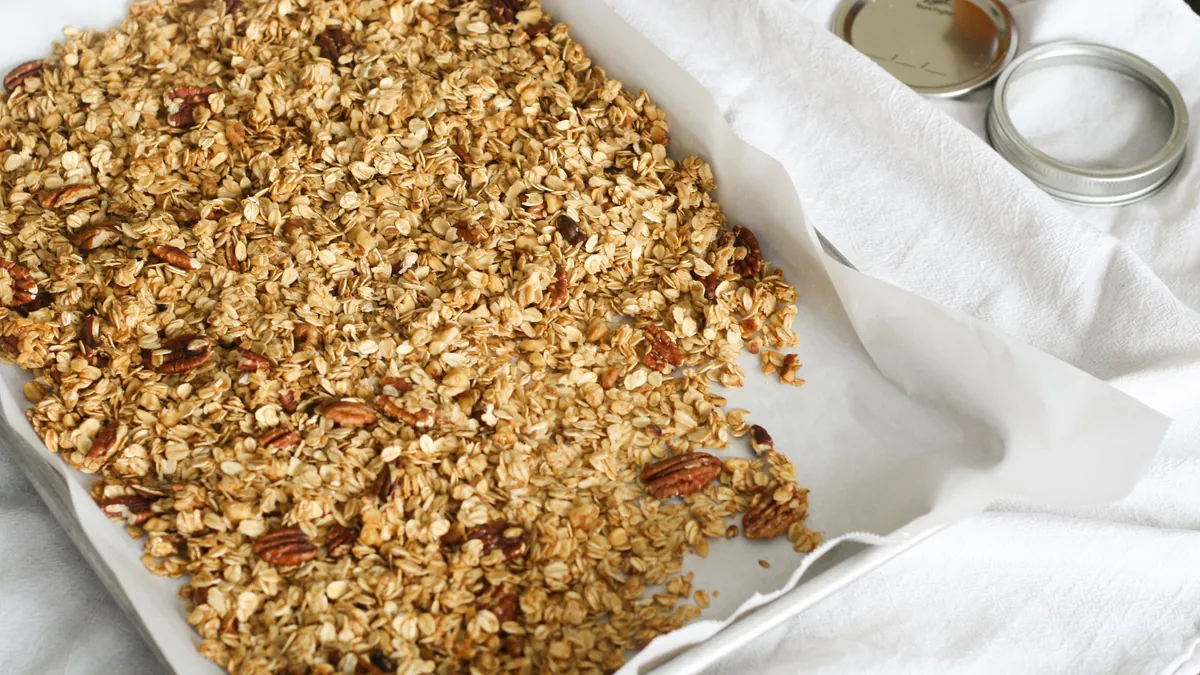
| Granola, cereals, trail mixes, nuts and snack mixes | Yes |
| Pies | Conditions no custard-style pies, unbaked fresh-fruit pies or pies that need refrigeration |
| Candies such as fudge, caramels, brittle and molded candies | Yes cooked with a candy thermometer |
| Jams, jellies, preserves and fruit butters | Yes with a cook step; no paraffin wax seals |
| Dry herb, seasoning, tea and coffee mixes | Yes from approved sources |
| Meat, poultry, fish, shellfish and jerky | No |
| Dairy, cream-based or refrigerated bakery items | No |
| Canned fruits and vegetables, salsa and pickled products | No |
| Cut fresh fruits or vegetables, raw sprouts, garlic in oil and fresh juice | No |
| Beverages and ice | No |
| Products with an ingredient containing 0.3% THC or more | No |
How to get a Washington cottage food permit
- Complete a food safety training program and get a valid food worker card. Everyone who helps make the food needs one.
- If you use a private water supply such as a well or spring, get a passing bacterial test within 60 days before you apply and attach the result.
- Send WSDA your application with your recipes, labels and the fees. WSDA reviews them before it issues the permit.
- Pass the kitchen inspection. Inspections may be announced or unannounced.
- Renew before the permit expires. Permits last two years; changes to recipes, labels or the kitchen need an amended application.
Washington law also requires the home to meet kitchen conditions: no pets or children under six in the kitchen during production, no other household cooking or laundry at the same time, separate storage from household items, and a way to wash and sanitize equipment. Keep your food worker cards, business license, approved recipes, water tests and sales records on site for six months after the permit expires.
Sales limit
You may not gross more than $35,000 a year from cottage food. The limit applies per home, not per person. If you go over, you must stop for the rest of the permit period or get a food processing plant license. WSDA reviews the limit every four years and raises it based on the Seattle-area consumer price index. The limit went up from $25,000 to $35,000 on January 11, 2024. Older guides that show $25,000 are out of date.
Washington cottage food label requirements
Prepackaged products must carry an English-language label with:
- your business name and permit number;
- the product name;
- the ingredients in descending order by weight, with subcomponents listed;
- the net weight or net volume;
- allergen information under federal rules, and nutrition information if you make a nutritional claim;
- the statement “Made in a home kitchen that has not been subject to standard inspection criteria,” in at least 11-point type in a color that contrasts with the background.
Permit no. 000000
at least 11-point type, contrasting color
WSDA may allow different labeling for large cakes or bulk containers if the product is protected in transit and the buyer gets a label sheet.
Where you can sell
- Direct, in-person sales: at farmers markets, craft fairs, charitable events and other direct sale locations. Display your permit at these locations.
- Websites: WSDA’s rule lets a website show your products, but the sale must be completed in person.
- Not allowed: shipping, mail order, consignment, wholesale and any sale outside Washington.
Training and insurance
You need a food safety training program and a food worker card before WSDA will issue your permit. Insurance is not part of the permit, but product liability coverage is worth considering, and some markets ask for it. See our guide to liability, risk and insurance.
Local rules and HOAs
Local health departments do not permit or inspect cottage food operations, but cities and counties still have zoning and business rules. Private rules apply too, so check your HOA covenants and lease. For general background, see our planning and zoning guide.
Frequently asked questions
Can I sell food from home in Washington?
Yes, but only with a WSDA cottage food permit, only for foods on your approved recipe list, and only directly to consumers inside Washington.
How much does a Washington cottage food permit cost?
The fees are $75 for public health review, $125 for inspection and $30 for application processing. Application fees are not refunded once WSDA receives the application.
What is the Washington cottage food sales limit?
$35,000 a year per home, since January 11, 2024.
Can I sell cottage food online in Washington?
You can show products on a website, but the sale must be completed in person. Shipping and mail order are not allowed.
Can I sell to stores or restaurants?
No. Wholesale and consignment are not allowed, and you may sell only directly to consumers.
Do I need a food handler card?
Yes. You need a food safety training program and a valid food worker card, and so does everyone who helps with production.
Note on conflicting sources
Older WSDA fact sheets and many guides online still show a $25,000 sales limit and a one-year permit. Both changed in 2024. The statute (RCW 69.22) and the rule (chapter 16-149 WAC) also describe online sales differently: the statute lists internet sales and mail order as prohibited, while the rule allows a website to show products as long as each sale is completed in person. Both ways of putting it point to the same practical rule: no remote sales. We read the rule text only in part and could not open the WSDA cottage food page, so check the current fees, forms and food list with WSDA before you apply.
Official sources
- Chapter 69.22 RCW, Cottage food operations
- Chapter 16-149 WAC, Cottage foods, as amended by WSR 24-01-031 (effective January 11, 2024)
- Washington State Department of Agriculture (WSDA), the agency that issues the permit
- U.S. Food and Drug Administration (FDA): Food Allergies (FASTER Act, sesame)