
Virginia Cottage Food Law (2026): The Home Food Processing Exemption, Labels and Where to Sell
At a glance
- License or permit
- None under the exemption. Exempt operations skip the Virginia Department of Agriculture and Consumer Services (VDACS) inspection, permit and $40 annual fee, but must still follow all other applicable laws
- Annual sales limit
- None stated for low-risk foods. Pickles and other acidified vegetables: $9,000 a year in total gross sales. Honey: 250 gallons a year
- Allowed foods
- Listed low-risk foods that need no time or temperature control for safety, acidified vegetables with a finished pH of 4.6 or below, and honey from your own hives
- Where you can sell
- Within Virginia, directly to an individual for their own consumption, by phone, online or at any location, with delivery in person, by mail or by delivery service
- Not allowed
- Resale, consignment, sale to retail food establishments or other businesses, and sales across state lines (for the food and pickle exemptions)
- Training required
- None is listed in the VDACS exemption guidance
Who the Virginia exemption covers
The exemption is for home food processing operations that make certain low-risk foods, acidified vegetables or honey in the producer’s own private home. Food businesses that make, package, label or store food for sale are normally inspected, permitted and charged an annual fee of $40 by the VDACS Food Safety Program. Section 3.2-5130 carves out the three exemptions below. VDACS publishes a question-and-answer guide that was last revised in July 2026, and the details on this page follow it.
What you can sell
The low-risk food exemption covers a fixed list: baked goods, candies, cereals, coated and uncoated nuts, cotton candy, dried fruits, dried pasta, dried tea, dry baking mixes, dry herbs, dry mixtures, dry seasonings, granola, jams and jellies that are not low-acid or acidified low-acid foods, popcorn and popcorn balls, roasted coffee beans and grounds, trail mixes, and vinegars and flavored vinegars. Whatever you make must not need time or temperature control for safety after it is prepared.
| Food | Allowed? |
|---|---|
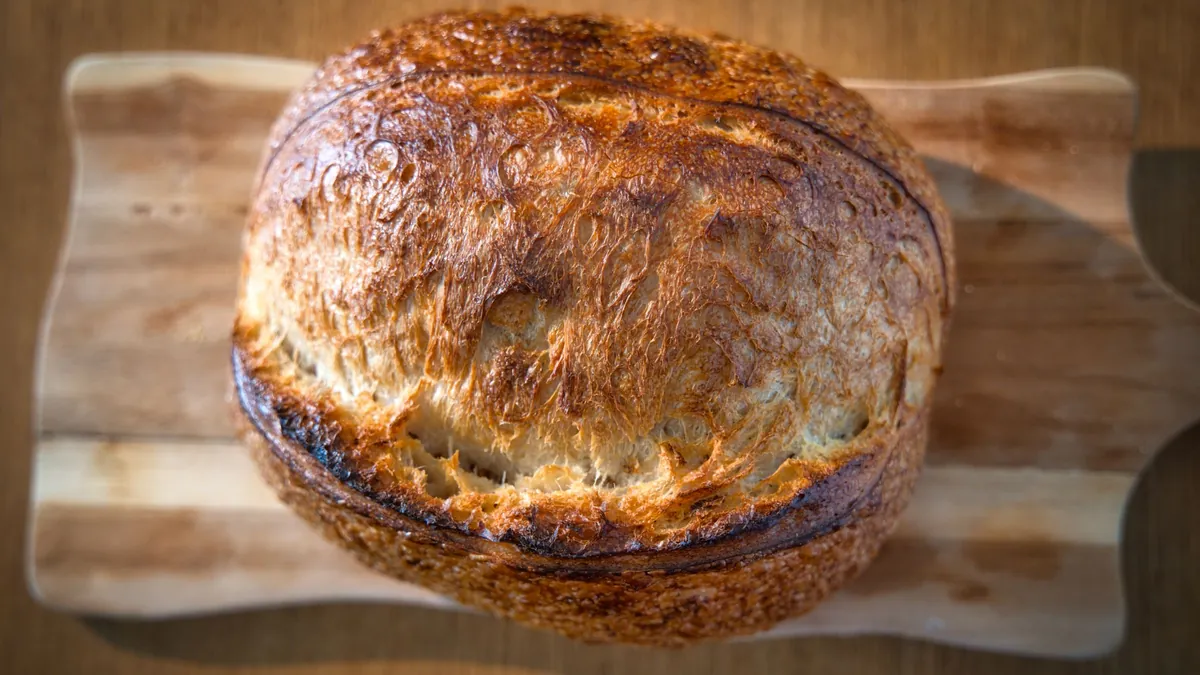
| Breads, cookies, muffins, fruit pies and unfilled cakes | Yes sourdough bread, too, if the recipe is non-TCS |
| Candy, granola, trail mix, nuts, popcorn, cotton candy | Yes |
| Dry mixes, seasonings, dried herbs, dried tea, dried fruit, dried pasta | Yes |
| Roasted coffee beans and grounds, vinegars and flavored vinegars | Yes |
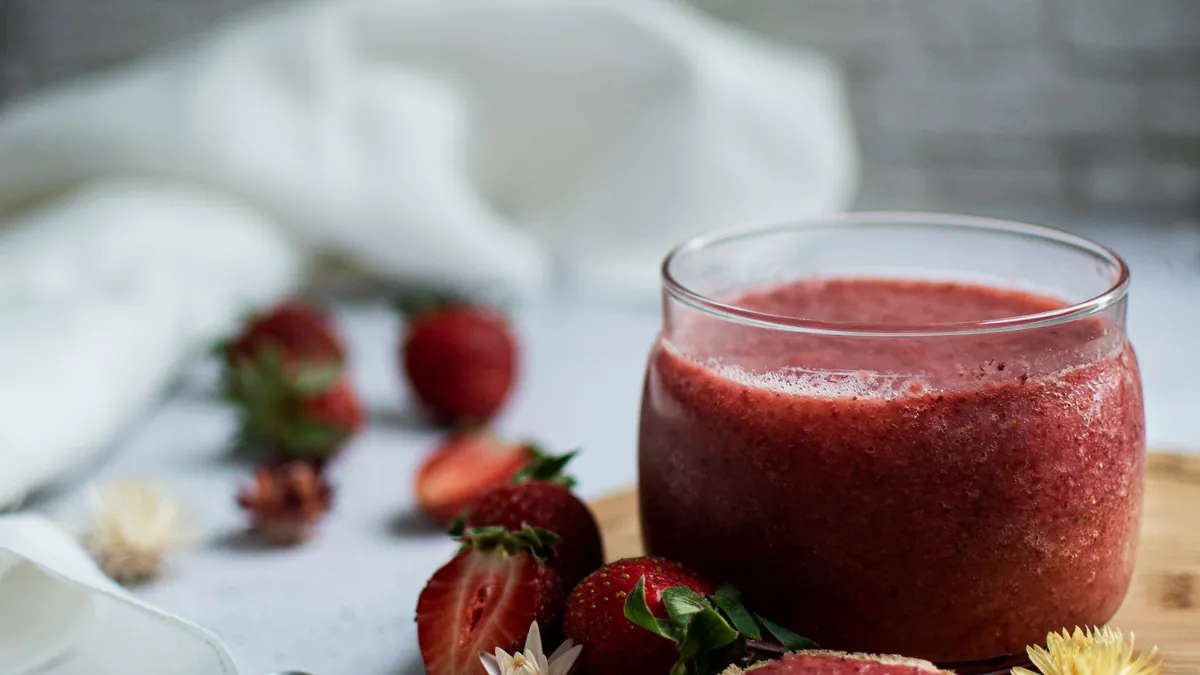
| Blueberry, grape, peach and strawberry jam | Yes VDACS gives these as examples that may qualify |
| Apple butter, banana jam, fig jam, pepper jelly, lavender jelly, zucchini or carrot cake jam | No VDACS lists these as examples that may not qualify |
| Low-sugar or no-sugar jam | Depends may be low-acid or acidified low-acid, depending on the recipe |
| Pickles and acidified vegetables with a finished pH of 4.6 or below | Yes, with a cap $9,000 a year in gross sales for all acidified vegetables |
| Pure honey from your own hives | Yes, with a cap 250 gallons a year |
| Cheesecake, cream pie, custard, meringue, cakes with fresh fruit, custard, whipped cream, mousse or cream cheese | No time or temperature control for safety needed |
| Fresh salsa, hot sauce, barbecue sauce, salad dressing, canned fruit, fermented foods, low-acid canned vegetables | No not covered by the acidified vegetable exemption |
| Infused honey, hot honey, honey ice cream, mead | No the honey exemption covers pure honey only |
VDACS stresses that its examples are not final. Whether a product qualifies depends on the specific recipe, and some foods, such as buttercream frosting, can be TCS or non-TCS depending on how they are made. Labs run by a food processing authority can test a recipe if you are unsure.
Pickles and acidified vegetables
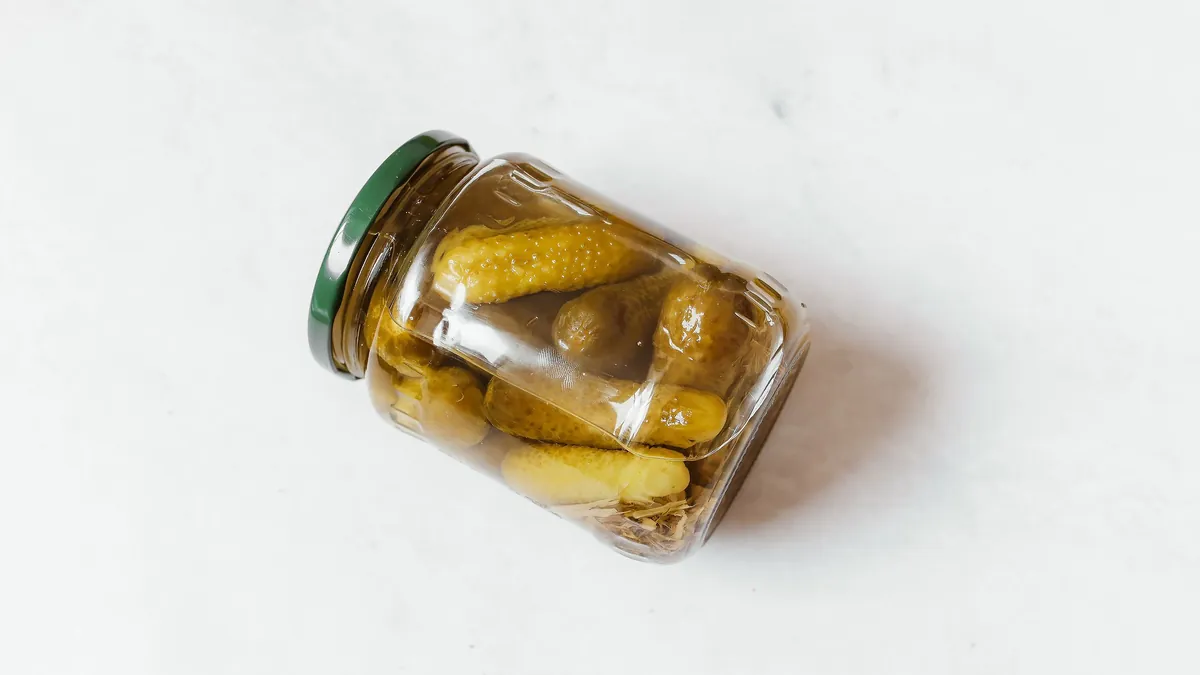
Pickled vegetables, relishes, chow-chow and acidified salsa may qualify if the finished equilibrium pH is 4.6 or below and the food needs no refrigeration for safety. The pH is the pH after the acid has spread evenly through the product, so VDACS says to grind a sample finely in a blender if the food was processed less than two months ago, and that brine alone is enough only after two months. Paper strips are not accurate enough; use an electronic pH meter. You need a separate pH test for each product you sell, and you should keep sales records, because VDACS can review them against the $9,000 gross sales cap.
Honey
The honey exemption is for pure honey from your own hives, up to 250 gallons in total annual honey sales. Honey needs its own statement on the label (see below). VDACS says there are currently no limits on where or how exempt honey can be sold.
Virginia label requirements
For low-risk foods and acidified vegetables, the principal display panel (the front of the package) must show:
- your name, physical address or post office box number, and telephone number;
- the date the food was processed;
- the statement “NOT FOR RESALE — PROCESSED AND PREPARED WITHOUT STATE INSPECTION.”
If the product is too small for an easily read label, or is sold to be eaten on the spot, a sign at the point of sale with all the required information is accepted instead. On top of these exemption items, the label has to meet standard labeling rules: product name, net weight, the name and address of the manufacturer, and a list of ingredients and sub-ingredients, plus nutrition information where it applies. Honey must carry: “PROCESSED AND PREPARED WITHOUT STATE INSPECTION. WARNING: Do Not Feed Honey to Infants Under One Year Old.”
123 Sample Street, Anytown, VA 00000
(555) 555-0100
Federal labeling rules also require naming major food allergens: milk, eggs, fish, crustacean shellfish, tree nuts, peanuts, wheat, soybeans and sesame.
Where you can sell
- Directly to an individual for their own consumption, within Virginia. You can take the order by phone, online or at any location, and deliver in person, by mail or by delivery service.
- Farmers markets and other venues are fine as long as you are selling to the person who will eat the food.
- Not allowed: resale, consignment, use or consumption in retail food establishments, sales to other businesses, and sales across state lines.
- Want to go further? To sell products that are not on the list, or to sell wholesale or out of state, you need a VDACS permit.
Training and insurance
The VDACS exemption guidance does not list a food safety course requirement. You are still responsible for making safe food, and a pH meter and tested recipes matter most for pickles. Product liability coverage is worth considering. See our guide to liability, risk and insurance.
Local rules and HOAs
The exemption covers the state food program only. Ask your city or county about zoning and business license rules for a home-based business. Private rules apply too, so check your HOA covenants and lease. For general background, see our planning and zoning guide.
Frequently asked questions
Can I sell food made in my home kitchen in Virginia?
Yes, if it is on the exemption list and does not need time or temperature control for safety, and you sell it to individuals within Virginia for their own consumption.
Do I need a permit to sell baked goods from home in Virginia?
No. Exempt home food processing operations do not need a VDACS permit, inspection or the $40 annual fee, but they must follow all other applicable laws.
Is there a sales limit in Virginia?
VDACS lists no limit for low-risk foods. Acidified vegetables are capped at $9,000 a year in gross sales, and honey at 250 gallons a year.
Can I sell cottage food online or by mail in Virginia?
Yes, to individuals within Virginia. You can take orders online or by phone and deliver by mail or delivery service. Shipping out of state is not covered.
Can I sell to stores, restaurants or at a farmers market?
You can sell to shoppers at a farmers market. You cannot sell to stores, restaurants or other businesses for resale or use, and consignment is not allowed.
Can I sell pickles or canned goods?
Pickles and acidified vegetables with a finished pH of 4.6 or below, yes, up to $9,000 a year. Canned fruit, fermented foods, fresh salsa, hot sauce and low-acid canned vegetables are not covered.
Note on conflicting sources
Older guides, university pages and forum posts describe earlier versions of the Virginia exemption. Some limit sales to the producer’s home or a farmers market, list fewer foods, or cite the exemption as “item A.3” rather than subsection (C)(3). The July 2026 VDACS guide says exempt foods may be sold to individuals by phone, online or at any location within Virginia. We followed that guide and did not have the current statute text open, so confirm unusual cases with VDACS Food Safety at [email protected] or (804) 786-3520.
Official sources
- Virginia Department of Agriculture and Consumer Services, Food Safety Program: Virginia’s Home Food Processing Exemptions FAQ (revised July 2026)
- Code of Virginia, section 3.2-5130 (Virginia Food and Drink Law)
- U.S. Food and Drug Administration (FDA): Food Labeling Guide and Food Allergies (FASTER Act, sesame)