
Tennessee Cottage Food Law (2026): The Food Freedom Act, Disclosure and Where to Sell
At a glance
- License or permit
- None. The exemption covers all state licensing, permitting and inspection laws
- Annual sales limit
- None in the statute
- Allowed foods
- Homemade food and non-alcoholic drinks made and packaged at your private residence, including some foods that need time or temperature control
- Where you can sell
- Inside Tennessee: directly, online, by phone or through a store; foods that need temperature control only in person
- Not allowed
- Sales outside Tennessee; unpasteurized milk, alcohol, fish, shellfish and meat in foods that need temperature control
- Required notice
- Name, home address, phone, food name, ingredients and the residence statement, on a label, placard or web page
Who the Tennessee law covers
The exemption is in section 53-1-118 of the Tennessee Code, and the definition of a homemade food item is in section 53-1-102. A homemade food item is a food item, including a non-alcoholic beverage, that is produced and, if packaged, packaged at the private residence of the producer. The statute says the production and sale of these items are exempt from all licensing, permitting, inspecting, packaging and labeling laws of the state, except when the Department of Health is investigating a reported foodborne illness. The Tennessee Department of Agriculture says the 2025 amendment, effective July 1, 2025, allows some foods that need time or temperature control for safety (TCS).
What you can sell
The statute does not give a list of foods. It sorts them by whether they need time or temperature control.
| Food | Allowed? |
|---|---|
| Baked goods, candy, jams and other foods that do not need time or temperature control | Yes |
| Non-alcoholic beverages | Yes |
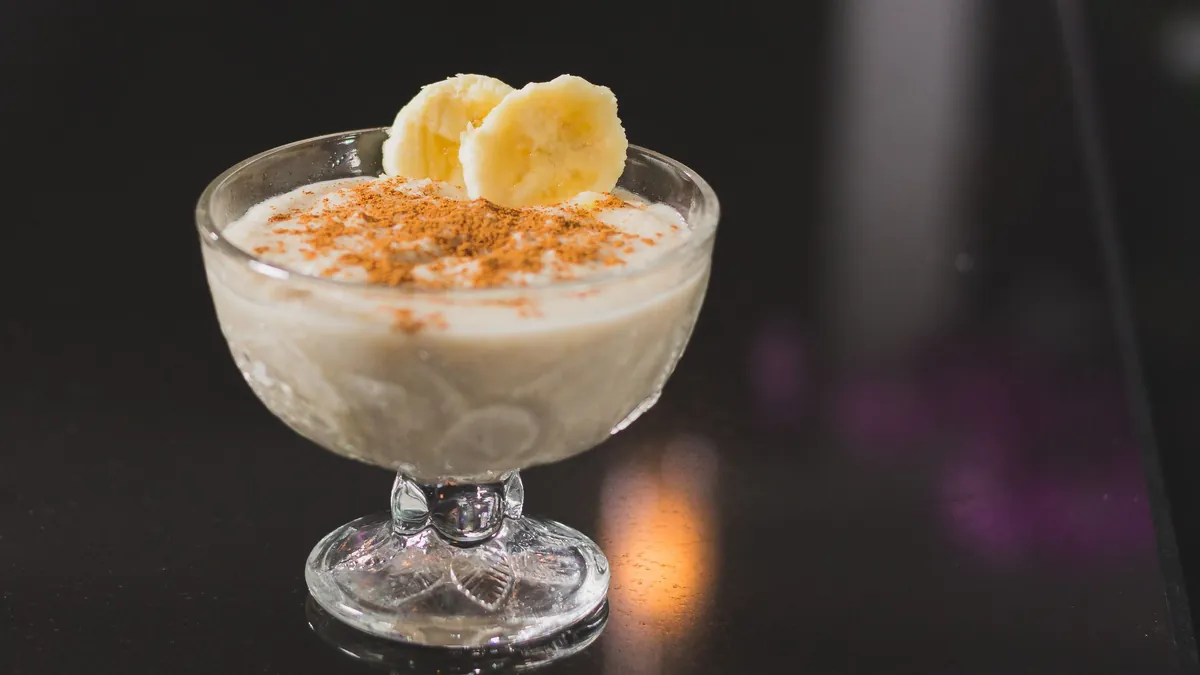
| Foods that need time or temperature control (for example banana pudding or cream-filled desserts) | Yes, with limits sold only in person by you or your agent, such as at a farm stand on the property where it was made |
| Poultry products | Only under federal exemptions the 1,000-bird exemption, or inspected poultry used under the retail exemption |
| Meat, meat byproducts and meat food products in foods that need temperature control | No |
| Fish and shellfish in foods that need temperature control | No |
| Alcoholic beverages, and foods that contain alcohol, in foods that need temperature control | No |
| Unpasteurized milk in foods that need temperature control | No |
| Food made in a commercial or shared kitchen | No the food must be produced and packaged at your private residence |
The statute does not name canned or pickled foods or spell out how to treat them. If your recipe is acidified or low-acid canned, ask the Department of Agriculture before you sell it.
Do you need to register?
No. The statute has no license, permit, registration or fee, and it requires no food safety course. The Department of Health can still investigate a reported foodborne illness. The act does not exempt you from any tax law, and it does not change how other goods and services are regulated when homemade food is also produced or sold, so check your business license and sales tax duties.
Home rules
The statute sets no kitchen standards, but your food must be produced and packaged at your private residence, and it does not limit what the Department of Health can do about a reported illness. Keep food that needs temperature control at a safe temperature until you hand it over, use clean equipment and packaging, and list every ingredient accurately.
Tennessee disclosure requirements
You must give the consumer the following information:
- the name, home address and telephone number of the producer;
- the common or usual name of the food;
- the ingredients, in descending order of predominance;
- the statement “This product was produced at a private residence that is exempt from state licensing and inspection. This product may contain allergens.”
Where the information goes depends on how you sell:
- Packaged food: on a label attached to the package.
- Food sold from a bulk container: on a label attached to the container.
- Unpackaged food that is not in a bulk container: on a placard at the point of sale.
- Food sold only online: on the web page where it is offered.
- Telephone or custom orders: you do not have to display the information, but you must tell the buyer that the food is made at a private residence exempt from state licensing and inspection and may contain allergens, and you must have your name, address, phone, food name and ingredients ready to give on request.
100 Example Road, Nashville, TN
(615) 555-0100
Federal labeling rules also require naming major food allergens: milk, eggs, fish, crustacean shellfish, tree nuts, peanuts, wheat, soybeans and sesame.
Where you can sell
- Foods that do not need temperature control: sell them yourself, in person or remotely (including by phone or online), or through an agent or a third-party vendor such as a retail shop or grocery store. They can be delivered by you, an agent, a third-party vendor or a third-party carrier.
- Foods that need temperature control: sell them in person only, either yourself or through an agent in person, such as a farm stand on the property where the food was made.
- Only inside Tennessee. The statute does not apply to sales other than intrastate sales made within the state.
Training and insurance
The statute does not require a food safety course. Product liability coverage is worth considering, especially for foods that need temperature control. See our guide to liability, risk and insurance.
Local rules and HOAs
The statute preempts counties, cities and other local governments from prohibiting or regulating the production and sale of homemade food items. Ordinary local rules for running a business may still matter, and private rules apply too, so check your HOA covenants and lease. For general background, see our planning and zoning guide.
Frequently asked questions
Can I sell food made in my home kitchen in Tennessee?
Yes. Under section 53-1-118 you can sell homemade food and non-alcoholic drinks produced and packaged at your private residence without a state license or inspection, if you give the required information to the buyer.
Do I need a license to sell baked goods from home in Tennessee?
No. The statute exempts homemade food from all state licensing, permitting and inspection laws.
Is there a sales limit in Tennessee?
The statute sets no sales limit.
Can I sell cottage food online or by mail in Tennessee?
Yes for foods that do not need temperature control: you can sell remotely and use a third-party carrier, but only inside Tennessee. Foods that need temperature control have to be sold in person.
Can I sell to grocery stores?
You can sell foods that do not need temperature control through a third-party vendor such as a retail shop or grocery store. Foods that need temperature control cannot go through a store, only through an agent in person.
Can I sell pickles or canned goods in Tennessee?
The statute does not mention them. Ask the Tennessee Department of Agriculture about your specific product before you sell.
Note on conflicting sources
Many guides describe Tennessee’s earlier cottage food rules, with a list of allowed foods, and some still say foods that need refrigeration are not allowed. The Food Freedom Act of 2022 and its 2025 amendment changed that, so we followed the statute text. Some guides also say dairy, meat and poultry must be sold by you personally, and others say the name, address and phone number can be given only on request. The statute text we read has a single in-person rule for all foods that need temperature control, and the on-request option applies only to telephone and custom orders. We read a copy of the statute that is current through the 2025 session, so confirm with the Department of Agriculture that nothing has changed since.
Official sources
- Tennessee Code Annotated, section 53-1-118 (Exemption for production and sale of homemade food items) and section 53-1-102 (definitions)
- House Bill 130 (2025), amending the Tennessee Food Freedom Act
- Tennessee Department of Agriculture: Tennessee Food Freedom Act
- University of Tennessee Institute of Agriculture: Food Freedom Act materials
- U.S. Food and Drug Administration (FDA): Food Allergies (FASTER Act, sesame)