
South Carolina Cottage Food Law (2026): Home-Based Food Production, Labels and Where to Sell
At a glance
- License or permit
- No retail food permit; a home-based food production operation is not a retail food establishment. The South Carolina Department of Agriculture (SCDA) does not issue permits or registrations for these operators
- Annual sales limit
- None as a cap; the section does not apply to an operation with net earnings under $1,500 a year
- Allowed foods
- Non-potentially hazardous foods, as defined in the statute
- Where you can sell
- Directly to an individual consumer, including online and by mail order, or to retail stores, including grocery stores
- Not covered
- Aluminum canned goods and charcuterie boards
- Training required
- None; everyone handling food must know and follow safe food handling practices
Who the South Carolina law covers
A home-based food production operation is an individual, working out of their dwelling, who prepares, processes, packages, stores and distributes non-potentially hazardous foods for sale. Section 44-1-143 was passed in 2012 and amended in 2018 and again by Act 208 of 2022 (S.506), effective May 23, 2022. The 2022 change opened the law to any non-potentially hazardous food instead of only candy and baked goods, and added online, mail order and retail store sales. The law applies where there is no local ordinance to the contrary.
What you can sell
The statute does not list products. It defines potentially hazardous foods and treats everything else as non-potentially hazardous. Potentially hazardous foods include raw or heat-treated animal foods, heat-treated plant foods and raw seed sprouts, cut melons, cut leafy greens, cut tomatoes and garlic-in-oil mixtures that are not modified to prevent germ growth. Some foods are also judged by the combination of pH and water activity (Aw).
| Food | Allowed? |
|---|---|
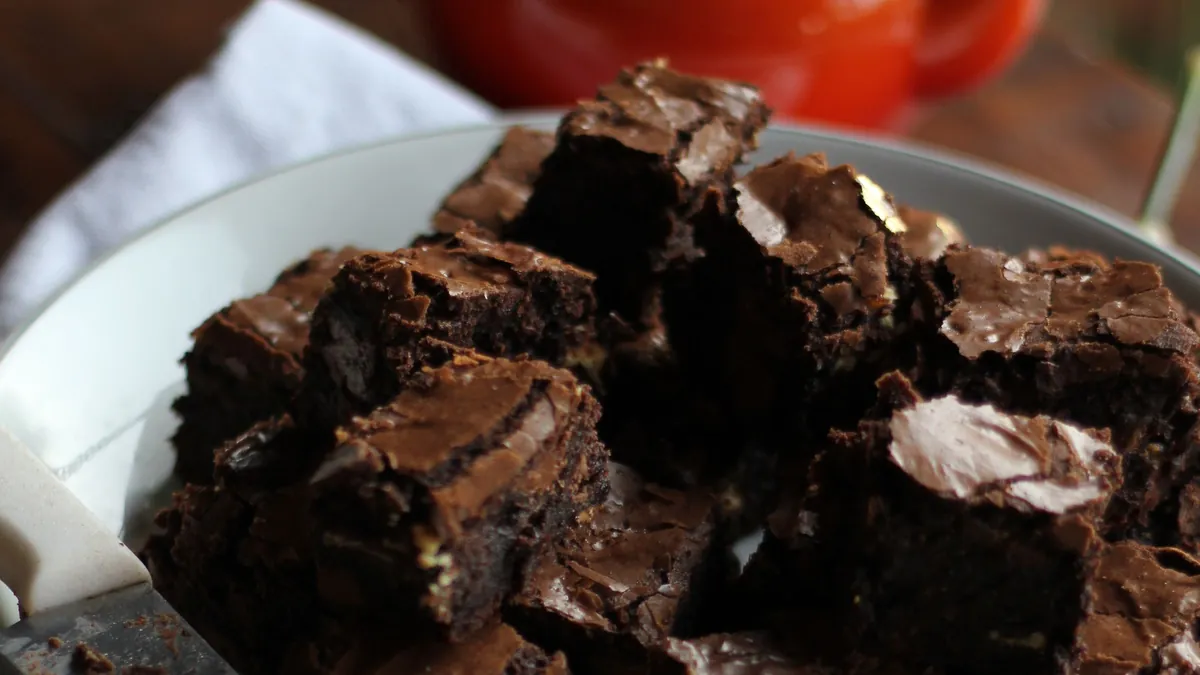
| Baked goods and candy that are not potentially hazardous | Yes |
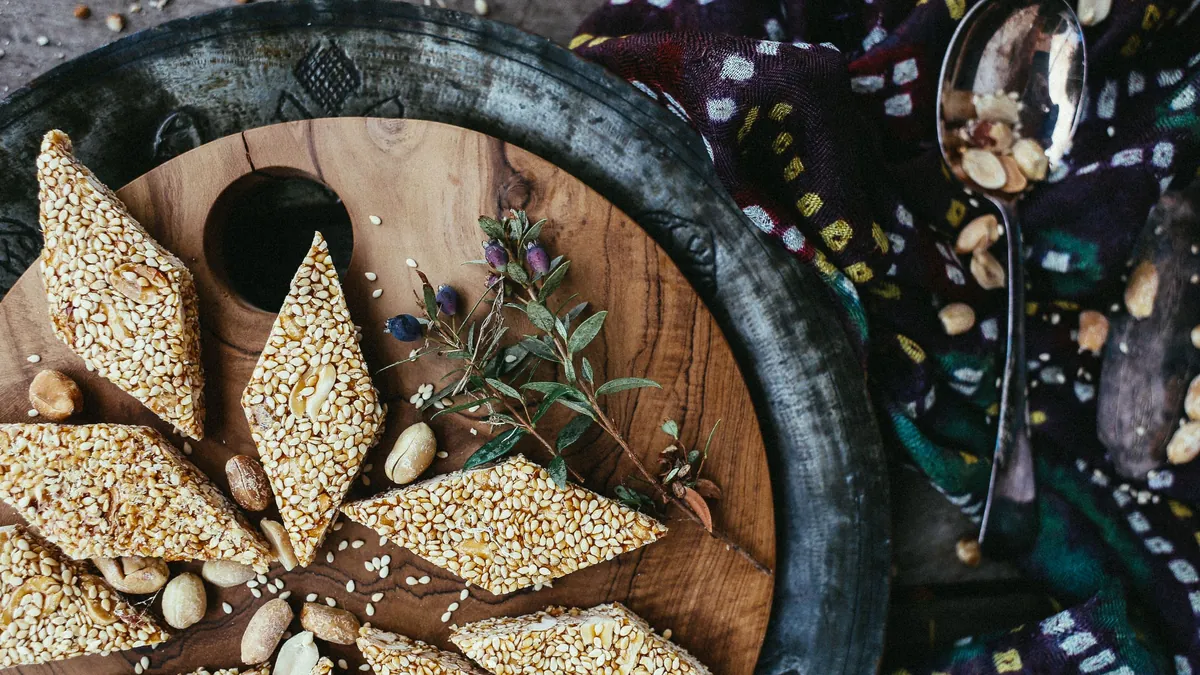
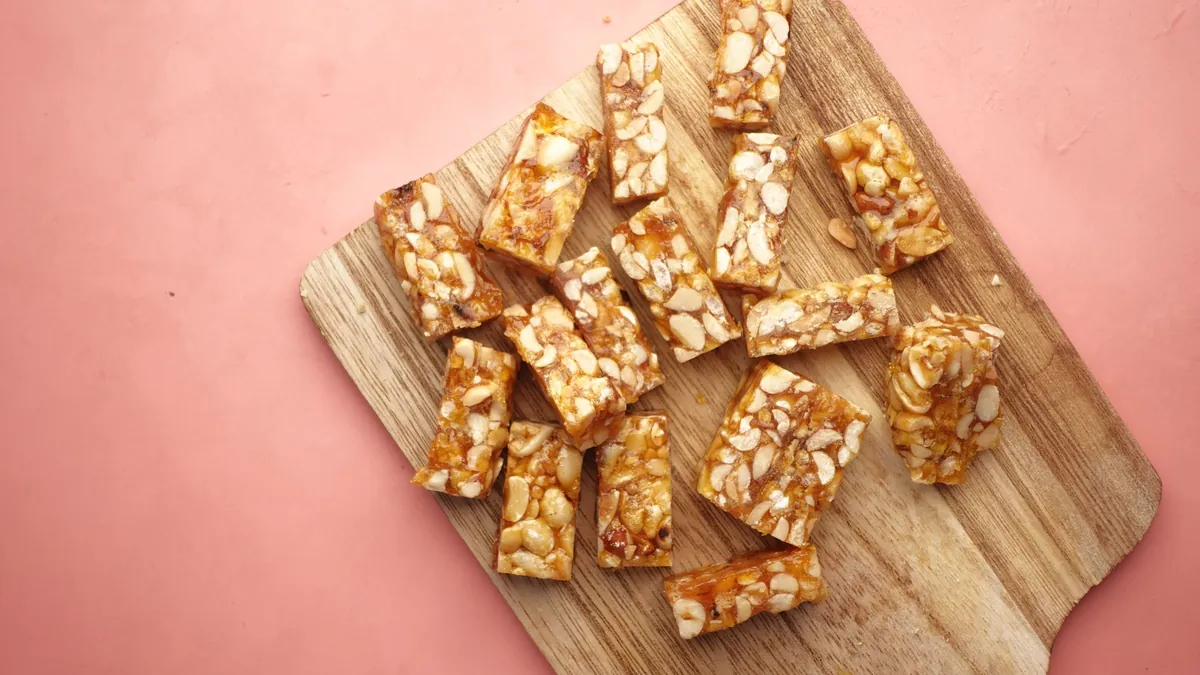
| Other non-potentially hazardous foods, such as dry mixes, nut bars, granola and brittle | Yes |
| Jams and jellies | Yes if they meet the non-potentially hazardous definition |
| Foods that depend on pH and water activity | Product assessment some combinations of pH and water activity count as potentially hazardous unless assessed under the 2009 FDA Food Code |
| Raw or cooked meat, poultry, fish and other animal foods | No |
| Cooked (heat-treated) plant foods and raw seed sprouts | No |
| Cut melons, cut leafy greens and cut tomatoes | No |
| Garlic-in-oil mixtures | No unless modified to prevent microorganism growth |
| Aluminum canned goods and charcuterie boards | No excluded by the definition |
Home rules
The law asks you to protect food from contamination:
- directly supervise any other person who helps with processing, preparing, packaging or handling food;
- keep all animals, including pets, out of the area while food is being prepared, processed or packaged, and away from stored food;
- allow no domestic activities in the kitchen while you work on food for sale;
- keep people who are ill with a food-borne disease, or have an infected wound or an acute respiratory infection, away from the food;
- make sure everyone who handles food knows and follows safe food handling practices.
Your home must also have an approved water supply, separate storage for ingredients, a working refrigerator, a sink with enough hot water for washing and sanitizing, separate handwashing facilities, a working toilet, approved sewage disposal and no sign of insects or rodents.
South Carolina label requirements
Every packaged food must be labeled as federal law requires, and the label must include:
- the name and address of your operation (or an identification number from SCDA if you ask for one and do not want to show your address);
- the name of the product;
- the ingredients in descending order of predominance by weight;
- a conspicuous statement in all capital letters, in a color that contrasts with the background: “PROCESSED AND PREPARED BY A HOME-BASED FOOD PRODUCTION OPERATION THAT IS NOT SUBJECT TO SOUTH CAROLINA’S FOOD SAFETY REGULATIONS.”
Federal labeling rules include naming major food allergens: milk, eggs, fish, crustacean shellfish, tree nuts, peanuts, wheat, soybeans and sesame.
123 Sample Street, Anytown, SC 00000
or an SCDA identification number
all capitals, contrasting color
Where you can sell
- Directly to an individual consumer, including online and by mail order.
- To retail stores, including grocery stores. Food from a home-based operation counts as coming from an approved source. Any store that sells it must post clearly visible signage that home-based food products are not subject to commercial food regulations.
- Not covered: the statute allows sales only to a person (an individual consumer) or to retail stores, and does not mention restaurants.
Training and insurance
The statute does not require a food safety course, only that everyone who handles food knows and follows safe practices. Clemson Extension offers optional food safety training. Product liability coverage is also worth considering. See our guide to liability, risk and insurance.
Local rules and HOAs
The law applies in the absence of a local ordinance to the contrary, so ask your city or county about zoning and business license rules. Private rules apply too, so check your HOA covenants and lease. For general background, see our planning and zoning guide.
Frequently asked questions
Can I sell food from home in South Carolina?
Yes. You can sell non-potentially hazardous food made at home to consumers and to retail stores, with a compliant label.
Do I need a permit to sell baked goods from home in South Carolina?
No retail food permit is needed. SCDA does not issue permits or registrations for these operators, but it provides an ID number on request.
Is there a sales limit in South Carolina?
The statute sets no cap. It does not apply to an operation with net earnings under $1,500 a year.
Can I sell cottage food online or by mail in South Carolina?
Yes. The statute allows sales directly to a person, including online and by mail order.
Can I sell to grocery stores?
Yes. Retail stores, including grocery stores, may sell your products if they post a sign that home-based foods are not subject to commercial food regulations.
Can I sell pickles or salsa?
Ask SCDA. The statute judges foods by whether they are potentially hazardous, using pH and water activity, and some guides list pickles and salsa as not eligible.
Note on conflicting sources
Older guides and some university pages describe the 2012 version of the law, with a lower earnings threshold, candy and baked goods only, no online or store sales, and oversight by the Department of Health and Environmental Control (DHEC). Clemson Extension’s guidance lists pickles, salsa and acidified foods as ineligible, while the statute defines eligibility by pH and water activity. The statute text we read reflects the 2022 amendment and still says “the department,” and SCDA says it handles the law’s ID numbers. We could not open SCDA’s current guidance, so confirm the food list, the ID number and the label with SCDA at [email protected].
Official sources
- South Carolina Code of Laws, section 44-1-143 (home-based food production operations), as amended by Act 208 of 2022
- South Carolina Department of Agriculture: Home-based Food Production Law page and guidance
- Clemson University Extension: South Carolina Home-based Food Production Law Guidance
- U.S. Food and Drug Administration (FDA): Food Allergies (FASTER Act, sesame)