
New Mexico Cottage Food Law (2026): The Homemade Food Act, Labels and Where to Sell
At a glance
- License or permit
- No NMED permit. NMED stopped issuing Homebased Food Processor permits on July 1, 2021. A voluntary permit is available, and a local health department may run its own permit system
- Annual sales limit
- None in the act or the NMED guidance
- Allowed foods
- Food items and non-alcoholic beverages that do not need time and temperature control for safety (non-TCS)
- Where you can sell
- Directly to consumers within New Mexico: farmers’ markets, festivals, the internet, roadside stands, your home for pick-up or delivery, and mail delivery
- Not allowed
- Sales to restaurants, wholesalers or distributors, and sales outside New Mexico
- Training required
- A food handler card from a program approved by NMED, before you start producing
Who the New Mexico law covers
The Homemade Food Act (sections 25-12-1 to 25-12-5 of the New Mexico Statutes) took effect on July 1, 2021. A “homemade food item” is a food item or non-alcoholic beverage produced at the private farm, ranch or residence of a processor, including items packaged there. Under the act, production and sale are exempt from the Food Service Sanitation Act and the New Mexico Food Act as long as you meet the conditions on this page. NMED-permitted food businesses may not use homemade foods as ingredients, and grocery stores and similar facilities may not buy or resell prepackaged homemade foods.
What you can sell
Food must be non-TCS: it needs only simple production steps and no refrigeration when finished. NMED lists examples of allowed foods, but says the list is not exhaustive.
| Food | Allowed? |
|---|---|
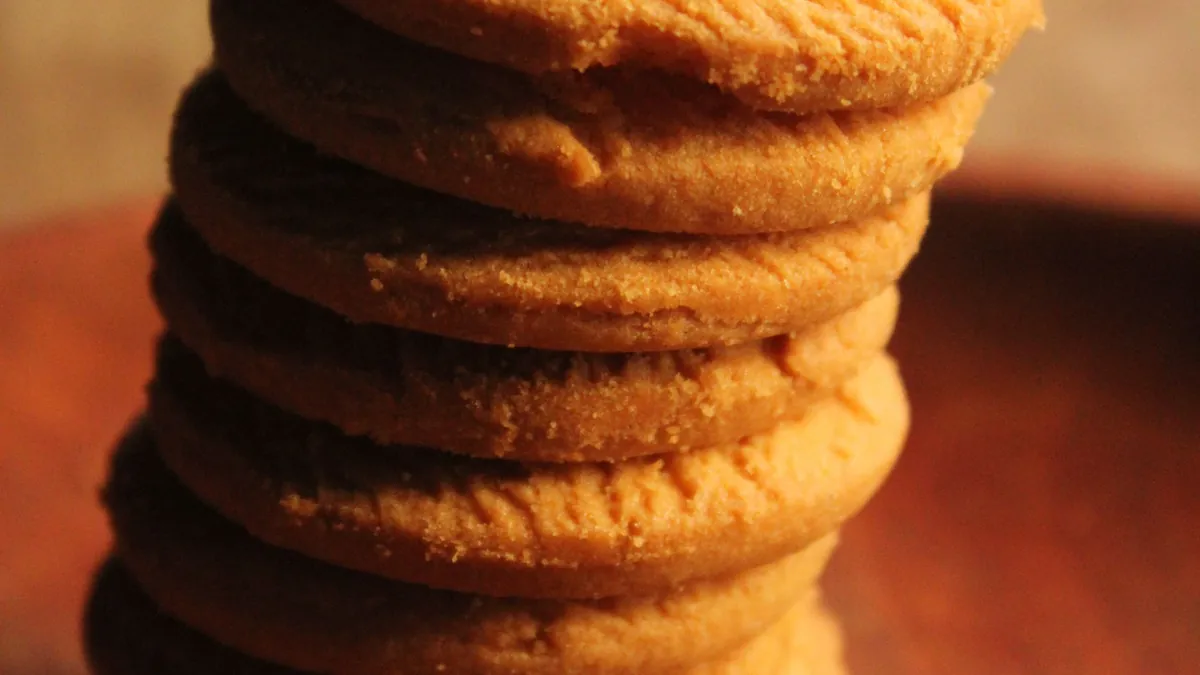
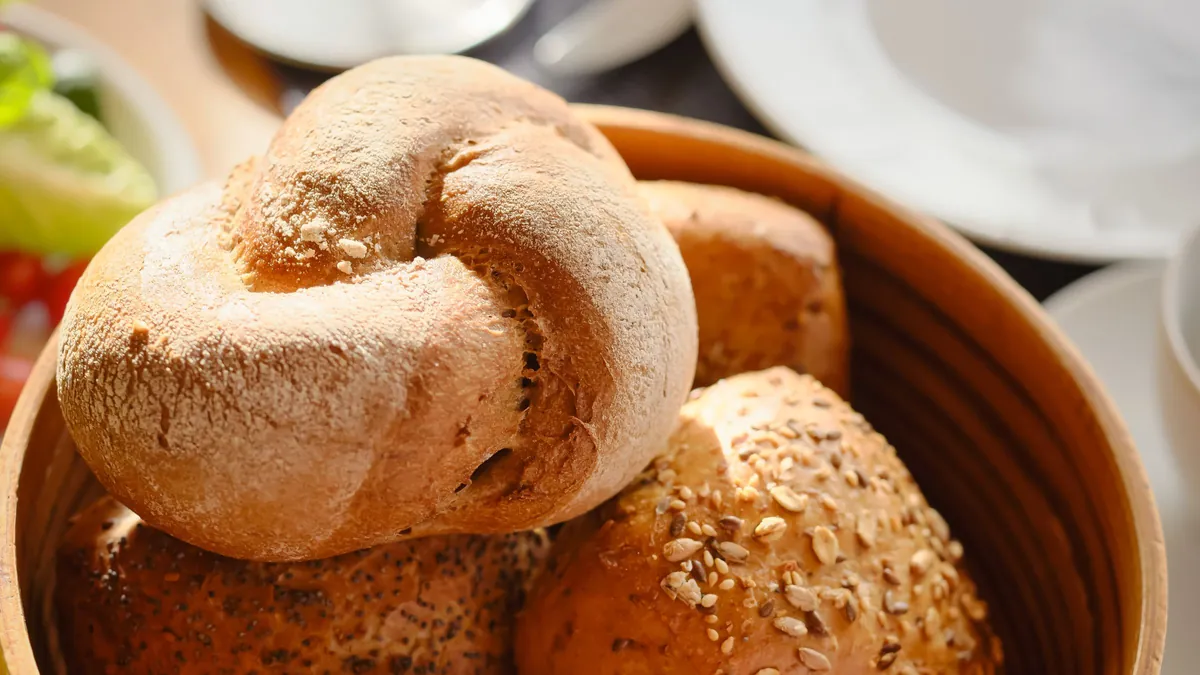
| Cakes, cookies, yeast breads, pies and pastries that need no refrigeration | Yes not cream-filled |
| Candy, popcorn, chocolate-covered pretzels | Yes |
| Dehydrated fruit, granola and dry mixes | Yes |
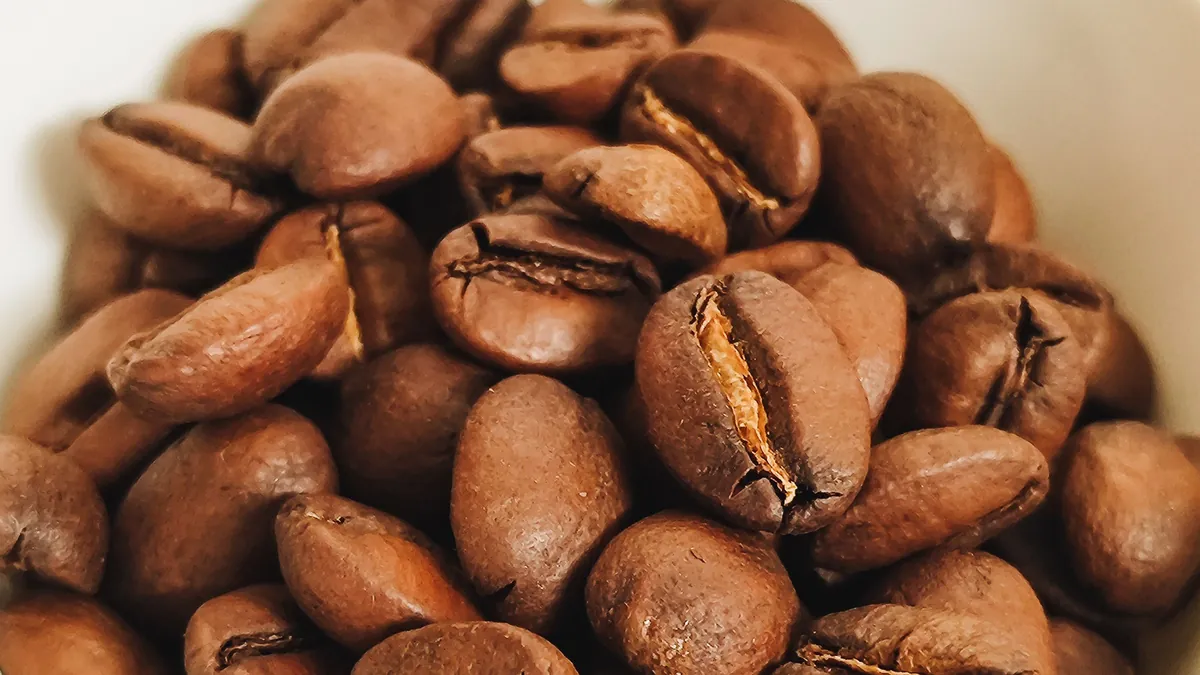
| Roasted coffee | Yes |
| Whole fruits and vegetables | Yes |
| Standard high-sugar fruit jams and jellies | Yes |
| Banana cream, pumpkin, lemon meringue and custard pies, cheesecake, cakes with frosting that needs refrigeration | No need refrigeration |
| Meat and jerky, fish, milk and dairy products such as cheese or yogurt | No |
| Salsa, hummus, salad dressings, garlic in oil | No |
| Canned fruits and vegetables, canned pickled products such as pickles, corn relish and sauerkraut, acidified foods | No |
| Vegetable jams and jellies such as hot pepper jelly | No |
| Fruit or vegetable juices, kombucha, apple cider | No |
| Cut fruits and vegetables, sprouts, caramel apples, foods with fresh vegetables, fruits or cheese | No |
| Foods with alcohol, and alcoholic beverages | No contact the Alcoholic Beverage Control Division |
| Foods containing CBD, hemp or hemp extract | No need a commercial hemp manufacturing permit |
If you are not sure whether a recipe is non-TCS, NMED points to the TCS definition in its field guide and to a process authority, such as the food safety laboratory at New Mexico State University.
Home rules
The act requires you to:
- maintain a sanitary kitchen and practice good personal hygiene;
- protect the kitchen from rodents and pests, using only pest control products approved for food service areas and used as labeled;
- keep pets and children out of the kitchen while you produce food;
- store food in a sanitary manner;
- transport food in a sanitary way, protected from pets, children and other hazards (a vehicle compartment used for animals must not carry food).
New Mexico label requirements
You must give the buyer this information on a label on the package, on a label on a bulk container, on a placard at the point of sale if the food is neither packaged nor in a bulk container, or on the web page where the item is offered:
- your name, home address, telephone number and email address;
- the common or usual name of the food (for example, Chocolate Chip Cookies);
- the ingredients in descending order of predominance, with sub-ingredients listed too, so that butter is written as “butter (cream (milk), salt)”;
- the statement “This product is home produced and is exempt from state licensing and inspection. This product may contain allergens.”
For telephone and custom orders, a label is not required, but you must tell the buyer that the food is produced at a private residence exempt from state licensing and inspection and may contain allergens. Keep the label information on hand and give it to any consumer who asks.
123 Sample Street, Anytown, NM 00000
(555) 555-0100 · [email protected]
Federal labeling rules also require naming major food allergens: milk, eggs, fish, crustacean shellfish, tree nuts, peanuts, wheat, soybeans and sesame.
Where you can sell
- Directly to consumers inside New Mexico: at farmers’ markets, festivals, on the internet, at roadside stands, at your home for pick-up or delivery, or through mail delivery.
- Not allowed: restaurants, wholesalers and distributors, and anywhere outside New Mexico. To sell to those buyers you need a commercial manufactured food permit from NMED.
- Private venues do not have to accept homemade food, so ask the market or festival first.
Training and insurance
You must complete a food handler course approved by NMED, and NMED’s guidance says to get the card before you start producing. Product liability coverage is also worth considering. See our guide to liability, risk and insurance.
Local rules and HOAs
The state act generally stops cities, counties and state institutions from adopting their own rules on homemade food. The exception is a county and home rule municipality that have formed a combined local health department. It may run a mandatory or a voluntary permit system, but the system must allow every food and sales location the act permits; check with your local health department if you live in such an area. The act does not exempt you from business registration or tax law. Private rules apply too, so check your HOA covenants and lease. For general background, see our planning and zoning guide.
Enforcement
NMED enforces the act and may investigate suspected foodborne illness or stop the sale of suspected contaminated food. It must give a written warning before a fine. If you ignore the warning, the violation is a misdemeanor with a fine of up to $100 per violation. NMED may also require you to fix a labeling complaint immediately.
Frequently asked questions
Can I sell food made in my home kitchen in New Mexico?
Yes, if the food is non-TCS and you sell it directly to consumers in New Mexico, with a food handler card and a compliant label.
Do I need a permit to sell baked goods from home in New Mexico?
No NMED permit is needed. NMED has stopped issuing Homebased Food Processor permits, though a voluntary permit exists and some local health departments may run their own permit systems.
Is there a sales limit in New Mexico?
The Homemade Food Act and NMED’s guidance set no sales limit.
Can I sell cottage food online or by mail in New Mexico?
Yes, to consumers within New Mexico. The act names the internet and mail delivery as allowed ways to sell. Selling outside the state is not allowed.
Can I sell to restaurants or grocery stores?
No. Homemade food may not be sold to restaurants, wholesalers or distributors, and grocery stores may not resell prepackaged homemade foods.
Can I sell pickles, salsa or canned goods?
No. NMED lists canned fruits and vegetables, pickles, salsa and acidified foods as not allowed under the act. High-sugar fruit jams and jellies are allowed.
Note on conflicting sources
Older guides describe the pre-2021 system, in which home-based food processors needed an NMED permit, could sell only in person and could not sell online. That rule is superseded for homemade foods under the act. The NMED Homemade Food Act FAQ we used is marked updated August 16, 2021, even though it is hosted on a newer web path, and some guides disagree on whether local permits can apply. We followed the statute for local permits and for the sales channels. Confirm the current details with the NMED Food Program at [email protected] or 800-219-6157, and with your local health department.
Official sources
- New Mexico Statutes, Homemade Food Act, sections 25-12-1 to 25-12-5
- New Mexico Environment Department, Food Program: Homemade Food Act FAQ (updated August 16, 2021)
- New Mexico Administrative Code, 7.6.2 NMAC (food code, former home-based food processing rule)
- U.S. Food and Drug Administration (FDA): Food Allergies (FASTER Act, sesame)