
Mississippi Cottage Food Law (2026): $35,000 Limit, Allowed Foods and Labels

At a glance
- License or permit
- No state permit or registration is described in the Mississippi State Department of Health (MSDH) FAQ; check your city or county for a business license
- Annual sales limit
- $35,000 in gross annual sales
- Allowed foods
- Non-potentially hazardous foods on the MSDH list, such as baked goods, candy, granola, popcorn, jams and jellies, dried fruit, dry mixes and acidified pickles
- Where you can sell
- Directly from you to the end customer, inside Mississippi; you may advertise on the internet and social media
- Not allowed
- Sales to restaurants, stores or wholesale, consignment, catering, beverages and sales outside Mississippi
- Training required
- None required; MSDH strongly encourages a course, especially for acidified foods
Who the Mississippi cottage food law covers
The Regulation of Cottage Food Operations is section 75-29-951 of the Mississippi Code. MSDH says cottage food products are made in the kitchen of your private home, meaning the place where you live, whether you own it or rent. A house, apartment, condominium or rental home can all qualify. You must make the food in the home kitchen and store it in your single-family domestic residence, so a shed, barn or rented kitchen does not qualify. You do not have to buy commercial equipment. MSDH inspects only if it receives a complaint that adulterated or unsafe food has been produced.
What you can sell
Only foods that need no time or temperature control for safety, can be kept at room temperature, do not need refrigeration even after opening and have not been found by the FDA to support the growth of pathogens.
| Food | Allowed? |
|---|---|
| Breads, biscuits, cookies, pastries and tortillas without cream, custard or meat fillings | Yes |
| Fruit pies | Yes |
| Candy | Yes |
| Chocolate-covered pretzels, nuts and fruit (except melons) | Yes whole uncut fruit may be dipped; you may not skewer it |
| Dried fruit (except melons), dried pasta, dried spices, dry rubs and dry baking mixes | Yes |
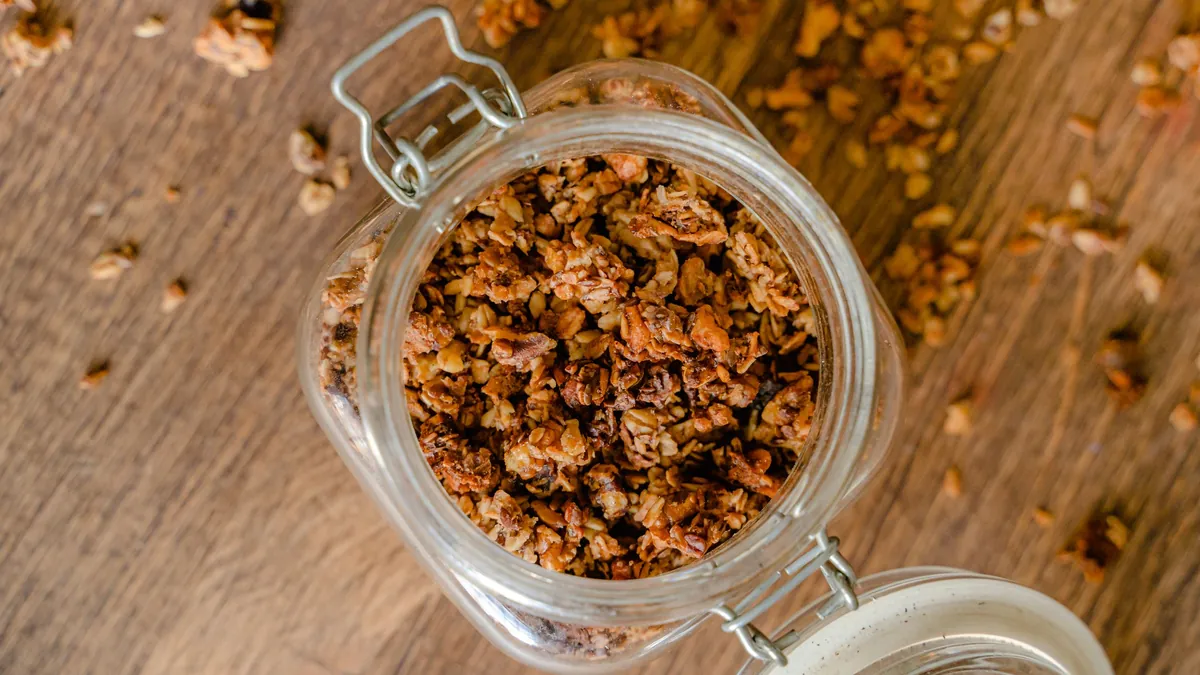
| Granola, cereal, trail mixes, nut mixes and popcorn | Yes |
| Jams, jellies and preserves that meet the federal standard | Yes sugar-free or reduced-sugar jams are not allowed |
| Vinegar, mustard and waffle cones | Yes |
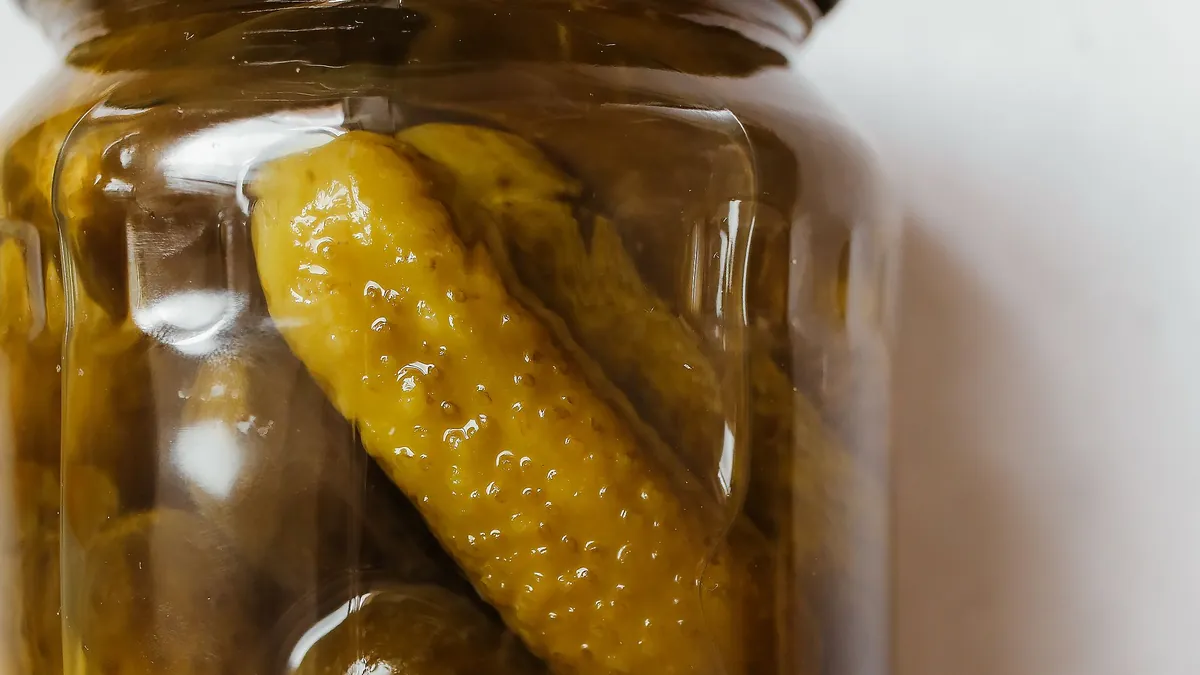
| Acidified canned plant-based foods, such as pickles | Conditions finished pH of 4.6 or below |
| Meat, poultry, fish and dairy products, including custard pies | No |
| Eggs (other than air-dried hard-cooked eggs with intact shells) | No |
| Cooked vegetables, potatoes, beans, rice and legumes, and nut butters | No |
| Canned fruits and vegetables (low-acid), smoked fish and pre-cooked foods | No |
| Beverages, juices and other liquid foods | No |
Sales limit
You may have no more than $35,000 in gross annual sales from cottage foods. Operations that do not follow the regulation are treated as illegal food establishments and are subject to enforcement to cease operating and a fine of up to $1,000.
Mississippi cottage food label requirements
Every product needs a label with:
- the name and address of the cottage food operation;
- the name of the product;
- the ingredients in descending order by weight;
- the net weight or volume;
- allergen information under federal rules (milk, eggs, wheat, peanuts, soybeans, fish, shellfish, tree nuts and sesame), naming the specific tree nut;
- nutrition information, if you make a nutritional claim;
- in type at least ten points high, in a color that contrasts with the background: “Made in a Cottage Food operation that is not subject to Mississippi’s food safety regulations.”
123 Sample Street, Anytown, MS 00000
at least 10-point type, contrasting color
Where you can sell
- Directly to the end consumer, person to person. MSDH says you must be present to sell your food.
- Inside Mississippi only. Cottage foods made in other states may not be sold in Mississippi either.
- Online: since July 1, 2020 (HB 326), you may advertise cottage foods on the internet and social media, but the sale must be directly from the producer to the end consumer.
- Not allowed: sales to restaurants, convenience stores, grocery stores or other retail food establishments, wholesale, placing products in a store or restaurant on consignment, and catering (a caterer needs a retail permit).
Training and insurance
MSDH does not require training or certification, but it highly encourages food safety courses, especially for acidified or pickled products, because improper acidification can cause botulism. Mississippi State University offers lab analysis and consultations for acidified foods. Insurance is not part of the regulation, but product liability coverage is worth considering. See our guide to liability, risk and insurance.
Local rules and HOAs
MSDH tells cottage food operators to check with their city, or county if outside city limits, about a business license or other permit, and to think about taxes, zoning and insurance. Private rules apply too, so check your HOA covenants and lease. For general background, see our planning and zoning guide.
Frequently asked questions
Can I sell food from home in Mississippi?
Yes, if it is a non-potentially hazardous food on the MSDH list, made in your home kitchen, labeled correctly and sold directly to customers inside Mississippi within the $35,000 limit.
Do I need a permit to sell baked goods from home in Mississippi?
MSDH does not describe a permit or registration. Your city or county may require a business license.
What is the Mississippi cottage food sales limit?
$35,000 in gross annual sales.
Can I sell cottage food online in Mississippi?
You may advertise online, but the sale must be direct from you to the end consumer, and MSDH says you must be present to sell. Ask MSDH how it applies to online orders and delivery.
Can I sell to stores or restaurants?
No. Wholesale sales and sales to retail food establishments are prohibited, and consignment is not allowed.
Can I sell pickles or canned vegetables?
Only acidified plant-based foods with a pH of 4.6 or below. Low-acid canned vegetables are not allowed.
Note on conflicting sources
Many guides online say that online and mail sales are banned. MSDH’s FAQ (revised September 2023) says you may advertise online as long as the sale is direct from producer to end consumer, and that you must be present to sell, so we follow MSDH and tell you to confirm how online orders work. Some guides also give different statute numbers. MSDH gives section 75-29-951. We could not open the statute text, so confirm the details with the MSDH Food Protection Division at 601-576-7689.
Official sources
- Mississippi State Department of Health: Cottage Food Operation FAQ (revised September 2023)
- Mississippi Code section 75-29-951, Regulation of Cottage Food Operations
- U.S. Food and Drug Administration (FDA): 21 CFR parts 114 and 150, and Food Allergies (FASTER Act, sesame)