
Kentucky Cottage Food Law (2026): Home-Based Processors, Registration and Labels
At a glance
- License or permit
- Annual registration with the Department for Public Health, Food Safety Branch (not a permit); $50, expires March 31
- Annual sales limit
- $60,000 in gross income from the sale of the products
- Allowed foods
- Foods that do not need temperature control, such as breads, cakes, cookies, fruit pies, candy, jams and jellies; canned acid and low-acid foods only as a microprocessor
- Where you can sell
- Directly to consumers inside Kentucky, including from your home, at markets, fairs and roadside stands, and online
- Not allowed
- Cheesecake, custard and cream pies, meringue pies, raw seed sprouts, garlic-in-oil products and pureed baby foods
- Training required
- None for home-based processors; a university food processing school for microprocessors
Who the Kentucky law covers
Kentucky has two tiers. A home-based processor produces foods that are not potentially hazardous in the home and has gross income of no more than $60,000 a year from selling them. Kentucky Revised Statutes (KRS) 217.015, 217.136 and 217.137 and the regulation 902 KAR 45:090 set the rules. The home must be your primary residence, with no more than two ranges, ovens or double ovens and no more than three refrigerators for cold storage, all designed for home use and used in the home kitchen. You must be a Kentucky resident. A home-based microprocessor is a Kentucky farmer, a resident who owns or rents agricultural land, who processes foods such as acid foods, acidified foods or low-acid canned foods in the farmer’s home or in a certified or permitted kitchen, also with a $60,000 limit.
What you can sell
The statute lists foods such as dried herbs, spices, nuts, candy, dried grains, whole fruit and vegetables, mixed greens, jams, jellies, sweet sorghum syrup, preserves, fruit butter, bread, fruit pies, cakes and cookies. The regulation adds several more and also lists foods that no home-based processor may sell.
| Food | Allowed? |
|---|---|
| Bread, cakes, cookies, fruit pies and pecan pies | Yes |
| Jams, jellies, preserves, fruit butter and sweet sorghum syrup | Yes glass jars need rigid metal covers |
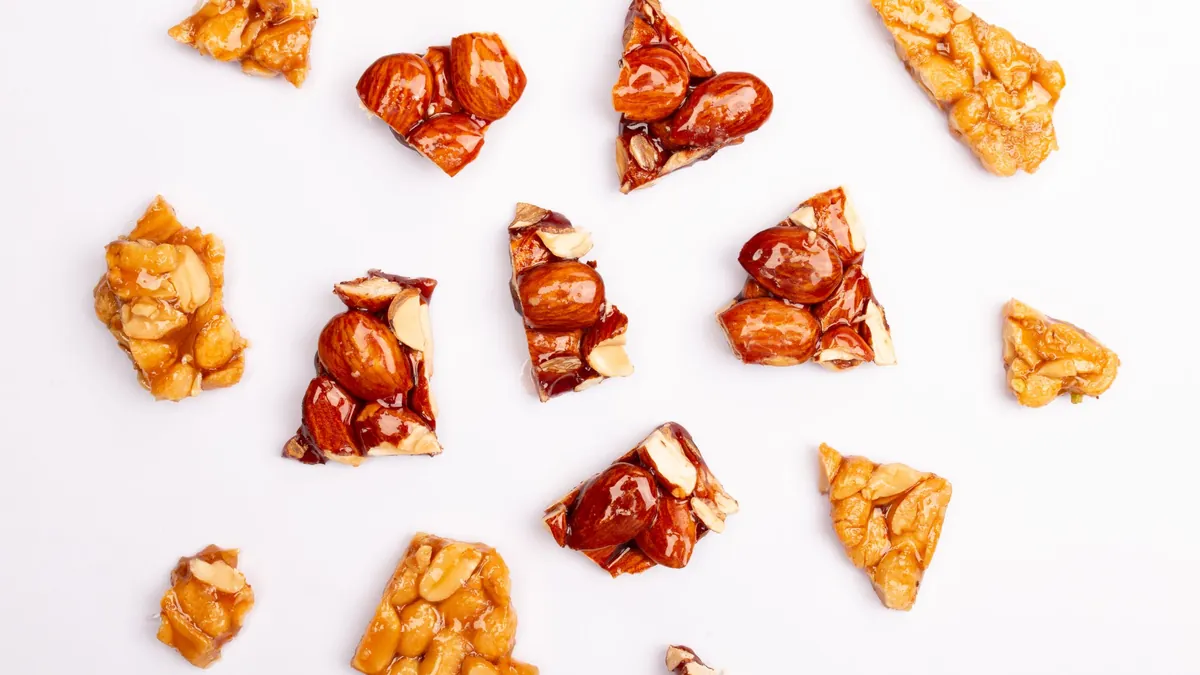
| Candy (no added alcohol, no bare-hand contact), maple syrup, granola, trail mix and popcorn | Yes |
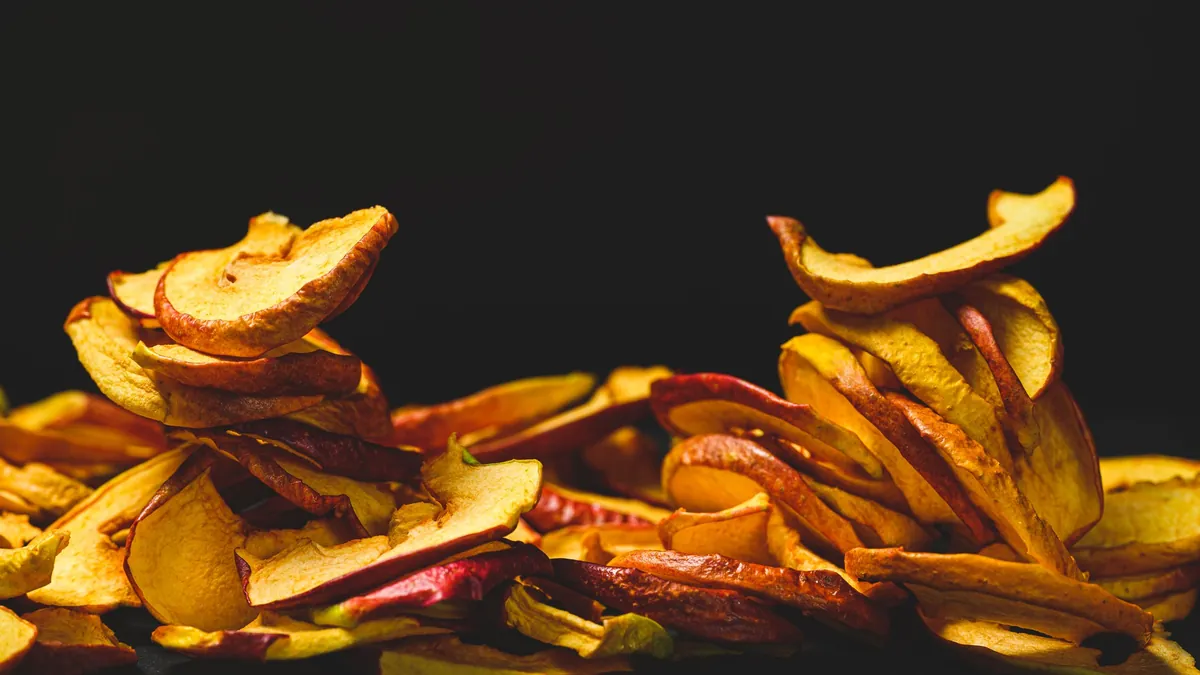
| Dried herbs, spices, nuts, dried grains and dried or freeze-dried whole fruits and vegetables | Yes |
| Pickles, salsa and other acid, acidified or low-acid canned foods | Microprocessor only a certified farmer with an approved recipe; not allowed for a home-based processor |
| Cheesecake, custard, crème-filled pies, custard pies and meringue-topped pies | No |
| Cream, custard or meringue pastries | No |
| Raw seed sprouts, garlic-in-oil products and pureed baby foods | No |
Vacuum packaging is allowed only in a mason-type jar. A jam or jelly processed for less than ten minutes must be filled into a sterile jar. You do not have to test your foods to find out whether they are acid or acidified, if they are labeled as the law requires.
How to register
- Confirm that your foods are on the allowed list and that your gross sales will stay at or under $60,000.
- Complete the DFS-250 Application for Home-based Processor, available from the Food Safety Branch or a University of Kentucky Extension office. It asks for your name, the physical address where you will produce the food and a list of the products.
- Submit it to the Department for Public Health, Food Safety Branch, with the $50 registration fee.
- Renew every year. The registration expires on March 31 and is renewed with a new DFS-250 and another $50.
Home rules
While you work on products for sale, you must wash your hands with soap and water, keep equipment and utensils clean and in good repair, and wash, rinse and sanitize food contact surfaces, equipment and utensils before each use. Keep children under twelve and pets out of the kitchen, stop other domestic activities such as family meal preparation, dishwashing and laundry, and do not work while you have a contagious illness. The Cabinet for Health and Family Services may inspect your kitchen annually under the statute, and the regulation says inspection is made on complaint. It can also sample and inspect if a product is misbranded or adulterated, and it can order production to stop if it finds an imminent health hazard.
Kentucky label requirements
Each product needs a label with:
- the name and address of your home-based processing operation;
- the common or usual name of the food;
- the ingredients, in descending order of weight;
- the net weight and volume by standard measure, or the numerical count;
- the statement “This product is home-produced and processed” in 10-point type;
- the date the product was processed;
- allergen information as federal law requires.
A product that is not labeled this way is treated as misbranded.
100 Example Road, Lexington, KY
Federal labeling rules require naming major food allergens: milk, eggs, fish, crustacean shellfish, tree nuts, peanuts, wheat, soybeans and sesame.
Where you can sell
- Directly to consumers inside Kentucky. The statute allows sales from your home by pickup or delivery, at a market, at a roadside stand, at a community event or online. The regulation also names flea markets, farmers markets, festivals, county fairs, craft fairs and non-profit charity events, and it lets you advertise and take orders and payments in person, electronically, online or by phone.
- Not through other businesses. The statute says the products may be offered only directly to consumers.
- Not outside Kentucky. Sales are limited to consumers within the state. The statute says “pickup or delivery” and does not mention mail or common carriers, so ask the Food Safety Branch before you ship.
- Microprocessors may sell only at farmers markets, certified roadside stands (locations listed with the Kentucky Farm Bureau) or on their own farm, not in retail food establishments and not across state lines.

The microprocessor tier
If you grow your own produce and want to sell acid, acidified or low-acid canned foods, the regulation sets a separate certification. You apply on form DFS-251 with proof of water and sewage approval, a list of products, proof that you completed the University of Kentucky Extension food processing school (or an approved school under federal rules) and a written scheduled process for each food from a processing authority. Any recipe change needs a new review. The school has to be repeated every three years or when you add products, and the certification costs $50 a year and expires every March 31. The primary ingredients must be grown by you, and your labels must be reviewed by the Cabinet before you use them. The Cabinet inspects each microprocessor at least once every four years.
Training and insurance
Home-based processors have no training requirement in the statute or regulation we read. Microprocessors need the food processing school. Product liability coverage is also worth considering. See our guide to liability, risk and insurance.
Local rules and HOAs
Check your city or county for a home business license and zoning, and check your HOA covenants and lease. For general background, see our planning and zoning guide.
Frequently asked questions
Can I sell food made in my home kitchen in Kentucky?
Yes, if you register as a home-based processor, make only foods that do not need temperature control and are not on the prohibited list, label them as required and keep your gross sales at or under $60,000.
Do I need a license to sell baked goods from home in Kentucky?
You need a $50 annual registration with the Department for Public Health, not a food permit.
Is there a sales limit in Kentucky?
Yes. Gross income from the sale of the products may not exceed $60,000 a year.
Can I sell cottage food online or by mail in Kentucky?
You can sell and take payment online and deliver to consumers in Kentucky. The statute mentions pickup and delivery but not mail or common carriers, so ask the Food Safety Branch before you ship.
Can I sell to grocery stores?
No. Home-based processor products may be offered only directly to consumers.
Can I sell pickles or canned goods in Kentucky?
Not as a home-based processor. You need the microprocessor certification, which is for Kentucky farmers who grow the main ingredients.
Note on conflicting sources
Guides disagree about whether a home-based processor must register. The statute has required registration since January 1, 2020, and the regulation sets the $50 fee. The statute says a processor’s facility may be inspected annually, while the regulation says inspection is made on complaint, so we describe both. The statute text we read is current through December 2024. A 2026 bill, House Bill 756, would have repealed KRS 217.136, but the legislature’s record shows it was last sent to a committee in March 2026, so it appears not to have passed. Check the Cabinet’s Food Safety Branch for any change.
Official sources
- Kentucky Revised Statutes 217.015 (definitions), 217.136 (home-based food processors) and 217.137 (home-based microprocessors)
- 902 KAR 45:090 (Home-based processors and farmers market home-based microprocessors)
- Kentucky Cabinet for Health and Family Services, Department for Public Health, Food Safety Branch: forms DFS-250, DFS-251 and DFS-252
- University of Kentucky Cooperative Extension Service: home-based microprocessing program
- U.S. Food and Drug Administration (FDA): Food Allergies (FASTER Act, sesame)