
Indiana Cottage Food Law (2026): Home-Based Vendors, the New Homestead Vendor Law, Labels and Where to Sell

At a glance
- License or permit
- None for a home-based vendor. Local governments may not require licensing, certification or inspection of home-based vendor foods
- Annual sales limit
- None in the home-based vendor statute
- Allowed foods
- Food made, grown or raised at your primary residence (or a permanent structure on the same property) that is not a time/temperature control for safety (TCS) food
- Where you can sell
- To the end consumer in person, by telephone or through the internet. Delivery in person, by mail or by third-party carrier, inside Indiana only
- Not allowed
- Resale, and shipping or delivery to a buyer outside Indiana
- Training required
- A food handler certificate from an ANSI-accredited issuer
Who the Indiana law covers
The original home-based vendor rule took effect in 2009. In 2022, House Enrolled Act 1149 repealed it and replaced it with chapter 16-42-5.3 of the Indiana Code. A home-based vendor is not treated as a retail food establishment and is exempt from the food establishment requirements in Title 16. The end consumer is the last person to buy the food and does not resell it. The Indiana Department of Health (ISDH) publishes a home-based vendor handbook, and local health officers enforce the chapter as subordinates of the state department, bound by the department’s own guidelines.
What you can sell
The statute does not list products. It lets you sell only food that is made, grown or raised by an individual at their primary residence, including any permanent structure on the same property, that is not a TCS food, and that is not resold. Whether a recipe needs temperature control decides whether you can sell it.
| Food | Allowed? |
|---|---|
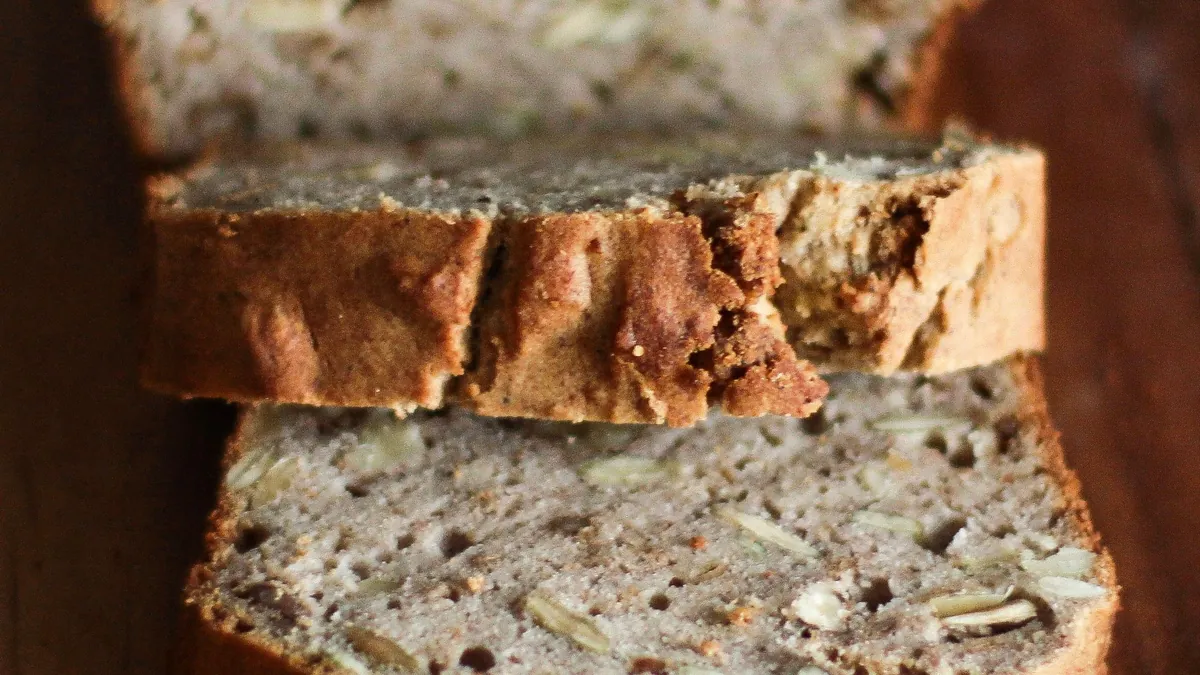
| Bread, cookies, cakes and other baked goods that need no refrigeration | Yes |
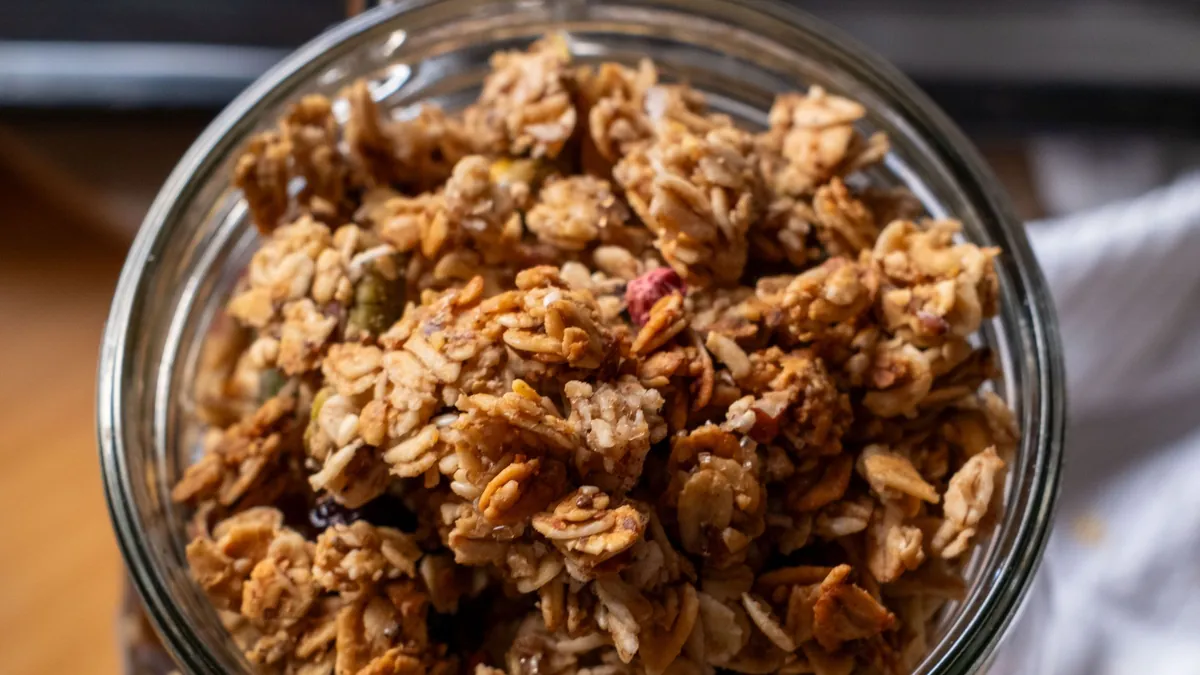
| Candy, popcorn, granola, dry mixes | Yes |
| Jams and jellies | Yes if the recipe is not a TCS food |
| Canned or pickled foods, salsa, sauces | Depends only if the recipe is not a TCS food; ask ISDH |
| Whole uncut produce and eggs at a farmers’ market or roadside stand | Yes individual vendors are exempt from food establishment rules; eggs follow the state egg rules |
| Frozen poultry (under the Indiana poultry exemption) and farm-processed rabbit | Yes, with conditions frozen at the point of sale at a farmers’ market or roadside stand |
| Cream-filled, custard and cheesecake-type desserts | No TCS foods |
| Cut fruits and vegetables, cooked meat and other TCS foods | No |
Home rules
You must prepare food using proper sanitary procedures:
- wash your hands properly;
- sanitize the container or packaging that holds the food;
- store the food safely;
- work in a preparation and packaging area where animals are not present;
- clean and sanitize surfaces that touch the food.
ISDH may take samples and inspect your food, equipment, containers and labeling if it decides a product is misbranded or adulterated, or if it receives a consumer complaint. If it believes an imminent health hazard exists, it can order you to stop producing and selling the product until the hazard is dealt with.
Indiana label requirements
Use a label for packaged food, or a sign for unpackaged food, that shows:
- the name and address of the producer;
- the common or usual name of the food;
- the ingredients, in descending order of predominance by weight;
- the net weight or volume, by standard measure or count;
- the date the food was processed;
- this statement in at least 10-point type: “This product is home produced and processed and the production area has not been inspected by the Indiana Department of Health. NOT FOR RESALE.”
If you sell online, post the label of each food product on your website.
123 Sample Street, Anytown, IN 00000
at least 10-point type
Federal labeling rules also require naming major food allergens: milk, eggs, fish, crustacean shellfish, tree nuts, peanuts, wheat, soybeans and sesame.
Where you can sell
- In person, by telephone or through the internet, directly to the end consumer.
- Delivery to the end consumer in person, by mail or by a third-party carrier. The package must be sealed so the buyer can see whether it was tampered with, and you must keep a record of each buyer’s shipping or delivery address for at least one year and give it to ISDH on request.
- Not allowed: resale, and shipping or delivery to anyone outside Indiana.
New in 2026: homestead vendors and small farm operators
House Enrolled Act 1424, signed in March 2026, took effect on July 1, 2026. It creates two new categories of food sellers, homestead vendors and small farm operators, and ISDH has told local health departments that the new rules sit in a separate chapter from the home-based vendor law, which stays in force. As reported, these sellers may sell a broader range of foods, including meat products, prepared foods, baked goods, candy, produce, natural sweeteners and fruit spreads, from their own property or at farmers’ markets. Alcohol and raw milk are not included. Shipping or delivering requires a food handler certificate from an accredited issuer and applies only inside Indiana. Packaged foods must carry the producer’s name, the ingredients, potential allergens and a statement that the food is exempt from government licensing and inspection. An ISDH official has said these sellers face no further state regulation until their gross income reaches $1.5 million. Because the details are new, check the current ISDH guidance before you rely on the homestead category.
Training and insurance
You must get a food handler certificate from a certificate issuer accredited by the American National Standards Institute. Give a copy to the local health department in the county where you live, and to ISDH or a customer if they ask. Product liability coverage is worth considering. See our guide to liability, risk and insurance.
Local rules and HOAs
A local government may not use an ordinance or resolution to require licensing, certification or inspection of a home-based vendor’s food. Zoning and business rules for a home business can still matter, so ask your city or county. Private rules apply too, so check your HOA covenants and lease. For general background, see our planning and zoning guide.
Frequently asked questions
Can I sell food made in my home kitchen in Indiana?
Yes. Non-TCS food made at your primary residence can be sold to end consumers as a home-based vendor, with a food handler certificate and the required label.
Do I need a license to sell baked goods from home in Indiana?
No. A home-based vendor is exempt from food establishment requirements, and local governments cannot require a license, certification or inspection.
Is there a sales limit in Indiana?
The home-based vendor statute sets no sales limit.
Can I sell cottage food online or by mail in Indiana?
Yes, within Indiana. You can sell through the internet and deliver by mail or third-party carrier, in a sealed package, but not to a buyer outside the state.
Can I sell to grocery stores or restaurants?
No. A home-based vendor sells only to the end consumer, and the food may not be resold.
Can I sell pickles or canned goods in Indiana?
Only if the recipe is not a TCS food. The statute does not list canned foods, so check with ISDH before you sell them.
Note on conflicting sources
Older guides describe the 2009 home-based vendor rule, which Indiana repealed in 2022. A few sites claim a $25,000 sales cap or an ISDH registration and fee, but the statute we read contains neither. The statute text we read is a copy of chapter 16-42-5.3 that may not include changes made by the 2026 law, and we could not open the full text of the new homestead vendor law or the May 2025 ISDH handbook, so the homestead section above relies on news reports and a statement from ISDH. Confirm labels, the homestead category and unusual products with ISDH or your local health department.
Official sources
- Indiana Code, Title 16, Article 42, Chapter 5.3 (home based vendors), as enacted by House Enrolled Act 1149 (2022)
- Indiana House Enrolled Act 1424 (2026), homestead vendors and small farm operators
- Indiana Department of Health (ISDH): Home Based Vendor handbook and homestead vendor guidance
- U.S. Food and Drug Administration (FDA): Food Allergies (FASTER Act, sesame)