
Hawaii Cottage Food Law (2026): Homemade Food Rules, Training and Labels
At a glance
- License or permit
- No DOH food establishment permit; some event organizers may still ask for a Special Event permit, which DOH will review and sign off
- Annual sales limit
- Not mentioned in the DOH guidance
- Allowed foods
- Foods that do not need time or temperature control for safety: jams and jellies, baked goods without custard or cream fillings, and plant foods that are pickled, fermented or acidified to a pH of 4.2 or lower or a water activity under 0.88
- Where you can sell
- Directly to consumers at events, markets, fundraisers and craft fairs and online; and wholesale to permitted food establishments
- Training required
- Food safety training from DOH or a DOH-approved program; ANSI-accredited courses qualify
Who the Hawaii homemade food exemption covers
The exemption is part of chapter 11-50 of the Hawaii Administrative Rules (Food Safety), run by the DOH Food Safety Branch. An operator may use a home kitchen to produce a homemade food product and sell it directly to consumers or to other retailers. Operators who make only homemade food products in a home kitchen are exempt from the food establishment requirements, but they must keep a handwashing sink available while preparing food, label their food as the rule requires and sell only directly to the consumer or as the DOH guidance allows. DOH can still inspect and act on complaints. Products must be packaged the way they will be sold, and vacuum packaging is not allowed.
What you can sell
| Food | Allowed? |
|---|---|
| Jams and jellies | Yes the only canned food allowed |
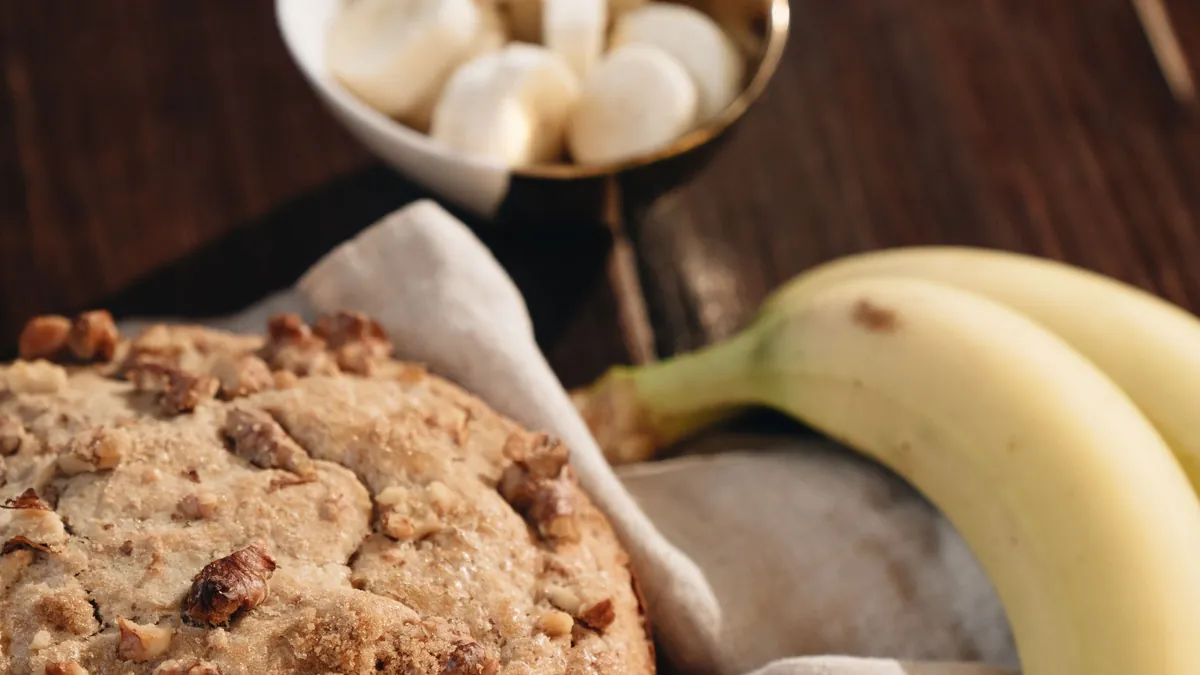
| Baked goods without custard or cream fillings | Yes |
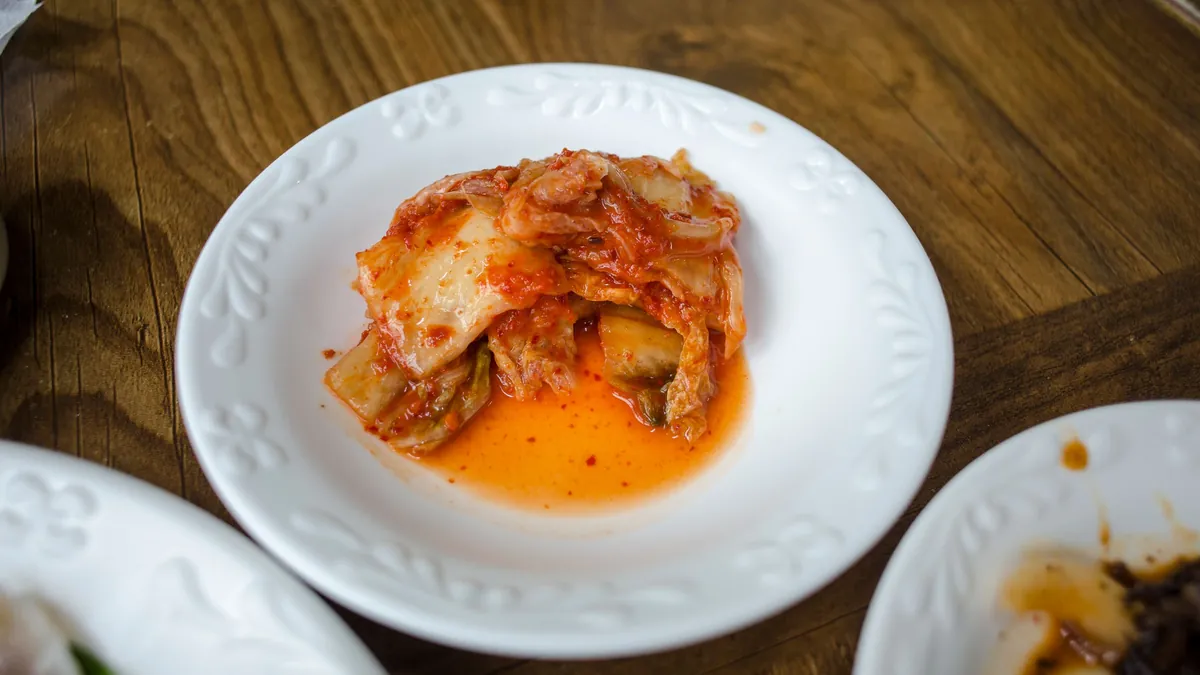
| Pickled, fermented or acidified plant foods, such as pickles and kimchi | Conditions pH 4.2 or lower, or water activity below 0.88; you must make sure your product meets this |
| Salsa and other products with cut tomatoes | Conditions plant foods only, held at 41°F or below |
| Juice sold directly to the consumer | Yes |
| Beef jerky, dried fish, seafood and other dried meats | No |
| Dried melons and dried tomatoes | No |
| Canned foods other than jams and jellies | No |
| Foods in vacuum packaging | No |
Food safety training
You must get food safety training from DOH or a program DOH approves. DOH says courses accredited by the American National Standards Institute (ANSI) meet the requirement. DOH runs in-person classes and lists ANSI-accredited online courses on its Food Safety Education page.
Hawaii label requirements
Each product must be labeled with:
- the statement “Made in a home kitchen not routinely inspected by the Department of Health”;
- the common name of the product, or a descriptive name;
- the ingredients in descending order of predominance by weight, if the product has two or more ingredients;
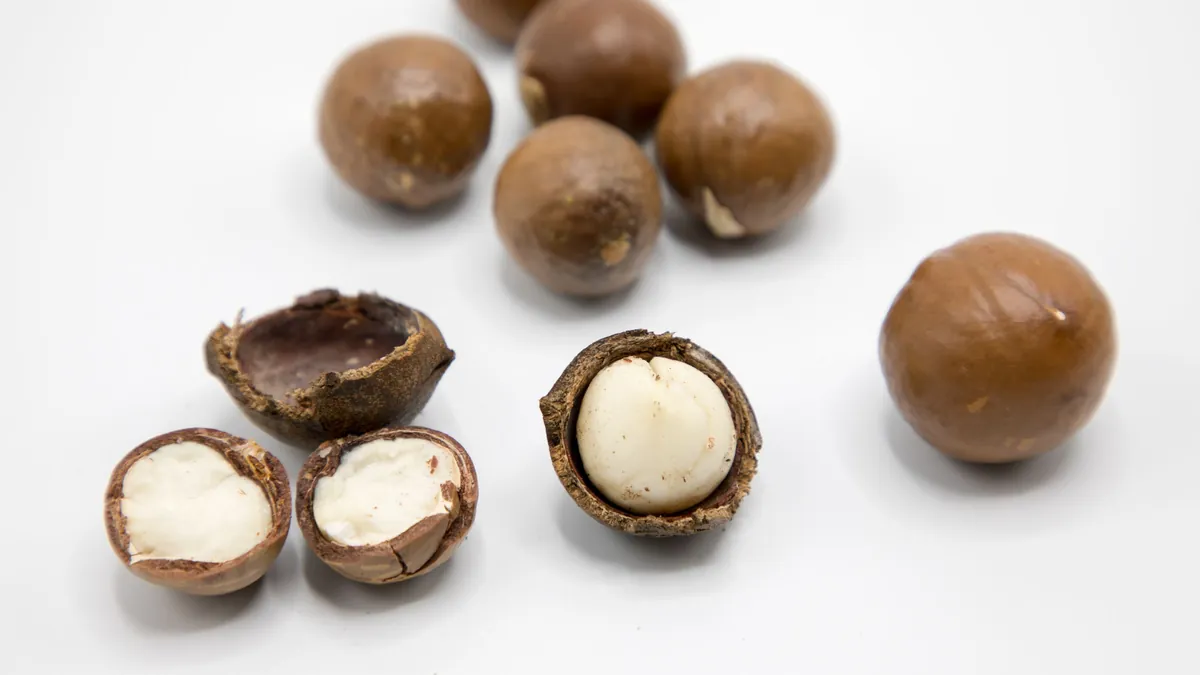
- the major food allergens: milk, eggs, fish, shellfish, tree nuts, peanuts, wheat, soybeans and sesame;
- the name and contact information of the homemade food operator.
Where you can sell
- Events: non-profit and for-profit events such as fundraisers, craft fairs and farmers markets. Some organizers require a Special Event permit; DOH says the homemade food exemption covers the DOH permit, but DOH will review and sign off your Special Event application.
- Online.
- Wholesale: state law allows homemade food products to be wholesaled to permitted food establishments that want to resell them. If a restaurant uses your product as an ingredient or offers it on its menu, the restaurant needs written disclosure that it is a homemade food product, and your label must be available to patrons on request. DOH notes that the FDA does not recognize homemade food as an approved source.
- Shipping and mail: the DOH guidance does not address them, so ask DOH.
Training and insurance
Training is required as described above. Insurance is not part of the exemption, but product liability coverage is worth considering. See our guide to liability, risk and insurance.
Local rules and HOAs
Check county zoning and business license rules, and the rules of the market or event where you sell. Private rules apply too, so check your HOA covenants and lease. For general background, see our planning and zoning guide.
Frequently asked questions
Can I sell food from home in Hawaii?
Yes. You can sell homemade foods that do not need time or temperature control to consumers and other retailers after completing food safety training and labeling your products.
Do I need a permit to sell baked goods from home in Hawaii?
No DOH food establishment permit is needed. Some markets may require a Special Event permit, which DOH will review.
Is there a sales limit in Hawaii?
The DOH guidance does not mention one.
Can I sell cottage food online in Hawaii?
Yes. DOH says you may sell online. It does not say how shipping works, so ask DOH.
Can I sell to restaurants or stores?
Yes, to permitted food establishments that want to resell your product. A restaurant must have written disclosure that the product is homemade.
Can I sell pickles or kimchi?
Yes, if they are plant foods with a pH of 4.2 or lower or a water activity below 0.88.
Note on conflicting sources
Many guides online describe different rules, such as a ban on fermented and acidified foods, a requirement to register, a food safety course valid for three years, or changes from 2025. DOH’s January 2026 fact sheet allows acidified plant foods at the pH and water activity listed above and does not mention registration or a renewal period. The rule text on Cornell’s legal site may be older than the DOH sheet. We follow DOH. We could not open DOH’s food safety web pages or the current rule text, so confirm training renewal, shipping and the current rule with the DOH Food Safety Branch.
Official sources
- Hawaii Department of Health, Food Safety Branch: Homemade Food Products fact sheet (January 2026)
- Hawaii Administrative Rules, Title 11, Chapter 50 (Food Safety), including sections 11-50-3 and 11-50-35
- U.S. Food and Drug Administration (FDA): Food Allergies (FASTER Act, sesame)