
Alabama Cottage Food Law (2026): Review Form, Foods, Labels and Online Sales
At a glance
- License or permit
- The ADPH page describes a review, not a permit: you submit a Cottage Food Review Form, your food safety course certificate and a sample label to your county health department
- Fee
- Varies by county
- Annual sales limit
- None; the annual income limit has been removed
- Allowed foods
- Non-potentially hazardous foods such as baked goods, jams and jellies, candy, dried herbs and produce, roasted coffee and dry baking mixes
- Where you can sell
- Directly to consumers inside Alabama, in person, by phone or online, with delivery in person, by an agent or by mail
- Not allowed
- Wholesale, consignment, and sales through restaurants
- Training required
- A food safety course approved by the health department; any ANSI-accredited food safety course is accepted
Who the Alabama cottage food law covers
The Alabama Cottage Food Law is section 22-20-5.1 of the Code of Alabama. The operation must be run out of the producer’s home. The Alabama Department of Public Health (ADPH) says the county health department reviews your paperwork but does not inspect your home kitchen.
What you can sell
| Food | Allowed? |
|---|---|
| Cakes, breads, pastries, pies and donuts that need no refrigeration | Yes |
| Jams, jellies and fruit preserves | Yes |
| Candy | Yes |
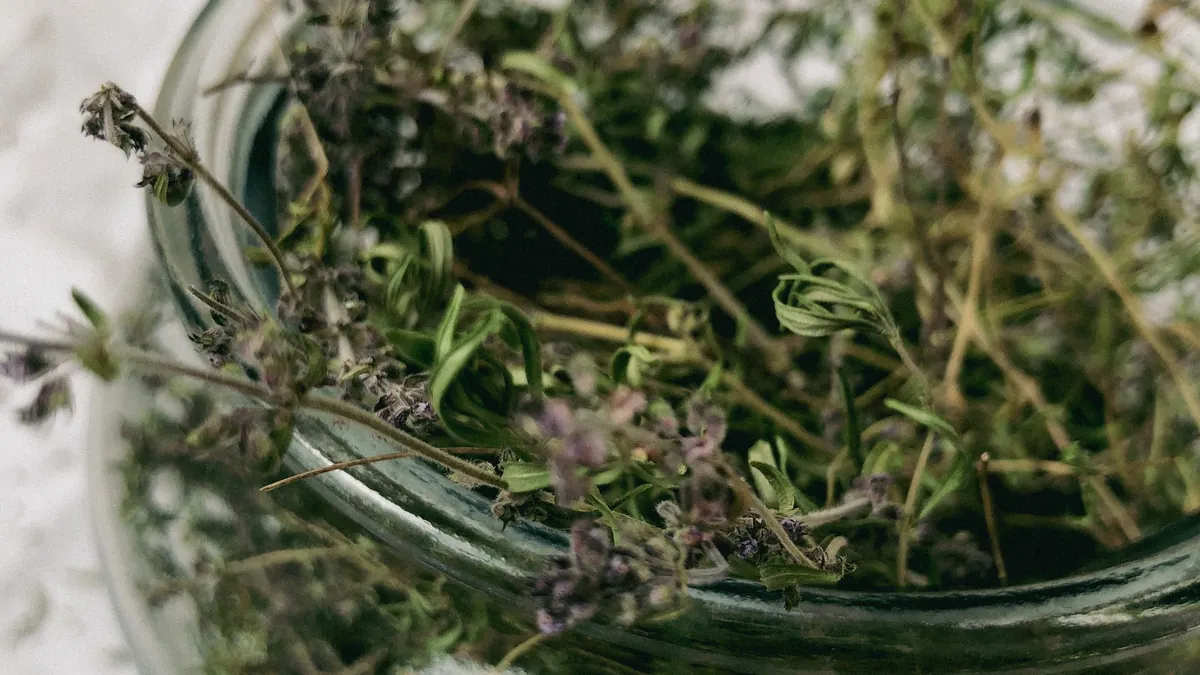
| Dried or dehydrated herbs, herb mixes, vegetables and fruits | Yes |
| Roasted coffee and dry baking mixes | Yes |
| Fermented or preserved vegetables and fruit | Conditions no alcohol produced and an acidity level the department allows; pH verification required |
| Freeze-dried foods | Conditions water activity verification required |
| Non-hazardous foods with less than 3% alcohol | Yes |
| Foods with more than 3% alcohol | No ask the Alabama Beverage Control Board |
| Meat, poultry and fish | No excluded by law |
| Potentially hazardous foods, such as beef jerky or pigs in a blanket | No |
How to register
- Complete a food safety course approved by the health department. The Alabama Cooperative Extension System offers one, and any ANSI-accredited food safety course is accepted. Keep your certificate current; when it expires you must retake a course.
- Fill out the Cottage Food Review Form.
- Submit the form, your course certificate and a sample label to your local county health department.
- Ask for written confirmation of the review if you need it for a business license. Fees vary by county.
The health department checks the certificate, the sample labels and the form. It does not inspect your home kitchen.
Sales limit
Alabama no longer sets a limit on annual income from cottage food. Older guides that show a $20,000 limit are out of date.
Alabama cottage food label requirements
Every item must be labeled, in type at least 10 points high, with:
- the common or usual name of the food;
- the name of the cottage food operation;
- the home or P.O. Box address of the operation;
- the ingredients in descending order of predominance;
- a statement that the food is not inspected by the Health Department;
- a disclaimer that the food may contain allergens.
A QR code cannot replace the contact information or the ingredient list.
123 Sample Street, Anytown, AL 00000
confirm the exact wording with your county health department
Where you can sell
- Direct to consumers inside Alabama: in person, by phone or online.
- Delivery: in person, through an agent of the producer or by mail, inside Alabama.
- Social media: advertising is not prohibited.
- Venues: you may sell from a booth, cart or storefront that does not hold a health department permit, as long as the food is made at home and sold directly to consumers. You may not sell from a health department-permitted establishment or mobile food unit. Farmers market sales fall under the Alabama Department of Agriculture and Industries.
- Not allowed: wholesale and consignment, and restaurants cannot sell cottage foods.
Training and insurance
The food safety course is required, and the certificate must stay current. Insurance is not part of the program, but product liability coverage is worth considering. See our guide to liability, risk and insurance.
Local rules and HOAs
Your city or county may have zoning or business license rules, and private rules apply too, so check your HOA covenants and lease. For general background, see our planning and zoning guide.
Frequently asked questions
Can I sell food from home in Alabama?
Yes, if it is an eligible non-hazardous food, you have a food safety certificate, you have submitted the review form to your county health department and each item is labeled correctly.
Do I need a permit to sell baked goods from home in Alabama?
There is no state permit. You submit a review form, certificate and sample label to your county health department, which does not inspect your kitchen.
Is there a sales limit for Alabama cottage food?
No. The annual income limit has been removed.
Can I sell cottage food online in Alabama?
Yes, to consumers inside Alabama. You may deliver in person, through an agent or by mail within the state.
Can I sell to stores or restaurants?
No. Wholesale and consignment are not allowed, and restaurants cannot sell cottage foods.
Can I sell pickles or jerky?
Fermented or preserved vegetables and fruit are allowed only if they meet the acidity level the department allows, with pH verification. Jerky and other meat products are excluded.
Note on conflicting sources
Many guides online still show a $20,000 sales limit that was removed in 2021, and some say a state permit or label approval is needed. We follow the ADPH cottage food page, which describes a review by the county health department rather than a permit. County practice can differ, such as the fee and the exact review process, so confirm with your county health department.
Official sources
- Code of Alabama, section 22-20-5.1 (Cottage Food Law)
- Alabama Department of Public Health: Cottage Food page and Cottage Food Law FAQ
- Alabama Cooperative Extension System: cottage food food safety course
- U.S. Food and Drug Administration (FDA): Food Allergies (FASTER Act, sesame)